Imagine you’re in your workshop, ready to tackle your latest project. The excitement of creating something with your hands is undeniable.
But as you reach for that sharp tool, a thought crosses your mind—safety. How can you protect your hands while still getting the job done efficiently? Enter cut-resistant gloves. These gloves are your first line of defense against accidental cuts and scrapes, ensuring that your hands stay safe without compromising your work.
In this guide, you’ll discover how to wear these gloves correctly to maximize your safety and comfort. By the end, you’ll not only know how to protect your hands but also feel more confident in your workshop. Ready to learn how to keep your hands safe and sound? Let’s get started.

Credit: www.ergodyne.com
Choosing The Right Cut-resistant Gloves
Using cut-resistant gloves is key for safety in workshops. They protect your hands from sharp tools and materials.
Picking the right gloves depends on materials, size, and style. Each factor affects comfort and protection.
Materials And Protection Levels
Cut-resistant gloves come in different materials. Each offers a different level of protection and feel.
- Kevlar:Strong and lightweight, good for general use.
- Steel Mesh:High protection but less flexible.
- Dyneema:Very strong and cut-resistant, with good comfort.
- Carbon Fiber:Offers excellent cut protection and durability.
Gloves are rated by cut resistance levels. Choose gloves rated for the sharpness of your tools.
Sizing For Comfort And Dexterity
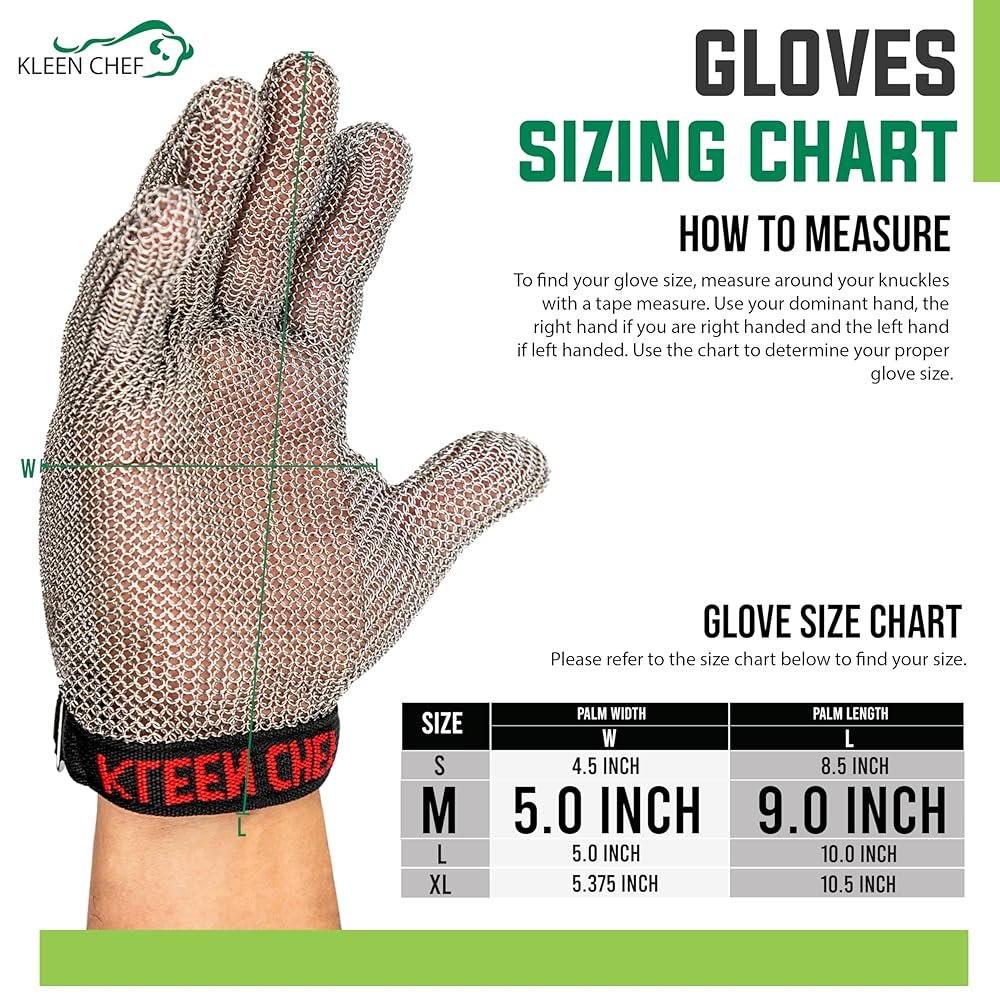
Proper size is important. Gloves that are too tight or loose reduce safety and comfort.
| Size | Hand Width (inches) | Notes |
| Small | 6.5 – 7.5 | Fits narrow hands |
| Medium | 7.5 – 8.5 | Most common size |
| Large | 8.5 – 9.5 | For wider hands |
| Extra Large | 9.5+ | For very large hands |
Try gloves on before buying if possible. Check finger movement and grip strength.
Glove Styles For Different Tasks
Choose glove styles based on your work needs. Some styles protect better for certain tasks.
- Coated Gloves:Good for handling oily or wet objects.
- Seamless Knit Gloves:Offer comfort and breathability.
- Leather Gloves:Durable and good for heavy-duty tasks.
- Impact-Resistant Gloves:Protect fingers from hits and bruises.

Credit: www.reddit.com
Preparing Your Hands And Gloves
Wearing cut-resistant gloves correctly helps protect your hands in workshops. Clean hands and well-maintained gloves keep you safe. This guide covers important steps before putting on gloves.
Taking time to prepare your hands and gloves reduces accidents. Follow these simple practices for better safety and glove care.
Cleaning Hands Before Wearing
Clean hands help gloves fit better and last longer. Dirt, oil, or sweat can weaken glove material and reduce protection.
- Wash hands with soap and water thoroughly.
- Dry hands completely before wearing gloves.
- Remove any jewelry that can tear gloves.
- Apply hand lotion if skin is dry, but let it absorb fully.
Inspecting Gloves For Damage
Check gloves for any holes, tears, or worn areas. Damaged gloves do not protect well and can cause injuries.
| Inspection Point | What to Look For |
| Material | Rips, cuts, or thinning spots |
| Seams | Loose stitches or splits |
| Fit | Stretched or misshaped areas |
| Cleanliness | Signs of contamination or dirt |
Replace gloves if you find any damage. Using good gloves keeps your hands safe.
Proper Glove Storage Tips
Store gloves correctly to keep their strength and shape. Proper storage also prevents dirt and damage.
- Keep gloves in a cool, dry place away from sunlight.
- Do not store gloves near chemicals or sharp objects.
- Use a clean container or bag to hold gloves.
- Store gloves flat or hanging to avoid creases.
Correct Glove Wearing Techniques
Wearing cut-resistant gloves properly keeps your hands safe. Correct techniques help avoid injuries during workshop tasks.
Learn how to wear gloves so they fit well and protect your skin from sharp tools and materials.
Putting Gloves On Safely
Clean your hands before putting gloves on. Dirt or oil can reduce glove effectiveness.
Put gloves on one hand at a time. Pull gently to avoid tearing or stretching the material.
- Check for holes or damage before wearing
- Use both hands to adjust gloves evenly
- Avoid touching dirty surfaces while wearing gloves
Adjusting Fit For Maximum Safety
Make sure gloves fit snugly but not too tight. Tight gloves can limit movement and cause fatigue.
Smooth out wrinkles and folds after wearing. Wrinkles can catch on tools or sharp edges.
- Check fingertips fit well for better control
- Adjust wrist cuffs to cover your skin fully
- Replace gloves if they feel loose or stretched
Avoiding Common Wearing Mistakes
Do not wear gloves with cuts or holes. Damaged gloves will not protect your hands.
Avoid pulling gloves off with dirty hands. This can contaminate gloves and reduce safety.
- Never share gloves with others
- Do not wear gloves when handling electrical equipment
- Remove gloves carefully to avoid skin contact with contaminants
Maintaining Glove Performance
Cut-resistant gloves keep your hands safe during workshop tasks. You must care for them well to keep their strength.
Good care helps the gloves last longer and work better every time you wear them.
Regular Cleaning And Care
Clean gloves often to remove dirt and chemicals. Dirty gloves lose their cut resistance and can cause skin problems.
Use mild soap and cold water. Avoid bleach or strong cleaners that can damage the material.
- Hand wash gloves gently
- Rinse completely to remove soap
- Air dry gloves away from sunlight
- Do not use a dryer or iron
When To Replace Gloves
Gloves wear out after time. Replace them if you see holes, tears, or worn spots.
Also replace gloves if they feel stiff or if their cut resistance drops. Old gloves can cause accidents.
- Check gloves before each use
- Replace if damaged or worn
- Do not use gloves past their lifespan
- Follow manufacturer guidelines for replacement
Storing Gloves Between Uses
Store gloves in a clean, dry place. Avoid heat and sunlight to keep the material strong.
Do not leave gloves near chemicals or sharp tools when not in use. Proper storage keeps gloves ready and safe.
- Keep gloves in a cool, dry spot
- Use a clean container or bag
- Avoid direct sunlight and heat
- Keep gloves away from chemicals and sharp objects
Enhancing Workshop Safety
Wearing cut-resistant gloves helps protect your hands from sharp tools. These gloves reduce the risk of injuries in busy workshops.
Using gloves correctly is important. It keeps your hands safe and lets you work with confidence and care.
Combining Gloves With Other Gear
Cut-resistant gloves work best with other safety gear. Use them alongside eye protection, helmets, and aprons.
This gear protects your whole body. It helps prevent injuries from flying debris, heavy objects, and sharp edges.
- Wear safety goggles to protect your eyes.
- Use helmets to guard your head.
- Wear aprons to shield your body.
- Use ear protection in noisy areas.
Safe Handling Of Sharp Tools
Always hold sharp tools firmly and carefully. Cut-resistant gloves give extra grip and protect your hands from slips.
Keep your workspace clean. Put tools away after use to avoid accidents and cuts.
- Hold knives and blades with a steady grip.
- Cut away from your body to stay safe.
- Check gloves for damage before use.
- Keep blades sharp to reduce force needed.
Training And Safety Practices
Training helps workers use cut-resistant gloves correctly. It teaches safe habits and proper tool handling.
Follow safety rules every day. Regular checks and clear instructions keep everyone safe in the workshop.
- Attend safety training sessions regularly.
- Learn how to choose the right gloves.
- Practice using tools safely with gloves on.
- Report damaged gloves or unsafe conditions.

Credit: www.amazon.com
Frequently Asked Questions
What Are Cut-resistant Gloves Used For In Workshops?
Cut-resistant gloves protect hands from sharp tools and materials. They reduce injury risks during cutting, handling glass, or metal work. Wearing them ensures safer workshop practices and prevents costly accidents.
How Do I Choose The Right Cut-resistant Gloves?
Select gloves based on cut level rating and material type. Consider your workshop tasks and required dexterity. Proper fit and comfort are essential for effective protection and prolonged use.
Can Cut-resistant Gloves Improve Workshop Safety?
Yes, they significantly reduce hand injuries from cuts and abrasions. Wearing them consistently helps maintain a safer work environment. They also boost confidence when handling sharp objects.
How Should Cut-resistant Gloves Fit For Best Protection?
Gloves should fit snugly without restricting movement. Proper fit ensures maximum dexterity and prevents accidents caused by loose gloves. Always check size charts before purchase.
Conclusion
Wearing cut-resistant gloves keeps your hands safe in the workshop. Choose gloves that fit well and suit your tasks. Always check gloves for damage before using them. Clean and store gloves properly after work. These simple steps help prevent cuts and injuries.
Stay careful and protect your hands every day. Safety starts with good habits and the right gear. Keep your workspace safe and work with confidence.