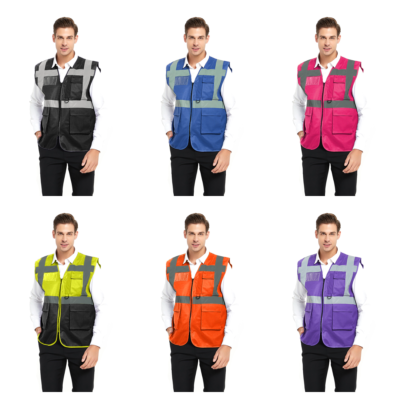
Are you gearing up for night shifts and wondering how to stay safe and visible in the dark? High-visibility jackets are your go-to gear for those late-night tasks, ensuring you are seen and safe.
But wearing them correctly is crucial. Imagine confidently stepping into the night, knowing you’re not just another shadow but a beacon of safety. This guide will reveal the secrets to wearing high-visibility jackets effectively, making sure you’re both comfortable and secure.
Dive in, and discover how you can turn your night work experience from risky to reassuring with a simple wardrobe choice. Your safety is worth it.
Choosing The Right Jacket
High-visibility jackets help keep workers safe in low light. Choosing the right jacket is key for night work safety.
Select a jacket that fits well and meets safety standards. Look at material, comfort, and weather resistance.
Material And Reflectivity
Pick jackets made from durable materials that last long. Bright colors like fluorescent yellow or orange work best.
- Use jackets with wide reflective tape for visibility
- Choose materials that do not fade after washing
- Ensure reflectivity meets safety regulations
Fit And Comfort
A good fit lets you move freely and stay comfortable. Jackets should not be too tight or too loose.
| Fit Type | Benefit |
| Regular Fit | Allows easy movement |
| Loose Fit | Worn over other clothes |
| Slim Fit | Less bulk, more streamlined |
Weather Resistance
Night work can be cold or wet. Choose jackets that protect against rain and wind.
Look for these weather features in high-visibility jackets:
- Waterproof or water-resistant fabric
- Windproof design to block cold air
- Breathable materials to avoid sweating
- Insulated lining for cold weather

Credit: www.shutterstock.com
Proper Jacket Placement
Wearing a high-visibility jacket correctly is important for safety at night. Proper placement helps others see you clearly.
The jacket must fit well and stay visible. This guide explains how to wear it right for night work.
Zipping And Fastening
Always zip or fasten the jacket fully. This keeps the reflective strips in place and stops the jacket from flapping.
A closed jacket also protects you from cold and wind. Use all buttons, zippers, or Velcro straps provided.
Avoiding Obstruction
Do not cover the jacket with bags or tools. Obstructions hide the reflective areas and reduce visibility.
Keep the front and back clear. Check that nothing blocks the jacket’s reflective stripes.
- Wear backpacks over the jacket, not under
- Keep large pockets zipped to avoid bulges
- Avoid scarves or other items covering reflective parts
Layering Techniques
Wear the high-visibility jacket as the outermost layer. This ensures maximum light reflection.
If you need extra warmth, wear thin layers under the jacket. Thick clothes under can make the jacket fit poorly.
- Start with a thin base layer
- Add a light sweater if needed
- Wear the high-visibility jacket last
Maximizing Visibility
High-visibility jackets help workers stay safe at night. They make people easier to see in dark places.
Wearing these jackets correctly is very important. It can improve how well others see you.
Reflective Strips Positioning
Reflective strips catch light and show your position. Place strips where they face oncoming light.
Common areas include the chest, back, and arms. Strips on legs help if you move a lot.
- Chest and back for front and rear visibility
- Arms to show movement
- Legs to highlight walking or bending
Complementary Accessories
Other gear adds to jacket visibility. Use accessories with reflective parts or bright colors.
Hard hats, gloves, and boots with reflective details help you stand out. Use LED lights if allowed.
- Reflective hard hats and helmets
- Gloves with bright or reflective strips
- Boots with reflective patches
- Clip-on LED lights or glow sticks
Maintaining Cleanliness
Clean jackets keep reflective strips bright. Dirt and grime can block light reflection.
Wash jackets regularly following care instructions. Avoid harsh chemicals that harm reflective material.
- Use mild detergent and cold water
- Do not bleach or iron reflective strips
- Air dry jackets away from direct sunlight
- Check strips for damage and replace if needed

Credit: www.amazon.co.uk
Safety Tips For Night Work
Wearing high-visibility jackets helps workers stay safe at night. These jackets make you easy to see in dark places.
Night work has extra dangers. Follow safety tips to reduce risks and keep safe.
Work Area Lighting
Good lighting makes the work area clear and safe. It helps workers see hazards and other people easily.
Use bright lights that cover all parts of the site. Avoid shadows where dangers can hide.
- Install floodlights at key points
- Use portable lights for dark corners
- Check lights regularly to keep them working
- Wear reflective gear to increase visibility
Communication Signals
Clear communication helps workers avoid accidents. Use signals that everyone understands.
Use hand signals, radios, or lights to send messages quickly. Make sure all workers know the signals.
- Agree on hand signals before starting work
- Use walkie-talkies for fast voice communication
- Carry flashlights to signal in dark areas
- Repeat messages to confirm understanding
Emergency Preparedness
Be ready for emergencies by planning ahead. Know what to do if something goes wrong.
Keep first aid kits close and know emergency phone numbers. Train workers on emergency steps and exits.
- Have a clear evacuation plan
- Check that first aid kits are stocked
- Assign roles for emergency response
- Practice drills regularly with the team
Common Mistakes To Avoid
Wearing high-visibility jackets at night keeps workers safe. Many people make simple mistakes that reduce this safety. Avoiding these errors helps the jacket do its job well.
Below are common mistakes to watch out for when using high-visibility jackets for night work. Fixing these issues improves visibility and safety.
Wearing Damaged Jackets
Damaged jackets do not reflect light properly. Tears, stains, or faded colors lower visibility. Wearing these jackets at night can cause accidents.
- Do not wear jackets with rips or holes
- Replace jackets if reflective strips peel off
- Avoid using jackets with heavy dirt or stains
- Keep jackets clean and dry
Ignoring Fit Issues
A jacket that is too big or too small can reduce safety. Loose jackets may catch on objects. Tight jackets limit movement and comfort. Both affect how well the jacket works.
| Fit Problem | Why It Is Bad | How to Fix |
| Too Loose | Can snag on tools or machinery | Choose a smaller size or adjust straps |
| Too Tight | Limits movement and comfort | Pick a larger size or a flexible design |
| Wrong Sleeve Length | Reduces arm visibility | Use the correct sleeve length for your size |
Neglecting Regular Checks
High-visibility jackets need frequent inspections. Over time, wear and tear reduce their effectiveness. Skipping checks risks using unsafe jackets.
Check your jacket regularly for:
- Tears or holes
- Faded or missing reflective tape
- Broken zippers or fasteners
- Cleanliness and dryness
Fix or replace jackets that fail these checks to stay visible at night.

Credit: www.walmart.com
Frequently Asked Questions
Why Is High-visibility Important For Night Work?
High-visibility jackets increase worker safety by making them easily seen in low light. Reflective materials catch headlights and streetlights, reducing accident risks. Wearing these jackets helps drivers and machinery operators notice workers quickly, preventing injuries during night shifts.
How Should High-visibility Jackets Fit For Night Work?
A proper fit ensures comfort and visibility. Jackets should be snug but allow movement and layering. Too loose or tight jackets can reduce effectiveness and cause discomfort. Ensure reflective strips are visible from all angles when worn.
What Materials Enhance Visibility In Jackets At Night?
Reflective tapes and fluorescent fabrics boost visibility. Fluorescent materials work well in low light, while reflective strips shine brightly under direct light. Combining both materials maximizes safety by ensuring visibility from a distance and close range.
Can High-visibility Jackets Be Combined With Other Safety Gear?
Yes, high-visibility jackets complement helmets, gloves, and boots. Combining gear enhances overall protection. Always ensure all equipment is compatible and does not obstruct reflective parts of the jacket for maximum visibility.
Conclusion
Wearing high-visibility jackets at night keeps you safe and seen. Choose bright colors and reflective strips for best results. Make sure the jacket fits well and stays clean. Pair it with other safety gear for full protection. Stay alert and visible to avoid accidents.
Safety should always come first during night work. Follow these tips to stay safe and confident on the job. Safety is simple when you wear the right gear.
