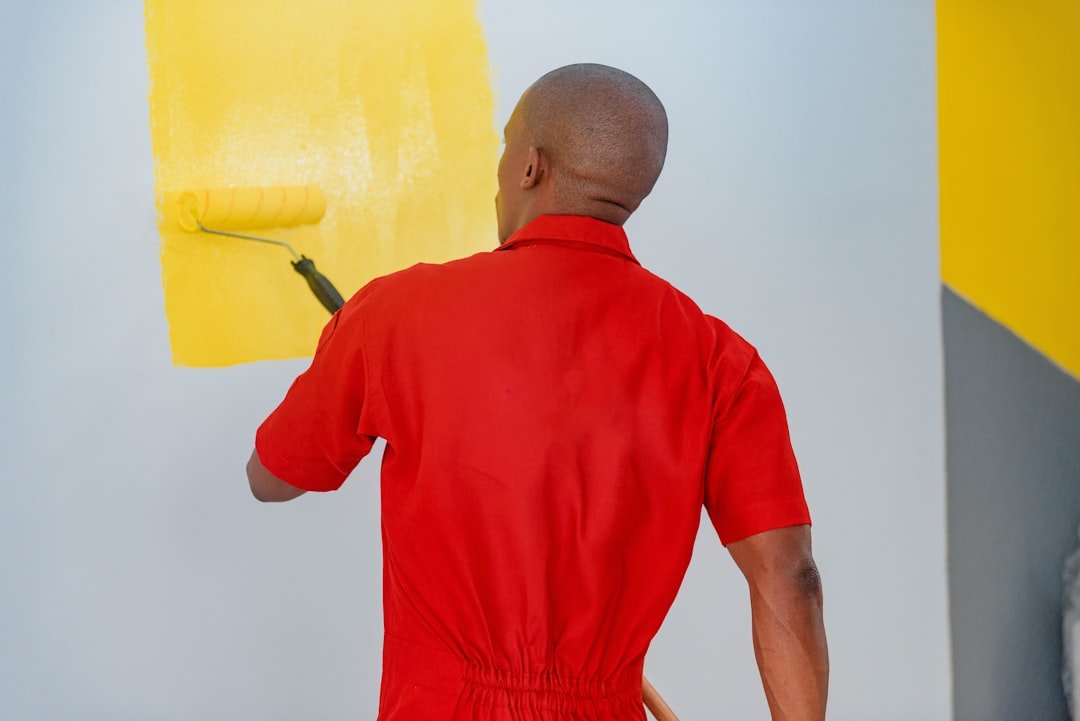
When you’re about to start a painting project, protecting yourself should be your top priority. Wearing the right protective clothing isn’t just about staying clean—it’s about keeping your skin safe from harmful chemicals, preventing accidents, and making your work easier.
But how do you choose the right gear? And more importantly, how do you wear it correctly to get the best protection? You’ll discover simple, practical tips that ensure you stay safe and comfortable while painting. Keep reading to learn how to gear up like a pro and avoid common mistakes that could put you at risk.
Your health and the success of your painting task depend on it.

Credit: trdsf.com
Choosing The Right Protective Clothing
Wearing protective clothing is important for painting tasks. It keeps you safe from harmful chemicals and paint splashes.
Choosing the right clothing depends on several factors. These include the fabric type, paint used, and work conditions.
Types Of Protective Fabrics
Protective clothing comes in different fabrics. Each fabric offers specific protection levels and comfort.
Common fabrics include cotton, polyester, and specialized materials. Cotton is breathable but less chemical resistant. Polyester offers better resistance but less breathability.
- Cotton:Comfortable and breathable, suitable for light tasks.
- Polyester:More resistant to chemicals and paint splashes.
- Tyvek:Lightweight, protects against fine particles and liquids.
- Rubberized fabrics:Best for heavy chemical exposure.
Selecting Based On Paint Type
Different paints require different protection. Water-based paints need less heavy clothing than oil-based paints.
Oil-based paints have stronger chemicals. Use fabrics that resist solvents and oils for these tasks. For water-based paints, lighter fabrics are usually enough.
- Water-based paints:Use cotton or polyester blends.
- Oil-based paints:Choose chemical-resistant fabrics like Tyvek or rubberized materials.
- Spray paints:Use full-body suits with sealed seams.
Considering Weather And Work Conditions
Weather affects your clothing choice. Hot weather needs breathable fabrics to avoid heat stress. Cold weather requires insulated clothing.
Work conditions also matter. Outdoor jobs may need waterproof clothing. Indoor jobs might focus on comfort and ventilation.
- Hot weather:Lightweight, breathable fabrics like cotton.
- Cold weather:Insulated and windproof layers.
- Wet conditions:Waterproof or water-resistant clothing.
- Long tasks:Comfortable, flexible fabrics to reduce fatigue.

Credit: cf-t.com
Essential Protective Gear
Wearing the right protective clothing keeps you safe during painting tasks. It helps to avoid skin contact with harmful paints and chemicals.
Choosing proper gear reduces health risks and improves your comfort while working.
Coveralls And Aprons
Coveralls protect your whole body from paint splashes and dust. Aprons shield your clothes and front body areas from spills.
Choose coveralls made of breathable material for comfort. Aprons with pockets help keep tools handy.
Gloves And Hand Protection
Gloves protect your hands from chemicals and paint stains. Use gloves made of nitrile or latex for good resistance.
- Check gloves for holes before use
- Wear gloves that fit well
- Change gloves if they get torn or dirty
- Wash hands after removing gloves
Eye And Face Shields
Eye protection guards against paint splashes and dust particles. Face shields give full face coverage and protect from splatters.
Wear safety goggles or glasses that fit snugly. Use face shields if working with spray painting or harsh chemicals.
Respirators And Masks
Respirators filter harmful fumes and dust from the air. Masks protect your lungs from inhaling paint particles.
| Type | Use | Protection Level |
| Disposable Mask | Light dust and paint sprays | Basic |
| Half-face Respirator | Strong fumes and vapors | Moderate |
| Full-face Respirator | Highly toxic chemicals | High |
Footwear For Safety
Wear sturdy shoes or boots to protect your feet from spills and sharp objects. Non-slip soles help prevent accidents on wet floors.
Choose waterproof footwear to keep your feet dry during painting work.
Proper Fit And Comfort
Wearing protective clothing is important for painting tasks. It keeps you safe from paint and chemicals.
Choosing the right fit and comfort helps you work better and stay protected longer.
Sizing Tips
Protective clothing should fit well but not be too tight. Check the size charts before buying.
- Measure your chest, waist, and hips accurately
- Allow space for layering clothes underneath
- Choose sizes that match your body shape
- Try clothing on to check comfort and movement
Adjustments For Mobility
Comfort means you can move freely while wearing protective clothing. Adjust it to avoid restrictions.
| Adjustment | Purpose |
| Elastic cuffs | Keep sleeves tight but flexible |
| Adjustable waistbands | Improve fit around the waist |
| Stretch panels | Allow bending and stretching |
| Zippers with guards | Easy to open but prevent paint entry |
Breathability And Heat Management
Protective clothing can get hot. Choose breathable fabrics to stay cool and dry.
Tips for better breathability:
- Pick clothes made of cotton or special breathable materials
- Look for ventilation openings or mesh panels
- Wear light colors to reflect sunlight
- Take breaks to cool down in hot weather
Steps To Wear Protective Clothing Correctly
Wearing protective clothing is important for painting tasks. It keeps you safe from harmful paint and chemicals.
Follow these steps to put on your protective clothing the right way. This will help you stay clean and safe.
Preparing Your Clothing
Start with clean, dry clothing before you wear any protective gear. Avoid loose clothes that can catch paint or tools.
Choose clothing made from durable materials that resist paint and chemicals. Check for any holes or tears.
- Wear long sleeves and long pants
- Use clothing that covers your skin fully
- Remove jewelry or accessories
Layering For Maximum Protection
Put on layers to protect your body well. Start with a base layer to keep your skin dry.
Add outer layers made from waterproof or paint-resistant materials. This stops paint from soaking through.
- Base layer: lightweight and breathable clothes
- Middle layer: insulation if needed
- Outer layer: coveralls or paint suits
Securing Seams And Closures
Seal all openings to stop paint from entering your clothing. Check zippers, buttons, and seams carefully.
Use tape or fasteners to close gaps. Make sure sleeves and pant legs are tight around wrists and ankles.
- Zip up coveralls fully
- Button all snaps or fasteners
- Use tape over seams if needed
- Tighten cuffs and hems securely
Maintaining And Cleaning Protective Gear
Protective clothing keeps you safe during painting jobs. Clean gear works better and lasts longer.
Proper care helps avoid damage and keeps the gear ready for use. Follow simple steps to maintain your protective wear.
Washing Instructions
Wash protective clothing after each use to remove paint and dirt. Use mild detergent and cold water to avoid damage.
- Check clothing labels for washing instructions.
- Do not use bleach as it can weaken fabric.
- Hand wash or use gentle machine cycle.
- Air dry the clothing away from direct sunlight.
- Avoid ironing as heat may damage protective layers.
Storage Tips
Store protective gear in a clean, dry place. Proper storage prevents mold and fabric wear.
| Storage Method | Benefit |
| Hang clothing on wide hangers | Prevents wrinkles and creases |
| Use sealed containers for gloves and masks | Keeps dust and dirt away |
| Keep away from heat sources | Avoids fabric breakdown |
| Store in a ventilated area | Reduces moisture buildup |
Inspecting For Damage
Check protective clothing before and after each use. Look for tears, holes, or worn areas that reduce protection.
- Examine seams and edges for loose threads.
- Check zippers and fasteners to ensure they work well.
- Replace any damaged items immediately.
- Keep a repair kit handy for minor fixes.

Credit: cf-t.com
Common Mistakes To Avoid
Wearing protective clothing is important for painting jobs. It keeps you safe from chemicals and paint splashes. Many people make simple mistakes that reduce protection.
Learn about common errors to avoid. This helps you stay safe and comfortable while working.
Skipping Protective Layers
Some painters skip wearing enough layers of protection. This leaves skin open to harmful paint and solvents. Protective layers stop chemicals from reaching your skin.
- Always wear a base layer like a long-sleeve shirt.
- Add a paint-resistant outer layer or coverall.
- Use gloves and shoe covers to protect hands and feet.
- Do not use just one thin layer of clothing.
Ignoring Fit And Comfort
Protective clothing must fit well. Loose clothes can catch on tools. Tight clothes may limit movement and cause discomfort. Both reduce safety and work quality.
| Fit Issue | Problem | Solution |
| Too Loose | Can catch on equipment | Choose snug fit without bagginess |
| Too Tight | Limits movement | Pick stretchy or flexible materials |
| Uncomfortable | Causes distraction and sweating | Select breathable fabrics and proper sizes |
Neglecting Regular Maintenance
Protective clothing needs care. Dirty or damaged gear does not protect well. Paint and chemicals can weaken materials over time.
Follow these tips for maintenance:
- Clean clothes after every use to remove paint and dirt.
- Check for holes, tears, or worn areas.
- Replace damaged gloves and masks promptly.
- Store gear in a dry, clean place.
Additional Safety Tips For Painting
Wearing protective clothing is important while painting. You also need to follow safety tips to stay safe. These tips help protect your health and keep your work area clean.
Use these safety tips to prepare your work area, keep air fresh, and handle paints carefully. This will help you avoid accidents and health problems.
Work Area Preparation
Clear your work area before painting. Remove furniture and cover floors with a drop cloth. Keep tools and materials organized to avoid trips or spills.
- Move furniture away from walls
- Cover floors and surfaces with plastic sheets
- Keep paint cans closed when not in use
- Store brushes and rollers on a tray
Proper Ventilation
Good airflow reduces fumes and keeps the air safe to breathe. Open windows and doors to let fresh air in. Use fans to move air out of the room.
| Ventilation Method | Purpose |
| Open windows and doors | Bring fresh air inside |
| Use exhaust fans | Remove paint fumes |
| Wear a respirator mask | Protect lungs from harmful particles |
Handling Paints And Chemicals Safely
Always handle paints and chemicals with care. Wear gloves and protective clothing to avoid skin contact. Read labels for safe use and disposal instructions.
- Use gloves to protect your hands
- Keep paint containers tightly sealed
- Dispose of paints and solvents properly
- Do not eat or drink near painting area
Frequently Asked Questions
What Types Of Protective Clothing Are Best For Painting?
Wear coveralls, gloves, goggles, and a respirator for full protection. Choose materials resistant to paint and solvents. This gear shields your skin and eyes from harmful chemicals and splashes.
How Should Protective Clothing Fit For Painting Tasks?
Protective clothing should fit comfortably but snugly. Avoid loose clothing that can catch paint or equipment. Proper fit ensures mobility and full coverage without exposure.
Can I Reuse Protective Clothing After Painting?
Some protective clothing is reusable if cleaned properly. Check manufacturer instructions for care guidelines. Disposable items like gloves and masks should be discarded after use.
Why Is Wearing A Respirator Important During Painting?
A respirator protects your lungs from toxic fumes and dust. It filters harmful particles that regular masks can’t block. Always wear one in poorly ventilated or spray paint environments.
Conclusion
Choosing the right protective clothing is essential for safe painting tasks. It prevents spills and protects your skin. Always check for a snug fit. Loose clothing can be hazardous. Remember to cover all exposed skin. Use gloves, goggles, and masks for added safety.
Avoid synthetic fabrics as they can melt. Instead, opt for natural fibers. Wash clothing separately after use. This reduces contamination risks. Stay safe and comfortable while painting. Your safety is a priority. Proper gear ensures a worry-free painting experience. Now, you’re ready for your next painting project with confidence.
