When you start a sanding project, protecting yourself is just as important as getting the job done right. Dust, debris, and tiny particles can harm your skin, eyes, and lungs if you’re not careful.
But how exactly should you wear protective clothing to stay safe and comfortable? If you want to avoid irritation, breathing problems, or even serious injuries, this guide will show you the simple steps to gear up properly. Keep reading to learn how to choose the right clothes and wear them correctly so you can focus on your project without worry.
Credit: romerohardwoodfloor.com
Choosing The Right Protective Gear
Wearing protective clothing is important for sanding projects. It keeps you safe from dust and debris.
Picking the right gear helps you work comfortably and avoid injuries. Learn what to wear and why.
Types Of Protective Clothing
Different types of clothing protect different parts of your body during sanding. Choose based on your needs.
- Coveralls protect your whole body from dust and dirt.
- Gloves keep your hands safe from splinters and chemicals.
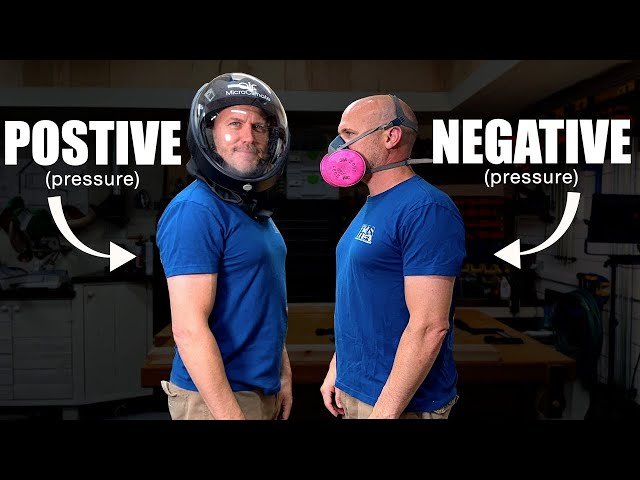
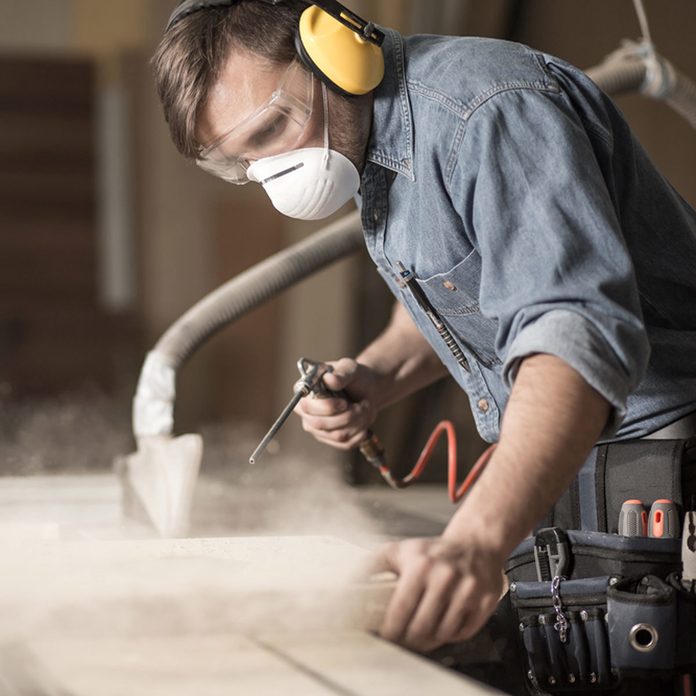
- Dust masks or respirators protect your lungs from harmful particles.
- Safety glasses shield your eyes from flying debris.
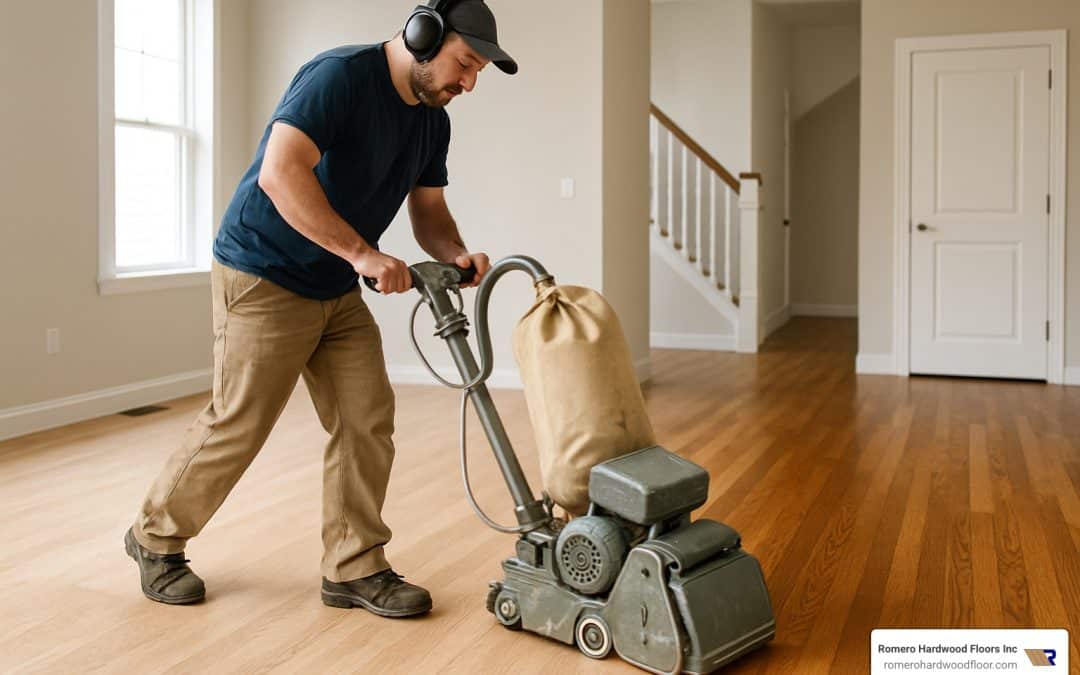
- Ear protection guards your hearing from loud sanding noise.
Materials And Their Benefits
Protective clothing is made from various materials. Each offers different benefits for sanding work.
- Cotton is breathable and comfortable but may not block fine dust well.
- Polyester resists dirt and dries quickly, good for dusty jobs.
- Tyvek is lightweight and blocks very fine particles effectively.
- Leather gloves protect against cuts but can be stiff.
- Foam or rubber gloves offer good grip and chemical resistance.
Sizing And Fit Considerations
Clothing must fit well to protect you properly during sanding. Poor fit can reduce safety.
Choose sizes that allow easy movement but are not loose. Loose clothes can catch on tools.
- Measure your body before buying protective clothing.
- Try clothes on to check comfort and range of motion.
- Check that gloves fit snugly but do not restrict fingers.
- Make sure masks seal well around your nose and mouth.
- Adjust straps or fasteners for a secure fit.
Preparing For Sanding
Wearing the right protective clothing helps keep you safe during sanding. It stops dust and debris from reaching your skin and clothes.
Before you start sanding, prepare your clothing carefully. This keeps you comfortable and protects you well.
Inspecting Clothing For Damage
Check your protective clothing for holes, tears, or worn spots. Damaged clothing will not protect you fully from dust and particles.
Look at seams and fasteners to make sure they are strong. Replace any clothing that is too old or damaged.
- Look for holes or rips in fabric
- Check seams and stitching
- Test zippers and buttons
- Replace worn-out items
Layering For Comfort And Safety
Wear layers to stay comfortable and safe. Layers can protect your skin and help you adjust to changing temperatures.
Start with a tight-fitting base layer to keep dust off your skin. Add a loose outer layer that you can remove if you get too warm.
- Base layer: tight and breathable
- Middle layer: adds protection and warmth
- Outer layer: loose and durable for dust protection
- Remove layers if you get hot or sweaty
Proper Techniques For Wearing Protective Clothing
Wearing protective clothing helps keep you safe during sanding projects. It blocks dust and debris from touching your skin.
Use the right methods to wear protective gear correctly. This stops hazards and keeps you comfortable.
Securing Sleeves And Cuffs
Make sure sleeves and cuffs fit snugly to stop dust from entering. Tighten cuffs with elastic bands or Velcro straps.
- Pull sleeves down fully over wrists
- Use adjustable closures to seal cuffs
- Check for gaps before starting work
- Wear long sleeves to cover your arms
Using Respirators And Masks
Respirators and masks protect your lungs from fine dust. Choose the right type for your sanding job.
| Mask Type | Best Use | Key Feature |
|---|---|---|
| N95 Mask | Light sanding | Filters 95% of particles |
| Half-face Respirator | Heavy sanding | Replaceable filters |
| Full-face Respirator | High dust levels | Eye protection included |
Protecting Hands With Gloves
Wear gloves to guard your hands from splinters and dust. Pick gloves that fit well and let you move your fingers.
- Use thick, durable gloves for rough surfaces
- Choose breathable gloves to avoid sweating
- Check gloves for holes before use
- Replace gloves if they get torn or dirty
Footwear Choices For Sanding
Wear closed shoes to protect feet from falling objects and dust. Avoid sandals or open shoes.
| Footwear Type | Protection Level | Comfort Tips |
|---|---|---|
| Leather Work Boots | High protection | Use cushioned insoles |
| Rubber Shoes | Good for wet areas | Ensure proper fit |
| Steel-toe Shoes | Protects toes | Break them in before work |
Credit: www.familyhandyman.com
Maintaining Protective Clothing
Protective clothing keeps you safe during sanding projects. Taking care of this gear helps it last longer. Proper maintenance keeps the clothing effective and clean.
Follow simple steps to clean and store your protective wear. Know when to replace old or damaged gear. This keeps you safe every time you work.
Cleaning And Storage Tips
After sanding, clean your protective clothing to remove dust and debris. Use mild soap and warm water for washing. Avoid harsh chemicals that can damage the fabric.
Dry the clothing fully before storing. Keep it in a cool, dry place away from sunlight. Proper storage prevents mold and material breakdown.
- Wash clothing after each use
- Use gentle detergents and avoid bleach
- Hang or lay flat to dry completely
- Store in a dry, dark, and ventilated area
- Avoid folding to prevent creases
When To Replace Gear
Check your protective clothing before each use. Replace gear if you find holes, tears, or worn areas. Old clothing may not protect you well.
Also, replace clothing if it smells bad or feels stiff. These signs show material breakdown. Use new gear to keep safe from sanding dust and particles.
- Replace if fabric is torn or worn thin
- Replace if seams are coming apart
- Replace if material is stiff or smells bad
- Replace if protective coatings wear off
- Replace after heavy exposure to chemicals
Additional Safety Measures
Wearing protective clothing is important for sanding projects. You also need extra safety steps to stay safe.
These measures help protect your eyes and keep the air clean. Always use them for better safety.
Eye Protection Options
Protect your eyes from dust and debris. Choose eye gear that fits well and blocks particles.
Safety goggles and glasses are good choices. They keep dust out and do not fog easily.
- Use safety goggles for a tight seal around your eyes
- Wear safety glasses with side shields for general use
- Choose anti-fog lenses to keep vision clear
- Replace damaged or scratched eye protection
Ventilation And Work Area Setup
Good airflow reduces dust in the air. Work in a well-ventilated space to breathe easier.
Set up your work area to control dust spread. Use fans or open windows to move air outside.
- Work outdoors or near open windows if possible
- Use a fan to blow dust away from your face
- Place a dust collection system or vacuum nearby
- Keep the area clean by wiping surfaces often

Credit: www.hilti.ca
Frequently Asked Questions
What Protective Clothing Is Essential For Sanding Projects?
Wear a dust mask, safety goggles, gloves, and a long-sleeve shirt. These items protect against dust, debris, and skin irritation during sanding. Proper clothing reduces health risks and improves comfort while working.
How Should I Properly Wear A Dust Mask For Sanding?
Ensure the dust mask fits snugly over your nose and mouth. Adjust straps for a secure seal. This prevents inhaling fine dust particles and protects your respiratory system effectively.
Can Regular Clothes Be Used For Sanding Projects?
No, regular clothes offer minimal protection against dust and debris. Use durable, long-sleeve workwear designed to resist dust penetration. This reduces skin exposure and avoids irritation or injury.
Why Are Gloves Important During Sanding Tasks?
Gloves protect your hands from splinters, abrasions, and chemical exposure. They also improve grip on sanding tools. Wearing gloves helps maintain hand safety and comfort throughout the project.
Conclusion
Wearing protective clothing keeps you safe during sanding projects. It blocks dust, debris, and harmful particles from your skin and lungs. Choose clothes that cover your arms and legs fully. Use gloves, masks, and goggles for extra safety. Always check your gear fits well and feels comfortable.
Staying protected helps you work longer and avoid injuries. Remember, safety gear is a must, not an option. Protect yourself every time you sand. Your health is worth the effort.