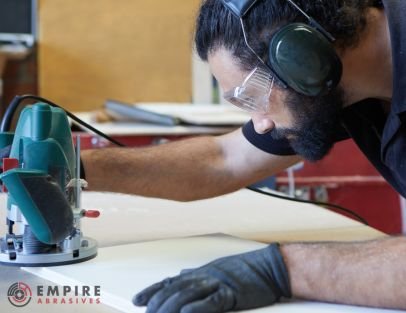
Woodworking is a rewarding and creative pursuit, but it comes with its own set of risks. As you plan your next project, you might be wondering how to keep yourself safe while working with tools and materials.
The answer lies in the right protective clothing. Imagine being able to focus solely on your craft, knowing you’re shielded from potential hazards. This guide will walk you through everything you need to know about wearing protective clothing for woodworking.
You’ll discover practical tips that not only enhance your safety but also boost your confidence, allowing you to fully immerse yourself in your woodworking projects. Keep reading to learn how to choose the right gear and use it effectively, so you can enjoy your craft without worry.
Credit: www.lumberjocks.com
Choosing The Right Protective Clothing
Protective clothing is important for woodworking safety. It helps stop injuries from dust and sharp tools.
Picking the right clothes keeps you safe and comfortable. It also lets you work well without limits.
Materials That Resist Wood Dust And Splinters
Choose fabrics that block wood dust and splinters. Tight weaves and thick materials work best.
Natural fibers like denim or canvas can protect your skin from splinters. Synthetic blends add dust resistance.
- Denim: thick and durable
- Canvas: strong and tight-woven
- Polyester blends: resist dust and dry fast
- Cordura: heavy-duty and tear-resistant
Proper Fit For Mobility And Safety
Clothing should fit well to allow easy movement. Loose clothes can catch on tools or machines.
Wear clothes that are snug but not tight. This helps protect you without slowing your work.
- Choose sleeves that cover your arms fully
- Avoid baggy pants or shirts
- Look for adjustable waistbands and cuffs
- Make sure clothing does not restrict bending or reaching
Durability And Comfort Considerations
Durable clothing lasts longer and saves money. Look for fabrics that resist tears and stains.
Comfort matters to keep you focused. Breathable fabrics and soft linings reduce irritation.
- Heavy-duty stitching prevents rips
- Breathable fabrics help cool your body
- Soft collars and cuffs prevent chafing
- Clothing with reinforced knees and elbows lasts longer
Essential Protective Gear For Woodworking
Woodworking can be dangerous without the right safety gear. Wearing protective clothing helps prevent injuries. It also keeps you comfortable while working.
This guide covers key protective gear every woodworker should use. Safety glasses, gloves, hearing protection, and dust masks keep you safe.
Safety Glasses And Face Shields
Eye protection is important to guard against flying wood chips and dust. Safety glasses protect your eyes from small debris. Face shields cover your entire face for extra protection.
Choose glasses with shatterproof lenses and side shields. Face shields work well for heavy cutting or grinding tasks. Always wear eye protection when using power tools.
Gloves Suitable For Wood Handling
Gloves protect your hands from splinters and cuts. Look for gloves made from durable materials like leather or thick fabric. They should fit well but allow good movement.
Avoid loose gloves near rotating tools to prevent accidents. Use gloves when handling rough wood or sharp tools. Change gloves if they become wet or damaged.
Hearing Protection Options
Woodworking machines can be very loud. Protect your ears with hearing protection to avoid hearing loss. You can use earplugs or earmuffs depending on comfort.
Earplugs are small and fit inside your ear canal. Earmuffs cover your ears and block noise outside. Choose hearing protectors with a good noise reduction rating.
- Use earplugs for comfort during long tasks
- Choose earmuffs for quick protection
- Replace hearing protection regularly
Dust Masks And Respirators
Wood dust can harm your lungs and cause allergies. Dust masks help reduce breathing in harmful dust particles. Respirators offer higher protection for fine dust and chemicals.
Use a mask that fits snugly over your nose and mouth. Replace masks if they become dirty or hard to breathe through. Always wear dust protection in dusty woodworking areas.
Dressing For Different Woodworking Tasks
Wearing the right clothes keeps you safe and comfortable while woodworking. Different tasks need different types of clothing.
Choosing the right outfit helps protect you from dust, cuts, and other hazards. It also makes your work easier.
Clothing For Power Tool Use
Power tools can be dangerous if your clothes get caught. Wear tight-fitting clothes to avoid accidents.
Long sleeves and pants protect your skin from flying debris. Avoid loose or flowing fabrics near saws and drills.
- Wear fitted shirts and pants
- Use protective gloves and eye protection
- Avoid jewelry and loose accessories
- Choose sturdy, closed-toe shoes
Attire For Hand Tool Work
Hand tools are safer but still need care in your clothing choice. Comfort and protection are important.
Wear cotton or denim clothes that allow easy movement. Use gloves to protect hands from splinters and cuts.
- Choose breathable, durable fabrics
- Wear gloves for grip and safety
- Avoid loose sleeves that can catch
- Use sturdy shoes for foot protection
Layering For Temperature And Safety
Woodworking shops can be cold or warm. Layer your clothing to stay comfortable and safe.
Start with a base layer that fits well. Add a middle layer for warmth and an outer layer for protection.
- Base layer: moisture-wicking shirt
- Middle layer: fleece or sweatshirt
- Outer layer: durable work jacket
- Remove layers if you get too warm

Credit: www.iamalive.app
Maintaining And Caring For Protective Clothing
Protective clothing keeps you safe while woodworking. Proper care helps it last longer. Clean and inspect your gear regularly. This keeps it effective and comfortable.
Follow simple steps to maintain your clothing. Avoid damage and replace gear when needed. This guide covers key care tips for woodworking safety wear.
Cleaning To Remove Dust And Debris
Wood dust and debris can reduce the effectiveness of protective clothing. Clean your gear after each use. Use a soft brush or vacuum to remove loose particles.
- Shake off dust outdoors before bringing clothing inside
- Wash clothing according to label instructions
- Use mild detergent to avoid fabric damage
- Dry clothes fully to prevent mold and odors
- Clean helmets and face shields with a damp cloth
Inspecting For Wear And Damage
Check protective clothing often for signs of wear. Look for holes, tears, or thinning fabric. Make sure zippers and buttons work well. Inspect straps and elastic for strength.
| Type of Damage | What to Check | Action |
| Fabric tears | Holes, rips, thinning areas | Repair or replace |
| Fasteners | Zippers, snaps, Velcro | Test for function |
| Straps and elastic | Stretch, breakage, wear | Replace if weak |
| Protective coating | Worn or peeling surface | Consider replacement |
Replacing Worn-out Gear
Do not use damaged protective clothing. Replace gear that cannot be fixed. Worn-out clothing reduces safety and comfort. Keep a schedule to review your gear condition.
- Set reminders to inspect your clothing every month
- Replace gloves and masks every few months or if damaged
- Buy new gear that meets safety standards
- Store old gear separately to avoid confusion
- Dispose of old clothing safely to prevent accidents
Additional Safety Tips While Wearing Protective Clothing
Wearing protective clothing is essential for woodworking safety. It helps prevent injuries from tools and materials.
To stay safe, follow extra tips that reduce risks while working in the workshop.
Avoiding Loose Clothing Hazards
Loose clothing can catch on machines or tools. This can cause serious accidents in the workshop.
- Wear fitted shirts and pants to prevent snags.
- Roll up long sleeves or use tight cuffs.
- Avoid scarves, ties, or jewelry that dangle.
- Check your clothing before starting work.
Securing Hair And Accessories
Long hair and loose accessories can get caught in machines. Keep hair tied back and remove all loose items.
| Hair and Accessories | Safety Tips |
| Long hair | Tie back with a band or wear a cap |
| Necklaces | Remove before working |
| Bracelets and rings | Take off to avoid snagging |
| Loose hats | Choose snug-fitting headwear |
Proper Footwear For Workshop Safety
Good footwear protects your feet from falling objects and sharp tools. Choose sturdy, closed-toe shoes for the workshop.
- Wear shoes with non-slip soles.
- Choose boots or shoes with steel toes if possible.
- Avoid sandals or open shoes.
- Keep shoes clean to prevent slips.

Credit: maltadynamics.com
Frequently Asked Questions
What Protective Clothing Is Essential For Woodworking?
Essential protective clothing includes safety goggles, dust masks, gloves, and long-sleeve shirts. These prevent injuries from wood chips, dust, and sharp tools. Proper footwear and ear protection also enhance safety during woodworking tasks.
How Should I Wear Gloves For Woodworking Safety?
Wear snug-fitting gloves that allow dexterity and grip. Avoid loose gloves, as they can catch in power tools. Use cut-resistant gloves for handling sharp objects to protect your hands effectively.
Why Is Wearing A Dust Mask Important In Woodworking?
A dust mask prevents inhaling harmful wood dust, which can cause respiratory issues. It filters out fine particles, ensuring cleaner air and protecting your lungs during sanding, cutting, or sanding wood.
Can Protective Clothing Improve Woodworking Efficiency?
Yes, protective clothing boosts confidence and comfort, reducing injury risks. When safe, you work faster and focus better on tasks, improving overall woodworking efficiency and quality.
Conclusion
Wearing protective clothing keeps you safe while woodworking. It helps stop cuts, dust, and splinters. Choose clothes that fit well and cover your body. Always wear gloves, goggles, and a mask for extra safety. Remember, safety gear protects your skin, eyes, and lungs.
Stay comfortable but never skip protection. Woodworking is fun, but safety comes first. Protect yourself every time you work with wood. Stay safe and enjoy your craft with the right gear.