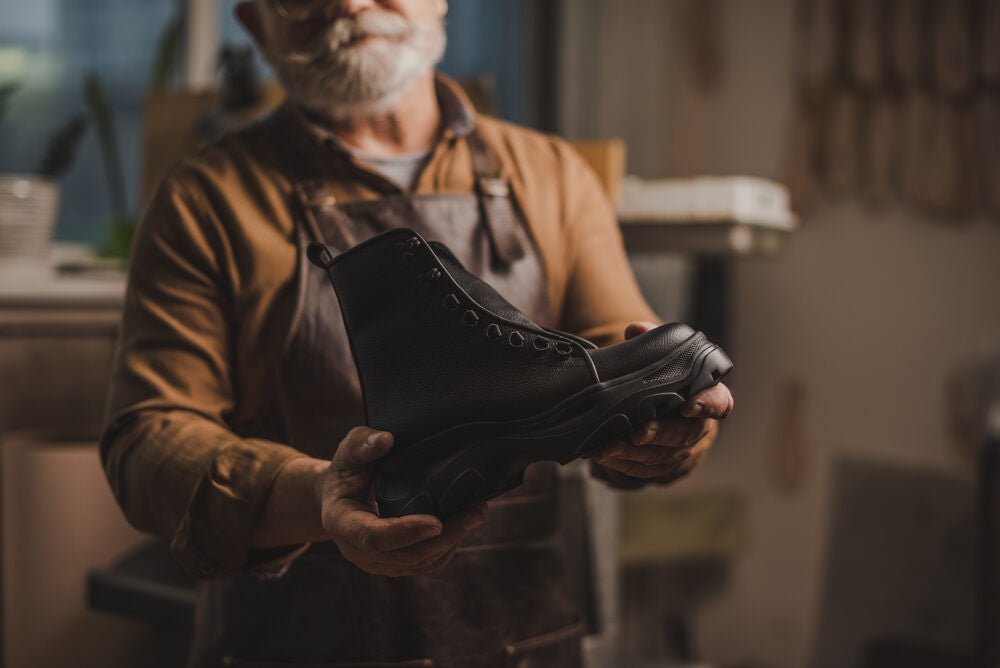
When you step onto a construction site, your safety boots are more than just footwear—they are your first line of defense. But are you wearing them the right way to get the full protection and comfort you need?
How you wear your safety boots can make a big difference in preventing injuries and keeping you comfortable during long, tough shifts. You’ll discover simple yet effective tips to wear your safety boots correctly, so you stay safe and focused on the job.
Keep reading, because your feet—and your future—depend on it.
Choosing The Right Safety Boots
Wearing safety boots is important for construction work. The right boots protect your feet from injuries and keep you comfortable all day.
Choosing safety boots means looking at different features. Focus on material, safety standards, and fit to find the best pair for your job.
Material And Durability
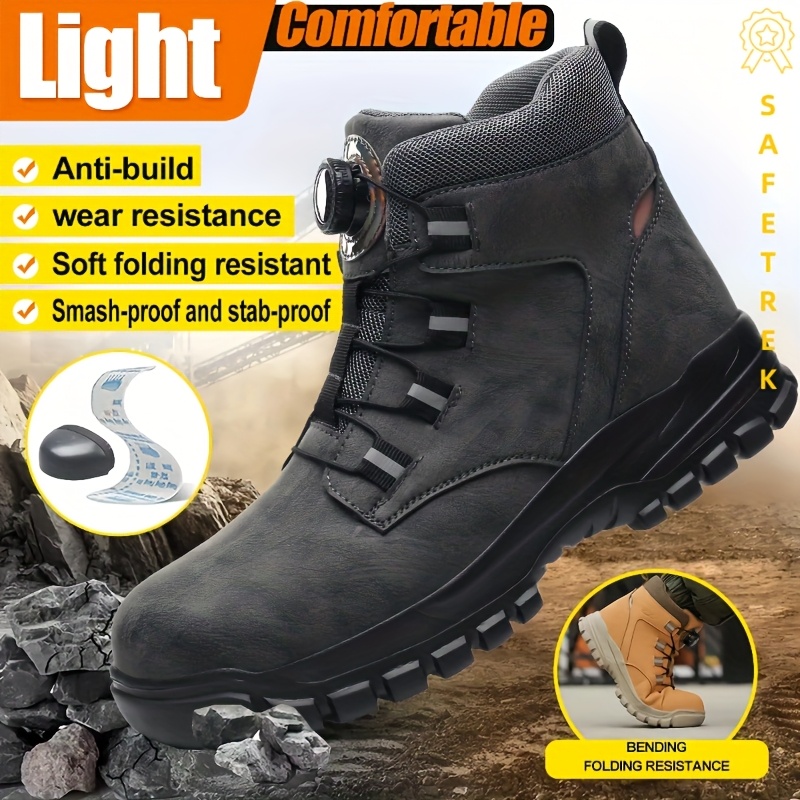
Safety boots need strong materials to last long on the job site. Leather is popular because it is tough and water-resistant. Some boots use synthetic fabrics that are lighter but still strong.
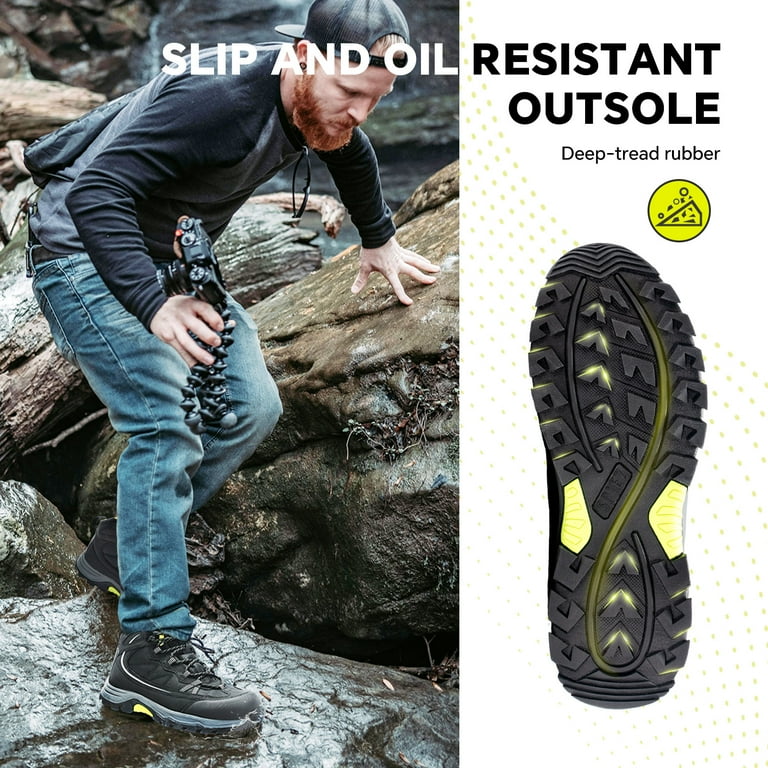
Look for boots with tough soles that resist wear and tear. Rubber and polyurethane soles give good grip and last longer. Durable stitching and reinforced toes add extra protection.
- Leather offers strong protection and water resistance
- Synthetic materials are lighter and dry quickly
- Rubber soles provide good grip on slippery surfaces
- Reinforced toes protect against heavy falling objects
Safety Standards To Look For
Safety boots must meet certain rules to keep your feet safe. Check for boots that follow local or international safety standards. These rules test boots for impact resistance and sole strength.
Common standards include ASTM, ANSI, and EN ISO. Boots with these marks have passed tests for protecting against sharp objects and electrical hazards.
- ASTM F2413 tests impact and compression resistance
- ANSI classifies boots by toe protection and sole type
- EN ISO 20345 is a European safety boot standard
- Look for electrical hazard protection if needed
Proper Fit And Sizing Tips
Boots must fit well to protect your feet and keep you comfortable. Try boots on with the socks you wear at work. Check there is enough room to wiggle your toes.
Walk around to feel the fit. Boots should hold your heel tight but not pinch. Measure both feet before buying, as one foot can be larger than the other.
- Wear work socks when trying boots
- Leave about half an inch space at the toe
- Boots should fit snugly around the heel
- Choose the size that fits your larger foot
Credit: www.walmart.com
Preparing Your Feet For Long Hours
Working long hours on construction sites can strain your feet. Proper preparation helps keep them comfortable and healthy. You need to focus on socks, hygiene, and support inside your boots.
Wearing the right gear and caring for your feet prevent pain and injuries. Let’s look at key steps to prepare your feet for extended wear of safety boots.
Selecting Appropriate Socks
Choosing the right socks protects your feet from blisters and sweat. Socks act as a cushion and keep feet dry during long work hours.
- Pick socks made from moisture-wicking materials like wool or synthetic blends.
- Avoid cotton socks as they hold moisture and increase friction.
- Choose socks with extra padding on heels and toes for better comfort.
- Make sure socks fit well without bunching up inside your boots.
- Consider double-layer socks to reduce skin irritation.
Foot Hygiene Practices
Clean feet reduce the risk of infections and odor. Good hygiene keeps your skin healthy under heavy boots.
| Hygiene Step | Details |
| Daily washing | Use warm water and mild soap to clean feet every day. |
| Drying | Dry feet completely, especially between toes, to prevent fungus. |
| Moisturizing | Apply lotion to prevent dry, cracked skin but avoid areas between toes. |
| Nail care | Trim nails straight and keep them clean to avoid ingrown nails. |
| Boot airing | Remove insoles and air out boots daily to reduce moisture. |
Using Insoles For Extra Support
Insoles add comfort and support to your safety boots. They reduce foot fatigue and improve posture on hard surfaces.
- Choose insoles with good arch support to match your foot shape.
- Look for cushioning materials like gel or foam to absorb shock.
- Replace worn-out insoles regularly to maintain support.
- Use insoles designed to reduce pressure on heels and balls of feet.
- Test different insoles to find the best fit for your boots.
Proper Techniques To Wear Safety Boots
Wearing safety boots correctly is key for comfort and protection. Using the right techniques helps reduce foot pain and injury.
Follow the steps below to make sure your boots fit well and support you during construction work.
Lacing Methods For Comfort And Support
Proper lacing keeps your boots tight but comfortable. It prevents slipping and gives good ankle support.
- Use the crisscross lacing to evenly spread pressure.
- Try the ladder lacing for extra ankle stability.
- Skip eyelets near sore spots to reduce pressure.
- Keep laces snug but not too tight to allow movement.
- Re-tie laces during breaks to maintain support.
Breaking In New Boots
New boots can feel stiff and cause blisters. Breaking them in makes them softer and better shaped to your feet.
| Tip | Why It Helps |
| Wear boots short times first | Prevents blisters and discomfort |
| Use thick socks | Adds cushioning and reduces friction |
| Walk on different surfaces | Softens soles and shapes boots |
| Apply leather conditioner | Keeps leather flexible |
| Adjust laces often | Finds the best fit as boots soften |
Adjusting For Different Weather Conditions
Weather changes affect how your boots feel. Adjust your boots to stay dry and comfortable.
- In cold weather, wear thicker socks for warmth.
- In hot weather, use moisture-wicking socks to keep feet dry.
- Use waterproof sprays to protect boots from rain.
- Remove insoles to increase airflow on hot days.
- Dry boots away from direct heat to avoid damage.
Credit: www.temu.com
Maintaining Safety Boots For Longevity
Safety boots protect your feet in tough work conditions. Keeping them clean and well-maintained helps them last longer. Proper care ensures they stay strong and safe.
Follow simple steps to clean, inspect, and store your boots. This will keep them in good shape for every workday.
Cleaning And Drying Tips
Remove dirt and mud from your boots after each use. Use a soft brush or damp cloth. Avoid harsh chemicals that can damage the material.
- Clean the soles and seams carefully
- Wipe the leather or fabric with a damp cloth
- Use mild soap if needed, then rinse with water
- Dry boots naturally at room temperature
- Do not place boots near direct heat sources
Regular Inspections And Repairs
Check your boots often for signs of wear and damage. Look for cracks, loose stitching, or worn soles. Early repairs prevent bigger problems.
| Inspection Area | Signs to Watch For | Action Needed |
| Soles | Worn tread or holes | Replace or repair sole |
| Seams | Loose or broken stitching | Have stitching fixed |
| Leather | Cracks or dryness | Apply conditioner or repair |
| Laces and Eyelets | Broken laces or eyelets | Replace laces or fix eyelets |
Storage Recommendations
Store your safety boots in a cool, dry place. Avoid damp areas that cause mold or mildew. Keep them away from direct sunlight to stop fading.
- Use boot trees or stuff boots with paper to keep shape
- Keep boots upright to prevent creasing
- Do not store boots in sealed plastic bags
- Allow boots to air out before storing after use
Common Mistakes To Avoid
Wearing safety boots correctly is very important for construction work. Many workers make simple mistakes that can cause pain or injury. Avoid these common errors to keep your feet safe and comfortable.
Understanding the right way to wear safety boots helps you stay protected all day. Learn about mistakes to avoid and how to fix them.
Wearing Ill-fitting Boots
Wearing boots that do not fit well is a common mistake. Boots that are too tight can cause blisters and restrict blood flow. Boots that are too loose may cause slipping and reduce protection.
Always choose boots that fit your feet comfortably. Try on boots with the socks you wear to work. Make sure there is enough space for your toes and the heel does not slip.
- Measure your feet before buying boots
- Wear the same socks used on the job
- Check for tightness or loose areas
- Walk around to test comfort
Ignoring Foot Discomfort
Ignoring pain or discomfort can lead to serious foot problems. If your boots hurt your feet, do not keep wearing them. Pain signals that boots may not fit or support your feet well.
Pay attention to any soreness, numbness, or pressure. Changing your boots or adding insoles can help reduce discomfort. Always listen to your feet to avoid injuries.
- Stop using boots if you feel pain
- Check boots for proper support and fit
- Use cushioned insoles for extra comfort
- Consult a professional if pain continues
Neglecting Boot Maintenance
Failing to care for your safety boots shortens their life and reduces protection. Dirt, water, and wear can damage boots over time. This makes them unsafe and uncomfortable.
Clean your boots regularly and dry them properly. Check for worn soles or broken parts. Replace boots if they show signs of damage or wear.
- Remove dirt and mud after each use
- Dry boots away from direct heat
- Apply waterproofing treatments if needed
- Inspect boots for damage often
- Replace boots that no longer protect well
Credit: www.webstaurantstore.com
Enhancing Comfort With Accessories
Safety boots protect your feet on construction sites. Wearing them with the right accessories adds comfort. These accessories reduce pain and keep feet dry.
Using small items inside your boots can make long workdays easier. Below are ways to improve comfort with pads, liners, and inserts.
Using Gel Pads And Cushions
Gel pads reduce pressure on feet. They fit inside boots under the foot. Cushions protect heels and arches from hard surfaces. These accessories help prevent blisters and soreness.
- Place gel pads under the ball of the foot.
- Use heel cushions to absorb shock.
- Replace pads regularly to keep them effective.
- Choose gel pads that fit your boot size.
Choosing Breathable Liners
Breathable liners keep feet dry by letting air flow. They reduce sweat and stop bad odors. Good liners can prevent fungal infections and skin irritation.
| Material | Breathability | Durability |
| Cotton | High | Medium |
| Wool | Medium | High |
| Synthetic Mesh | High | High |
Orthotic Inserts For Specific Needs
Orthotic inserts help if you have foot problems. They support arches and correct foot position. Custom inserts can reduce pain and improve walking posture.
Tips for using orthotic inserts:
- Get a foot assessment from a specialist.
- Choose inserts that fit your boots well.
- Break in new inserts slowly to avoid discomfort.
- Replace inserts when they lose support.
Frequently Asked Questions
How Do I Choose The Right Safety Boots For Construction?
Select boots with steel toe protection, slip-resistant soles, and durable materials. Ensure proper fit and comfort for long work hours.
Can I Wear Safety Boots Without Socks On Construction Sites?
It is not recommended. Wearing socks prevents blisters, absorbs sweat, and provides extra comfort inside the boots.
How Should Safety Boots Fit For Construction Work?
Safety boots should fit snugly but allow toe movement. Avoid boots that are too tight or loose to prevent injuries.
How Often Should I Replace My Construction Safety Boots?
Replace boots every 6-12 months or when soles wear out. Regularly inspect for damage to maintain foot safety.
Conclusion
Wearing safety boots is crucial for construction workers. They protect your feet from injuries. Choose boots that fit well and feel comfortable. Make sure they meet safety standards. Tie the laces securely to avoid accidents. Keep them clean and inspect them regularly for damage.
Replace worn-out boots promptly. Your safety depends on it. Proper footwear ensures you work safely and efficiently. Remember, investing in good boots is investing in your health. Stay safe on the construction site with the right safety boots. Your feet will thank you.