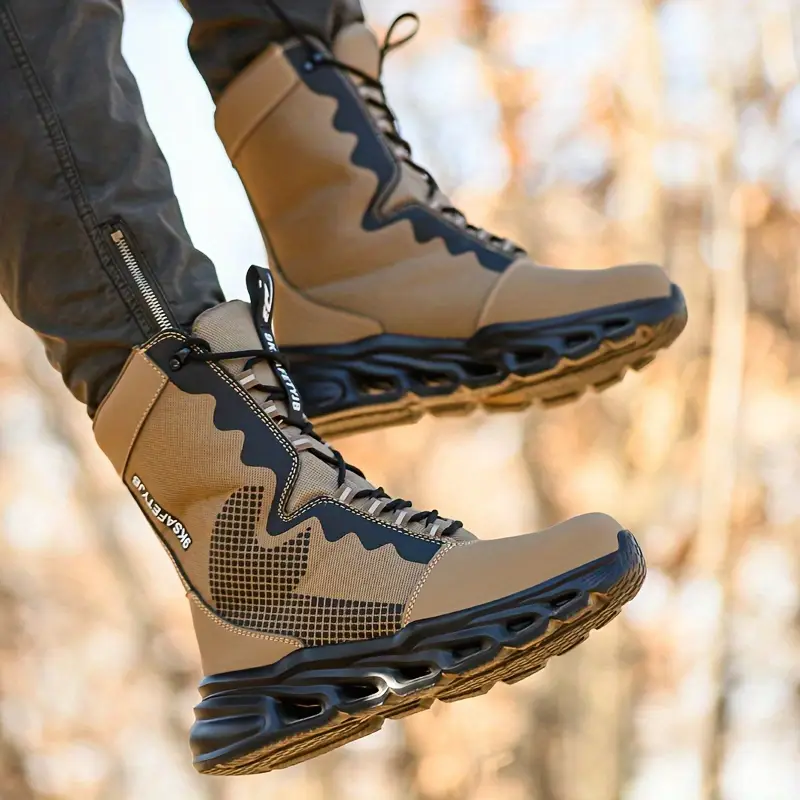
If you’re working on outdoor projects, safety boots are your best friend. But wearing them the right way can make all the difference between comfort and pain, protection and injury.
You might think slipping them on is enough, but there’s more to it. How you wear your safety boots affects your performance, your safety, and even how long they last. Keep reading, and you’ll discover simple tips that help you get the most out of your boots every time you step outside.
Don’t risk discomfort or accidents—learn how to wear your safety boots the right way.
Choosing The Right Safety Boots
Safety boots protect your feet during outdoor projects. Choosing the right pair helps you stay safe and comfortable.
Consider materials, fit, and safety features before buying boots. These factors affect durability and protection.
Materials And Durability
Good safety boots use strong materials. Leather is common for toughness and water resistance. Rubber boots suit wet conditions well.
- Leather: durable, water-resistant, and breathable
- Rubber: waterproof and easy to clean
- Composite materials: lightweight and strong
- Steel toe caps: protect against heavy impacts
Proper Fit And Sizing
Fit is key for comfort and safety. Boots that are too tight cause pain. Loose boots increase the risk of slipping.
| Fit Aspect | What to Check |
| Length | Enough toe room with thick socks |
| Width | Boots should not pinch sides of feet |
| Heel | Should hold firmly without slipping |
| Arch Support | Comfortable for long wear |
Safety Features To Consider
Choose boots with safety features that match your work environment. Look for protection and slip resistance.
- Steel or composite toe caps for impact protection
- Slip-resistant soles for wet or oily surfaces
- Puncture-resistant midsoles to prevent nail injuries
- Waterproof lining to keep feet dry
- Insulation for cold weather projects
Preparing Your Feet
Wearing safety boots outdoors can protect your feet from injuries. Proper foot care helps you stay comfortable and safe all day.
Before putting on your boots, prepare your feet carefully. This prevents blisters, odors, and discomfort during your project work.
Selecting The Right Socks
Choose socks that fit well and match your boots. Thick or cushioned socks add comfort and reduce pressure points.
- Pick socks made from wool or synthetic fibers for warmth and breathability.
- Avoid cotton socks since they hold moisture and cause blisters.
- Use crew or knee-high socks to protect your ankles and lower legs.
- Change socks daily or more often if they get wet.
Foot Hygiene Tips
Clean feet prevent infections and keep your skin healthy. Wash your feet every day with soap and warm water.
Dry your feet well, especially between the toes. Use a soft towel to avoid skin damage.
| Hygiene Practice | Reason |
| Daily washing | Removes dirt and bacteria |
| Thorough drying | Prevents fungal infections |
| Moisturizing | Keeps skin soft and prevents cracks |
| Toenail care | Avoids ingrown nails and injuries |
Managing Moisture And Odor
Moisture inside boots causes discomfort and bad smells. Use products that help control sweat and odor.
- Wear moisture-wicking socks to keep feet dry.
- Use foot powders or antiperspirants designed for feet.
- Let boots air out after use to reduce moisture buildup.
- Consider using boot dryers or inserts to absorb sweat.
Breaking In Your Boots
Wearing safety boots for outdoor projects can be uncomfortable at first. Breaking them in makes them fit better and feel more comfortable. It protects your feet during long work hours.
This guide covers easy ways to break in your boots. Follow these tips to avoid blisters and sore feet.
Gradual Wear Techniques
Wear your new boots for short times at first. Slowly increase how long you wear them each day. This helps the leather and soles soften without hurting your feet.
- Start by wearing boots for 1 hour indoors.
- Add 1 more hour each day if you feel no pain.
- Wear thick socks to protect your feet.
- Use the boots for light tasks before tough work.
- Stop if you notice blisters or hot spots.
Using Boot Stretchers
Boot stretchers help make tight boots roomier. They gently widen the leather to fit your feet better. This tool can save time and reduce discomfort.
| Boot Stretcher Type | Use | Benefits |
| Wooden Stretcher | Insert into boot and turn handle | Widens boots evenly and lasts long |
| Plastic Stretcher | Adjusts to shape of foot | Lightweight and easy to use |
| Spray and Stretcher | Use stretching spray then insert stretcher | Softens leather and expands boot |
Dealing With Initial Discomfort
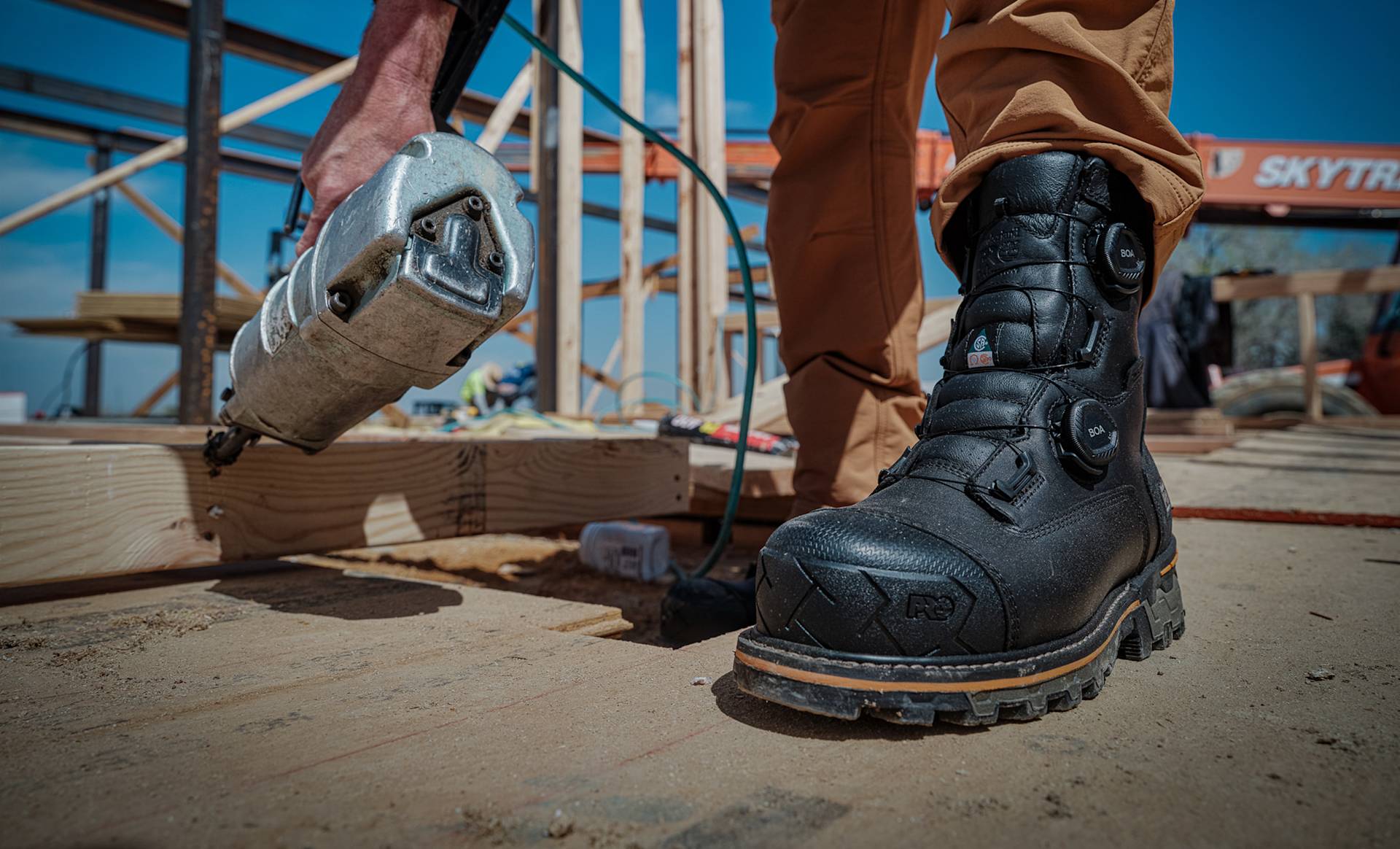
New boots may cause pressure points or blisters. Treat these early to avoid pain. Use simple remedies to ease discomfort as you break in your boots.
- Wear thick or double socks to cushion your feet.
- Apply moleskin or blister pads on sore areas.
- Use leather conditioner to soften stiff parts.
- Take breaks and remove boots if pain is strong.
- Keep feet dry and clean to prevent irritation.
Credit: www.timberland.com
Lacing Techniques For Comfort
Wearing safety boots correctly keeps your feet safe and comfortable. Lacing plays a big role in this. Good lacing stops your feet from slipping and reduces pressure points.
Try different lacing styles to find what fits your foot best. This guide covers common lacing methods to improve comfort during outdoor projects.
Standard Lacing Methods
The most common lacing style is criss-cross lacing. It holds your foot firmly and is easy to adjust. Another option is straight bar lacing, which creates less pressure on top of the foot.
- Criss-cross lacing: Cross the laces over each other through eyelets.
- Straight bar lacing: Run laces straight across for a neat look and comfort.
- Over-under lacing: Mix of over and under to reduce lace friction.
Pressure-relief Lacing
Pressure-relief lacing helps if you feel pinching or tight spots. Skipping an eyelet or loosening certain sections can ease pressure. This method is good for sensitive feet or swelling.
| Technique | Benefit |
| Skip Eyelets | Reduces tightness on top of foot |
| Loosen Mid-Lace | Relieves pressure in the middle of the foot |
| Use Lock Lacing | Keeps heel secure without extra tightness |
Adjusting For Different Activities
Different outdoor tasks need different lacing tensions. Walking needs even support. Climbing or heavy lifting needs tight heel hold. Running or quick moves need flexible lacing.
- Tighten laces near the ankle for more support.
- Loosen laces at the toes for better comfort.
- Use locking knots to keep laces from loosening.
- Adjust lacing after breaks to keep comfort all day.
Maintaining Boot Comfort During Projects
Wearing safety boots for outdoor projects can be tough on your feet. Keeping your boots comfortable helps you work better and avoid pain.
Here are some ways to keep your boots comfortable while working outside.
Insoles And Inserts
Adding insoles or inserts can make your boots softer and support your feet. They reduce pressure and help prevent soreness.
Look for insoles that fit your boots well. Some offer extra cushioning, while others give arch support.
- Gel insoles absorb shock
- Foam inserts add softness
- Arch supports improve foot alignment
- Replace worn insoles regularly
Taking Breaks And Foot Exercises
Taking short breaks helps your feet rest and recover. Remove your boots during breaks to let your feet breathe.
Simple foot exercises keep blood flowing and reduce stiffness. Stretch your toes and rotate your ankles often.
- Lift toes up and down
- Rotate ankles clockwise and counterclockwise
- Stretch calves by leaning against a wall
- Walk barefoot on soft ground if safe
Weather Adaptations
Weather changes affect how your boots feel. Adjust what you wear inside your boots based on the weather.
Use moisture-wicking socks in hot weather to keep feet dry. In cold weather, wear thick or insulated socks to stay warm.
- Use waterproof boots in rain or snow
- Wear breathable socks in summer
- Try wool socks for cold days
- Dry boots and socks after work
Credit: www.atlasschuhe.de
Caring For Your Safety Boots
Safety boots protect your feet during outdoor projects. Taking care of them keeps them strong and comfortable.
Regular cleaning and proper storage help your boots last longer. You also need to know when to replace them.
Cleaning And Conditioning
Clean your boots after every use. Remove dirt with a soft brush or cloth. Use warm water and mild soap for tough stains.
After cleaning, let your boots dry naturally. Avoid direct heat sources that can damage the material.
Apply a conditioner or boot oil to keep the leather soft and prevent cracks. Conditioning also adds water resistance.
Storage Tips
- Store boots in a cool, dry place away from sunlight.
- Keep them upright using boot trees or stuff with paper.
- Avoid damp areas to prevent mold and odor.
- Do not store boots near heat sources.
- Clean and dry boots before storing.
When To Replace Your Boots
| Sign | Reason to Replace |
| Worn out soles | Less grip and protection |
| Cracked or torn leather | Water can enter and damage feet |
| Broken eyelets or laces | Boots lose fit and support |
| Damaged safety toe | Reduced impact protection |
| Persistent odor or mold | Health risks and discomfort |
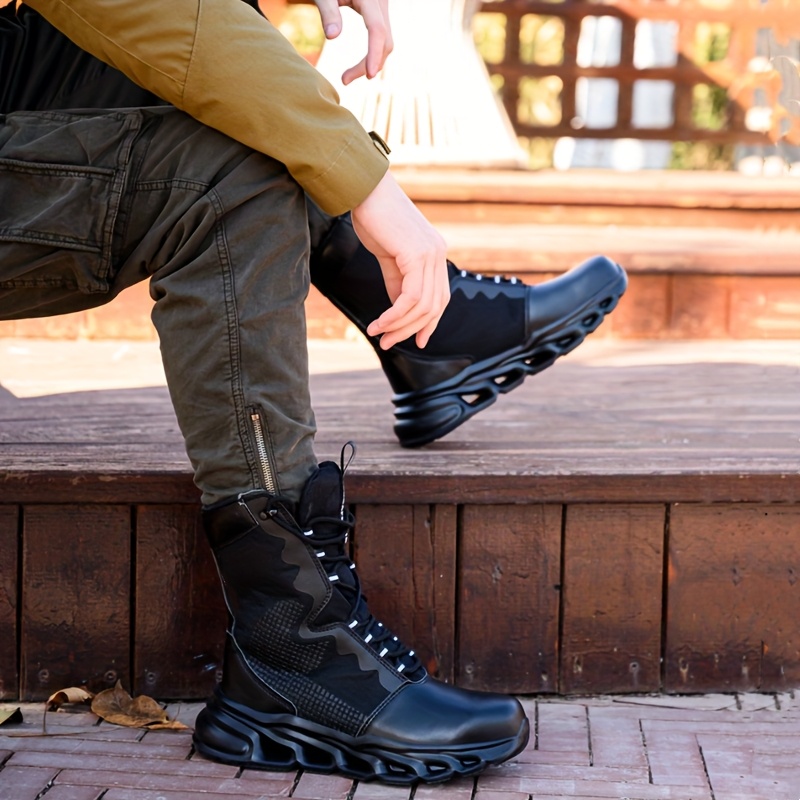
Credit: www.temu.com
Frequently Asked Questions
What Are Safety Boots Used For?
Safety boots protect your feet during outdoor projects. They prevent injuries from sharp objects, heavy impacts, and slippery surfaces. Wearing them reduces the risk of accidents and enhances comfort, allowing you to focus on your tasks.
How Do I Choose The Right Safety Boots?
Choose boots with the correct size and fit for comfort. Look for features like steel toes and slip-resistant soles. Consider the environment and project type to ensure adequate protection. Always check for durability and material quality.
Can Safety Boots Be Worn All Day?
Yes, safety boots are designed for extended wear. They provide comfort and protection for long hours. Opt for boots with cushioning and breathable materials for enhanced comfort. Ensure they fit well to avoid discomfort or blisters during prolonged use.
Are Safety Boots Waterproof?
Many safety boots offer waterproof features. Waterproof boots keep your feet dry in wet conditions. Check the product description for waterproof materials. Proper care and maintenance can also enhance water resistance.
Conclusion
Wearing safety boots protects your feet during outdoor work. Choose boots that fit well and feel comfortable all day. Keep them clean and check for damage before each use. Lace them up tight to avoid slips or injuries. Good boots support your feet and help you work safely.
Remember, safety boots are a smart choice for every outdoor project. Stay safe and work with confidence.