Imagine stepping onto a construction site or into a warehouse, feeling confident and secure. The secret?
It’s all in how you wear your safety boots with ankle support. You might think that slipping on a pair of boots is straightforward, but there’s more to it than meets the eye. Ensuring your safety boots are worn correctly can make a significant difference in your comfort and protection throughout the day.
Are you tired of dealing with sore feet or ankle pain after a long shift? Or perhaps you’re unsure if you’re getting the maximum benefit from your boots? Understanding the right way to wear them can transform your daily experience. Dive into this article to uncover simple yet effective tips that promise to keep you safe and comfortable, no matter where your work takes you. Your feet deserve the best, and so do you. Let’s ensure you’re stepping out with the right support!

Credit: www.overlookboots.com
Choosing The Right Safety Boots
Safety boots protect your feet from injuries at work. Picking the right pair keeps you comfortable and safe all day.
Look closely at materials, ankle support, and fit to find the best boots for your needs.
Materials And Durability
Choose boots made from strong materials like leather or reinforced fabric. These last longer and resist wear.
- Leather offers good protection and is water-resistant.
- Rubber soles prevent slipping on wet surfaces.
- Steel toe caps protect toes from heavy objects.
- Waterproof linings keep feet dry.
Ankle Support Features
Good ankle support reduces the risk of sprains and injuries. Look for boots with padded collars and firm heel counters.
| Feature | Benefit |
| Padded Collar | Comfort and cushioning around the ankle |
| Firm Heel Counter | Stabilizes the heel and prevents rolling |
| High Cut Design | Offers extra ankle protection |
| Adjustable Laces | Custom fit for better support |
Sizing And Fit Tips
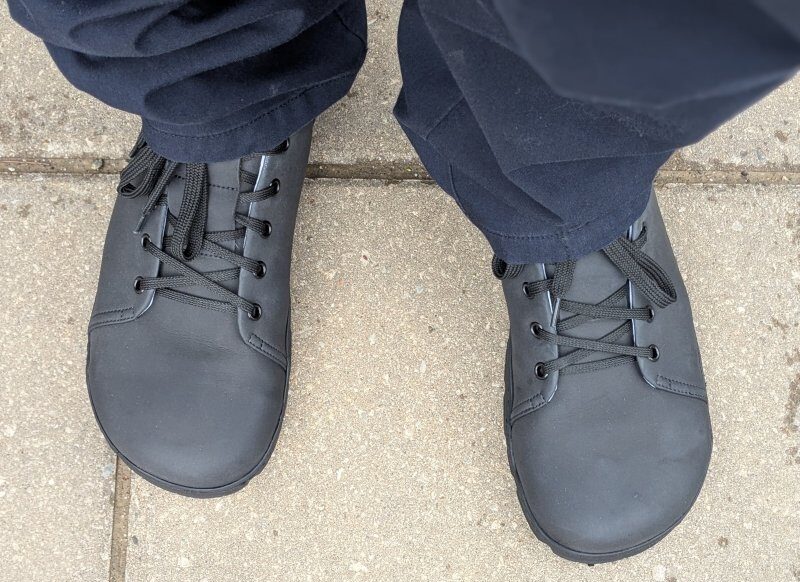
Proper fit keeps your feet safe and comfortable. Try boots with thick socks to get the right size.
- Measure your foot length and width before buying.
- Leave about half an inch of space at the toe.
- Make sure the boot grips your heel firmly.
- Walk around to check for pressure points or slipping.
Credit: anyasreviews.com
Preparing Your Feet
Wearing safety boots with ankle support requires proper foot preparation. Taking care of your feet helps you stay comfortable and prevents injuries.
Start by paying attention to your socks and foot care. These small steps improve the fit and feel of your boots all day long.
Selecting Appropriate Socks
Choosing the right socks is important for comfort and protection. The right socks reduce friction and keep your feet dry.
- Use thick, cushioned socks to protect your feet from pressure.
- Choose moisture-wicking materials like wool or synthetic blends.
- Avoid cotton socks as they hold sweat and cause blisters.
- Pick socks that cover your ankles to support the boot’s padding.
- Change socks daily to maintain foot hygiene.
Foot Care For Comfort
Healthy feet make wearing safety boots easier. Proper foot care reduces pain and keeps your feet strong.
| Foot Care Tip | How It Helps |
| Clean your feet daily | Prevents infections and odor |
| Trim toenails straight | Stops ingrown nails and discomfort |
| Apply moisturizer | Keeps skin soft and prevents cracks |
| Check for blisters or cuts | Fix problems before wearing boots |
| Stretch your feet | Improves blood flow and reduces stiffness |
Properly Wearing Safety Boots
Wearing safety boots with ankle support helps protect your feet and ankles. Proper fit and lacing improve safety and comfort at work.
Learn how to lace and adjust your boots for the best support and stability.
Lacing Techniques For Support
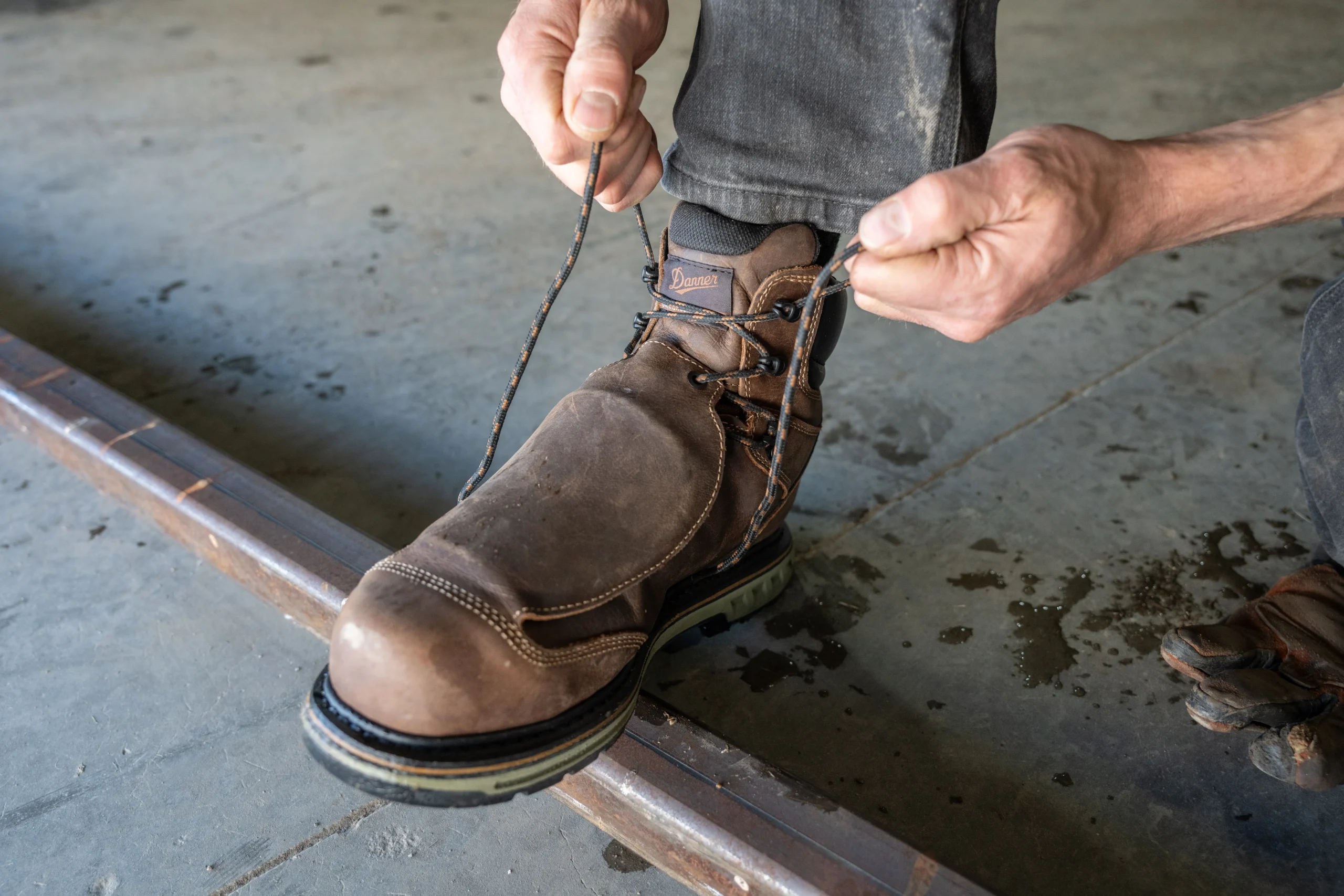
Correct lacing keeps your boots tight around your ankle. It reduces the chance of injury and improves balance.
- Start by pulling the laces evenly through the bottom eyelets.
- Cross the laces and thread them through the eyelets up to the ankle.
- Use a locking technique at the ankle to keep the laces from loosening.
- Tie a secure knot or bow at the top.
- Check that the laces hold the ankle firmly but do not cut off circulation.
Adjusting For Comfort And Stability
Adjust your boots to balance comfort and strong support. Too tight can hurt, too loose can cause slips.
| Adjustment Area | What to Check | Tip |
| Toe Box | Enough space for toes | Should wiggle slightly |
| Arch | Boot supports the arch | Feel firm but not painful |
| Ankle | Boot grips ankle without pinching | Use locking lacing |
| Heel | Heel stays in place | No slipping when walking |

Credit: xenaworkwear.com
Maintaining Boot Comfort
Wearing safety boots with ankle support all day can be tough on your feet. Keeping your boots comfortable helps protect your ankles and feet. Proper care and small adjustments can make a big difference.
Maintaining boot comfort means cleaning, conditioning, and replacing parts when needed. This keeps the boots soft and supportive for long use.
Cleaning And Conditioning
Regular cleaning removes dirt and sweat that cause wear and bad smells. Conditioning keeps the leather soft and prevents cracks. Use mild soap and a soft brush for cleaning. After drying, apply a leather conditioner to keep boots flexible.
- Remove laces and loose dirt before cleaning
- Use a damp cloth or brush with mild soap
- Let boots air dry away from heat
- Apply leather conditioner evenly after drying
- Buff boots gently with a soft cloth for shine
Replacing Insoles And Liners
Insoles and liners wear out with use and lose their cushioning. Replacing them can improve comfort and support. Choose insoles that fit your foot shape and offer good ankle support.
| Type | Benefit | Replacement Frequency |
| Gel Insoles | Shock absorption and comfort | Every 6 months |
| Foam Insoles | Lightweight cushioning | Every 4 months |
| Antimicrobial Liners | Reduces odor and bacteria | Every 3 months |
Common Mistakes To Avoid
Wearing safety boots with ankle support can protect your feet and reduce injuries. Many people make errors that lower the boots’ effectiveness.
These mistakes can cause discomfort and increase the risk of ankle problems. Avoid these common errors to stay safe and comfortable.
Ignoring Fit Issues
One big mistake is wearing boots that do not fit well. Boots that are too tight or too loose can cause pain and blisters.
Bad fit reduces support around the ankle, which can lead to injuries. Always check the size and width before buying your boots.
- Try boots on with the socks you plan to wear
- Walk around to test comfort and fit
- Check for pressure points or slipping inside the boot
Neglecting Ankle Support Adjustments
Not adjusting the ankle support correctly is a common error. Many boots have laces or straps to tighten the ankle area.
If you leave the ankle loose, the support is useless. Tighten laces or straps to keep your ankle stable but not too tight.
- Adjust laces step-by-step from bottom to top
- Ensure ankle is snug but comfortable
- Re-tighten during the day if needed
Frequently Asked Questions
How Do Safety Boots Support Ankle Stability?
Safety boots with ankle support feature padded collars and firm structures. These elements protect ankles from twists and impacts. They help maintain balance and reduce injury risks during physical activities or tough work conditions.
Can I Wear Safety Boots With Ankle Support Daily?
Yes, safety boots with ankle support are suitable for daily wear. They provide comfort, protection, and durability for long hours. Choose breathable and well-fitted boots for all-day use without discomfort.
What Socks Work Best With Safety Boots?
Wear moisture-wicking, cushioned socks with safety boots. They prevent blisters, enhance comfort, and absorb sweat. Thick or wool socks also add warmth and improve ankle support inside the boots.
How Should Safety Boots Fit For Ankle Support?
Safety boots should fit snugly around the ankle without restricting movement. Ensure there’s enough room for toe wiggle but no slipping at the heel. Proper fit maximizes support and prevents foot fatigue.
Conclusion
Wearing safety boots with ankle support protects your feet and improves comfort. Choose the right size and lace them well to avoid injury. Pair boots with suitable socks to prevent blisters and add cushioning. Clean and maintain your boots regularly for longer use.
Remember, proper fit and care make a big difference every day. Stay safe and work confidently with the right boots on your feet.