Are you gearing up for a chemical project? Safety should be your top priority, and that starts with wearing the right protective gear.
Safety goggles are more than just eyewear; they are your first line of defense against harmful chemicals and unexpected splashes. But are you wearing them correctly? Understanding the proper way to wear safety goggles can make a huge difference in protecting your eyes and ensuring your project goes smoothly.
You’ll discover the essential steps to effectively wear safety goggles, ensuring maximum protection and comfort. Stay with us, because your eyes deserve the best care possible. Let’s dive in and make sure you’re fully prepared for your next chemical endeavor!
Choosing The Right Goggles
Wearing safety goggles is important for chemical projects. The right goggles protect your eyes from spills and splashes.
Choosing goggles that fit well and suit your needs helps you stay safe and comfortable.
Types Of Safety Goggles
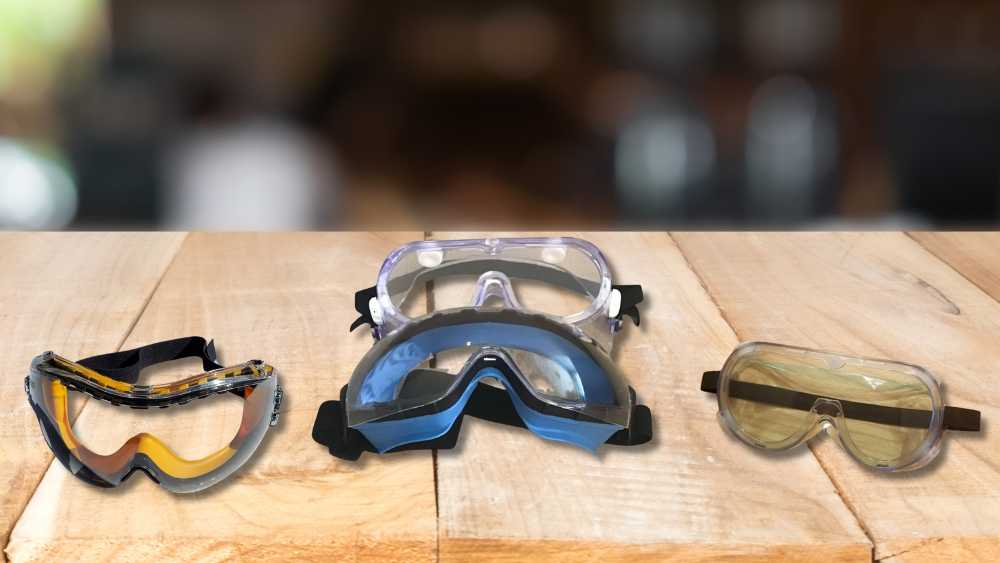
There are many types of safety goggles. Some cover just your eyes, while others protect the whole face.
- Direct vent goggles: good for splash protection but not dust
- Indirect vent goggles: allow air but block liquids
- Non-vented goggles: best for full chemical splash protection
- Face shield goggles: protect eyes and face from strong chemicals
Material And Lens Options
Goggles come in different materials and lenses. The frame material affects durability and comfort.
Lenses can be clear or tinted. They should resist scratches and chemicals.
- Frames: soft PVC or rubber for comfort and good seal
- Lenses: polycarbonate for impact and chemical resistance
- Anti-fog coating keeps lenses clear
- UV protection for outdoor projects
Fit And Comfort
Goggles must fit snugly around your eyes. A good fit stops chemicals from entering.
Adjustable straps and soft seals increase comfort. You should wear goggles without pain or gaps.
- Check for a tight seal around your eyes
- Adjust straps to keep goggles secure
- Choose lightweight goggles for long use
- Try goggles with soft padding for comfort

Credit: www.ishn.com
Preparing Your Goggles
Wearing safety goggles protects your eyes during chemical projects. Proper preparation keeps them effective and safe.
Before starting, prepare your goggles carefully to avoid accidents and discomfort.
Cleaning Before Use
Clean your goggles to remove dust, dirt, and chemicals. Dirty goggles can reduce visibility and cause harm.
Use mild soap and water or a special lens cleaner. Avoid harsh chemicals that can damage the lenses.
- Rinse goggles with water first
- Apply mild soap or lens cleaner
- Gently wipe with a soft cloth
- Let them air dry or use a clean cloth
Inspecting For Damage
Check your goggles for cracks, scratches, or broken parts. Damaged goggles may not protect your eyes well.
Look closely at the lenses and frame. Replace goggles if you see any damage or wear.
- Look for cracks on lenses
- Check the frame for breaks
- Test the seal around the edges
- Ensure vents or filters are intact
Adjusting Straps
Adjust the straps to fit your head snugly. Loose straps cause goggles to slip off or let chemicals in.
Tighten or loosen straps until the goggles feel secure but comfortable. Avoid too much pressure on your head.
- Place goggles over your eyes
- Pull straps behind your head
- Adjust the length evenly on both sides
- Make sure goggles seal around your eyes
Proper Wearing Techniques
Wearing safety goggles correctly protects your eyes from harmful chemicals. It helps prevent accidents during chemical projects.
Follow simple steps to ensure your goggles fit well and keep your eyes safe throughout your work.
Positioning On The Face
Place the goggles so they cover your eyes completely. The goggles should sit flat against your face without gaps.
Adjust the straps to keep the goggles centered and comfortable. Make sure they do not press too hard or slide down.
- Position goggles over your eyes, covering eyebrows and cheekbones
- Check that no skin shows between your face and the goggles
- Keep straps snug but not too tight
Ensuring A Secure Seal
A secure seal stops chemicals from entering your eyes. The goggles should stick gently to your skin.
Check the foam or rubber edges for damage. Replace goggles if the seal is worn out or cracked.
- Clean the seal area before wearing
- Press goggles firmly against your face
- Look for leaks or gaps after putting on
- Replace damaged seals or old goggles
Avoiding Fogging
Foggy goggles block your vision and can cause accidents. Keep your goggles clear while working.
Use anti-fog sprays or wipes on the inside surface. Take breaks to remove goggles and let them air out if needed.
- Apply anti-fog treatment before use
- Wear goggles in a cool, dry place if possible
- Do not touch the inside surface with dirty hands
- Remove goggles briefly if fog builds up
Credit: www.pureorganicpestcontrol.com
Maintaining Safety During Projects
Wearing safety goggles is important during chemical projects. They protect your eyes from harmful liquids and fumes.
Knowing how to wear goggles correctly keeps you safe. It helps prevent accidents and injuries in the workspace.
Handling Chemicals Safely
Always wear safety goggles when handling chemicals. Make sure the goggles fit snugly and cover your eyes completely.
- Check goggles for cracks or damage before use
- Clean goggles regularly to keep vision clear
- Avoid touching the inside of the lenses
- Use goggles that meet safety standards for chemicals
- Wear additional protective gear like gloves and aprons
Working In Different Environments
Different work areas need different care for safety goggles. Some places have dust, others have splashes or strong light.
| Environment | Goggle Type | Additional Tips |
| Laboratory | Sealed goggles | Wear with face shield if needed |
| Outdoor | UV-protection goggles | Use anti-fog spray for clear vision |
| Industrial | Impact-resistant goggles | Check for ventilation to avoid fogging |
Responding To Accidents
If chemicals get near your eyes, keep goggles on if possible. Remove them only if they block rinsing your eyes quickly.
- Move to an eyewash station immediately
- Hold your eyes open and rinse with water for 15 minutes
- Seek medical help after rinsing
- Report the accident to your supervisor
Care And Storage Tips
Wearing safety goggles protects your eyes during chemical projects. Taking care of them keeps them clear and safe.
Proper cleaning and storage help your goggles last longer. It also keeps them comfortable and effective.
Cleaning After Use
Clean your safety goggles after every use. This removes chemicals and dirt that can damage the lenses.
Use mild soap and water to wash the goggles. Avoid harsh chemicals that can scratch or weaken the lenses.
- Rinse goggles with warm water first
- Use a soft cloth or sponge with mild soap
- Gently wipe lenses without rubbing hard
- Rinse off all soap thoroughly
- Dry with a clean, soft cloth
Safe Storage Practices
Store your goggles in a clean, dry place. Keep them away from direct sunlight and heat sources.
Use a protective case or pouch to stop scratches and dust build-up. Avoid tossing them in bags or drawers.
- Keep goggles in a hard case when not in use
- Store in a cool, dry area
- Avoid exposing to chemicals or liquids
- Do not place heavy items on top of goggles
When To Replace Goggles
Replace your safety goggles if they are damaged or scratched. Damaged goggles can reduce visibility and protection.
Check for cracks, fogging, or loose straps. Replace goggles if they no longer fit well or stay secure.
- Replace if lenses have deep scratches
- Replace if frame cracks or breaks
- Replace if straps are worn or loose
- Replace if goggles fog up constantly

Credit: mylifesciencecareer.com
Frequently Asked Questions
What Are The Key Steps To Wear Safety Goggles Correctly?
First, clean your goggles and hands. Position goggles over your eyes, adjusting the strap for a snug fit. Ensure no gaps exist between your face and the goggles to prevent chemical splashes. Always wear them before handling chemicals.
Why Is Wearing Safety Goggles Essential In Chemical Projects?
Safety goggles protect your eyes from harmful chemical splashes, fumes, and debris. They prevent injuries like burns, irritation, and blindness. Proper eye protection ensures a safer working environment during chemical experiments or projects.
How To Choose The Right Safety Goggles For Chemicals?
Select goggles made from impact-resistant materials like polycarbonate. Ensure they have indirect ventilation to prevent fogging but block chemical splashes. Choose goggles that fit comfortably and seal well around your eyes for maximum protection.
Can Safety Goggles Prevent All Chemical Eye Injuries?
While goggles significantly reduce risks, they cannot guarantee 100% protection. Proper use and wearing additional protective gear, like face shields, improve safety. Always follow safety protocols and handle chemicals carefully to minimize risks.
Conclusion
Wearing safety goggles protects your eyes from harmful chemicals. Always choose goggles that fit well and cover your eyes fully. Clean them before and after each use to keep vision clear. Never touch the inside of the lenses to avoid smudges.
Remember, safety goggles are a simple step that prevents serious injuries. Stay safe by making them part of your chemical project routine. Your eyes deserve the best care during experiments. Safety first, every time.