When you’re diving into a DIY project, your focus might be on the thrill of creation or the satisfaction of fixing something yourself. But what about your safety?
You wouldn’t want an exciting project to turn into a regrettable mishap, right? This is where the simple yet essential safety goggles come into play. These small but mighty protectors are your eyes’ best friends, shielding you from unexpected splashes, dust, and flying debris.
But, are you wearing them correctly? In this guide, you’ll discover the right way to wear safety goggles, ensuring that you’re fully protected while working on your next masterpiece. Understanding this can make the difference between a successful project and a trip to the ER. So, if you want to keep your vision clear and your projects safe, read on. Your eyes will thank you!
Choosing The Right Goggles
Safety goggles protect your eyes during DIY projects. Choosing the right pair helps prevent injuries. This guide covers what to look for in goggles.
Picking goggles that fit well and suit your task keeps you safe and comfortable. Learn about types, materials, and fit below.
Types Of Safety Goggles
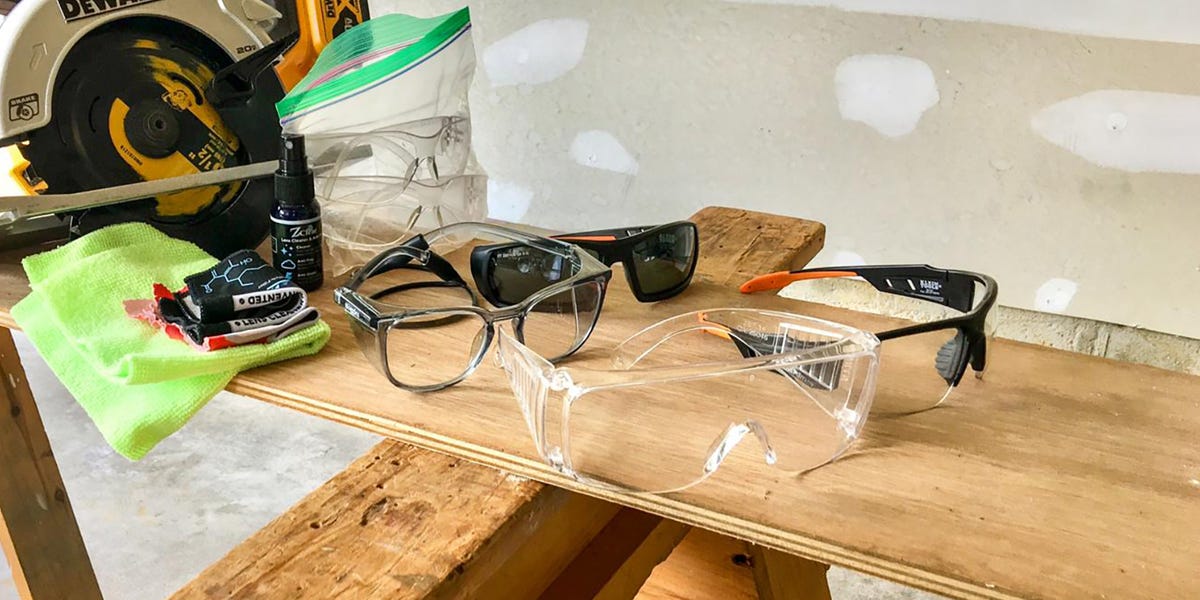
There are different kinds of safety goggles for various uses. Some block dust, others shield from chemicals or impact.
- Direct Vent Goggles: Have holes for airflow but keep out large particles.
- Indirect Vent Goggles: Block liquid splashes and dust with covered vents.
- Non-Vented Goggles: Fully sealed for protection against chemicals and fine dust.
- Over-the-Glasses Goggles: Fit over regular glasses for extra eye protection.
Material And Lens Options
Goggles come in various materials and lenses. These affect durability and clarity.
| Material | Features | Best For |
| Polycarbonate | Strong, impact-resistant, lightweight | Heavy-duty projects |
| PVC Frame | Flexible, chemical resistant | Working with liquids |
| Anti-fog Lens | Prevents fogging | High humidity or temperature changes |
| UV Protection Lens | Blocks harmful rays | Outdoor work in sunlight |
Fit And Comfort Considerations
Comfort makes you wear goggles longer. A good fit stops dust and debris from entering.
- Adjustable straps help fit different head sizes.
- Soft foam padding adds comfort and seals gaps.
- Lightweight frames reduce pressure on your face.
- Check for a snug but not tight fit.

Credit: ca.zennioptical.com
Preparing For Your Project
Before starting a DIY project, wearing safety goggles protects your eyes. Proper preparation ensures the goggles work well.
Check your goggles for any issues. Clean them and adjust the fit for comfort and safety.
Inspecting Goggles For Damage
Look closely at your goggles before use. Make sure there are no cracks or scratches on the lenses.
Check the frame and straps for any tears or weak spots. Damaged goggles may not protect your eyes properly.
- Examine lenses for cracks or deep scratches
- Check frame for breaks or bends
- Inspect straps for tears or stretching
- Replace goggles if you find damage
Cleaning Before Use
Clean your goggles to remove dust and dirt. Use a soft cloth and mild soap with water for cleaning.
Avoid harsh chemicals that can damage the lenses. Dry the goggles completely before wearing them.
- Rinse goggles under warm water
- Apply mild soap gently on lenses
- Use a soft cloth to clean all parts
- Let goggles air dry or wipe gently
Adjusting Straps And Fit
Put on the goggles and check the fit. Adjust the straps so the goggles sit snugly on your face.
Make sure the goggles cover your eyes fully and do not press too hard. Proper fit keeps debris out and feels comfortable.
- Loosen straps before putting on goggles
- Place goggles over eyes and nose
- Tighten straps evenly on both sides
- Check for gaps between goggles and skin
- Adjust until secure but comfortable
Proper Wearing Techniques
Wearing safety goggles correctly is important for your eye protection during DIY projects. Proper fit and placement reduce the risk of injury.
This guide explains how to position goggles, secure straps, and ensure a tight seal for the best safety.
Positioning Over Eyes
Place the goggles directly over your eyes so the lenses cover all around. The goggles should rest comfortably on your nose and cheekbones without gaps.
Securing Straps Correctly
Adjust the straps so they hold the goggles firmly but not too tight. Straps should sit around the back of your head or over your ears depending on the model.
- Check that straps are not twisted
- Tighten straps evenly on both sides
- Make sure straps do not cause discomfort
- Use strap adjusters if available
Ensuring A Tight Seal
The goggles must seal against your skin to stop dust or liquids from entering. A tight seal protects your eyes from small particles and splashes.
| Check Point | What to Do |
|---|---|
| Gap at Nose | Adjust nose piece or reposition goggles |
| Side Gaps | Tighten straps or choose a different size |
| Comfort | Ensure padding is in place and not worn out |
| Movement | Wear goggles firmly so they do not shift during work |
Credit: www.popularmechanics.com
Common Mistakes To Avoid
Safety goggles protect your eyes during DIY projects. Wearing them correctly is important. Many people make simple mistakes that reduce safety.
Learn about common errors to avoid. Fixing these can keep your eyes safe and comfortable.
Wearing Goggles Too Loosely
Wearing goggles too loosely lets dust and debris enter your eyes. Loose goggles can slip down your nose. This reduces protection and causes distractions.
- Adjust the strap to fit snugly but not too tight.
- Make sure the goggles rest firmly on your face.
- Check for gaps between your skin and the goggles.
- Test movement by shaking your head gently.
Using Damaged Lenses
Scratched or cracked lenses reduce visibility and weaken protection. Damaged lenses can cause eye strain or allow particles to pass through.
| Damage Type | Effect on Safety |
| Scratches | Blurry vision and eye strain |
| Cracks | Reduced impact resistance |
| Loose frames | Less secure fit |
Replace goggles if lenses are damaged. Inspect goggles before each use.
Ignoring Fogging Issues
Fogging blocks your view and can be dangerous. It often happens from sweat or temperature changes. Ignoring fogging can lead to accidents.
Tips to prevent fogging:
- Use goggles with anti-fog coating.
- Apply anti-fog spray before use.
- Wear a mask properly to direct breath downward.
- Take breaks to wipe lenses if needed.
Maintaining Your Safety Goggles
Safety goggles protect your eyes during DIY projects. Keeping them clean and well cared for helps them work better. Proper maintenance also makes your goggles last longer.
Follow simple steps to clean, store, and know when to replace your goggles. This keeps your eyes safe every time you work.
Regular Cleaning Tips
Clean your safety goggles after each use. Dirt and dust can scratch the lenses and reduce visibility. Use mild soap and water to wash them gently.
Dry the goggles with a soft cloth. Avoid using paper towels or rough fabrics that can cause scratches.
- Rinse goggles in warm water to remove debris
- Use mild soap to clean lenses carefully
- Dry with a soft, lint-free cloth
- Avoid harsh chemicals or abrasive cleaners
Safe Storage Practices
Store your safety goggles in a clean, dry place. Keep them away from direct sunlight and heat. This stops the lenses from warping or fading.
Use a protective case or pouch to avoid scratches and damage. Do not toss goggles into a toolbox with sharp tools.
- Keep goggles in a soft case or pouch
- Store in a cool, shaded area
- Avoid placing heavy items on top
- Do not leave them in dusty or wet spots
When To Replace Goggles
Replace your safety goggles if they are cracked or scratched. Damaged lenses can block your view and reduce protection. Also, check the straps for wear and tear.
Do not use goggles that do not fit well. Loose goggles let dust and debris inside, risking eye injury.
- Replace if lenses have deep scratches or cracks
- Change if straps are broken or lose elasticity
- Get new goggles if they no longer fit securely
- Switch goggles after heavy impact or damage

Credit: www.popularmechanics.com
Additional Safety Gear To Consider
Wearing safety goggles protects your eyes during DIY projects. You should also think about other safety gear. This gear keeps your whole face and hands safe from harm.
Using extra safety items helps reduce risks. It makes your work safer and more comfortable.
Face Shields
Face shields cover your entire face. They protect against flying debris, dust, and liquid splashes. Use them with safety goggles for full protection.
Face shields are clear and easy to clean. They fit over glasses and goggles without discomfort.
- Protects face from sparks and dust
- Reusable and simple to maintain
- Fits comfortably over other safety gear
Respirators
Respirators help you breathe clean air. They block dust, fumes, and harmful particles. Choose the right type based on your project’s needs.
Use respirators when sanding, painting, or working with chemicals. They reduce the risk of lung irritation or damage.
- Blocks dust and small particles
- Protects lungs from harmful fumes
- Available in disposable or reusable types
Protective Gloves
Gloves protect your hands from cuts, chemicals, and dirt. Choose gloves made from materials that fit your project. Some gloves protect from heat or sharp objects.
Wearing gloves helps keep your hands clean and safe. Always check gloves for holes before use.
- Protects from sharp tools and splinters
- Blocks chemicals and liquids
- Available in rubber, leather, or fabric
Frequently Asked Questions
How Do I Properly Fit Safety Goggles For Diy Projects?
Ensure the goggles fit snugly against your face without gaps. Adjust the strap for comfort and secure placement. Proper fit prevents debris from entering and keeps goggles stable during work.
Why Are Safety Goggles Essential For Diy Tasks?
Safety goggles protect your eyes from dust, flying debris, and harmful chemicals. They reduce injury risk and improve overall safety during DIY projects. Wearing goggles is a simple way to prevent serious eye damage.
Can I Wear Regular Glasses Instead Of Safety Goggles?
Regular glasses do not offer full protection from debris or chemicals. Safety goggles provide a secure seal and impact resistance. Always choose goggles designed specifically for eye protection during DIY work.
How Do I Clean And Maintain Safety Goggles?
Use mild soap and water to clean goggles after each use. Avoid abrasive materials that can scratch lenses. Store goggles in a protective case to prevent damage and ensure longevity.
Conclusion
Wearing safety goggles protects your eyes from dust and debris. Always choose goggles that fit well and feel comfortable. Clean them before and after each use for clear vision. Adjust the straps so they stay in place during work. Remember, safety comes first in every DIY project.
Protect your eyes to enjoy your work safely and confidently. Safety goggles are simple tools that make a big difference. Keep them handy and use them every time you work.