
Are you ready to take your safety seriously? Understanding how to wear a safety harness properly can make all the difference when it comes to protecting yourself at work or during outdoor activities.
Imagine the peace of mind you’ll feel knowing you’re secure and well-protected. In this guide, we’ll break down the essential steps to ensure you’re using your safety harness correctly, helping you prevent accidents and stay safe. Whether you’re a seasoned pro or a beginner, mastering the art of wearing a safety harness is crucial.
Keep reading, and you’ll discover the tips and tricks that can save you from potential hazards. Your safety depends on it!
Choosing The Right Harness
Wearing a safety harness correctly keeps you safe at work. Picking the right harness is the first step. It must match your job needs and body size.
This guide covers types of harnesses, work environments, and how to find the right fit. Use it to make smart choices for your safety.
Types Of Safety Harnesses
Safety harnesses come in different styles. Each type fits certain jobs better. Knowing them helps you pick one that protects well.
- Full Body Harness: Supports the entire body and is common in many industries.
- Sitting Harness: Designed for work that requires sitting or hanging.
- Chest Harness: Holds the upper body, often used with other harnesses.
- Suspension Harness: Used for rescue or window cleaning tasks.
Selecting Based On Work Environment
Your work area affects the harness choice. Some environments need special features. Consider where and how you work.
| Work Environment | Recommended Harness | Key Feature |
| Construction Sites | Full Body Harness | Strong support and multiple attachment points |
| Roofing | Full Body Harness | Adjustable straps for comfort and safety |
| Window Cleaning | Suspension Harness | Designed for hanging and rescue |
| Industrial Plants | Chest Harness | Lightweight with upper body support |
Proper Sizing And Fit
A harness must fit well. Too tight or loose can cause danger. Measure your body and check the harness size before use.
- Measure your chest, waist, and legs.
- Try the harness on and adjust straps for comfort.
- Ensure the harness does not restrict movement.
- Check that buckles and clips are secure.
- Replace harness if damaged or worn out.
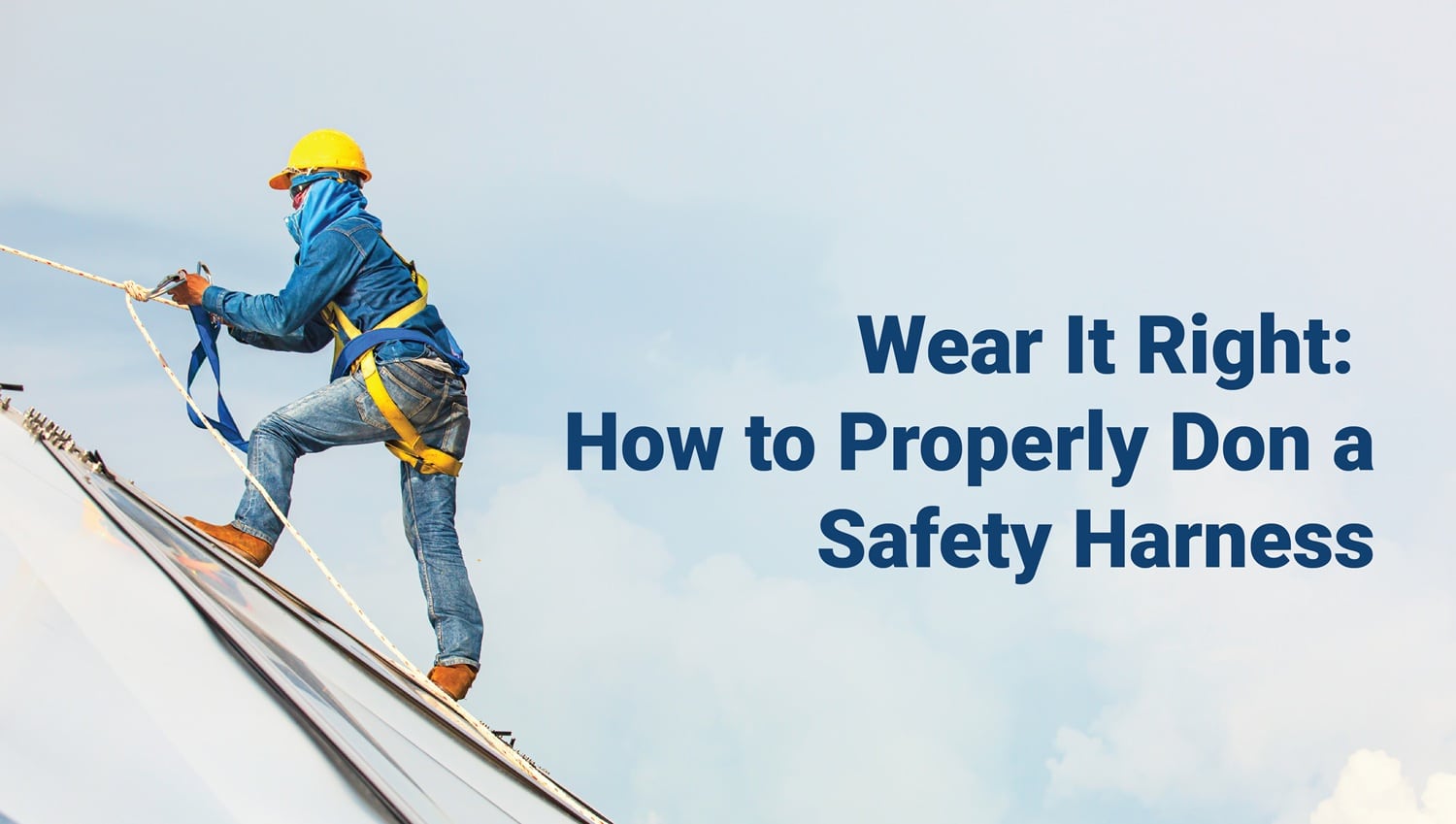
Credit: safetyware.com
Inspecting Your Harness
Wearing a safety harness correctly starts with inspecting it well. A damaged harness can fail and cause serious injury.
Check your harness before each use to keep it safe. Look closely at all parts to find any problems.
Checking For Damage
Look over the webbing for cuts, tears, or fraying. Check for burns or worn spots on the straps. These signs mean the harness is unsafe.
- Examine all stitching for loose threads.
- Look for discoloration that may show chemical damage.
- Feel for stiff or brittle areas in the material.
Verifying Buckles And Straps
Test each buckle to make sure it fastens and releases smoothly. Straps should move freely but hold tight once adjusted.
| Component | What to Check | Signs of Trouble |
| Buckles | Latch securely, no cracks | Loose latch, broken parts |
| Straps | Adjust easily, no damage | Fraying, stiff or stuck |
| Attachment Points | No rust or deformation | Corrosion, bent metal |
Routine Maintenance Tips
Keep your harness clean and dry. Store it away from sunlight and chemicals. Regular care extends its life and keeps it safe.
- Wipe dirt and sweat off after use
- Air dry if wet, never use heat
- Store in a cool, dry place
- Inspect before every use
Putting On A Safety Harness
Wearing a safety harness correctly keeps you safe while working at heights. It stops serious falls and injuries.
Follow these steps to put on your harness the right way. Check all parts before use.
Step-by-step Wearing Process
Start by holding the harness by the back D-ring. Untangle all straps and make sure nothing is twisted.
- Slip your arms through the shoulder straps like putting on a jacket.
- Pull the leg straps up and fasten them around each thigh.
- Connect the chest strap and adjust it to sit across your chest.
- Secure the waist belt if your harness has one.
- Check that the back D-ring rests between your shoulder blades.
Adjusting Straps For Comfort
Adjust each strap so the harness fits snugly but does not pinch or restrict movement.
| Strap | How to Adjust | Comfort Tip |
| Shoulder Straps | Tighten until snug but able to move arms freely | Check for no slack or pressure points |
| Leg Straps | Secure firmly around thighs without cutting off circulation | Slide a hand between strap and leg to test fit |
| Chest Strap | Position across chest and tighten to prevent slipping | Avoid pulling too tight to ease breathing |
| Waist Belt | Fasten so harness stays in place | Should not feel too tight or loose |
Ensuring Secure Fastening
Double-check all buckles and straps before starting work. This prevents accidents.
- Make sure all buckles click and lock firmly.
- Pull on straps to confirm they do not slip.
- Inspect the D-ring for cracks or damage.
- Check harness for frayed webbing or worn parts.
- Ask a coworker to help verify the fit and fastening.
Connecting To Anchor Points
Wearing a safety harness is only safe if you connect it to a strong anchor point. Anchor points keep you stable and prevent falls.
Choosing the right anchor point and using the correct lanyards and connectors is very important. This guide explains how to do it safely.
Identifying Suitable Anchor Points
A suitable anchor point must support your weight and any force from a fall. Look for solid structures like steel beams or certified anchors.
- Check if the anchor point can hold at least 5,000 pounds (22.2 kN) per person.
- Use permanent anchors designed for fall protection.
- Avoid weak or unstable objects like pipes or wooden beams.
- Ensure the anchor point is above your head to reduce fall distance.
Using Lanyards And Connectors
Use lanyards and connectors that fit your harness and anchor point properly. Inspect them before each use for damage or wear.
| Equipment | Purpose | Tip |
| Shock-absorbing lanyard | Reduces force in a fall | Use for most anchor points |
| Self-retracting lifeline | Allows movement and stops falls quickly | Best for high work areas |
| Carabiners/connectors | Connect harness to anchor or lanyard | Lock securely and check gate |
Avoiding Common Mistakes
Many falls happen because of common mistakes. Avoid these to stay safe.
- Do not connect to anchor points that are below your waist.
- Never use damaged or worn lanyards or connectors.
- Avoid tying knots in lanyards or lifelines.
- Do not use anchor points that can move or break easily.
- Always double-check your connections before starting work.
Working Safely With A Harness
Wearing a safety harness helps protect you from falls at work. It keeps you secure when working at heights.
Knowing how to wear and use the harness properly is very important. It reduces the risk of injury.
Monitoring Harness Fit During Use
Check the harness fit before and during use. A loose harness can cause accidents.
Adjust straps so the harness fits snugly but is not too tight. Make sure it stays in place as you move.
- Inspect buckles and straps for wear or damage
- Re-tighten straps if the harness shifts
- Stop work if the harness becomes uncomfortable or damaged
Moving And Positioning Safely
Move carefully while wearing a harness to avoid falls. Keep your balance and watch your footing.
Use anchor points that are strong and secure. Position yourself to stay stable and avoid sudden moves.
- Always stay connected to an anchor point
- Use equipment designed for your work area
- Do not overload your harness or gear
Emergency Procedures And Rescue Plans
Have a clear rescue plan before starting work. Know what to do if a fall happens.
Train all workers on emergency steps. Quick rescue can save lives and reduce injury.
- Call for help immediately after a fall
- Use rescue equipment to safely lower the worker
- Keep the fallen worker calm and monitor their condition

Credit: martinsupply.com
Training And Compliance
Wearing safety harnesses correctly is vital for worker protection. Proper training helps avoid accidents and injuries.
Compliance with safety rules keeps workplaces safe and meets legal requirements. Training and knowledge are key to using harnesses properly.
Importance Of Proper Training
Training teaches workers how to use harnesses safely. It shows how to put on, adjust, and inspect equipment.
- Learn correct fitting techniques
- Understand how to connect to anchor points
- Know how to check for damage or wear
- Practice safe movement while wearing harnesses
- Receive emergency rescue instructions
Understanding Safety Regulations
Safety rules guide how harnesses should be used. Workers and employers must know these regulations well.
| Regulation | Description | Requirement |
| OSHA 1926.502 | Fall protection standards | Use harnesses at heights over 6 feet |
| ANSI Z359 | Safety equipment performance | Harnesses must meet strength tests |
| CSA Z259 | Canadian fall arrest | Proper training and equipment inspection |
Keeping Up-to-date With Industry Standards
Safety standards change as technology improves. Workers should update their knowledge regularly.
Ways to stay current:
- Attend regular safety training sessions
- Read updates from safety organizations
- Participate in workplace safety meetings
- Follow manufacturer guidelines for harness care

Credit: hsi.com
Frequently Asked Questions
How Do I Properly Fit A Safety Harness?
To fit a safety harness correctly, adjust the straps snugly around your chest, waist, and thighs. Ensure the harness lies flat without twists. The D-ring should rest between your shoulder blades. Proper fit prevents slipping and enhances safety during use.
When Should Safety Harnesses Be Inspected?
Inspect safety harnesses before each use and after any fall. Check for frayed straps, damaged buckles, or worn stitching. Regular inspections ensure the harness remains reliable and safe, preventing accidents caused by equipment failure.
Can I Wear A Safety Harness Over Thick Clothing?
Yes, you can wear a safety harness over thick clothing if it fits securely. Make sure straps are tightened properly to prevent slipping. Avoid bulky clothing that may interfere with harness adjustment or safety performance.
What Is The Correct Way To Attach A Safety Harness?
Attach the safety harness to an approved anchor point using a compatible lanyard or lifeline. The connection should be secure and free of slack. Proper attachment ensures the harness can arrest falls effectively and protect the wearer.
Conclusion
Wearing safety harnesses correctly keeps you safe on the job. Always check straps and buckles before use. Make sure the harness fits snugly but comfortably. Attach the lanyard to a strong anchor point. Stay alert and follow safety rules at all times.
Proper use prevents falls and serious injuries. Safety is not optional—it protects your life. Practice these steps every day. Stay safe, stay confident.
