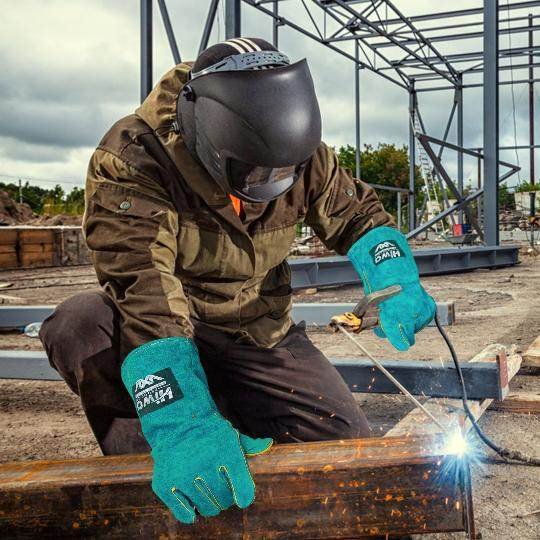
When you’re diving into the world of metalwork, safety is your top priority. Your hands are your greatest tools, and protecting them is non-negotiable.
But have you ever wondered if you’re wearing your welding gloves correctly? You might be surprised to learn that the right fit and technique can make all the difference in your comfort and safety. In this guide, you’ll discover how to wear welding gloves properly to enhance your metalworking experience.
With a few simple adjustments, you can boost your confidence and ensure your hands are shielded from potential hazards. Ready to take your metalwork skills to the next level? Let’s dive in.
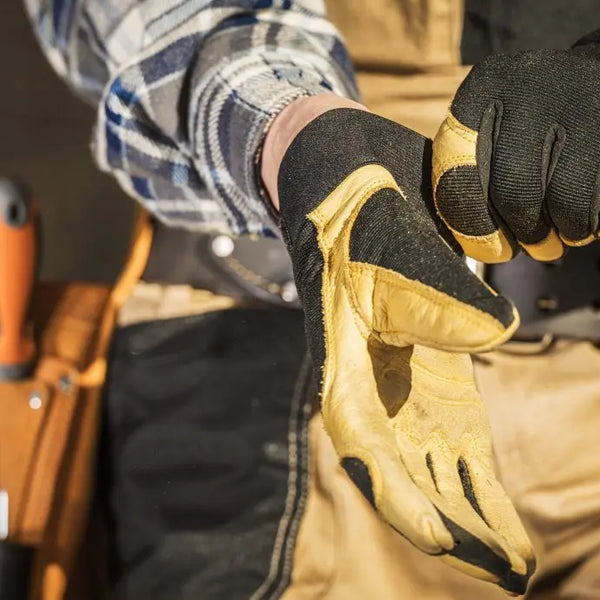
Credit: www.envirosafetyproducts.com
Choosing The Right Welding Gloves
Welding gloves protect your hands from heat, sparks, and sharp metal. Picking the right gloves keeps you safe and comfortable during metalwork.
Different gloves offer various features. This guide explains how to select gloves by material, size, and heat resistance.
Material Types And Their Benefits
Gloves come in many materials. Each type has benefits for metalwork tasks.
- Leather:Durable and protects from sparks and heat. Common types include cowhide, goatskin, and pigskin.
- Kevlar:Offers strong cut resistance and heat protection. Often used in liners or combined with leather.
- Aluminized fabric:Reflects heat and is ideal for high-temperature welding.
- Cotton:Lightweight and breathable but best for light-duty or as liners.
Sizing For Comfort And Protection
| Size | Description | How to Measure |
| Small | Fits hand width 7 to 8 inches | Measure around palm without thumb |
| Medium | Fits hand width 8 to 9 inches | Measure around palm without thumb |
| Large | Fits hand width 9 to 10 inches | Measure around palm without thumb |
| Extra Large | Fits hand width 10+ inches | Measure around palm without thumb |
Choose gloves that fit well. Tight gloves limit movement. Loose gloves reduce protection and control.
Heat Resistance Levels
Heat resistance is key in welding gloves. Look for gloves rated for the temperature of your work.
- Low heat (up to 250°F):Good for light welding and handling warm metal.
- Medium heat (250°F to 500°F):Suitable for most welding tasks with moderate heat.
- High heat (above 500°F):Needed for heavy welding and cutting where sparks and hot metal fly.

Credit: www.ishn.com
Preparing Gloves Before Use
Welding gloves protect your hands from heat and sparks. Preparing them before use keeps them safe and comfortable. Follow simple steps to get your gloves ready for metalwork.
Checking, cleaning, and breaking in gloves helps extend their life. It also ensures you have good grip and flexibility during work.
Inspecting For Damage
Look closely at your gloves before wearing them. Check for holes, tears, or worn spots. Damaged gloves may not protect your hands properly.
- Examine the fingers and palms for cracks or holes.
- Check the stitching for loose threads.
- Feel for thin areas that may tear easily.
- Make sure the lining is intact and dry.
Cleaning And Conditioning
Cleaning your gloves removes dirt and oils that can cause damage. Conditioning keeps the leather soft and flexible. Use gentle methods to care for your gloves.
| Cleaning Method | Conditioning Tips |
| Use mild soap and water | Apply leather conditioner sparingly |
| Wipe with a damp cloth | Let gloves dry naturally away from heat |
| Do not soak or machine wash | Condition regularly to prevent cracking |
Breaking In New Gloves
New gloves are stiff and need time to soften. Breaking them in helps you work better and safer. Use these tips to make your gloves comfortable.
- Wear gloves during light tasks to stretch the material.
- Flex your fingers often to loosen stiff areas.
- Avoid heavy work until gloves feel soft and fit well.
- Use leather conditioner to speed up softening.
Proper Glove Wearing Techniques
Welding gloves protect your hands from heat and sparks. Wearing them correctly keeps you safe and comfortable.
Learn how to wear welding gloves properly. This helps you work better and avoid injuries.
Correct Fit And Positioning
Choose gloves that fit your hands well. Gloves that are too tight or loose reduce protection and comfort.
Position the gloves so your fingers reach the tips. The gloves should cover your wrists fully for added safety.
- Check finger length inside the glove
- Make sure gloves cover the wrist area
- Avoid gloves that restrict finger movement
Securing Gloves For Stability
Secure your gloves to prevent slipping during work. Loose gloves can cause accidents or burns.
Use wrist straps or elastic cuffs to keep gloves in place. Adjust them so they feel snug but not tight.
- Fasten wrist straps firmly
- Check elastic cuffs for a secure fit
- Test glove movement before starting work
Avoiding Common Fit Issues
Do not wear gloves that are too big or too small. Bad fit causes discomfort and reduces protection.
Replace gloves if they become loose or damaged. Worn gloves lose their ability to protect your hands.
- Check glove size before use
- Inspect gloves for holes or tears
- Replace gloves showing signs of wear
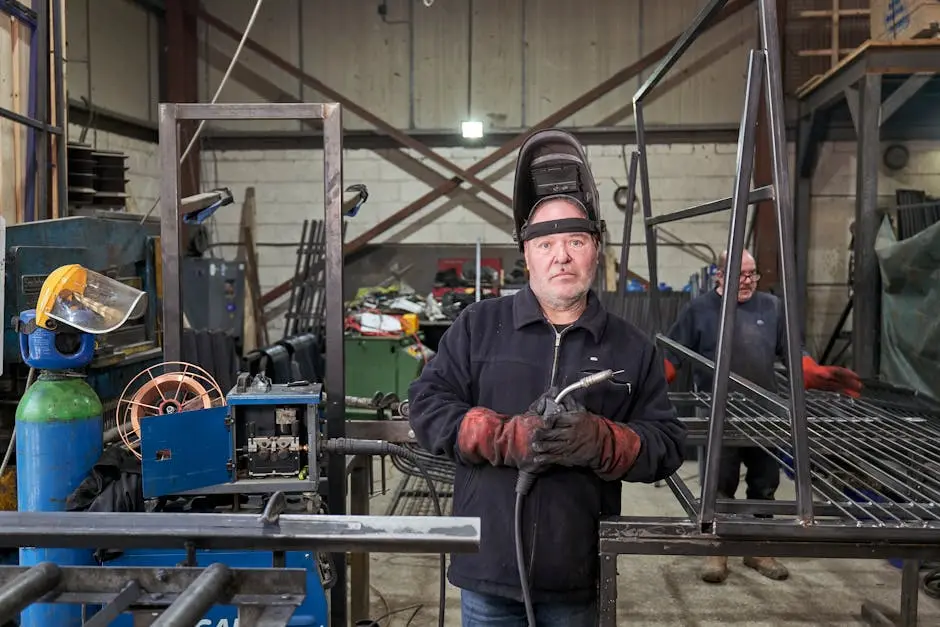
Credit: www.weldshopsupply.com
Safety Tips During Metalwork
Welding gloves protect your hands while working with hot metal. Wearing them correctly keeps you safe from injuries.
Using gloves helps prevent burns and cuts from sparks and sharp edges. It is important to follow safety steps every time.
Protecting Against Burns And Sparks
Welding gloves must cover your hands fully to block sparks and hot metal bits. Choose gloves made of heat-resistant materials.
Keep gloves dry and free from holes. Wet or damaged gloves can cause burns or let sparks reach your skin.
- Check gloves before each use for damage
- Wear gloves that fit well and cover wrists
- Avoid touching your face or clothes with gloves that have sparks
Maintaining Dexterity And Grip
Good gloves allow you to move your fingers easily. This helps you hold tools and metal pieces safely.
Choose gloves with a textured surface. This improves your grip and reduces slipping while working.
- Pick gloves that fit snugly but are not too tight
- Use gloves made with flexible materials
- Replace gloves that become stiff or worn out
Handling Hot Materials Safely
Always use welding gloves when picking up hot metal. Hold items firmly to avoid dropping or slipping.
Let metal cool down before touching with bare hands. Use tools and gloves to protect your skin from heat.
- Wear gloves before handling any hot metal
- Use tongs or clamps for extra safety
- Do not rush; move slowly and carefully
Maintaining And Storing Gloves
Welding gloves protect your hands from heat and sparks. Keeping them clean and stored right helps them last longer. Proper care saves money and keeps you safe.
Follow simple steps to clean, fix, and store your gloves. This keeps the material strong and ready to use.
Cleaning After Use
Remove dirt and grime from your gloves after each use. Clean gloves prevent damage and keep hands safe.
Use a soft brush or cloth to wipe off dust and debris. For tougher stains, use mild soap and water.
- Do not soak gloves in water
- Air dry gloves away from direct heat
- Do not use harsh chemicals
Repairing Minor Damages
Check gloves for small holes or tears before and after work. Fixing minor damage keeps gloves useful and safe.
Use a strong needle and heat-resistant thread for stitches. Patch worn areas with leather or fabric patches if needed.
- Sew small tears carefully
- Apply patches on thin or worn spots
- Replace gloves if damage is too big
Storage To Preserve Quality
Store gloves in a dry, cool place away from sunlight. Proper storage stops the material from drying out or cracking.
Keep gloves flat or in a loose shape. Avoid folding or crushing them to keep their form and strength.
- Use a clean container or drawer
- Keep gloves away from chemicals
- Air gloves before storing to avoid moisture
Frequently Asked Questions
What Are The Best Welding Gloves For Metalwork?
The best welding gloves are heat-resistant, durable, and flexible. Look for leather gloves with Kevlar stitching for protection and comfort during metalwork.
How Do I Properly Wear Welding Gloves?
Wear gloves snugly without restricting movement. Ensure the gloves cover wrists and forearms to protect against sparks and heat during welding.
Can Welding Gloves Protect From Electric Shocks?
Welding gloves offer limited protection from electric shocks. Use insulated gloves specifically designed for electrical work to ensure safety.
How To Maintain Welding Gloves For Longer Use?
Clean gloves after use and store them in a dry place. Avoid exposure to chemicals and sharp objects to extend glove life.
Conclusion
Wearing welding gloves protects your hands from heat and sparks. Choose gloves that fit well for better comfort and safety. Always check gloves for damage before starting work. Proper use helps prevent burns and injuries. Keep gloves clean and replace them when worn out.
Safe habits make metalwork easier and safer. Stay careful, stay protected, and work with confidence.