Are you tired of guessing when measuring angles and lengths? Imagine getting it right the first time, every time, without frustration or wasted materials.
Precise measurements are crucial whether you’re working on a DIY project, crafting, or tackling home repairs. You’ll discover simple, effective techniques to measure angles and lengths with accuracy. By the end, you’ll feel confident and equipped to handle any measurement challenge with ease.
Keep reading to unlock the secrets that professionals use to achieve perfect precision.
Essential Tools For Accuracy
Measuring angles and lengths precisely needs the right tools. Accuracy depends on your choice of instruments.
This guide covers essential tools to help you measure with confidence and exactness.
Choosing The Right Protractor
Select a protractor with clear markings and a sturdy build. Transparent plastic models help you see the lines beneath.
- Look for a protractor with degree marks every 1°.
- Choose one with a flat edge for better alignment.
- Consider a full-circle protractor for more flexibility.
- Check that the center hole or notch is easy to place on the angle’s vertex.
Using Calipers Effectively
Calipers provide precise internal and external measurements. Learn to hold them steady for accuracy.
| Type | Use | Accuracy |
| Vernier Calipers | Measure inside, outside, and depth | Up to 0.02 mm |
| Digital Calipers | Easy reading on LCD screen | Up to 0.01 mm |
| Dial Calipers | Analog dial for measurements | Up to 0.02 mm |
Always clean caliper jaws before use and avoid applying too much pressure.
Selecting Quality Measuring Tapes
Good measuring tapes last longer and give better results. Check for these features before buying.
- Choose tapes with easy-to-read markings in both metric and imperial units.
- Look for a locking mechanism to hold the tape in place.
- Pick tapes with a durable, flexible blade to prevent bending.
- Consider the tape’s length based on your common measuring needs.
Credit: owlcation.com
Techniques For Measuring Angles
Measuring angles accurately is important in many fields like carpentry and engineering. Using the right tools and methods helps get precise results.
This guide explains how to measure angles with care and avoid common mistakes. You will learn simple ways to improve your angle measurements.
Aligning Instruments Correctly
Always place your protractor or angle finder flat on the surface. The center point of the tool must match the angle’s vertex exactly.
Check that the baseline of the instrument lines up with one side of the angle. This helps in getting a true measurement.
- Place the protractor flat and steady
- Match the center hole with the angle vertex
- Align the zero line with one angle side
- Keep the tool from moving during reading
Reading Angles Without Parallax Error
Parallax error happens when you read the scale from an angle instead of straight above. This can make the angle seem larger or smaller.
Look directly over the protractor’s scale to avoid this error. Your eye should be in line with the measurement mark.
- Keep your eye level with the scale mark
- Avoid reading from the side or at an angle
- Use tools with clear, easy-to-read scales
Measuring Acute And Obtuse Angles
Acute angles are less than 90 degrees. Obtuse angles are more than 90 but less than 180 degrees. Both need careful measuring.
For acute angles, place the protractor’s zero line on one side and read the smaller number. For obtuse angles, read the larger number on the scale.
- Place zero line on one side of the angle
- For acute angles, note the smaller reading
- For obtuse angles, note the larger reading
- Double-check by measuring the outside angle if needed
Methods For Precise Length Measurement
Measuring length accurately is important in many fields. It helps in building, crafting, and science. This guide explains methods to measure lengths with precision.
Different surfaces and shapes need different tools and methods. Learning these helps avoid errors and get exact results.
Measuring Straight Lines Accurately
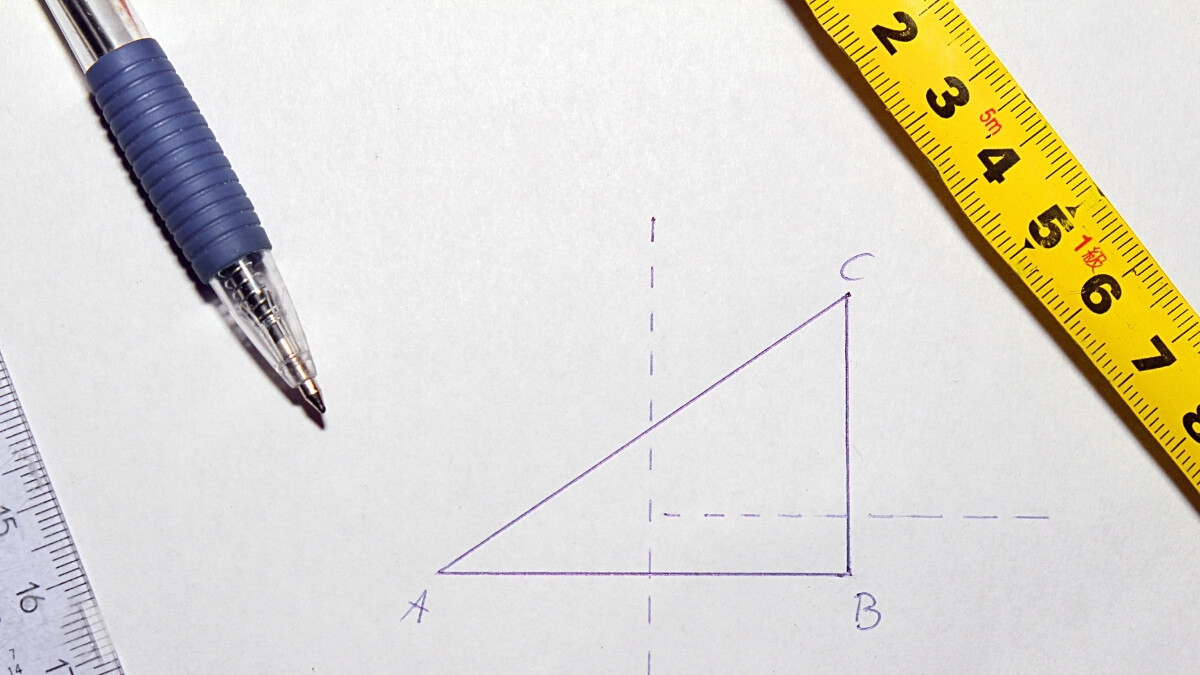
Use a ruler or tape measure for straight lines. Place the tool flat and aligned with the line. Read the scale at eye level to avoid mistakes.
- Choose a measuring tool with clear markings
- Keep the tool straight and tight against the surface
- Measure from the zero mark, not the edge
- Use a magnifier for small measurements
- Repeat the measurement to confirm accuracy
Handling Curved Surfaces
Curved surfaces need flexible tools like tape measures or string. Wrap the tool carefully along the curve without stretching it.
| Tool | Best Use | Tip |
| Flexible Tape | Body curves, pipes | Keep tape snug but not tight |
| String | Irregular shapes | Mark string ends before measuring |
| Calipers | Small curved parts | Use digital calipers for precision |
Avoiding Common Length Measurement Mistakes
Errors can happen when measuring length. Watch out for these common mistakes to improve accuracy.
- Not starting at zero on the measuring tool
- Reading the scale from an angle
- Using worn or damaged tools
- Measuring on uneven or moving surfaces
- Failing to double-check measurements
Digital Tools And Technology
Measuring angles and lengths is easier with digital tools. These tools give quick and accurate results.
Technology helps reduce errors and saves time on measuring tasks. Many devices and apps are available.
Using Digital Angle Finders
Digital angle finders measure angles between two surfaces. They show the angle on a small digital screen.
These tools are easy to use and give precise readings. They are useful in carpentry, construction, and design.
- Place the tool on the angle to measure
- Read the digital display for the angle value
- Some models store measurements for later use
Laser Distance Measurement Devices
Laser distance meters use a laser beam to measure length. They calculate distance by timing the light’s travel.
These devices provide accurate length measurements quickly. They work well for indoor and outdoor spaces.
- Point the laser at the target surface
- Press a button to start the measurement
- View the distance on the digital screen
- Some devices can measure heights, areas, and volumes
Apps For Angle And Length Measurement
Smartphone apps use cameras and sensors to measure angles and lengths. They are handy for quick checks.
Many apps offer tools like protractors and rulers that work on your screen. Some apps connect to digital devices.
- Use the app’s camera to capture the object
- Follow on-screen guides to measure angles or lengths
- Save and share measurements easily
- Some apps support augmented reality for better accuracy
Calibration And Maintenance
Precise measurement of angles and lengths depends on well-calibrated tools. Regular maintenance keeps instruments accurate over time. Both are key for reliable results in any project.
This guide covers simple ways to calibrate and care for your measuring devices. Follow these tips to maintain accuracy and extend tool life.
Regular Calibration Practices
Calibration ensures your measuring tools give correct readings. It checks and adjusts the device against a known standard. Do this often to avoid errors in measurements.
- Use certified calibration blocks or angle standards.
- Check instruments before each use for any signs of drift.
- Adjust the tool settings if measurements differ from standards.
- Record calibration results for future reference.
- Send tools to professional labs if needed for complex calibration.
Maintaining Measuring Instruments
Clean and store your tools carefully to avoid damage. Dirt, dust, and moisture can affect precision. Regular upkeep keeps tools working well.
- Wipe tools with a soft cloth after each use.
- Use protective cases or covers for storage.
- Lubricate moving parts lightly if recommended by the manufacturer.
- Avoid dropping or hitting instruments hard.
- Check for rust or wear and fix problems early.
Ensuring Long-term Precision
Keep track of your tools’ condition and calibration dates. Plan regular checks to catch any issues early. Consistent care maintains accuracy for years.
| Maintenance Task | Frequency | Purpose |
| Calibration check | Monthly or before major use | Confirm accuracy |
| Cleaning | After each use | Prevent dirt buildup |
| Lubrication | Every 6 months | Keep parts moving smoothly |
| Visual inspection | Weekly | Find wear or damage |
| Professional servicing | Yearly | Deep calibration and repair |

Credit: www.wikihow.com
Practical Applications And Tips
Measuring angles and lengths precisely is important for many tasks. Good measurement helps avoid mistakes and saves time.
This guide shares useful tips for construction, DIY projects, and professional work. You will learn simple ways to get accurate results.
Measuring In Construction And Carpentry
In construction and carpentry, exact measurements keep structures safe and strong. Use the right tools for better accuracy.
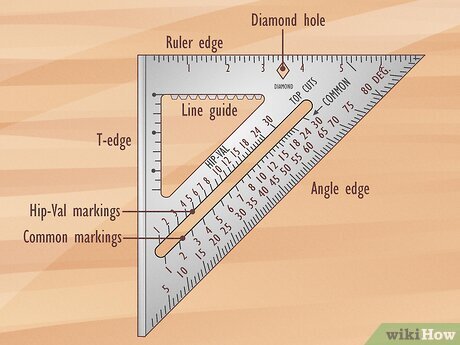
- Use a carpenter’s square to check right angles.
- Mark measurements clearly with a sharp pencil.
- Measure twice before cutting any material.
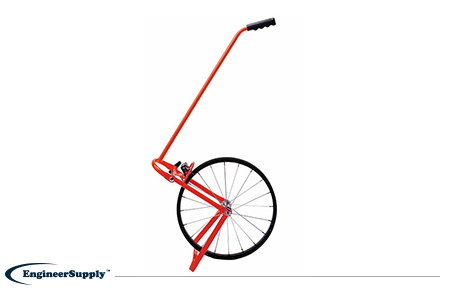
- Use a laser level to measure long distances.
- Check angles with a protractor or angle finder tool.
Tips For Diy Projects
DIY projects need simple methods to measure angles and lengths well. Small mistakes can cause big problems.
| Tool | Use | Tip |
| Measuring tape | Measure lengths | Keep tape straight and tight |
| Protractor | Measure angles | Place flat on surface for accuracy |
| Ruler | Small length checks | Use a metal ruler for sharp edges |
| Combination square | Check both lengths and angles | Use for marking cuts and layouts |
Professional Tricks For Precision
Experts use special tricks to measure with high precision. These help reduce errors and improve final results.
- Calibrate tools regularly to keep them accurate.
- Use digital measuring devices for quick and exact readings.
- Measure angles by checking multiple points, then average them.
- Always work in good light to see marks clearly.
- Use clamps to hold materials steady while measuring.
Credit: www.engineersupply.com
Frequently Asked Questions
How Do I Measure Angles Accurately At Home?
Use a protractor placed firmly on the vertex of the angle. Align one side with zero degrees. Read the scale where the other side crosses. Ensure the protractor is flat and stable for precise measurement.
What Tools Are Best For Precise Length Measurement?
Use a steel ruler or caliper for accuracy. Tape measures suit longer distances but may flex. Digital calipers provide exact readings for small objects. Always measure on a stable, flat surface for best results.
How Can I Avoid Errors When Measuring Angles?
Ensure the protractor is correctly aligned with the angle vertex. Keep your eye level to avoid parallax error. Use a sharp pencil for marking points. Double-check measurements before recording to ensure accuracy.
Why Is Calibration Important In Measurement Tools?
Calibration ensures tools provide accurate and reliable readings. Over time, tools may lose precision due to wear. Regular calibration maintains measurement consistency. It is crucial for professional and precise work.
Conclusion
Precision in measuring angles and lengths is essential. It ensures accuracy in various tasks. Use the right tools for the job. Protractors, rulers, and calipers are effective. Practice enhances your skills over time. Always double-check measurements for reliability. Mistakes can lead to bigger errors.
Consistency is key in measurement. Follow these tips for better results. Accurate measurements improve project outcomes. Keep learning and refining your techniques. Stay patient and persistent. Precision becomes easier with practice. Happy measuring!