When you face a leaky faucet or a stubborn pipe, the right tool can make all the difference. But with so many plumbing wrenches available, how do you choose the right one?
Understanding the types and uses of plumbing wrenches can save you time, money, and frustration. Imagine the satisfaction of fixing that pesky leak yourself or helping a friend in need. You’ll discover the essential plumbing wrenches and how they can become your trusty allies in tackling various plumbing tasks.
Stay with us, and you’ll be ready to handle any plumbing challenge that comes your way with confidence.
Common Plumbing Wrenches
Plumbing wrenches are essential tools for fixing pipes and fittings. Each type of wrench fits different plumbing jobs.
Knowing the right wrench to use saves time and avoids damage to pipes and fixtures.
Pipe Wrenches
Pipe wrenches have serrated jaws that grip round objects tightly. They are best for turning metal pipes and fittings. These wrenches come in various sizes for different pipe diameters.
Adjustable Wrenches
Adjustable wrenches have a smooth jaw and a movable lower jaw. You can change the jaw size to fit different nuts and bolts. They work well on plumbing fixtures with flat surfaces.
Basin Wrenches
Basin wrenches are long-handled tools with a pivoting jaw. They reach tight spaces behind sinks. Their design lets you turn nuts in hard-to-reach places easily.
- Long handle for reach
- Pivoting jaw for angles
- Used mainly under sinks
- Ideal for faucet installations
Channel Lock Pliers
Channel lock pliers have adjustable jaws with several positions. They can grip pipes, nuts, and fittings of many sizes. These pliers provide strong grip and leverage for plumbing tasks.
| Wrench Type | Main Use | Special Feature |
| Pipe Wrench | Gripping round pipes | Serrated jaws for strong grip |
| Adjustable Wrench | Turning nuts and bolts | Adjustable smooth jaws |
| Basin Wrench | Reaching tight spots under sinks | Pivoting jaw and long handle |
| Channel Lock Pliers | Gripping various sizes | Multiple jaw positions |

Credit: www.tataagrico.com
Specialty Wrenches For Plumbing
Plumbing work needs tools that fit specific jobs. Specialty wrenches help plumbers work faster and safer. They are designed for tasks that regular wrenches cannot do well.
This guide covers four types of specialty wrenches. Each wrench has a unique use in plumbing projects.
Strap Wrenches
Strap wrenches use a strong strap to grip pipes or round objects. They do not damage the surface, making them perfect for polished or soft materials.
- Made with rubber or nylon straps
- Adjustable to different sizes
- Good for oil filters and chrome pipes
- Works well on smooth or delicate surfaces
Spud Wrenches
Spud wrenches have a long handle and a tapered spike. The spike helps align holes in pipes or steel beams. The wrench side grips nuts and bolts firmly.
Plumbers use spud wrenches for heavy pipe fittings and ironwork. The spike helps hold pipes steady during assembly.
Tongue-and-groove Pliers
These pliers have adjustable jaws that fit many pipe sizes. They offer a strong grip for turning or holding plumbing parts.
| Feature | Benefit |
| Adjustable jaw width | Fits various pipe diameters |
| Grooved jaws | Secure grip on round objects |
| Long handles | Extra leverage for tough jobs |
| Durable steel construction | Lasts through heavy use |
Faucet Wrenches
Faucet wrenches have a slim, long handle with a special head. The head fits into tight spaces behind sinks to reach faucet nuts.
- Used to remove or install faucet nuts
- Long handle for reach in narrow areas
- Head designs vary for different faucet types
- Prevents damage to delicate faucet parts
Choosing The Right Wrench
Picking the right wrench makes plumbing tasks easier and safer. Different wrenches work best for certain jobs and materials.
Understanding wrench types helps you avoid damage and get the job done faster. Focus on material, size, grip, and task needs.
Material Compatibility
Choose a wrench that fits the pipe or fitting material. Some wrenches can damage soft metals like copper or brass.
- Use adjustable wrenches for steel or iron pipes.
- Use strap wrenches for plastic or soft metal pipes.
- Avoid using pipe wrenches on polished chrome fittings.
- Check if wrench teeth will scratch or dent the material.
Size And Grip Considerations
Pick the right size wrench for a strong grip. A wrong size can slip and cause injury or damage.
| Wrench Type | Best Size Range | Grip Feature |
| Pipe Wrench | 6 to 24 inches | Adjustable jaws with teeth |
| Adjustable Wrench | 6 to 12 inches | Smooth jaws, adjustable width |
| Strap Wrench | Fits many sizes | Rubber or fabric strap for grip |
| Basin Wrench | Long handle, compact jaw | Pivoting jaw for hard-to-reach areas |
Job-specific Requirements
Choose a wrench that fits the specific plumbing task. Some jobs need special shapes or extra reach.
- Basin wrenches work well under sinks.
- Pipe wrenches suit heavy-duty pipe work.
- Strap wrenches protect fragile finishes.
- Adjustable wrenches offer general use for various sizes.

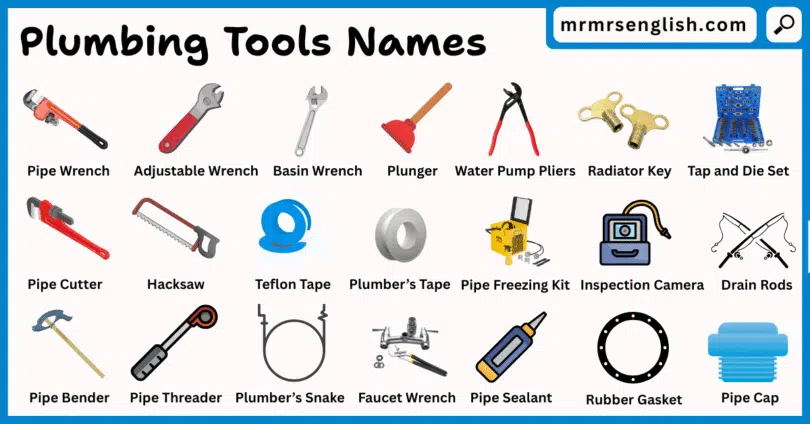
Credit: mrmrsenglish.com
Proper Use And Maintenance
Plumbing wrenches come in many types, each with a special job. Using them the right way keeps your work safe and easy.
Keeping your wrenches clean and in good shape helps them last longer. This guide explains how to use and care for them properly.
Safe Handling Tips
Hold the wrench firmly and use your hand to guide it. Avoid forcing the wrench on pipes or fittings.
Always wear gloves to protect your hands from sharp edges and slipping. Make sure the wrench fits the pipe well before turning.
- Choose the right wrench size for the job
- Keep a steady grip to prevent slips
- Do not use a wrench as a hammer
- Turn the wrench slowly and with control
- Wear safety gloves and eye protection
Cleaning And Storage
After use, wipe your wrenches with a clean cloth to remove dirt and grease. This stops rust and keeps the tool smooth.
Store wrenches in a dry place. Use a toolbox or hang them on a rack to avoid damage and loss.
- Clean wrenches after each use
- Apply light oil to metal parts to prevent rust
- Keep wrenches in a dry and cool area
- Organize wrenches by size and type
- Check for dirt or buildup before storing
When To Replace Your Wrenches
Replace wrenches if they show cracks, bent handles, or worn teeth. Using damaged tools can cause injury or damage pipes.
If the wrench slips often or does not grip well, it is time to get a new one. Regular checks help keep your work safe and precise.
- Look for cracks or breaks in the metal
- Check if jaws or teeth are worn down
- Replace if handles are bent or loose
- Stop using wrenches that slip on pipes
- Inspect tools before each job
Essential Wrenches For Diy Plumbing
Plumbing work requires the right tools to fix pipes and fittings. Wrenches are key for gripping and turning plumbing parts. Knowing which wrench to use makes your work easier.
This guide covers essential wrench types for DIY plumbing. It helps you build a basic toolkit with versatile and cost-effective options.
Basic Toolkit Setup
Start with a few basic wrenches to handle common plumbing tasks. These wrenches fit most pipes and fittings you will meet.
- Adjustable wrench: fits many nut sizes and shapes
- Pipe wrench: grips round pipes tightly
- Basin wrench: reaches tight spots under sinks
Having these three wrenches covers most repair and installation jobs in your home.
Versatile Tools For Multiple Tasks
Some wrenches work well for several plumbing tasks. These tools save space and money in your toolkit.
- Adjustable wrench: use on nuts, bolts, and fittings
- Channel lock pliers: grip pipes and tighten fasteners
- Basin wrench: adjust faucet connections in hard spots
These wrenches help you handle leaks, tighten joints, and install fixtures easily.
Cost-effective Options
You can find affordable wrenches that last long and work well. Buying a set can be cheaper than single tools.
- Look for adjustable wrenches with a strong grip
- Choose pipe wrenches with durable jaws
- Check for basin wrenches with comfortable handles
Good quality wrenches do not need high prices to perform well in home plumbing jobs.

Credit: mafpro.in
Frequently Asked Questions
What Are The Main Types Of Plumbing Wrenches?
The main types include pipe wrenches, adjustable wrenches, basin wrenches, and strap wrenches. Each serves a specific plumbing task for gripping, turning, or loosening pipes and fittings effectively.
How Do You Use A Pipe Wrench Correctly?
Adjust the pipe wrench jaws to fit snugly around the pipe. Apply pressure in the wrench’s designed direction to avoid slipping or damaging the pipe surface.
When Should You Use A Basin Wrench?
Use a basin wrench to reach and tighten or loosen nuts under sinks. Its long handle and pivoting head are ideal for tight, hard-to-reach spaces.
What Is The Difference Between Adjustable And Pipe Wrenches?
Adjustable wrenches have smooth jaws for nuts and bolts, while pipe wrenches have serrated jaws for gripping round pipes securely without slipping.
Conclusion
Choosing the right plumbing wrench makes any job easier. Each wrench fits a specific task and pipe type. Knowing their uses helps you work faster and safer. Keep your tools organized and in good condition. Practice using different wrenches to build your confidence.
Simple tools, big results. Plumbing work becomes less stressful with the right wrench in hand.