Ladders are a common tool in every workshop, but using them without care can lead to serious accidents. Have you ever wondered if you’re climbing safely or risking a fall?
The truth is, many ladder injuries happen because simple safety rules are ignored. This guide will show you easy and effective tips to keep you steady and secure every time you use a ladder. Keep reading to protect yourself and your team from avoidable dangers.
Your safety starts with what you do right now.
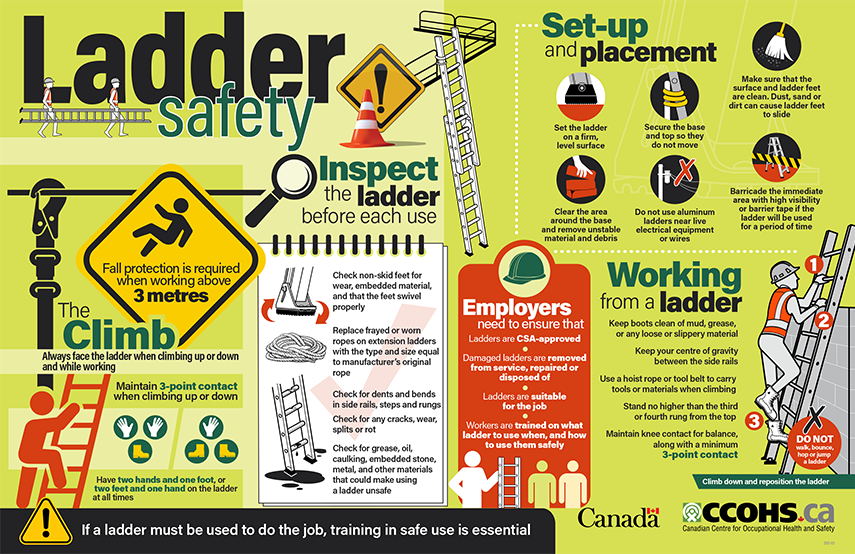
Credit: www.ccohs.ca
Choosing The Right Ladder
Using a ladder safely starts with choosing the right one. The correct ladder fits the task and workshop environment. This helps prevent accidents and injuries.
Consider the ladder type, material, and weight capacity before buying or using it. These factors keep you safe and make your work easier.
Types Of Ladders
There are many ladder types for different jobs in workshops. Pick the type that fits your task and space.
- Step ladders: Good for low heights and indoor use.
- Extension ladders: Reach higher places outside or inside.
- Platform ladders: Provide a wide standing area for long tasks.
- Folding ladders: Easy to store and carry around.
Material Considerations
Ladders come in different materials. Each has its benefits and limits in the workshop.
Choose material based on safety, durability, and the type of work you do.
- Aluminum: Lightweight and rust-resistant, but conducts electricity.
- Fiberglass: Strong and safe around electricity, heavier than aluminum.
- Wood: Non-conductive and sturdy, but can rot or crack over time.
Weight Capacity
Every ladder has a weight limit. This includes your weight plus tools and materials.
Always check the ladder’s weight rating before use to avoid accidents.
- Type IAA: Extra heavy duty, supports up to 375 pounds.
- Type IA: Heavy duty, supports up to 300 pounds.
- Type I: Medium duty, supports up to 250 pounds.
- Type II: Light duty, supports up to 225 pounds.
- Type III: Household use, supports up to 200 pounds.
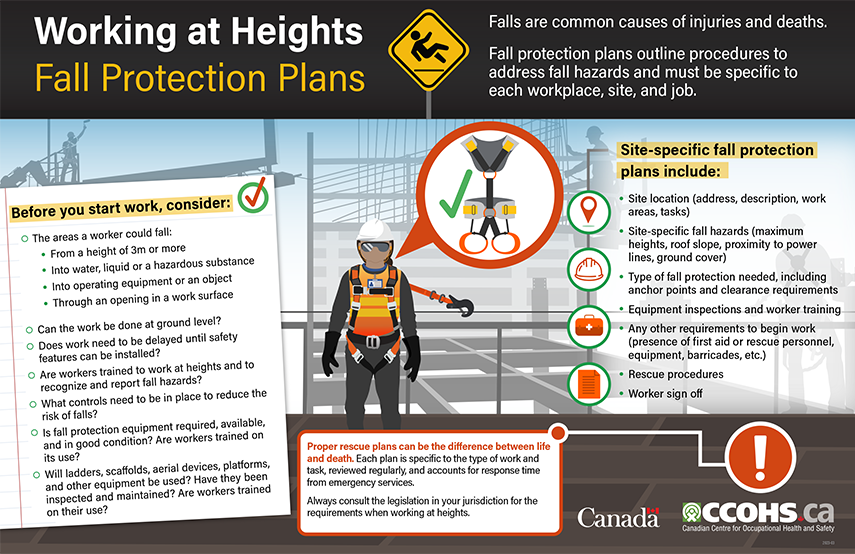
Credit: www.ccohs.ca
Inspecting Ladders Before Use
Using a ladder safely starts with a good inspection. Check the ladder before every use to avoid accidents.
Look closely at the ladder’s parts and make sure it is safe to climb. This helps keep you safe in your workshop.
Checking For Damage
Look for cracks, bends, or breaks in the ladder’s frame. Check the rungs for any damage or wear.
Make sure the ladder’s feet are not worn out or missing. Damaged ladders should never be used.
- Check all joints and welds for cracks
- Look for loose or missing screws
- Inspect the ladder feet for wear or damage
- Test the rungs for stability and cracks
Ensuring Stability
Set the ladder on a flat and firm surface. Avoid slippery or uneven floors to keep the ladder steady.
Make sure all locks and braces are secure before climbing. This stops the ladder from moving or folding.
- Place ladder feet firmly on the ground
- Check that spreaders or locks are fully engaged
- Test the ladder by gently shaking it before use
- Do not use the ladder if it wobbles or slips
Cleaning And Maintenance
Keep the ladder clean from dirt, oil, and grease. Clean ladders help prevent slips and falls.
Store ladders in a dry place to avoid rust and damage. Regular maintenance extends ladder life and safety.
- Wipe down ladders after use to remove dust and grease
- Use mild soap and water for cleaning
- Check for rust and repaint if needed
- Store ladders indoors or under cover
Proper Ladder Placement
Using a ladder safely in workshops starts with placing it correctly. Proper placement keeps you steady and prevents falls.
Always check the surface and surroundings before setting up your ladder. This helps avoid accidents and injuries.
Level Ground Setup
Place your ladder on flat and stable ground. Uneven surfaces can cause the ladder to tip over.
Use ladder levelers or blocks if the ground is slightly uneven. Never set a ladder on loose materials like gravel or dirt.
- Check for rocks, holes, or slippery spots
- Clear debris before placing the ladder
- Use a firm base to keep the ladder steady
Angle Guidelines
Set the ladder at the right angle to avoid slipping. The base should be one foot away from the wall for every four feet of ladder height.
This 4-to-1 rule helps keep the ladder stable and safe to climb. A ladder that leans too much can fall backward or sideways.
- Measure the distance from the wall to the ladder base
- Adjust the ladder angle before climbing
- Use ladder angle indicators if available
Avoiding Hazards
Look around the ladder area for hazards before use. Avoid placing the ladder near doors, electrical wires, or slippery spots.
Keep the workspace clear and make sure no one will bump the ladder. Use signs or barriers if needed to warn others.
- Check for overhead power lines
- Keep the ladder away from doorways
- Remove slippery substances like oil or water
- Make sure the ladder is not blocking walkways
Safe Climbing Practices
Using a ladder safely is very important in workshops. Climbing correctly helps prevent falls and injuries.
Follow simple rules to keep yourself steady and safe when working on ladders.
Three-point Contact Rule
Always keep three points of contact with the ladder. This means two hands and one foot or two feet and one hand.
This rule helps you stay balanced and reduces the risk of slipping or falling.
- Hold the ladder firmly with both hands while climbing
- Keep your body centered between the ladder rails
- Move slowly and carefully to maintain contact
Carrying Tools Safely
Do not carry tools in your hands while climbing. Use a tool belt or hoist tools up after you reach the top.
This keeps your hands free to hold the ladder and prevents dropping tools on others below.
- Wear a tool belt to keep tools close
- Lift tools with a rope or bucket after climbing
- Keep tools organized to avoid accidents
Avoiding Overreach
Do not lean too far to one side while on a ladder. Overreaching can cause you to lose balance and fall.
Move the ladder closer to your work instead of stretching your body.
- Keep your belt buckle between the ladder rails
- Step down and reposition the ladder if needed
- Do not try to reach too far at any height
Using Ladders In Workshops
Using ladders in workshops can be risky if safety rules are ignored. It is important to follow safety tips to avoid accidents and injuries.
This guide covers key safety tips for working with ladders in workshop environments.
Dealing With Workshop Clutter
Keep the workshop floor clean and free of clutter before using a ladder. Clutter can cause trips or make the ladder unstable.
Clear away tools, cords, and materials around the ladder area. Make sure the ladder’s base rests on a flat surface.
- Remove loose items near the ladder
- Check floor for slippery spots
- Keep the ladder area well-lit
Electrical Safety
Always check for electrical hazards before using a ladder near wiring or outlets. Metal ladders conduct electricity and can cause shocks.
Use fiberglass or wooden ladders when working near electrical equipment. Keep the ladder away from live wires and power sources.
- Identify electrical hazards around your work area
- Use non-conductive ladders near electricity
- Do not touch power lines or outlets while on the ladder
Working Near Machinery
Be cautious when using ladders near machines. Moving parts can cause serious injuries if they catch clothing or ladder parts.
Turn off machines before climbing ladders nearby. Keep a safe distance from machines that operate automatically.
- Stop machines before ladder use
- Wear tight clothing to avoid getting caught
- Position ladder away from machine moving parts
Storing Ladders Properly
Storing ladders correctly is important for safety in workshops. It helps keep ladders in good shape and ready to use.
Proper storage also prevents accidents and damage. This guide shares tips on storing ladders safely indoors.
Indoor Storage Tips
Keep ladders in a dry, clean area inside the workshop. Avoid places that get wet or very hot.
Hang ladders on strong hooks or place them flat on racks. This stops ladders from falling or bending.
- Use wall hooks to hang ladders vertically
- Store step ladders flat on shelves
- Keep ladders away from heavy traffic areas
- Ensure the storage place is well lit
Preventing Damage
Protect ladders from scratches and dents by storing them carefully. Avoid stacking heavy objects on top.
Check ladders regularly for cracks or loose parts. Fix small problems before using the ladder again.
- Do not lean ladders against rough surfaces
- Use padding on hooks to avoid scratches
- Keep ladders clean and dry
- Inspect for damage before each use
Accessibility
Store ladders where you can reach them easily. This saves time and reduces the risk of accidents.
Label ladder storage spots clearly. Make sure ladders do not block walkways or emergency exits.
- Place ladders near work areas
- Keep paths to ladders clear
- Use signs to mark ladder storage
- Make sure ladders are easy to carry out

Credit: www.safetyandhealthmagazine.com
Frequently Asked Questions
What Is The Safest Way To Use A Ladder In A Workshop?
Always ensure the ladder is on a stable surface before use. Maintain three points of contact while climbing. Check for any damage or wear on the ladder. Do not lean too far to the sides when working. Follow the manufacturer’s guidelines for weight and height limits.
How Do I Choose The Right Ladder For Workshop Tasks?
Select a ladder based on the task’s height and weight requirements. Aluminum ladders are lightweight and ideal for most tasks. Fiberglass ladders provide electrical safety. Ensure the ladder’s duty rating matches the task’s demands. A step ladder is perfect for lower heights, while an extension ladder suits taller tasks.
What Are Common Ladder Safety Mistakes In Workshops?
Common mistakes include using damaged ladders and overreaching while on the ladder. Not securing the ladder properly is another issue. Ignoring weight limits can lead to accidents. Failing to maintain three points of contact is a frequent oversight. Always follow safety guidelines to prevent mishaps.
How Do I Maintain Ladder Safety In A Busy Workshop?
Regularly inspect ladders for damage or wear and repair as needed. Store ladders in a dry, cool place to prevent rust. Ensure that all workshop staff are trained in ladder safety. Use safety signage to remind workers of ladder usage rules.
Replace ladders that show signs of damage.
Conclusion
Safe ladder use keeps workshops accident-free. Always check ladder condition before use. Place ladders on flat, stable ground only. Keep your body centered while climbing up or down. Avoid carrying heavy tools when climbing ladders. Use the right ladder height for your task.
Stay alert and avoid rushing during work. Following these simple tips protects you and others. Safety starts with smart ladder habits every day. Keep these rules in mind for a safer workspace.