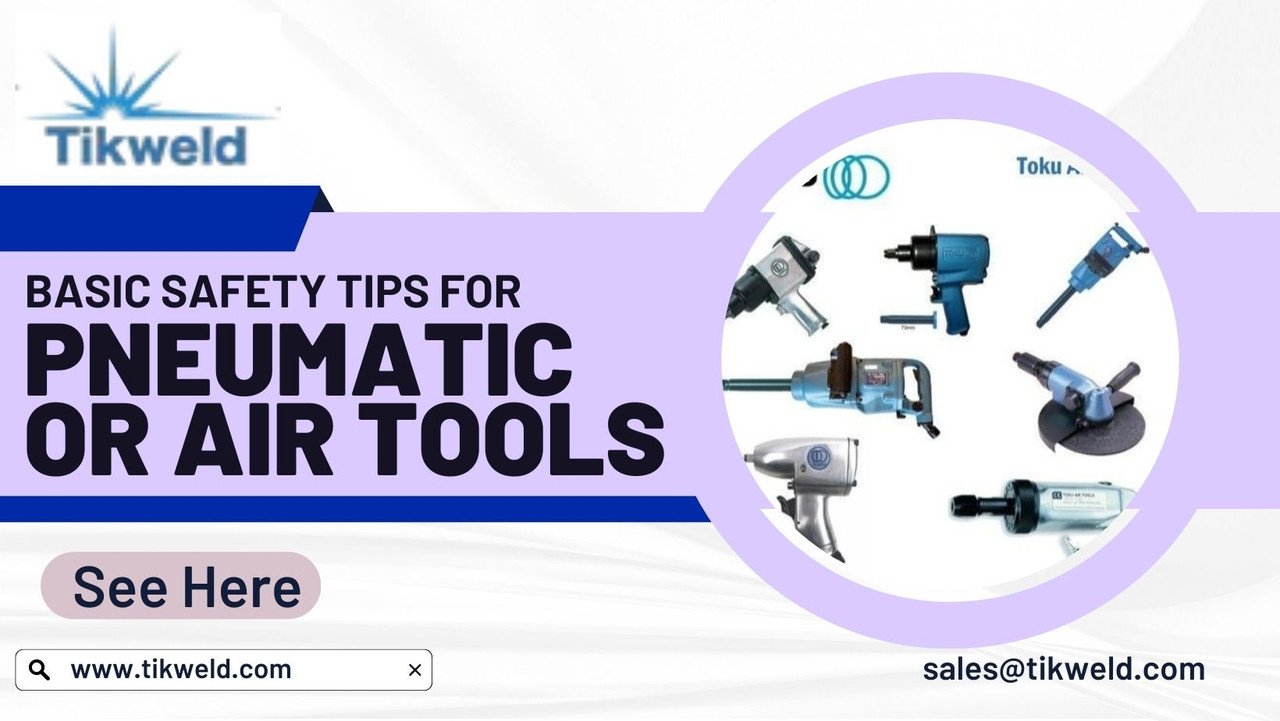
When you use pneumatic tools, your safety should always come first. These powerful tools make your work faster and easier, but they can also be dangerous if you’re not careful.
Imagine avoiding costly injuries and keeping your workspace accident-free just by following a few simple steps. You’ll discover easy-to-follow safety tips that protect you and your team every time you pick up a pneumatic tool. Keep reading to learn how to work smarter—and safer—starting right now.
Credit: www.gz-supplies.com
Choosing The Right Pneumatic Tool
Picking the correct pneumatic tool helps you work safely and efficiently. Using the right tool reduces accidents and damage.
Consider what the tool will do before buying or using it. The right tool matches the job and works well with your equipment.
Matching Tool To Task
Select tools that fit the specific task you need to complete. Using the wrong tool can cause injury or damage.
Check the tool’s power, size, and speed to match your task. This helps you finish work faster and safer.
- Use a small air drill for light drilling tasks
- Choose a heavy-duty impact wrench for tough bolts
- Select a finishing nailer for delicate woodwork
- Pick a sander with the right grit for smooth surfaces
Checking Tool Compatibility
Make sure your pneumatic tool fits your air compressor and accessories. Wrong compatibility causes poor performance or accidents.
Check the tool’s air pressure and hose size before use. Using correct parts keeps tools working well and safe.
- Verify the tool’s required PSI matches your compressor
- Use hoses with the right diameter and length
- Inspect connectors and fittings for tight seals
- Replace worn or damaged parts immediately
Inspecting Tools Before Use
Checking pneumatic tools before using them is very important. It helps keep you safe and prevents accidents.
Regular inspection finds problems early. Fixing issues before work starts saves time and money.
Visual Inspection
Look over the tool carefully for damage. Check for cracks, dents, or missing parts.
Make sure all safety guards are in place. Clean tools work better and last longer.
- Check for cracks or dents
- Look for loose or missing parts
- Verify safety guards are attached
- Remove dirt and debris
Testing Air Pressure
Check the air pressure before using the tool. Too much or too little pressure can cause problems.
Use a pressure gauge to measure the air supply. Follow the tool’s recommended pressure range.
- Use a pressure gauge for accuracy
- Keep pressure within the tool’s limits
- Adjust air supply if needed
- Turn off air when adjusting
Checking Hoses And Connectors
Inspect hoses for cracks, leaks, or wear. Damaged hoses can cause air leaks and accidents.
Check connectors for tightness and damage. Loose connectors can disconnect during use.
- Look for cracks or holes in hoses
- Check fittings for secure attachment
- Replace worn or damaged parts
- Keep hoses away from sharp edges
Proper Personal Protective Equipment
Using pneumatic tools can be dangerous without the right safety gear. Proper personal protective equipment (PPE) helps protect you from injuries.
Wearing the correct PPE reduces risks from flying debris, loud noises, and sharp tool parts.
Eye Protection
Eye protection is essential when using pneumatic tools. Small particles can fly into your eyes and cause serious damage.
Always wear safety goggles or glasses that meet safety standards. Choose ones that fit well and do not fog up easily.
- Use impact-resistant goggles or glasses
- Ensure side protection to block flying debris
- Replace damaged or scratched eyewear immediately
Hearing Protection
Pneumatic tools often produce loud noises that can harm your hearing. Protect your ears to avoid long-term damage.
Use earplugs or earmuffs designed to reduce noise. Choose comfortable options that you can wear for a long time.
- Wear earplugs for tight spaces
- Use earmuffs for better noise reduction
- Check hearing protection regularly for wear
Hand And Body Safety
Hands and body parts are close to pneumatic tools. Protect your skin from cuts, bruises, and vibrations.
Wear gloves that fit well and allow good grip. Use protective clothing to cover exposed skin and reduce injury risks.
- Choose gloves resistant to punctures and cuts
- Wear long sleeves and durable fabrics
- Use anti-vibration gloves if needed
Safe Operating Techniques
Using pneumatic tools can be dangerous without the right safety steps. Follow safe operating techniques to prevent injuries.
These tips help you work carefully and keep control of the tools at all times.
Correct Handling And Grip
Hold pneumatic tools firmly with both hands when possible. A good grip stops the tool from slipping or jerking out of your hand.
Keep your hands dry and clean. Avoid wearing loose gloves that can catch on moving parts.
- Use the handle designed for gripping
- Keep fingers away from trigger unless ready to use
- Do not force the tool; let it do the work
Maintaining Control
Stay focused and keep a steady stance while using pneumatic tools. This helps you control the tool and avoid accidents.
Check the air pressure regularly. Too much pressure can make the tool hard to control.
- Stand with feet apart for balance
- Keep the tool pointed away from your body
- Use safety gear like goggles and ear protection
Avoiding Unsafe Positions
Do not use pneumatic tools in awkward or cramped spaces. Poor body positions increase the risk of losing control.
Avoid overreaching or working above shoulder height. This can cause muscle strain and reduce your control.
- Keep your body close to the tool
- Work at waist level when possible
- Take breaks if you feel tired or uncomfortable
Maintaining Pneumatic Tools
Proper maintenance keeps pneumatic tools safe and working well. It helps avoid accidents and tool damage.
Follow simple steps like cleaning, lubricating, and repairs. This keeps tools in good shape for a long time.
Regular Cleaning
Clean your pneumatic tools after each use. Dirt and dust can block moving parts and cause damage.
Use a dry cloth or compressed air to remove debris. Avoid using water as it can cause rust.
- Remove dirt from tool surfaces
- Clean air inlets and outlets
- Check for clogged parts
Lubrication Practices
Lubricate pneumatic tools regularly to reduce wear. Oil keeps parts moving smoothly and prevents rust.
Use the right oil recommended by the tool maker. Add oil to the air inlet before use for best results.
- Apply a few drops of oil daily
- Use pneumatic tool oil only
- Avoid over-oiling to prevent dirt build-up
Scheduled Repairs
Check tools often for worn or broken parts. Fix problems early to avoid bigger damage or accidents.
Follow the tool’s repair schedule in the manual. Replace parts with correct, high-quality items.
- Inspect hoses and connections monthly
- Replace worn seals and fittings
- Test tool function after repair
Managing Air Supply Safely
Using pneumatic tools needs careful control of air supply. Safe air management stops accidents and tool damage.
Follow safety tips to keep air pressure steady and avoid leaks. Manage hoses properly to prevent trips and bursts.
Using Proper Pressure Levels
Set the air pressure to match the tool’s requirements. Too much pressure can break the tool or cause injury.
Check the pressure gauge before starting work. Use regulators to keep pressure steady and safe.
- Always follow the tool’s pressure limits
- Use a pressure regulator for control
- Check pressure gauges regularly
Avoiding Air Leaks
Air leaks reduce tool power and waste energy. They can also cause sudden tool movements, which are dangerous.
Inspect all connections and hoses for leaks. Replace worn or damaged parts to keep the air supply tight.
- Check fittings and couplers often
- Use soapy water to find leaks
- Replace damaged hoses or seals immediately
Safe Hose Management
Keep air hoses organized to prevent trips and hose damage. Tangled or kinked hoses can burst under pressure.
Store hoses properly after use. Avoid sharp bends and keep hoses away from heat and chemicals.
- Lay hoses flat and avoid twists
- Use hose reels or hooks for storage
- Keep hoses clear of walkways and sharp objects
Emergency Procedures
Using pneumatic tools safely includes knowing what to do in emergencies. Quick action can stop injuries and damage.
This guide covers how to shut down tools fast, respond to problems, and give first aid.
Shutting Down Tools Quickly
Always be ready to turn off pneumatic tools right away. Stop the air supply to prevent accidents.
Know where the main air valve is. Use the tool’s trigger or switch to stop it fast.
- Release the trigger immediately
- Close the main air valve
- Disconnect the air hose if safe
Responding To Malfunctions
Stop using tools if they act strange or make unusual sounds. Malfunctions can cause harm or damage.
Inform your supervisor and do not try to fix the tool alone unless trained. Use a backup tool if needed.
- Turn off the tool immediately
- Report the problem to a supervisor
- Tag the tool as “Do Not Use”
- Wait for a qualified person to repair it
First Aid Measures
Know basic first aid for injuries from pneumatic tools. Quick care lowers injury severity.
Call emergency services for serious wounds or if the injured person cannot move. Keep calm and follow safety steps.
- Stop bleeding by applying pressure
- Clean small cuts with water
- Keep injured limbs still and elevated
- Use a bandage or cloth to cover wounds
- Get help quickly for serious injuries
Credit: tendsupplies.com
Training And Awareness
Using pneumatic tools safely needs good training and awareness. Workers must know how to handle tools correctly. Training helps prevent accidents and injuries.
Awareness about dangers and safety rules is important. It keeps the workplace safe for everyone. Regular training updates skills and knowledge.
Operator Training
Operators should learn how to use pneumatic tools before work. Training teaches correct handling and maintenance. It lowers the risk of tool misuse.
Training covers tool parts, safe operation, and emergency steps. Hands-on practice helps operators gain confidence and skill.
- Understand tool functions and controls
- Follow safety instructions every time
- Use personal protective equipment (PPE)
- Check tools for damage before use
- Report problems immediately
Workplace Safety Culture
A safety culture means everyone values safe work habits. Workers watch out for dangers and follow rules. Supervisors support safety and lead by example.
Encouraging open communication helps spot hazards early. Rewarding safe behavior motivates workers to stay careful.
- Hold regular safety meetings
- Encourage reporting of unsafe acts
- Provide easy access to safety gear
- Set clear safety rules and enforce them
- Recognize safe work efforts
Updating Safety Knowledge
Safety rules change as new tools and risks appear. Workers need ongoing learning to stay safe. Regular updates keep skills fresh and sharp.
Use refresher courses, safety talks, and written guides. Review incidents to learn and improve safety practices.
- Schedule regular safety training sessions
- Share new safety procedures promptly
- Review accident reports for lessons
- Encourage questions and feedback
- Update safety materials regularly
Credit: tendsupplies.com
Frequently Asked Questions
What Are Essential Safety Tips For Pneumatic Tools?
Always wear protective gear, inspect tools before use, and follow manufacturer instructions carefully. Secure air hoses and avoid pointing tools at people. Regular maintenance prevents malfunctions and accidents.
How To Prevent Air Hose Accidents With Pneumatic Tools?
Keep air hoses untangled and away from sharp edges. Use proper fittings and check for leaks. Never carry tools by the hose to avoid damage and injury.
Why Is Regular Maintenance Important For Pneumatic Tools?
Regular maintenance ensures tools work efficiently and safely. It prevents breakdowns, reduces wear, and avoids accidents caused by faulty equipment.
Can Improper Use Of Pneumatic Tools Cause Injuries?
Yes, misuse can cause severe injuries like punctures, bruises, or eye damage. Always use tools as directed and wear safety equipment.
Conclusion
Pneumatic tools require careful handling for safety. Always wear proper safety gear. Check tools regularly for damage or wear. Ensure connections are tight and secure. Use the right tool for each job. Keep work areas clean and organized. Follow manufacturer’s instructions closely.
Store tools safely after use. Educate yourself on potential hazards. Practice these tips to protect yourself. Safety first, always. Stay alert and focused during use. Your well-being matters. These steps help prevent accidents. Keep these tips in mind. Safety is a priority with pneumatic tools.
Protect yourself and others. Stay safe and work smart.