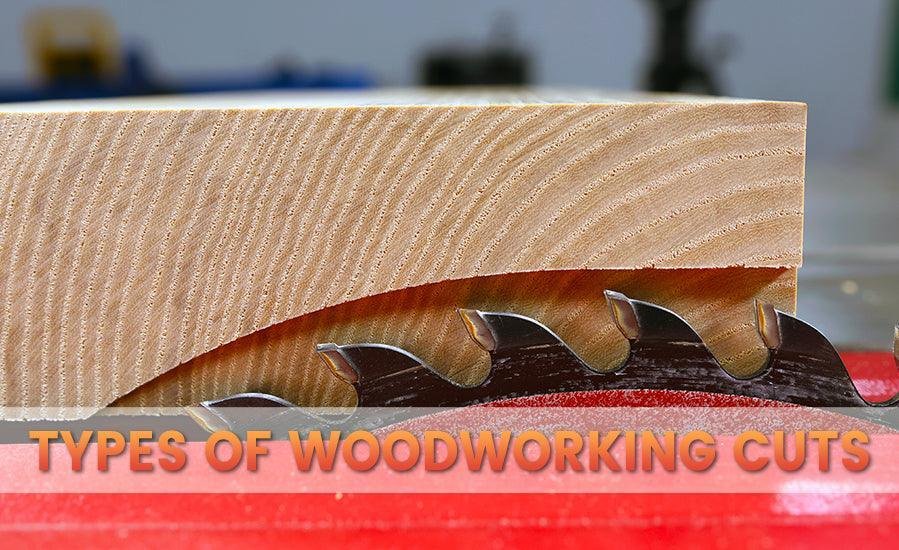
When you’re ready to cut wood like a pro, choosing the right table saw blade can make all the difference. But with so many types out there, how do you know which one fits your project?
Understanding the different table saw blade types will save you time, improve your cuts, and protect your tools. This guide breaks down everything you need to know, helping you pick the perfect blade for your needs. Keep reading, and you’ll never second-guess your blade choice again.
Types Of Table Saw Blades
Table saw blades come in different types for various cutting needs. Choosing the right blade helps you get clean and accurate cuts.
Each blade type is made for a specific task like ripping, crosscutting, or working with plywood. Learn about the common types here.
Ripping Blades
Ripping blades cut wood along the grain. They have fewer teeth and large gullets to remove wood chips fast.
These blades make straight cuts in lumber and boards. They work best for fast, rough cuts.
- Usually 24 teeth or fewer
- Large spaces between teeth (gullets)
- Designed for ripping wood fibers
- Faster cutting speed with rough finish
Crosscut Blades
Crosscut blades cut across wood grain. They have many small teeth for smooth, clean cuts.
These blades are good for trimming and finishing wood pieces. They reduce splintering and tear-out.
- Usually 60 to 80 teeth
- Small teeth for fine cutting
- Designed to cut wood fibers cleanly
- Slower cutting with smoother finish
Combination Blades
Combination blades are good for both ripping and crosscutting. They offer a balance of speed and finish.
These blades have a moderate number of teeth and alternate tooth angles. They are versatile for many projects.
- Usually 40 to 50 teeth
- Alternating bevel teeth
- Can rip and crosscut wood
- Good for general use
Plywood Blades
Plywood blades cut thin wood sheets and veneers. They have many fine teeth to prevent splintering.
These blades give clean edges on plywood, MDF, and other panel materials. They reduce chip-out on both sides.
- Usually 80 to 100 teeth
- Very fine tooth design
- Designed to cut thin sheets cleanly
- Minimizes tear-out and chips
Dado Blades
Dado blades cut wide grooves or channels in wood. They are made of stacked plates and teeth.
These blades are used for joinery tasks like making dadoes and rabbets. They cut wider than normal blades.
- Stacked design with adjustable width
- Used for grooves and joints
- Not for regular straight cuts
- Common in woodworking joinery
Blade Tooth Configurations
Table saw blades have different tooth shapes to cut various materials. Each design changes how the blade cuts wood or other items.
Choosing the right tooth configuration helps you get clean and accurate cuts every time.
Atb (alternate Top Bevel)
The ATB design has teeth that tilt left and right, alternating on the blade. This shape slices wood fibers cleanly for smooth cuts.
- Best for crosscutting wood
- Reduces splintering on plywood and laminates
- Works well for finish cuts
Ftg (flat Top Grind)
FTG teeth are flat across the top. They remove material fast by scraping through the wood. This shape lasts longer on tough jobs.
- Great for ripping wood along the grain
- Strong and durable tooth shape
- Leaves a rougher cut than ATB
Tcg (triple Chip Grind)
TCG teeth alternate between a flat tooth and a trapezoid tooth. This design cuts hard materials without dulling quickly.
| Tooth Type | Description | Use |
| Flat Tooth | Scrapes material off surface | Hard materials like metal or plastic |
| Trapezoid Tooth | Chips away material with a strong edge | Extends blade life on tough cuts |
Combination Tooth Patterns
Combination blades mix different tooth shapes on one blade. They balance fast cutting and smooth finish.
Common patterns in combination blades include:
- Alternating ATB and FTG teeth
- Grouping teeth in sets for specific tasks
- Designed to cut both crossgrain and rip cuts
Blade Materials And Coatings
Table saw blades come in different materials and coatings. These affect how sharp and durable the blade will be.
Choosing the right blade material and coating helps you get clean cuts and long blade life.
Carbide-tipped Blades
Carbide-tipped blades have small pieces of carbide attached to the teeth. Carbide is a very hard material.
These blades stay sharp longer than other blades. They cut wood, plastic, and some metals easily.
- High durability
- Stay sharp for many cuts
- Good for hard materials
Steel Blades
Steel blades are made from solid steel. They are less expensive but wear out faster.
These blades work well for soft woods and light cutting jobs. They are not good for heavy use.
- Lower cost
- Good for soft wood
- Less durable than carbide
Blade Coatings For Durability
Coatings help protect blades from heat and rust. They also reduce friction while cutting.
Common coatings include titanium, Teflon, and ceramic. Each adds strength and lasts longer.
- Titanium coating resists heat and wear
- Teflon coating reduces friction and pitch build-up
- Ceramic coating increases blade life and prevents rust
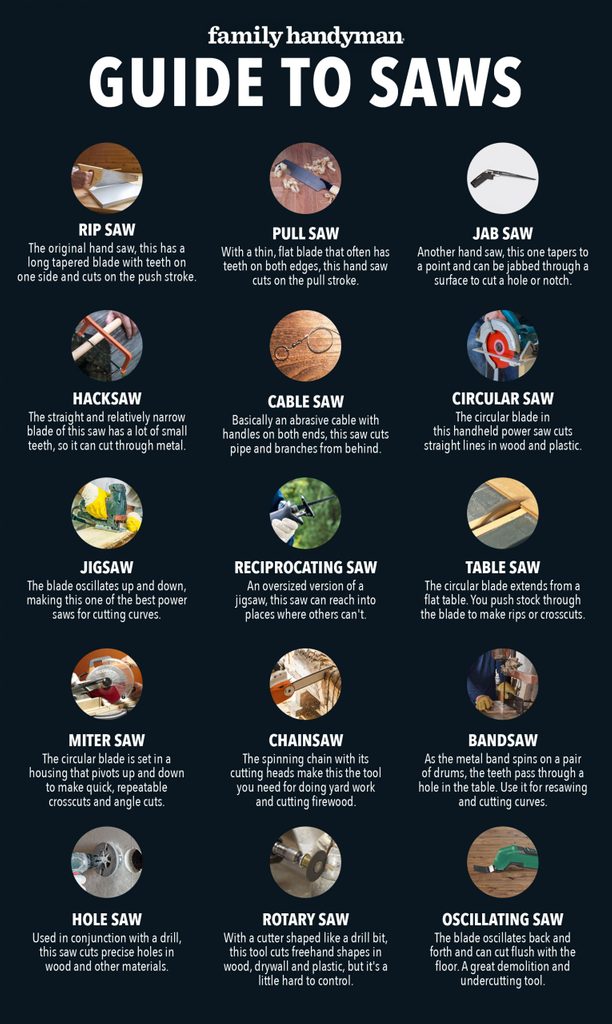
Credit: www.familyhandyman.com
Choosing The Right Blade For Your Project
Choosing the right table saw blade is important for good results. The blade affects how clean and fast your cuts are.
Different blades work better for different materials and tasks. Knowing what to pick helps you finish your project well.
Material Considerations
Think about what material you want to cut. Wood, metal, and plastic all need different blades.
Some blades have special teeth or coatings for harder materials. Use the right blade to avoid damage.
- Carbide-tipped blades work well for wood and soft materials
- Steel blades are good for cutting metal
- Special blades exist for plastics and laminates
Cut Quality Needs
The quality of the cut depends on the blade type. More teeth give a smoother cut but cut slower.
Fewer teeth cut faster but leave rough edges. Choose a blade based on how smooth you want the finish.
- High-tooth-count blades for fine, smooth cuts
- Low-tooth-count blades for fast, rough cuts
- Combination blades for general use and good balance
Blade Diameter And Arbor Size
Blade size must match your table saw. The diameter affects cutting depth and power needs.
The arbor size is the hole in the center of the blade. It must fit your saw’s arbor perfectly to work safely.
- Common blade diameters: 7-1/4 inch, 8-1/4 inch, 10 inch
- Check your saw’s manual for correct arbor size
- Using the wrong size can cause damage or accidents
Maintenance Tips For Table Saw Blades
Keeping your table saw blades in good shape helps them work better and last longer. Regular care prevents damage and keeps cuts clean.
Follow simple maintenance steps to protect your blades from rust, dullness, and wear. This saves money and ensures safety.
Cleaning And Rust Prevention
Dirt and pitch build-up reduce blade performance. Clean blades often to remove sticky residue and dust.
To stop rust, dry blades after cleaning and store them in a dry place. Apply a thin oil layer to protect metal.
- Use a soft brush or cloth to clean blades
- Apply a commercial blade cleaner or mild solvent
- Wipe blades dry immediately after cleaning
- Spray light machine oil to prevent rust
- Store blades away from moisture and humidity
Sharpening Techniques
Dull blades make cutting harder and less safe. Sharpen blades regularly to keep edges sharp and smooth.
You can sharpen blades by hand or use a professional sharpening service. Keep teeth angle and shape consistent.
- Inspect teeth for dullness or damage before sharpening
- Use a diamond file or sharpening stone for hand sharpening
- Maintain the original angle of the teeth
- Remove any burrs after sharpening
- Consider professional sharpening for best results
Safe Storage Practices
Store blades properly to avoid damage and rust. Keep blades separated to prevent teeth from hitting each other.
Use blade cases or hang blades on hooks. Keep blades in a dry place with stable temperature.
- Use blade protectors or cases for each blade
- Hang blades on wall hooks or store flat with padding
- Keep blades away from moisture and extreme temperatures
- Label blades to identify types and sizes easily
- Inspect blades before use after storage
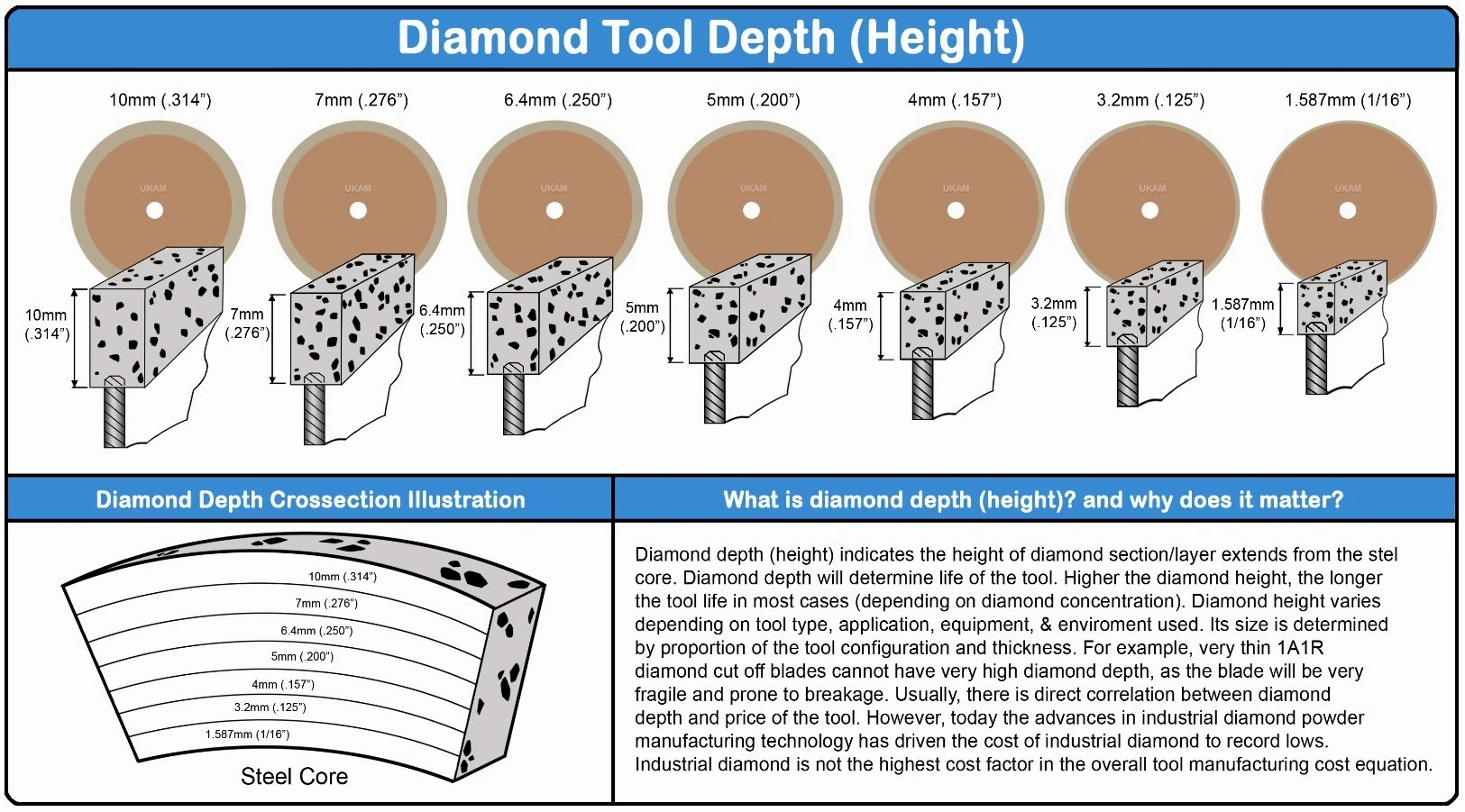
Credit: ukam.com
Common Mistakes To Avoid
Using the right table saw blade is important for good cuts. Many people make simple mistakes that cause poor results.
Knowing what to avoid helps you work safer and get better cuts every time.
Using The Wrong Blade Type
Each blade type cuts certain materials best. Using the wrong blade can cause rough cuts and blade damage.
For example, a blade made for wood will not cut metal well. It also wears out faster if used incorrectly.
- Use a blade designed for your material
- Check the tooth count for your project
- Match blade type to the cut style you need
Ignoring Blade Damage
Damaged blades cause unsafe cuts and can ruin your workpiece. Do not ignore signs of wear or damage.
Look for chipped teeth, cracks, or rust. Replace the blade if any damage appears to avoid accidents.
- Inspect blades before each use
- Sharpen dull blades or replace them
- Keep blades clean and dry to prevent rust
Improper Installation
A blade must be installed correctly to work well. Wrong installation can cause vibration and poor cuts.
Make sure the blade is tight and facing the right direction. Check the arbor size matches the blade hole.
- Turn off power before installing
- Align blade teeth to spin forward
- Tighten the arbor nut firmly but not too tight

Credit: www.reddit.com
Frequently Asked Questions
What Are The Main Types Of Table Saw Blades?
The main types include rip blades, crosscut blades, combination blades, and specialty blades. Each blade suits specific cutting tasks like ripping or crosscutting wood.
How To Choose The Right Table Saw Blade?
Choose based on the material and cut type. Consider tooth count, blade diameter, and kerf width for optimal performance.
What Is The Difference Between Rip And Crosscut Blades?
Rip blades have fewer teeth for fast, straight cuts. Crosscut blades have more teeth for smooth, precise cuts across the grain.
Can One Blade Handle Multiple Cutting Tasks?
Combination blades offer versatility by blending rip and crosscut teeth. They suit general woodworking but may not excel in specialized cuts.
Conclusion
Choosing the right table saw blade is crucial. Each type offers unique benefits. Consider your specific needs and projects. For precise cuts, select a fine-tooth blade. For faster cuts, use a rough-tooth blade. Combination blades offer versatility. Always match the blade to the material.
Wood, metal, or plastic require different blades. Safety should be your top priority. Ensure your blade is sharp and secure. Regular maintenance extends blade life. Understanding these basics enhances your woodworking skills. Make informed decisions and enjoy better results. A good blade transforms your table saw experience.
Happy sawing!