Is your garden struggling to grow despite your best efforts? If your soil feels hard and dense, it might be compacted clay soil holding your plants back.
When soil is compacted, water, air, and nutrients can’t easily reach your roots, making it tough for your garden to thrive. But don’t worry—there are simple, effective ways to fix this. You’ll discover easy tips for aerating compacted clay soil that can transform your garden’s health.
Keep reading to learn how to breathe new life into your soil and watch your plants flourish like never before.

Credit: au.mowrator.com
Causes Of Soil Compaction
Soil compaction happens when soil particles are pressed tightly together. This reduces the space for air and water. It makes it hard for roots to grow and for water to drain.
Several factors cause soil compaction. Understanding these helps protect your soil and plants.
Heavy Foot Traffic
Walking or running on soil repeatedly pushes the soil particles close. This pressure squeezes out air and water.
- Paths in gardens or yards often get compacted.
- Children playing in the same spot can cause compaction.
- Pets running on soil also add pressure.
Equipment Use
Heavy tools and machines press the soil down. This makes the soil dense and hard.
| Equipment Type | Effect on Soil |
| Lawn Mowers | Moderate compaction on grass areas |
| Tractors | High compaction on fields |
| Construction Machinery | Severe compaction on work sites |
Poor Drainage
Soil that stays wet for long can become compacted. Water fills the spaces between soil particles and pushes them together.
Signs of poor drainage include:
- Water pooling on the surface
- Soil that feels sticky or muddy
- Slow drying after rain
Benefits Of Aeration For Clay Soil
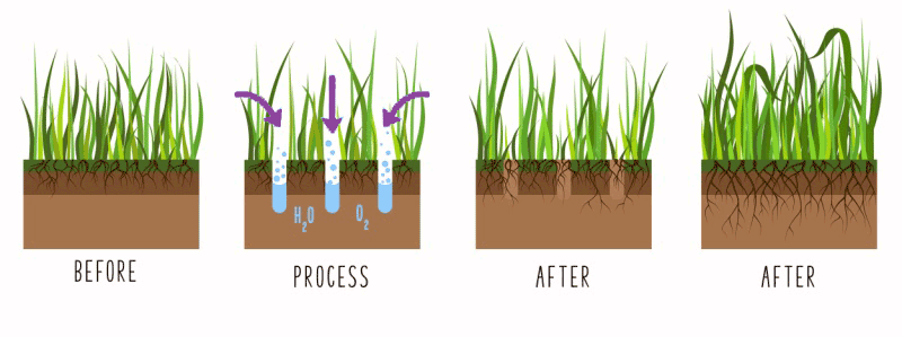
Aerating clay soil helps improve its structure. It breaks up hard, compacted layers.
This process allows air, water, and nutrients to reach plant roots more easily.
Improved Water Absorption
Clay soil holds water tightly and drains slowly. Aeration creates small holes.
These holes let water soak in faster and spread evenly in the soil.
- Reduces water pooling on the surface
- Prevents water runoff and erosion
- Keeps soil moist for longer
Enhanced Root Growth
Compact clay soil makes it hard for roots to grow deep. Aeration loosens the soil.
Roots can spread out and access more space and air. This makes plants stronger.
- Encourages deeper root systems
- Improves plant stability
- Supports healthier plant development
Better Nutrient Uptake
Clay soil often locks nutrients away from plants. Aeration helps nutrients move freely.
Air spaces let roots absorb nutrients more easily. This supports plant growth and health.
- Increases nutrient availability to roots
- Enhances fertilizer effectiveness
- Promotes balanced plant nutrition
Choosing The Right Aeration Tools
Aerating compacted clay soil helps improve water flow and root growth. Choosing the right tools makes the job easier and more effective.
This guide explains types of aerators and their benefits for compacted clay soil.
Manual Aerators
Manual aerators are simple tools that work well for small lawns. They need physical effort but give good control.
- Use a hand fork or spike aerator for tight spots.
- Manual core aerators remove plugs of soil to relieve compaction.
- They are affordable and easy to store.
Mechanical Aerators
Mechanical aerators are powered tools for larger areas. They save time and reduce effort.
| Type | Power Source | Best For |
|---|---|---|
| Gas-powered aerator | Gas engine | Large yards and heavy clay soil |
| Electric aerator | Electric motor | Medium yards, quieter operation |
| Tow-behind aerator | Tractor or lawn tractor | Very large areas, farms |
Spike Vs. Core Aerators
Spike aerators poke holes in the soil, while core aerators remove small plugs. Each works differently.
- Spike aeratorscreate holes but can compact soil more around them.
- Core aeratorsremove plugs, reducing soil compaction and improving air flow.
- Core aerators are better for dense clay soils.
- Spike aerators work well for light compaction and quick use.
Credit: www.ageas.co.uk
Preparing The Soil For Aeration
Compacted clay soil can stop air, water, and nutrients from reaching plant roots. Aeration helps loosen the soil and improve its health. Proper preparation makes aeration easier and more effective.
This guide covers how to prepare your soil before aeration. Follow these tips for better results in your garden or lawn.
Watering The Soil
Water the clay soil one or two days before aeration. Moist soil is softer and easier to puncture. Avoid watering on the same day because wet soil can clog aeration tools.
- Check soil moisture by squeezing a handful; it should feel damp but not muddy.
- Water evenly over the area to be aerated.
- Use a garden hose or sprinkler for thorough watering.
Clearing Debris
Remove leaves, sticks, and stones from the soil surface before aeration. Debris can block aerator tines and reduce effectiveness. Clearing the area also helps you see spots that need more care.
| Type of Debris | Reason to Remove |
|---|---|
| Leaves | Can clog aeration holes |
| Sticks | Can damage aerator tools |
| Stones | Can prevent deep soil penetration |
Timing For Best Results
Choose the right time to aerate compacted clay soil. Aeration works best when grass is actively growing. This allows the soil to heal quickly after aeration.
- Aerate in early spring for cool-season grasses.
- For warm-season grasses, aerate in late spring or early summer.
- Avoid aerating during dry or frozen soil conditions.
Step-by-step Aeration Process
Aerating compacted clay soil helps improve water flow and root growth. It breaks up hard soil and lets air reach plant roots.
Follow these steps to aerate your soil properly and keep your garden healthy.
Marking The Area
Start by marking the area you want to aerate. This helps you cover all spots without missing any.
Use flags or string to outline the boundaries clearly. This makes the process easier and more efficient.
- Clear the area of debris and rocks
- Mark edges with visible markers like flags
- Divide large spaces into smaller sections
Using The Aerator Effectively
Choose the right aerator for your soil type. Spike aerators poke holes, while plug aerators remove small soil cores.
Move the aerator slowly across the soil. Overlap passes slightly to cover every part evenly.
- Use a plug aerator for best results in clay soil
- Walk at a steady pace for deep holes
- Aerate when soil is moist but not wet
- Repeat on different angles for full coverage
Post-aeration Care
After aeration, water the soil deeply. This helps roots absorb moisture better and speeds recovery.
Apply mulch or compost to improve soil quality. Avoid heavy foot traffic on the area for a few days.
- Water the lawn or garden thoroughly
- Add organic matter like compost or mulch
- Keep off the aerated area for at least 48 hours
- Fertilize if needed to support growth
Additional Techniques To Loosen Clay Soil
Clay soil becomes hard and compact, making it tough for plants to grow. Using extra methods helps break up the soil and improve its texture.
These techniques add air and nutrients, allowing roots to spread easily. This guide covers three ways to make clay soil softer.
Adding Organic Matter
Organic matter like compost or manure helps clay soil by improving its structure. It adds tiny spaces for air and water to move through.
- Mix compost into the top 6 inches of soil.
- Add leaf mold or aged manure to boost nutrients.
- Use mulch on the surface to keep moisture in.
Using Gypsum
Gypsum is a natural mineral that helps clay soil by breaking down its dense particles. It improves drainage without changing soil pH much.
| Benefit | Description |
| Soil loosening | Gypsum helps separate clay particles. |
| Improved drainage | Water flows better after gypsum application. |
| Calcium source | Gypsum adds calcium without raising pH. |
Incorporating Sand
Mixing sand into clay soil can help make it less dense. Use coarse sand for best results, and mix it well with the soil.
- Do not use fine sand, as it can cause more compaction.
- Mix sand and clay soil in a ratio of about one part sand to two parts soil.
- Combine sand with organic matter for better effect.
Maintaining Aerated Soil
Aerated soil helps plants grow strong roots. Maintaining it keeps soil loose and healthy.
Good soil lets air, water, and nutrients reach the roots easily. Regular care is needed to keep it that way.
Regular Aeration Schedule
Aerate your clay soil at least twice a year. Spring and fall are the best times to do this.
- Aerate in early spring before new growth starts
- Do a second aeration in the fall to prepare for winter
- Use a core aerator for best results
- Avoid aeration when soil is too wet or too dry
Proper Watering Practices
Water your soil correctly to keep it healthy and aerated. Too much or too little water can cause problems.
| Watering Tip | Reason |
| Water deeply but less often | Encourages roots to grow deeper |
| Water early in the morning | Reduces evaporation and fungus risk |
| Check soil moisture before watering | Prevents overwatering |
| Use drip irrigation or soaker hoses | Delivers water slowly and efficiently |
Avoiding Future Compaction
Prevent soil from becoming compacted again by following simple rules.
- Limit foot and vehicle traffic on wet soil
- Use mulch to protect soil surface
- Plant cover crops to improve soil structure
- Do not work the soil when it is wet
- Use raised beds for heavy foot traffic areas

Credit: m.youtube.com
Frequently Asked Questions
How Can I Aerate Compacted Clay Soil?
Aerating compacted clay soil involves using tools like a core aerator or garden fork. These tools help create small holes, improving air and water movement. This process helps alleviate compaction and promotes healthier soil structure. Regular aeration, especially during the growing season, can significantly enhance soil fertility and plant growth.
Why Is Clay Soil Compaction A Problem?
Clay soil compaction restricts root growth and reduces water infiltration. It limits oxygen availability, affecting plant health and growth. Compacted clay also leads to poor drainage, increasing the risk of waterlogging. Addressing compaction improves soil structure, allowing for better nutrient absorption and healthier plants.
What Tools Are Best For Aerating Clay Soil?
Core aerators and garden forks are effective tools for aerating clay soil. Core aerators remove small plugs of soil, reducing compaction. Garden forks can be manually used to create holes, enhancing soil aeration. These tools improve soil structure, promoting better air, water, and nutrient movement.
How Often Should I Aerate Clay Soil?
Aerating clay soil once or twice a year is ideal. Focus on spring and fall for best results. Regular aeration prevents severe compaction and promotes a healthier soil environment. It supports better plant growth and enhances soil fertility over time.
Conclusion
Aerating compacted clay soil helps plants grow strong and healthy. It improves water flow and lets air reach roots easily. Use simple tools like a garden fork or aerator shoes. Regular aeration prevents soil from becoming too hard again. Add organic matter after aerating to boost soil quality.
Small efforts bring big changes to your garden’s health. Keep soil loose and your plants will thank you. Try these tips and watch your garden thrive. Simple steps can make a big difference.