Is your garden struggling, even after hours of care and attention? The problem might be right under your feet.
Compacted soil can suffocate plant roots, hinder water drainage, and stifle growth. But don’t worry, you’re not alone in this fight against stubborn ground. You’ll discover simple yet effective tips for aerating compacted soil, breathing new life into your garden.
Imagine lush greenery, thriving plants, and the satisfaction of knowing you’ve tackled the root of the problem. Ready to transform your soil and unlock your garden’s true potential? Let’s dig in!
Benefits Of Soil Aeration
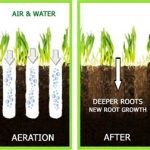
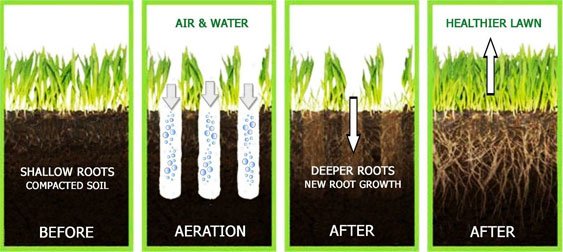
Aerating soil helps improve the health of plants and grass. It allows air, water, and nutrients to reach roots better.
Compacted soil can stop roots from growing well. Aeration fixes this problem and supports strong plant growth.
Improved Nutrient Absorption
Aerating soil creates small holes. These holes let nutrients move deeper into the soil.
Plants can take in more nutrients from the soil. This helps them grow healthier and stronger.
Enhanced Water Penetration
Water can soak into aerated soil faster. It does not just stay on the surface.
This helps plants get enough water, especially during dry times. It also reduces water runoff.
Reduced Soil Compaction
Soil aeration breaks up hard, packed soil. This makes it easier for roots to grow and spread.
Less compact soil means better air flow. Roots get the oxygen they need to stay healthy.
Signs Of Compacted Soil
Compacted soil can cause many problems for your lawn and garden. It stops air, water, and nutrients from reaching plant roots.
Knowing the signs of compacted soil helps you fix the problem early. This keeps your plants healthy and growing well.
Poor Grass Growth
Grass grows poorly in compacted soil because roots cannot spread easily. The plants get less oxygen and nutrients.
You may notice thin, patchy grass or bare spots. The grass may also look yellow or weak.
- Thin or sparse grass coverage
- Yellowing or weak grass blades
- Patchy or bare spots in the lawn
Water Pooling
Water pools on the surface because compacted soil does not absorb it well. This can cause puddles after rain or watering.
Standing water can harm grass and plants. It may lead to root rot or fungus problems.
- Water stays on the surface for a long time
- Small puddles form in low areas
- Soil stays wet even days after rain
Hard Soil Surface
The soil feels very hard when you try to dig or press on it. This shows it is tightly packed with little space.
Hard soil makes it hard for roots to grow deep. It also prevents air and water from moving well in the soil.
- Soil feels tough and compact to dig
- Cracks or clumps appear on dry soil
- Tools sink in with difficulty
Types Of Aeration Methods
Aeration helps improve soil by allowing air, water, and nutrients to reach roots. It reduces soil compaction and helps grass grow better.
There are different ways to aerate soil. Each way works well for certain soil types and lawn conditions.
Core Aeration
Core aeration removes small plugs of soil from the lawn. This creates holes where air and water can enter the soil easily.
This method is good for very compacted soil. It helps roots grow deeper and makes the lawn healthier.
- Uses a machine with hollow tines
- Removes plugs about 2-3 inches deep
- Best for thick, heavy soils
- Improves drainage and reduces thatch
Spike Aeration
Spike aeration pokes holes in the soil using solid spikes or nails. It does not remove soil but creates space for air.
This way is easier but may not work well on very hard soil. It can sometimes make soil more compacted around the holes.
- Uses solid spikes to create holes
- Does not remove soil plugs
- Good for light to medium compaction
- Can be done with hand tools or machines
Liquid Aeration
Liquid aeration uses a special solution to loosen soil particles. It helps break up compacted soil without making holes.
This method is easy to apply and works well for lawns that need gentle care. It improves soil structure over time.
- Applies liquid formula to soil surface
- Breaks down compacted soil particles
- Good for light compaction and regular lawn care
- Can be used with watering or rain

Credit: www.greenthumb.co.uk
Choosing The Right Time
Aerating compacted soil helps plants grow better. Picking the best time makes aeration more effective. Timing depends on weather and soil conditions.
Knowing when to aerate saves effort and improves soil health. It also avoids damage to your lawn or garden.
Seasonal Considerations
The best seasons for aerating are spring and fall. These seasons have moderate temperatures and more rain.
Aerating in spring helps roots grow for summer heat. Fall aeration prepares soil for winter and new spring growth.
- Spring: Soil warms up, plants begin growing
- Fall: Cooler weather, soil still moist
- Avoid summer heat and winter frost
Optimal Soil Moisture Levels
Soil should be moist but not wet before aerating. Wet soil can become muddy and compacted more.
Dry soil is hard and difficult to aerate. Water the soil a day before if it feels dry.
- Check soil by squeezing a handful
- It should hold shape but crumble easily
- Avoid aerating after heavy rain
Step-by-step Aeration Process
Aerating soil helps water, air, and nutrients reach grass roots. It improves lawn health and reduces soil compaction.
This guide shows you how to aerate your lawn in simple steps. Follow each part to get the best results.
Preparing The Lawn
Start by mowing your lawn to a short height. This makes it easier to aerate evenly.
Water the lawn a day before aeration. Moist soil is softer and easier to pierce.
- Remove debris like sticks and leaves
- Mark sprinkler heads and shallow cables
- Check the weather for dry conditions
Using Aeration Tools
Choose the right aeration tool for your lawn size. Core aerators remove plugs of soil and work best.
Push or run the aerator over your lawn in rows. Make sure to cover the entire area evenly.
- Use a hand aerator for small lawns
- Rent a machine aerator for larger lawns
- Overlap rows slightly for full coverage
- Do not aerate if the soil is very dry or wet
Post-aeration Care
Leave the soil plugs on the lawn. They will break down and add nutrients.
Water your lawn after aeration to help recovery. Avoid heavy foot traffic for a few days.
- Apply fertilizer or grass seed if needed
- Keep the lawn moist but not soaked
- Repeat aeration once or twice a year
Diy Vs Professional Aeration
Aerating compacted soil helps grass grow better by letting air, water, and nutrients reach roots. You can do it yourself or hire a professional.
Both DIY and professional aeration have pros and cons. Choosing the right option depends on your needs and budget.
Equipment Options
DIY aeration uses simple tools like hand aerators or spike shoes. These tools are easy to find and affordable.
Professional services use heavy machines like core aerators. These machines remove soil plugs and cover large areas fast.
- Hand aerators: Best for small yards
- Spike shoes: Easy but less effective
- Core aerators: Used by pros for deep aeration
Cost And Efficiency
DIY aeration costs less but takes more time and effort. Renting equipment adds some cost but stays cheaper than hiring.
Professional aeration costs more but saves your time. Experts finish the job quickly and do it well.
| Option | Cost | Time | Effectiveness |
|---|---|---|---|
| DIY | Low | Long | Moderate |
| Professional | High | Short | High |
When To Hire Experts
Hire professionals if your lawn is very large or heavily compacted. They have the right tools and experience for tough jobs.
Choose experts if you want fast results or lack time and physical strength. They ensure proper aeration without damage.
Maintaining Aerated Lawns
Aerating soil helps grass grow strong roots. It reduces soil compaction and improves air flow.
Maintaining an aerated lawn needs regular care. Proper watering, fertilization, and timing keep it healthy.
Proper Watering
Water your lawn deeply after aeration. This helps water reach grass roots better.
Avoid watering too often. Let the soil dry slightly between watering times.
- Water early in the morning to reduce evaporation
- Use about 1 inch of water per week
- Check soil moisture to avoid overwatering
Fertilization Tips
Fertilize after aeration to feed the grass roots. Use a balanced fertilizer for best growth.
Apply fertilizer evenly and follow label instructions. Too much fertilizer can harm the lawn.
- Choose fertilizers with nitrogen, phosphorus, and potassium
- Apply fertilizer during growing seasons
- Water the lawn after fertilizing to help absorption
Regular Aeration Schedule
Aerate your lawn at least once a year. More often if the soil is very compacted.
Spring and fall are good times for aeration. Avoid aerating during hot, dry periods.
- Check soil condition to decide aeration frequency
- Use a core aerator for best results
- Follow aeration with watering and fertilization

Credit: getlawnbright.com

Credit: kappslawn.com
Frequently Asked Questions
What Is Soil Aeration And Why Is It Important?
Soil aeration improves air, water, and nutrient flow to plant roots. It reduces soil compaction, promoting healthy root growth and better plant development. Regular aeration boosts lawn and garden vitality by enhancing microbial activity and nutrient absorption.
How Often Should I Aerate Compacted Soil?
Aerate compacted soil once or twice a year, ideally in spring or fall. Timing depends on soil type and usage. Frequent aeration prevents soil hardening, ensuring roots get enough oxygen and moisture for optimal growth.
What Tools Are Best For Aerating Compacted Soil?
Manual aerators, spike aerators, and plug aerators work well. Choose based on garden size and soil hardness. Plug aerators remove soil cores, improving airflow and drainage more effectively than spike aerators.
Can I Aerate Soil Myself Or Need A Professional?
You can aerate soil yourself using basic tools. For large areas or severe compaction, hiring a professional ensures thorough aeration. Proper technique prevents soil damage and maximizes aeration benefits.
Conclusion
Aerating compacted soil helps plants grow better and stay healthy. It lets air, water, and nutrients reach roots more easily. Use the right tools and techniques for best results. Regular aeration keeps your soil loose and full of life. Remember, healthy soil means a thriving garden or lawn.
Keep these tips in mind to improve your soil’s condition. Your plants will thank you with stronger growth and vibrant colors. Simple steps can make a big difference over time. Keep working on your soil for lasting success.