Are you struggling with heavy clay soil in your garden? You’re not alone.
Many gardeners find themselves battling against the dense, compact nature of clay soil, which can leave plants gasping for breath and nutrients. The good news is that there are effective strategies you can use to aerate and transform your heavy clay soil into a thriving oasis for your plants.
Imagine your garden flourishing with vibrant colors and robust growth, all because you took the right steps to improve your soil. We’ll share practical tips that will not only make your gardening efforts more rewarding but also empower you to cultivate a healthier, more productive garden. Keep reading to unlock the secrets to aerating heavy clay soil and give your plants the foundation they deserve.

Credit: www.amazon.ca
Why Aerate Heavy Clay Soil
Heavy clay soil can be hard and compacted. It stops water and air from reaching plant roots.
Aerating helps improve the soil so plants grow better and stay healthy.
Challenges Of Clay Soil
Clay soil has very small particles packed tightly together. This makes it hard for water to drain and roots to breathe.
- Water pools on the surface and does not soak in well.
- Roots find it hard to spread through the dense soil.
- Soil stays wet for a long time, which can cause root rot.
- It becomes very hard when dry, making planting difficult.
Benefits Of Aeration
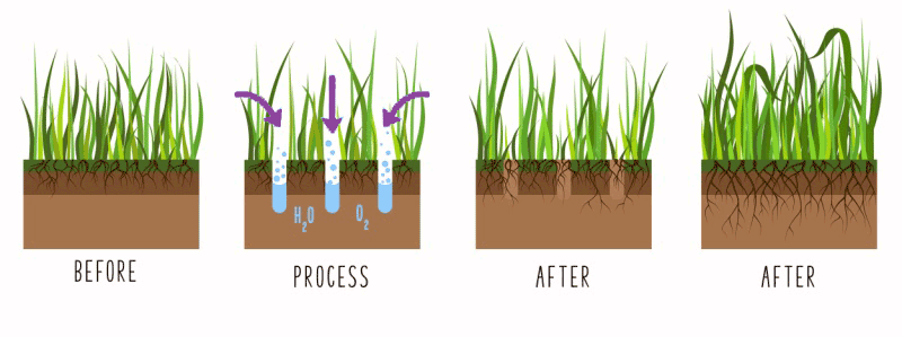
Aeration makes holes in the soil to help air, water, and nutrients reach plant roots. This improves plant growth and soil health.
| Benefit | How It Helps |
| Improves Drainage | Water moves through soil better, reducing puddles. |
| Increases Air Flow | Roots get oxygen needed for growth. |
| Reduces Soil Compaction | Soil becomes softer and easier for roots to grow. |
| Boosts Microbial Activity | Good microbes break down organic matter, feeding plants. |
Credit: www.lawnstarter.com
Signs Your Soil Needs Aeration
Aerating heavy clay soil helps plants grow better. It lets air, water, and nutrients reach roots more easily. Knowing when your soil needs aeration saves time and effort.
Look for these signs in your garden. They show poor soil health and need for aeration. Early action keeps your soil healthy and plants strong.
Water Pooling And Drainage Issues
Heavy clay soil often holds water too long. After rain or watering, you may see puddles or wet spots. This means water cannot drain well, suffocating plant roots.
- Water pools on the surface for hours or days.
- Soil stays soggy and muddy after rain.
- Grass or plants look yellow or wilted in wet areas.
- Surface soil cracks when dry but stays wet below.
Compacted Soil Symptoms
Compacted soil is hard and dense. Roots cannot grow well in it. Plants may have weak growth and poor health. You can test soil compaction by pushing a screwdriver into the ground.
| Symptom | What It Means |
| Hard soil surface | Soil particles pressed tightly together |
| Poor root growth | Roots cannot spread or get nutrients |
| Slow water absorption | Water sits on top or runs off |
| Thin or patchy grass | Plants struggle to grow |
Best Tools For Aerating Clay Soil
Aerating clay soil helps improve water flow and root growth. Clay soil is dense, so it needs special tools to aerate well.
Choosing the right tool makes aeration easier and more effective. Here are some of the best tools for aerating heavy clay soil.
Manual Aerators
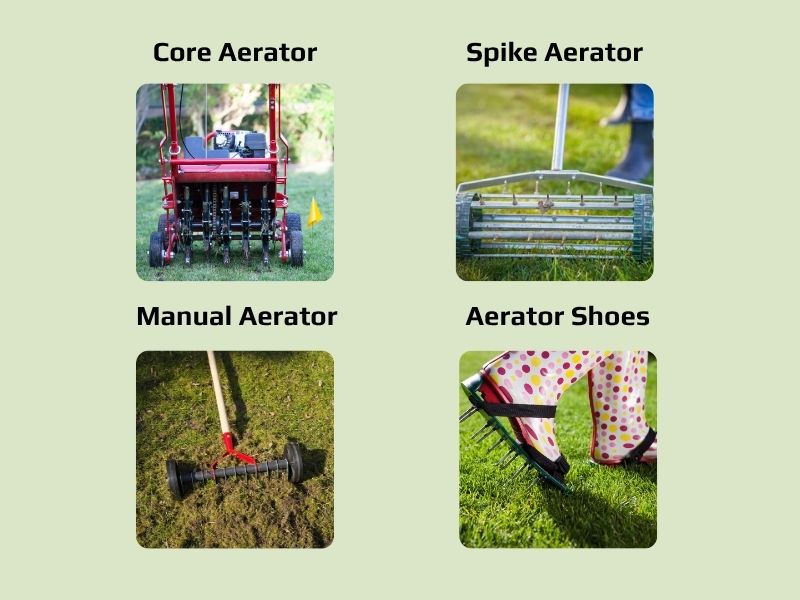
Manual aerators are hand tools that help poke holes in the soil. They work well for small gardens or spots that need extra care.
These tools are simple and cost less. They require physical effort but give good control over where you aerate.
- Spike aerators with sharp prongs
- Core aerators that remove small soil plugs
- Aeration forks for loosening compacted soil
Mechanical Aerators
Mechanical aerators are powered tools that cover larger areas quickly. They are great for big lawns or gardens.
These machines use spikes or hollow tines to punch holes in the clay soil. They reduce effort and save time.
- Gas or electric powered aerators
- Spike aerators that create holes without removing soil
- Core aerators that pull out soil plugs for better air flow
When To Choose Each
Use manual aerators for small areas or tight spaces. They work well where machines cannot reach.
Mechanical aerators suit large lawns or gardens. They save time and reduce physical work.
- Manual tools are best for small gardens and spot aeration
- Mechanical tools fit large areas and frequent use
- Choose based on your garden size and your physical ability
Step-by-step Aeration Process
Aerating heavy clay soil helps improve water flow and root growth. This process breaks up compacted soil for better air and nutrient access.
Follow these steps to aerate your clay soil effectively and keep your plants healthy.
Preparing The Soil
Start by clearing the area of debris like sticks, rocks, and leaves. This makes aeration easier and protects your tools.
Water the soil a day before aeration. Moist soil is softer and easier to penetrate, but avoid soggy ground.
- Remove debris from the soil surface
- Water the soil lightly 24 hours before aerating
- Wait until the soil is damp, not muddy
Aerating Techniques
Use a core aerator or a spike aerator to make holes in the soil. Core aerators remove small plugs; spike aerators poke holes without removing soil.
Move slowly and cover the entire area. Overlap slightly to avoid missing spots and ensure full aeration.
- Choose a core or spike aerator tool
- Push or pull the aerator across the soil
- Cover the area evenly, overlapping passes
Post-aeration Care
Leave the soil plugs on the surface to break down naturally. They will add nutrients back to the soil.
Water the lawn or garden after aeration to help soil settle. You can also add fertilizer to improve soil health.
- Allow soil plugs to decompose on the surface
- Water the area well after aeration
- Apply fertilizer if needed for extra nutrients
Amendments To Improve Clay Soil
Heavy clay soil can be hard to work with. It holds water and compacts easily. Adding the right amendments helps improve its texture and drainage.
These amendments make clay soil easier to aerate. They also support healthy root growth and plant development.
Adding Organic Matter
Organic matter is one of the best ways to improve clay soil. It breaks up compacted soil and adds nutrients. Compost, leaf mold, and well-rotted manure work well.
- Mix organic matter into the top 6 to 8 inches of soil.
- Apply a layer of compost each year for long-term benefit.
- Use cover crops to add organic material naturally.
- Organic matter improves soil structure and water retention.
Using Gypsum And Sand
Gypsum helps reduce soil compaction in clay by loosening particles. Sand can improve drainage but must be used carefully to avoid creating concrete-like soil.
| Amendment | Purpose | Notes |
| Gypsum | Breaks up clay particles | Apply 20–50 lbs per 100 sq ft |
| Coarse Sand | Improves drainage | Mix with organic matter, avoid fine sand |
| Combination | Best for structure and drainage | Use both with organic matter |
Benefits Of Mulching
Mulching adds organic matter as it breaks down. It keeps soil moist and prevents crusting on the surface. Mulch also protects soil from erosion.
- Use straw, wood chips, or shredded leaves as mulch.
- Apply 2 to 4 inches of mulch around plants.
- Keep mulch a few inches away from plant stems.
- Renew mulch yearly to maintain soil benefits.
Timing For Aerating Clay Soil
Aerating heavy clay soil helps improve air and water flow. Choosing the right time for aeration makes the process more effective. This guide focuses on when to aerate clay soil for the best results.
Timing depends on the season and soil moisture. These factors affect how well the soil responds to aeration tools.
Best Seasons
The best seasons to aerate clay soil are spring and fall. These seasons offer moderate temperatures and moisture. Aerating during these times helps roots grow stronger.
- Spring: Soil warms up and plants start growing.
- Fall: Cooler weather helps soil recover before winter.
- Avoid summer: Soil is often too dry or hot.
- Avoid winter: Soil may be frozen or too wet.
Soil Moisture Considerations
Moisture in clay soil affects aeration results. The soil should be moist but not soggy. Too dry soil is hard to penetrate, and too wet soil can get compacted more.
| Soil Condition | Aeration Result | Action |
| Too Dry | Hard to aerate | Water soil 1-2 days before aeration |
| Moist (Ideal) | Easy to aerate, good soil flow | Aerate now |
| Too Wet | Soil compacts more | Wait for soil to dry |
Common Mistakes To Avoid
Aerating heavy clay soil helps improve drainage and root growth. Doing it wrong can harm your soil and plants.
Learn about common mistakes gardeners make when aerating clay soil. Avoid these to get better results.
Over-aerating
Too much aeration can break the soil structure. It may cause the soil to dry out faster and lose nutrients.
Over-aeration makes clay soil crumbly and weak. This leads to poor plant support and root damage.
- Aerate only once or twice a year
- Focus on compacted areas, not the whole lawn
- Use the right tool for your soil type
Aerating Dry Or Wet Soil
Aerating dry soil can cause cracks and uneven holes. It makes aeration less effective and stresses plants.
Aerating wet soil compacts it even more. The soil particles get pushed together, blocking air and water flow.
- Check soil moisture before aerating
- Soil should be damp but not soggy
- Avoid aerating after heavy rain or drought
Maintaining Healthy Clay Soil
Clay soil can hold water tightly and become very hard. Aerating helps air and water reach plant roots.
Keeping clay soil healthy needs regular care and attention. This helps plants grow strong and healthy.
Regular Aeration Schedule
Aerate clay soil at least twice a year. Spring and fall are the best times for aeration.
Use a garden fork or aerator tool to make holes in the soil. This lets air and water flow better.
- Aerate in spring before planting
- Aerate in fall after harvest
- Avoid aerating when soil is very wet
- Check soil compaction every few months
Ongoing Soil Care Tips
Add organic matter like compost to clay soil. This improves soil texture and drainage.
Water deeply but less often to encourage strong roots. Avoid overwatering clay soil.
- Mix compost or aged manure into soil yearly
- Use mulch to keep soil moist and cool
- Plant cover crops to reduce soil erosion
- Test soil pH and adjust if needed
Credit: www.ageas.co.uk
Frequently Asked Questions
What Is The Best Method To Aerate Heavy Clay Soil?
The best method is to use a core aerator or garden fork. These tools create holes that improve air, water, and nutrient penetration. Avoid compacting the soil further by aerating when it is slightly moist.
How Often Should I Aerate Heavy Clay Soil?
Aerate heavy clay soil once or twice a year. Spring and fall are ideal times. Frequent aeration prevents compaction and promotes healthy root growth in dense clay soils.
Can Organic Matter Improve Clay Soil Aeration?
Yes, adding organic matter like compost or aged manure helps break up clay soil. It enhances soil structure, drainage, and nutrient availability, making aeration more effective and improving plant health.
Is It Necessary To Water Before Aerating Clay Soil?
Yes, water the clay soil a day before aeration. Moist soil is easier to penetrate and reduces tool strain. Avoid soggy soil as it may cause compaction instead.
Conclusion
Aerating heavy clay soil helps plants grow strong and healthy. It improves water drainage and allows air to reach roots. Use simple tools like garden forks or aerators to loosen soil. Do this during the right season for best results.
Regular care keeps your garden soil soft and easy to work. Healthy soil means happier plants and better harvests. Keep aerating to enjoy a thriving garden all year. Small efforts bring big changes in heavy clay soil health.