Choosing the right insulated gloves for electrical work isn’t just about comfort—it’s about your safety. Imagine being able to work confidently, knowing you’re protected from dangerous electric shocks.
You deserve peace of mind while focusing on your tasks, and the right gloves can offer just that. In this guide, you’ll uncover practical tips to help you make an informed decision. Whether you’re an experienced electrician or just starting out, knowing what to look for can make all the difference in your daily work.
Stay with us to learn how you can enhance your safety and efficiency with the perfect pair of insulated gloves.
Types Of Insulated Gloves
Insulated gloves are essential for electrical work. They protect workers from electric shocks and burns.
Different types of insulated gloves offer various levels of protection and comfort. Knowing these types helps you choose the right gloves.
Rubber Gloves
Rubber gloves are the main type of insulated gloves for electrical work. They block electricity and protect the hands from shocks.
These gloves come in different classes based on the voltage level they can handle. They are flexible and easy to wear.
- Made from natural or synthetic rubber
- Available in classes 00 to 4 for voltage protection
- Must be tested regularly for safety
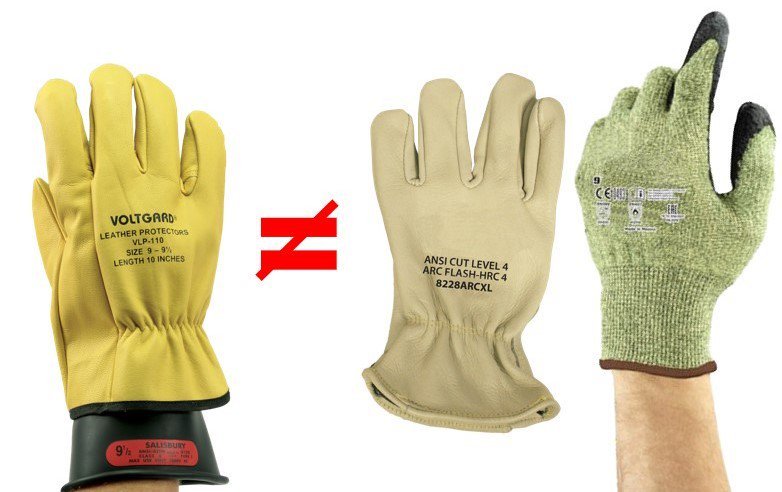
Leather Protectors
Leather protectors are worn over rubber gloves. They protect the rubber from cuts, punctures, and dirt.
Leather protectors do not provide electrical insulation. They increase the glove’s lifespan and improve safety.
- Made from high-quality leather
- Protect rubber gloves from physical damage
- Must be worn with rubber gloves for safety
Composite Gloves
Composite gloves combine rubber insulation with other materials like leather or fabric. They offer both protection and comfort.
These gloves suit workers who need flexibility and durability. They are often used for heavy-duty electrical tasks.
- Rubber inner layer for electrical insulation
- Outer layer made from leather or synthetic materials
- Good for rough work and longer use
Voltage Ratings And Classifications
Insulated gloves protect workers from electrical shocks. Choosing the right gloves depends on their voltage ratings and classifications. Understanding these helps ensure safety during electrical work.
Gloves are divided into classes based on the highest voltage they can safely handle. These classes range from Class 0 to Class 4. Each class has specific testing and use standards.
Class 0 To Class 4 Gloves
Insulated gloves are sorted into five classes, from Class 0 to Class 4. Each class suits different voltage levels. Class 0 gloves protect up to 1,000 volts, while Class 4 gloves protect up to 36,000 volts.
- Class 0: Up to 1,000 volts
- Class 1: Up to 7,500 volts
- Class 2: Up to 17,000 volts
- Class 3: Up to 26,500 volts
- Class 4: Up to 36,000 volts
Voltage Limits
Each glove class has a maximum use voltage limit. Workers must use gloves rated higher than the voltage they will encounter. This reduces the risk of electric shock or injury.
| Glove Class | Maximum Use Voltage (Volts) | Typical Use |
|---|---|---|
| Class 0 | 1,000 | Low voltage circuits and equipment |
| Class 1 | 7,500 | Distribution and transmission lines |
| Class 2 | 17,000 | Medium voltage equipment |
| Class 3 | 26,500 | High voltage systems |
| Class 4 | 36,000 | Extra-high voltage work |
Testing Standards
Testing ensures gloves meet safety requirements. The ASTM D120 standard is common in the US. It requires gloves to pass electrical and physical tests before use.
- Dielectric tests check if gloves resist electrical current
- Leakage tests measure current passing through the glove
- Visual inspections look for damage or defects
- Periodic retesting verifies continued protection
Material Quality And Durability
Choosing the right insulated gloves for electrical work starts with material quality. Good materials keep you safe from electric shocks.
Durability matters too. Gloves that last longer save money and protect better over time.
Rubber Thickness
Rubber thickness affects how well gloves protect you from electricity. Thicker rubber blocks higher voltages.
Choose gloves with enough thickness for your work. Thin gloves may not give full protection.
Resistance To Wear And Tear
Gloves face rough use during electrical work. They must resist cuts, holes, and cracks.
Look for gloves made with strong rubber that stays flexible. Durable gloves last longer and keep you safe.
- Check for reinforced areas on fingers and palms
- Avoid gloves that feel stiff or brittle
- Inspect gloves regularly for damage
Environmental Factors
Gloves must handle different weather and work conditions. Heat, cold, and moisture can affect their performance.
Choose gloves designed for your environment. Some gloves resist water and chemicals better than others.
- Use waterproof gloves for wet areas
- Pick gloves with UV resistance for outdoor work
- Avoid gloves that shrink or crack in cold
Proper Fit And Comfort
Choosing insulated gloves for electrical work means focusing on fit and comfort. Gloves must fit well to protect and allow smooth hand movement.
Ill-fitting gloves can cause fatigue and reduce safety. Comfort helps you work longer without distractions.
Sizing Guidelines
Correct glove size is key to safety and comfort. Measure your hand around the widest part and compare it to the glove size chart.
| Hand Circumference (inches) | Glove Size |
| 6.5 – 7.0 | Small |
| 7.1 – 7.5 | Medium |
| 7.6 – 8.0 | Large |
| 8.1 – 8.5 | Extra Large |
Flexibility And Dexterity
Gloves should allow easy finger movement. Flexible gloves help you handle tools safely and quickly.
- Choose gloves made with materials that bend easily.
- Avoid gloves that feel stiff or tight at joints.
- Test gloves by gripping small objects before buying.
Breathability Features
Breathable gloves reduce sweat and discomfort during work. Look for gloves with ventilation or moisture-wicking linings.
- Keeps hands dry
- Prevents skin irritation
- Increases wearing time comfortably
Inspection And Maintenance Tips
Insulated gloves protect you from electrical shocks. Proper inspection and care keep them safe to use. Regular checks find damages early.
Cleaning and storing gloves correctly helps them last longer. Follow these tips to keep your gloves in good shape.
Regular Visual Checks
Look at your gloves before each use. Check for cuts, cracks, or holes. Any damage can let electricity through.
Also, feel for soft spots or stiffness. These signs mean the gloves may not protect you well. Replace damaged gloves right away.
- Check for tears, holes, and cracks
- Look for changes in color or texture
- Feel for soft or hard spots
- Inspect seams for loose threads
- Replace gloves if damaged
Cleaning Procedures
Clean gloves after each use to remove dirt and chemicals. Use mild soap and warm water. Avoid harsh cleaners that can harm the material.
Rinse gloves well and dry them away from direct heat. Do not use sunlight or heaters to dry gloves. Store them only when fully dry to stop damage.
- Wash gloves with mild soap and warm water
- Rinse thoroughly to remove soap
- Dry away from direct heat and sunlight
- Do not use solvents or chemicals for cleaning
- Ensure gloves are fully dry before storage
Storage Recommendations
Store gloves in a clean, cool, and dry place. Keep them away from sunlight, oils, and chemicals. Proper storage stops damage and aging.
Use a dedicated container or bag to protect gloves. Avoid folding or crushing them. Check gloves regularly even when stored.
- Keep gloves in a cool, dry place
- Avoid exposure to sunlight and heat
- Store away from oils, chemicals, and sharp objects
- Use a container or bag for protection
- Do not fold or crush gloves

Credit: divergentalliance.com
Certifications And Compliance
Choosing the right insulated gloves for electrical work means checking their certifications. These certificates prove the gloves meet safety rules. They protect you from electric shocks and accidents.
Certification and compliance show that the gloves are tested and safe. This guide covers key points about industry standards, manufacturer labels, and safety certifications.
Industry Standards
Industry standards set the rules for gloves used in electrical work. These rules help make sure gloves protect against specific voltages and hazards. Look for gloves that meet standards like ASTM or IEC.
- ASTM D120 – United States standard for rubber insulating gloves
- IEC 60903 – International standard for electrically insulating gloves
- EN 60903 – European standard similar to IEC for electrical gloves
- OSHA regulations – U.S. rules for workplace safety
Manufacturer Labels
Manufacturer labels provide important details about insulated gloves. These labels show the glove class, voltage rating, and test date. Always read these labels before buying.
| Label Item | Meaning |
| Glove Class | Shows the maximum voltage protection |
| Test Date | Date when gloves were last electrically tested |
| Manufacturer Name | Company that made the gloves |
| Standards Met | List of standards the gloves comply with |
Safety Certifications
Safety certifications show gloves passed tests by official groups. These tests check insulation and durability. Look for certifications from trusted labs or organizations.
- UL (Underwriters Laboratories) certification
- CSA (Canadian Standards Association) approval
- CE mark for products sold in Europe
- ISO certification for quality assurance
Cost Vs. Safety Considerations
Choosing insulated gloves for electrical work requires balancing cost and safety. Gloves protect workers from electric shocks and injuries.
It is important to understand what you get for the price. Cheaper gloves may save money upfront but might not offer full protection.
Budget-friendly Options
Affordable gloves can work for low-voltage tasks or occasional use. They often meet basic safety standards but lack extra features.
- Check if gloves meet the minimum required safety rating.
- Inspect gloves for any visible damage before use.
- Replace gloves frequently to avoid wear and tear risks.
- Use gloves only for tasks within their rated voltage.
Investing In Quality
High-quality gloves offer better durability and protection. They reduce the risk of accidents and improve worker confidence.
| Feature | Budget Gloves | Quality Gloves |
| Voltage Rating | Low to Medium | High |
| Material | Basic Rubber | Advanced Rubber or Composite |
| Durability | Short-term Use | Long-term Use |
| Comfort | Limited | Enhanced Fit and Breathability |
Long-term Savings
Spending more on gloves can save money over time. Durable gloves need fewer replacements and lower injury risk.
- Buy gloves with higher voltage ratings to cover more tasks.
- Store gloves properly to extend their life.
- Train workers to care for and inspect gloves regularly.
- Choose gloves with warranties or certifications.

Credit: www.envirosafetyproducts.com
Additional Protective Gear
Wearing insulated gloves is important for electrical work. Using other protective gear adds safety.
Extra gear helps protect your arms, face, and tools from electric shocks and injuries.
Sleeves And Arm Guards
Sleeves and arm guards protect your arms from electric shocks and burns. They cover skin that gloves can’t reach.
Choose sleeves made from insulating materials that fit well and are easy to move in.
- Look for durable, flexible fabrics
- Ensure full coverage of arms
- Check for ratings that match your work voltage
Insulated Tools
Use insulated tools to reduce the risk of electric shock. These tools have non-conductive handles.
Make sure the tools are tested and rated for the electrical work you do.
- Pick tools with insulated grips
- Check voltage rating on each tool
- Keep tools clean and in good condition
Face Shields And Helmets
Face shields and helmets protect your head and face from sparks and electrical arcs.
Use helmets with insulation and shields that block flying debris and electric sparks.
- Choose helmets with proper electrical insulation
- Wear face shields that fit securely
- Inspect gear for cracks or damage before use

Credit: www.envirosafetyproducts.com
Frequently Asked Questions
What Voltage Rating Should Insulated Gloves Have?
Insulated gloves must match or exceed the electrical system’s maximum voltage. Always check the glove’s voltage class before use. This ensures effective protection against electrical hazards during work.
How Do I Check The Glove’s Durability And Safety?
Inspect gloves for tears, punctures, or cracks before each use. Use air inflation tests for leaks. Replace gloves immediately if damaged to maintain safety and reliability.
Can Insulated Gloves Fit All Hand Sizes?
Insulated gloves come in various sizes for proper fit and comfort. Choose gloves that fit snugly without restricting movement. Proper fit enhances safety and dexterity during electrical tasks.
Why Is Glove Layering Important In Electrical Work?
Layering provides extra protection against punctures and electrical shock. Use leather protectors over rubber insulated gloves. This combination enhances durability and safety during high-risk tasks.
Conclusion
Choosing the right insulated gloves keeps you safe during electrical work. Check the gloves’ rating to match your job’s voltage level. Fit matters—gloves should feel snug but not tight. Look for durable materials that protect against cuts and wear. Regularly inspect your gloves for damage before use.
Proper care extends their life and keeps you secure. Always follow safety rules and use gloves correctly. Good gloves help prevent accidents and injuries at work. Stay safe and confident with the right protective gear.