
Are you planning a DIY project or tackling a professional task that requires some serious grinding? Choosing the right angle grinder can make all the difference in the success and ease of your work.
With so many options available, it’s easy to feel overwhelmed. But don’t worry—we’re here to guide you through the process. This article will reveal the secrets to selecting the best angle grinder tailored to your needs. Get ready to discover the essential tips that will make your decision effortless and ensure your projects are completed with precision and efficiency.
Keep reading, and transform your tool kit with the perfect angle grinder!

Credit: www.protoolreviews.com
Key Features To Consider
Choosing the right angle grinder is important for safety and performance. Knowing what features to look for helps you pick the best tool for your tasks.
This guide covers four key features to check before buying an angle grinder. Each feature affects how well the grinder works and how comfortable it is to use.
Power And Motor Type
Power affects how fast and strong the grinder spins. Motors come in two main types: brushed and brushless. Brushless motors last longer and need less maintenance.
Consider the power rating in amps or volts. Higher power helps cut or grind tougher materials with less effort.
Disc Size And Speed
The disc size controls how deep the grinder can cut. Common sizes are 4.5 inches and 7 inches. Larger discs cut deeper but need a bigger tool.
- 4.5-inch discs: good for small jobs and detail work
- 7-inch discs: best for heavy cutting and grinding
- Speed measured in RPM affects cutting smoothness
- Higher RPM means faster cutting but less control
Ergonomics And Weight
Comfort matters when using an angle grinder for a long time. Look for models with soft grips and adjustable handles. Lighter grinders reduce fatigue.
| Feature | Why It Matters |
| Soft grip | Reduces hand strain |
| Adjustable handle | Improves control |
| Lightweight design | Makes work easier |
| Compact size | Fits tight spaces |
Safety Features
Safety is key when using power tools. Check for features like a safety guard to protect from sparks and debris. A spindle lock helps change discs safely.
- Safety guard to shield from flying particles
- Spindle lock for quick and safe disc changes
- Anti-kickback to reduce tool jerking
- Overload protection to avoid motor damage
Types Of Angle Grinders
Angle grinders come in different types to match various jobs. Choosing the right type helps you work better and safer.
Each type has unique features and power sources. Learn about corded, cordless, pneumatic, and specialty grinders.
Corded Vs Cordless
Corded angle grinders plug into power outlets. They give constant power for long tasks without stopping.
Cordless grinders use batteries. They are easy to carry and work in places without power plugs.
- Corded grinders offer steady power and usually cost less
- Cordless grinders give freedom to move and work outdoors
- Cordless models depend on battery life and need charging
- Corded grinders can be heavier because of the motor
Pneumatic Models
Pneumatic angle grinders run on compressed air. They are common in industrial and automotive shops.
These grinders are lightweight and can run longer without overheating. They need an air compressor to work.
- Use air power instead of electricity
- Good for heavy-duty and long-time use
- Require an air compressor and hoses
- Less heat build-up during use
Specialty Grinders
Specialty grinders are made for specific tasks. They include tools like die grinders and mini grinders.
These grinders are smaller and can reach tight spots. They are useful for detailed work and polishing.
- Die grinders are small and good for shaping and carving
- Mini grinders help with fine detail and finishing work
- Some specialty grinders use unique discs or attachments
- They offer better control for delicate jobs
Choosing The Right Disc
Choosing the right disc for your angle grinder is important. The disc affects how well the tool works. It also keeps you safe while working.
Different tasks need different discs. This guide helps you pick the best disc type for your job.
Grinding Discs
Grinding discs remove material from metal or stone. They are thick and strong. Choose a grinding disc that matches the material you work with. Check the disc’s speed rating to match your grinder.
Cutting Discs
Cutting discs are thin and made for slicing through metal, stone, or tiles. Use a disc that fits the thickness of the material. Always pick a disc with the right diameter and arbor size for your grinder.
- Metal cutting discs for steel or iron
- Stone cutting discs for tiles or bricks
- Diamond discs for hard materials like concrete
- Check disc speed rating before use
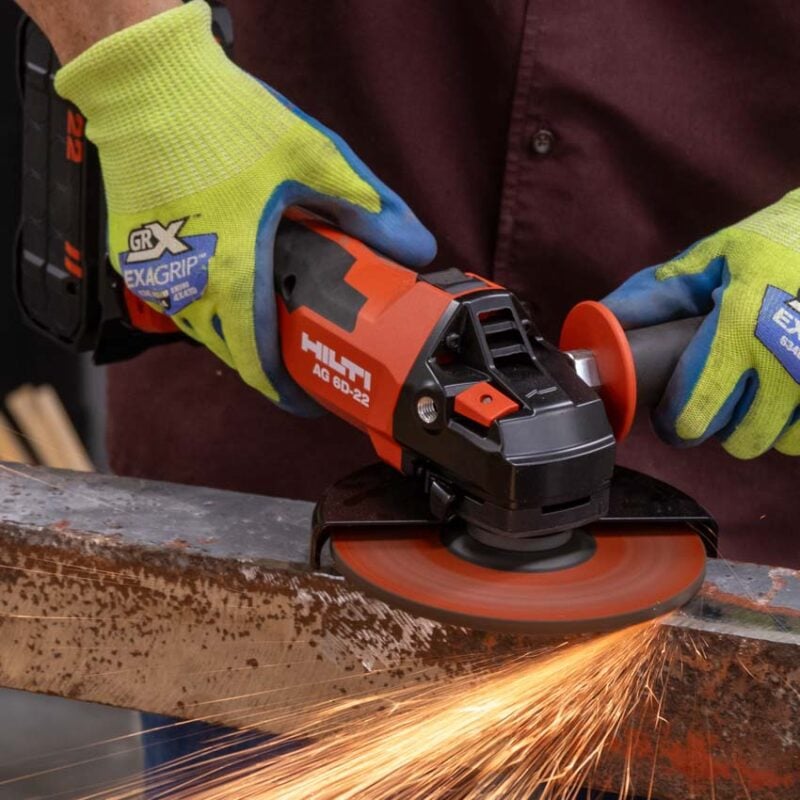
Sanding And Polishing Pads
Sanding and polishing pads smooth surfaces or add shine. Choose the right grit for sanding tasks. Polishing pads come in different materials for metals or plastics.
| Pad Type | Use | Material |
| Sanding Pad | Remove rough spots | Aluminum oxide, silicon carbide |
| Polishing Pad | Shine surfaces | Foam, wool, microfiber |
| Backing Pad | Hold sanding or polishing discs | Rubber or plastic |
Credit: www.protoolreviews.com
Brand Reputation And Warranty
Choosing the right angle grinder means checking the brand’s history. A well-known brand often makes reliable tools.
Warranty is also key. It protects your purchase and gives you peace of mind.
Trusted Manufacturers
Look for brands with good customer reviews and years of experience. These brands usually offer better quality and support.
- Makita
- DeWalt
- Bosch
- Metabo
- Milwaukee
Warranty Coverage
Check what the warranty covers before buying. Some warranties protect parts and labor for a year or more.
| Brand | Warranty Length | Coverage Details |
| Makita | 3 years | Parts and labor |
| DeWalt | 2 years | Parts and labor, accidental damage |
| Bosch | 1 year | Parts only |
| Metabo | 3 years | Parts and labor |
| Milwaukee | 5 years | Parts and labor |
Budget And Value
Choosing the right angle grinder depends on your budget and the value you get. Picking a tool that fits your price range and needs is important.
Focus on finding a grinder that offers good quality without costing too much. This helps you save money and get a reliable tool.
Balancing Cost And Quality
Look for an angle grinder that has both good quality and a fair price. Cheap grinders may break fast, but very expensive ones might have features you do not need.
Check the tool’s build, power, and brand reputation. These factors show if the grinder will last and work well for your tasks.
- Compare prices from different brands
- Read reviews to learn about quality
- Choose features that match your jobs
- Avoid extra features you won’t use
Long-term Investment
Think about how long the angle grinder will last. Spending a bit more now can save money on repairs or replacements later.
Good grinders need less maintenance and keep working well over time. This makes them better for frequent use.
- Choose grinders with strong motors
- Look for good warranty offers
- Consider the cost of replacement parts
- Pick tools with easy-to-find parts
Maintenance And Accessories
Keeping your angle grinder in good shape ensures it works well every time. Proper care and using the right accessories can extend its life. This guide helps you with simple maintenance tips and useful attachments to choose.
Regular upkeep protects your tool and improves safety. Accessories add value and make jobs easier. Read on to learn how to maintain your angle grinder and pick the best attachments.
Easy Upkeep Tips
Proper maintenance keeps your angle grinder running smoothly. Clean it after each use and check parts often. Replace worn pieces to avoid damage or injury.
- Unplug the grinder before cleaning or changing parts.
- Use a brush or compressed air to remove dust and debris.
- Check the power cord for cuts or cracks.
- Inspect grinding wheels for cracks or damage before use.
- Lubricate moving parts as the manual suggests.
- Store the tool in a dry, cool place.
Useful Attachments
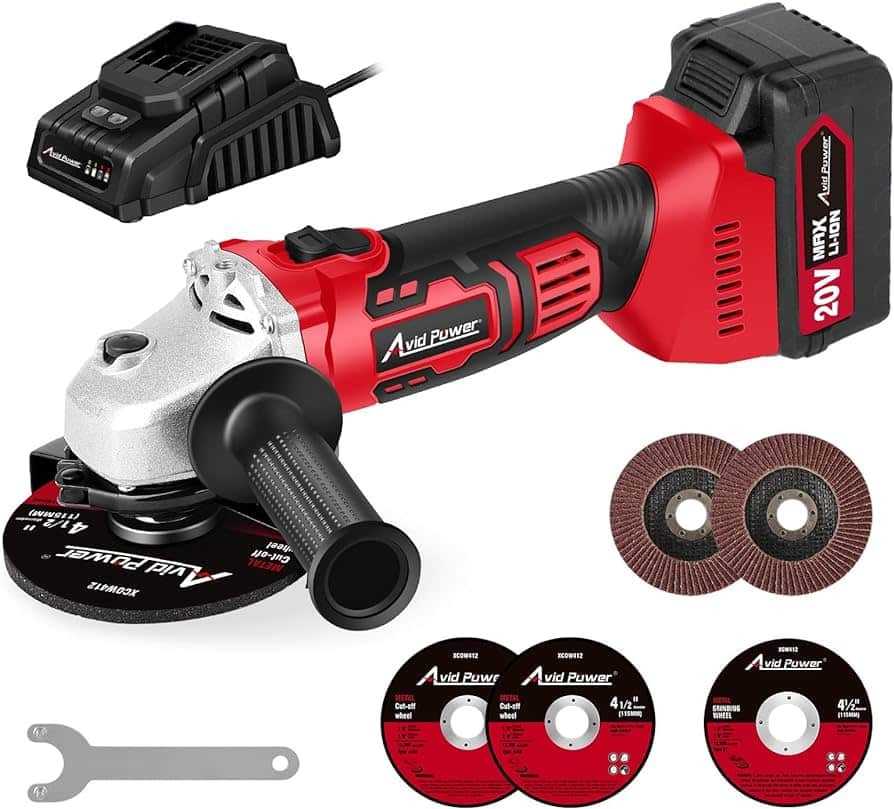
Choosing the right attachments makes your angle grinder more versatile. Use specific accessories for cutting, grinding, or polishing different materials.
| Accessory | Use | Material |
| Grinding Wheel | Grinding and smoothing | Metal, stone |
| Cutting Disc | Cutting through objects | Metal, tile, concrete |
| Wire Brush | Removing rust and paint | Metal surfaces |
| Flap Disc | Polishing and finishing | Metal, wood |
| Sanding Disc | Sanding surfaces | Wood, metal, plastic |
Credit: cordlessandportables.com
Frequently Asked Questions
What Factors Determine The Best Angle Grinder Choice?
Consider power, disc size, speed, and safety features. Match the grinder to your project needs for optimal performance and durability.
How Important Is Disc Size In Angle Grinders?
Disc size affects cutting depth and versatility. Smaller discs offer precision; larger discs handle heavy-duty tasks efficiently.
Should I Prioritize Corded Or Cordless Angle Grinders?
Corded grinders offer constant power; cordless provide mobility. Choose based on your work environment and power needs.
What Safety Features Should An Angle Grinder Have?
Look for features like a safety guard, anti-kickback, and a secure handle to prevent accidents and enhance control.
Conclusion
Choosing the right angle grinder makes your work easier and safer. Think about power, size, and the tasks you want to do. Check the grinder’s features and read user reviews before buying. A good angle grinder lasts long and fits your needs well.
Take your time to pick one that feels comfortable. This simple step can save you money and effort later. Remember, the best angle grinder helps you finish jobs faster and better. Keep these tips in mind for a smart choice.