Choosing the right miter saw can feel like a daunting task, especially when faced with a sea of options. But making the right choice is crucial for your woodworking projects.
Imagine the satisfaction of creating precise cuts and professional finishes effortlessly. The right miter saw can transform your woodworking experience, saving you time and enhancing your results. In this guide, you’ll discover insider tips that simplify your decision-making process. Whether you’re a seasoned craftsman or a weekend DIY enthusiast, these tips will help you find the perfect tool that suits your needs and budget.
Dive in and unlock the secrets to choosing the best miter saw for your woodworking projects.
Types Of Miter Saws
Miter saws are important tools for woodworking. They help you make precise cuts at different angles. Choosing the right type of miter saw depends on your project needs and skill level.
There are three main types of miter saws. Each type offers different features and cutting abilities. Understanding these will help you pick the best saw for your woodworking tasks.
Basic Miter Saws
Basic miter saws cut wood at various angles across the board. They are good for simple angled cuts like framing or molding. These saws only move left and right to make the cuts.
They are lightweight and easy to use. Basic miter saws are affordable and great for beginners or simple projects.
- Cut angles left and right
- Good for simple wood cuts
- Easy to handle and light
- Usually less expensive
Compound Miter Saws
Compound miter saws cut angles across and tilt the blade. This lets you make bevel cuts along with miter cuts. These saws are useful for crown molding and complex woodworking.
They save time by combining two cuts in one tool. Compound miter saws add more versatility than basic miter saws.
- Cut miter and bevel angles
- Good for crown molding and trim
- More versatile than basic saws
- Can tilt blade for bevel cuts
Sliding Compound Miter Saws
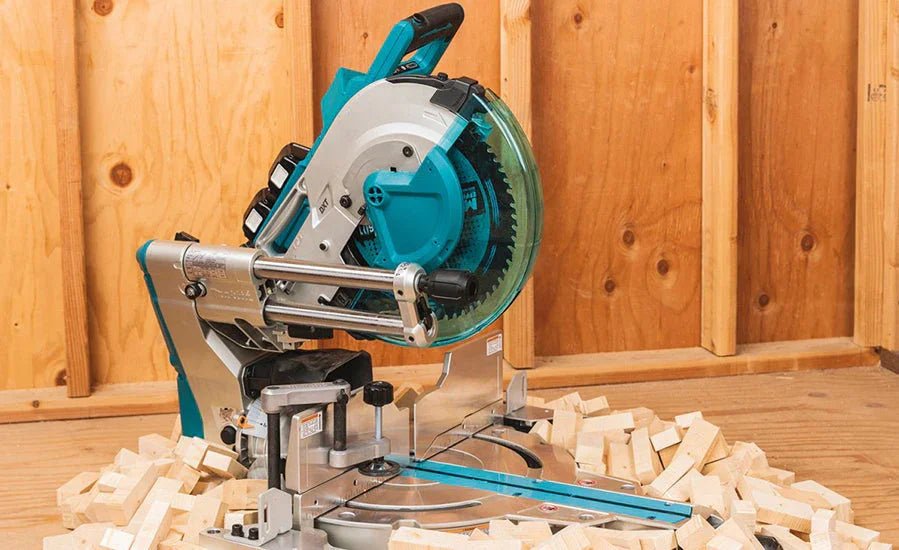
Sliding compound miter saws have a sliding arm that moves forward and backward. This allows cutting wider pieces of wood. They combine the features of compound saws with extra cutting capacity.
These saws are good for large boards and thick wood. Sliding compound miter saws offer the most flexibility and power for woodworking projects.
- Slide forward and backward for longer cuts
- Cut miter and bevel angles
- Handle wide and thick wood
- Most versatile and powerful type
Key Features To Consider
Choosing the right miter saw is important for woodworking projects. You need a saw that fits your needs and work style. This guide covers key features to help you pick the best one.
Look closely at blade size, cutting capacity, angles, and motor power. These features affect how well the saw cuts and handles different tasks.
Blade Size And Type
The blade size affects the thickness and length of cuts. Common sizes are 8, 10, and 12 inches. Choose a blade type that suits your wood type for cleaner cuts.
- Smaller blades offer more control and less weight.
- Larger blades cut thicker wood with fewer passes.
- Carbide-tipped blades last longer and stay sharp.
Cutting Capacity
Cutting capacity shows how wide and thick the saw can cut. It matters for large wood pieces or wide boards. Check the maximum width and height the saw can handle.
| Cutting Dimension | Typical Range |
| Crosscut Width | 6 to 14 inches |
| Vertical Cut Height | 2 to 4 inches |
| Sliding Function | Allows wider cuts up to 12 inches or more |
Bevel And Miter Angles
Bevel and miter angles let you make angled and compound cuts. This is useful for frames, moldings, and trim work. Check the angle range and ease of adjustment.
- Bevel angle tilts the blade left or right.
- Miter angle rotates the saw base left or right.
- Dual bevel saws tilt both ways for more flexibility.
Motor Power
The motor power affects the saw’s cutting strength and speed. More power helps cut dense or thick wood smoothly without slowing down.
| Motor Power | Best For |
| 10 to 12 amps | Most woodworking tasks |
| Under 10 amps | Light cutting, small projects |
| Above 12 amps | Heavy-duty, professional use |
Safety Features
Choosing a miter saw with strong safety features protects you during woodworking. These features reduce accidents and keep your hands safe.
Focus on key safety parts like blade guards, electric brakes, and safety locks. These help control the saw and prevent injuries.
Blade Guards
Blade guards cover the saw blade when not in use. They stop accidental contact and protect from flying debris. A good blade guard moves smoothly and fully covers the blade.
- Check if the guard is transparent for better visibility.
- Ensure it retracts automatically when cutting.
- Look for guards made of strong, durable materials.
Electric Brakes
Electric brakes quickly stop the blade after you release the trigger. This reduces the risk of injury and speeds up your work. The faster the brake stops the blade, the safer you are.
| Feature | Benefit |
| Fast stopping time | Less chance of cuts |
| Durable motor | Reliable brake function |
| Automatic activation | No extra steps needed |
Safety Locks
Safety locks prevent the saw from starting by accident. They keep the trigger locked when not in use. This stops children or others from turning on the saw without permission.
- Trigger lock keeps power off until you unlock it.
- Blade lock keeps the blade from moving during adjustments.
- Some saws have dual locks for extra safety.

Credit: www.findbuytool.com
Portability And Storage
Choosing a miter saw that is easy to move and store can save time and space. Portability helps if you work at different locations or have limited space.
Think about how often you will carry your saw and where you will keep it. These factors guide your choice for portability and storage features.
Weight And Size
Lighter miter saws are easier to lift and carry. Smaller sizes fit better in tight spaces but may have smaller cutting capacities.
| Weight | Advantage | Consideration |
| Under 20 lbs | Very easy to carry | May have limited power |
| 20 to 40 lbs | Good balance of portability and power | Still manageable for most users |
| Above 40 lbs | Usually more powerful | Harder to move and store |
Folding And Carrying Options
Some miter saws have folding handles or stands. These features help you carry the saw easily and reduce storage space.
- Foldable stands for compact storage
- Built-in handles for easy lifting
- Detachable parts to lower size
- Carrying cases to protect the saw
Budget And Brand
Choosing the right miter saw for woodworking depends on your budget and the brand you trust. These two factors affect the saw’s quality and features.
Knowing your price range and reliable brands helps you find a saw that fits your needs and lasts long.
Price Ranges
Miter saws come in different prices. Cheaper models are good for beginners or small jobs. More expensive ones offer better power and accuracy.
Here are common price ranges and what to expect:
- Under $100:Basic saws for light use and small projects.
- $100 to $300:Mid-range saws with improved features and durability.
- Above $300:Professional saws with high power and precision.
Trusted Brands
Some brands have a strong reputation for quality and customer support. Choosing a trusted brand reduces the risk of buying a poor saw.
Look for brands known for woodworking tools and good warranties.
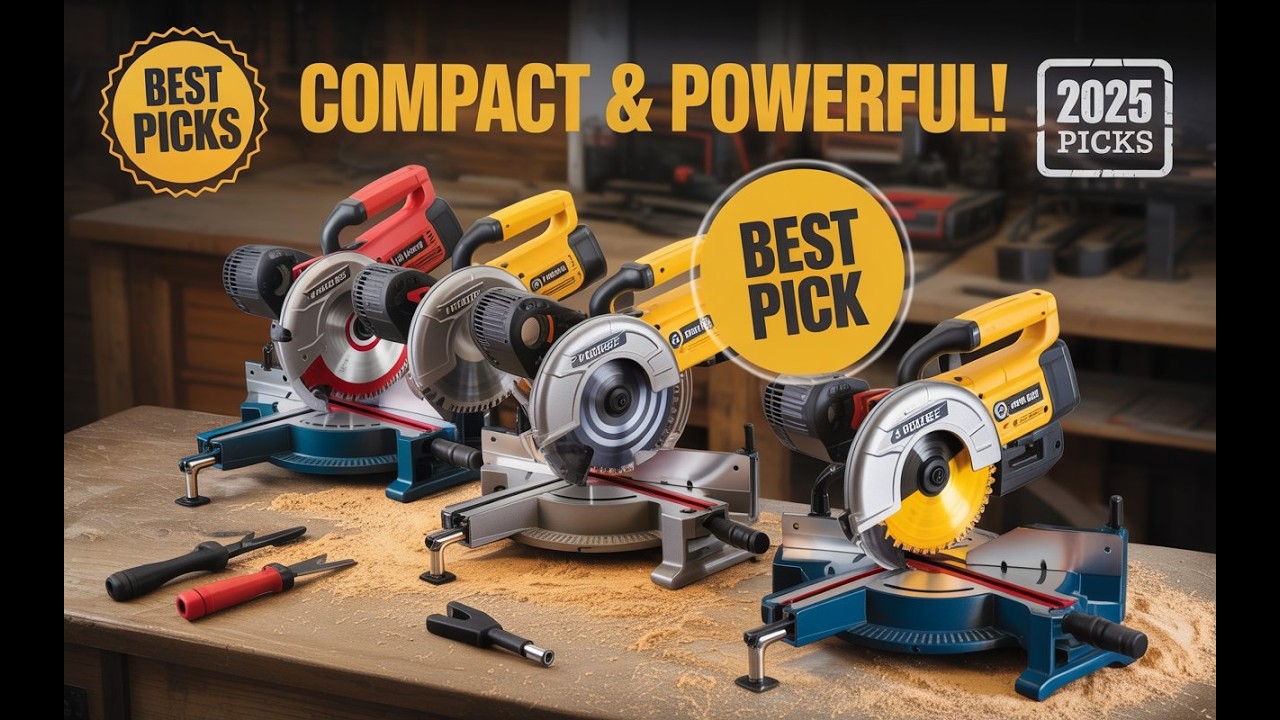
- DeWalt – Known for durable and powerful tools.
- Makita – Offers reliable saws with smooth operation.
- Bosch – Makes precise and easy-to-use miter saws.
- Hitachi (Metabo HPT) – Good balance of price and quality.
- Ryobi – Budget-friendly options with decent performance.
Credit: www.youtube.com
User Reviews And Recommendations
Choosing the best miter saw for woodworking needs careful thought. Many users share their experiences online. Their reviews help others pick the right tool.
This guide looks at expert opinions and customer feedback. These sources give useful tips to find a saw that works well for you.
Expert Opinions
Experts focus on saw features that affect performance and safety. They suggest checking blade size, motor power, and cutting capacity. Durability and ease of use are also important.
- Look for a saw with a strong motor for smooth cuts.
- Choose a model with adjustable angles for versatility.
- Consider safety features like blade guards and electric brakes.
- Check if the saw is easy to set up and use daily.
Customer Feedback
Customers often rate miter saws based on real-life use. Their feedback shows how well the saw holds up over time. It also reveals any common problems.
| Feature | Positive Comments | Negative Comments |
| Accuracy | Cuts are precise and clean | Some users experienced blade wobble |
| Durability | Strong build lasts for years | Occasional motor failure reported |
| Ease of Use | Simple to adjust angles | Manual instructions can be confusing |
| Safety | Good blade guards and stops | Some models lack electric brakes |
Maintenance And Accessories
Keeping your miter saw in good shape helps it cut wood cleanly. Regular maintenance makes the saw last longer.
Choosing the right accessories can improve your woodworking work. Some tools make cutting safer and easier.
Blade Replacement
Replacing the blade is important when it becomes dull. A sharp blade cuts wood smoothly and safely.
Use blades that fit your saw’s size and type. Check the manual for the right blade size and teeth count.
- Turn off and unplug the saw before changing the blade
- Use the right wrench to loosen the blade bolt
- Install the new blade with teeth facing the cutting direction
- Tighten the bolt securely but do not over-tighten
- Wear gloves to protect your hands during the change
Additional Attachments
Attachments help improve your miter saw’s function. They can add safety and increase cutting accuracy.
Common attachments include clamps, fences, and dust collectors. Each attachment has its purpose for better work.
- Clamps:Hold wood firmly to avoid movement during cuts
- Extended fences:Support longer wood pieces for stable cuts
- Dust collectors:Keep your workspace clean and reduce sawdust in the air
- Stop blocks:Help make repeated cuts of the same length

Credit: www.familyhandyman.com
Frequently Asked Questions
What Factors Should I Consider When Buying A Miter Saw?
Consider blade size, motor power, cutting capacity, and bevel range. Also check dust collection, safety features, and ease of use for better woodworking.
Which Miter Saw Blade Is Best For Woodworking?
Choose a blade with 60 to 80 teeth for smooth, precise cuts. Carbide-tipped blades last longer and handle hardwoods efficiently.
How Important Is The Bevel Feature On A Miter Saw?
The bevel feature allows angled cuts, essential for complex woodworking projects. Dual bevel saws offer more versatility by tilting both sides.
Can I Use A Miter Saw For Cutting Hardwood?
Yes, a powerful miter saw with the right blade cuts hardwood cleanly. Ensure the blade is sharp and designed for hardwood materials.
Conclusion
Choosing the right miter saw makes woodworking easier and more precise. Focus on blade size, power, and cutting angles. Think about your projects and how often you will use the saw. Safety features and ease of use matter a lot.
A good saw fits your budget and skill level. Take time to compare different models before buying. This helps you avoid mistakes and get the best tool for your needs. Enjoy your woodworking with the right miter saw by your side.