Are your rotary tool attachments not performing at their best? Over time, dust, debris, and residue can dull their efficiency, leaving you with lackluster results.
But don’t worry—you’re about to discover some simple yet powerful tips to keep them in top shape. Imagine a world where every project you tackle with your rotary tool is smooth and seamless, because your attachments are as good as new.
This isn’t just about cleaning; it’s about unlocking the full potential of your tool and transforming your DIY tasks into effortless achievements. Dive in, and learn how a little maintenance can go a long way in enhancing your tool’s performance and extending its life. Your projects deserve the best, and so do you.
Choosing The Right Cleaning Supplies
Cleaning rotary tool attachments helps keep them working well. Using the right supplies makes cleaning easier and safer.
Picking good cleaning tools and safe agents protects your attachments from damage. It also helps remove dirt and debris fully.
Essential Tools And Materials
Use tools that fit the size and type of your attachments. Soft brushes and cloths work well for most parts.
Some materials help reach small spaces and clean gently without scratching.
- Soft-bristle toothbrushes for scrubbing small parts
- Microfiber cloths to wipe surfaces clean
- Compressed air cans to blow out dust
- Small containers for soaking attachments
- Plastic tweezers to handle tiny parts
Safe Cleaning Agents
Choose cleaning agents that do not harm metal or plastic parts. Avoid strong acids or harsh chemicals.
Mild soaps and gentle solutions clean well without causing rust or corrosion.
- Warm water with mild dish soap
- Isopropyl alcohol for disinfecting and drying
- Specialized rotary tool cleaner solutions (check labels)
- White vinegar diluted with water for tough grime
- Non-abrasive cleaning sprays
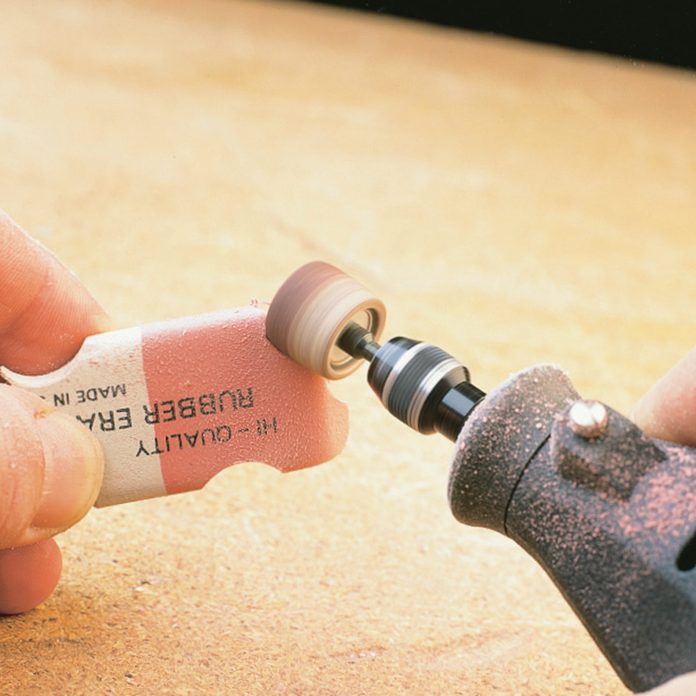
Credit: www.familyhandyman.com
Preparing Attachments For Cleaning
Keeping rotary tool attachments clean helps them work well and last long. Dirt and residue can build up after use. Cleaning them properly protects the tool and your work.
Before cleaning, prepare the attachments carefully. This guide shows how to remove debris and disassemble parts for deep cleaning.
Removing Debris And Residue
Remove loose debris and residue from attachments before washing. Use gentle tools and cleaning agents to avoid damage.
- Brush off dust and particles with a soft brush.
- Use a dry cloth to wipe away loose dirt.
- Apply a small amount of mild soap with water for sticky residue.
- Rinse with clean water and dry thoroughly.
Disassembling For Thorough Cleaning
Some attachments have parts that you can take apart. Disassembling helps clean hidden spots and remove trapped dirt.
| Attachment Part | Cleaning Tip |
| Collet | Remove and wipe inside with a cloth |
| Bits | Soak in warm soapy water for several minutes |
| Housing | Use a small brush to clean vents and grooves |
| Screws | Clean with a toothpick or cotton swab |
Cleaning Techniques For Different Attachments
Rotary tools need clean attachments to work well. Dirt and debris can slow them down.
Each attachment type needs a special cleaning method. This guide covers cutting wheels, grinding stones, and polishing bits.
Cleaning Cutting Wheels
Cutting wheels collect metal shavings and dust. Clean them often to keep sharp edges. Use a soft brush to remove dust and debris.
- Unplug the tool before cleaning.
- Use a dry brush to sweep off loose dirt.
- For stuck debris, dip a cloth in rubbing alcohol and wipe gently.
- Let the wheel dry fully before use.
Maintaining Grinding Stones
Grinding stones wear down with use. Clean them to keep their shape and power. Use water and a soft brush for cleaning.
| Cleaning Step | Instructions |
| Soak | Place stone in water for 10 minutes |
| Brush | Use a soft brush to clean surface debris |
| Dry | Air dry completely before storing |
Polishing Bit Care
Polishing bits need gentle cleaning. Avoid harsh chemicals that can damage them. Use warm soapy water and a soft cloth.
Tips for polishing bit care:
- Remove bits from tool before cleaning.
- Soak in warm, soapy water for a few minutes.
- Gently rub with a soft cloth or sponge.
- Rinse with clean water and dry fully.
- Store bits in a dry place to avoid rust.

Credit: www.amazon.com
Drying And Storing Attachments
Cleaning rotary tool attachments is important for their long life. After washing, drying and storing them properly keeps them safe and ready to use.
This guide shows simple ways to dry and store your attachments without damage or rust.
Proper Drying Methods
Dry attachments fully before storing. Moisture can cause rust and reduce tool performance.
- Use a clean cloth to wipe off water immediately after washing.
- Let attachments air dry on a dry towel in a warm area.
- Avoid using direct heat like hair dryers to prevent warping.
- For small parts, use compressed air to remove water from crevices.
- Make sure attachments are completely dry before putting them away.
Storage Tips To Prevent Damage
Store attachments in a dry, organized space. Proper storage stops rust and loss.
| Storage Method | Benefits |
| Use small containers with lids | Keeps dust and moisture out |
| Store in a toolbox with compartments | Prevents pieces from mixing or breaking |
| Keep silica gel packets nearby | Absorbs moisture and prevents rust |
| Label containers by attachment type | Makes finding tools faster and easier |
Troubleshooting Common Cleaning Issues
Keeping rotary tool attachments clean helps them work better and last longer. Sometimes, cleaning can be hard because of sticky residue or rust. This guide helps you fix these common problems easily.
Use simple tools and safe cleaners to remove dirt and protect your attachments. Follow these tips to keep your rotary tools in good shape.
Removing Stubborn Residue
Some materials like glue, paint, or hardened dirt can stick strongly to your attachments. Removing these needs patience and the right methods.
- Soak the attachment in warm, soapy water for 10–15 minutes.
- Use a soft brush or old toothbrush to scrub the residue gently.
- For tough spots, apply rubbing alcohol or nail polish remover with a cotton swab.
- Rinse well and dry completely before using the tool again.
Dealing With Rust And Corrosion
Rust and corrosion reduce the tool’s performance and can damage attachments. Quick action prevents further damage.
| Rust Issue | Cleaning Method | Precautions |
| Light surface rust | Use fine steel wool or a wire brush to rub the rust away. | Work gently to avoid scratching the metal. |
| Heavy rust spots | Soak in white vinegar for 30 minutes, then scrub with a brush. | Rinse and dry completely to stop more rust forming. |
| Corrosion on attachments with plastic parts | Use a rust remover gel carefully, avoiding plastic areas. | Test on a small area first to prevent damage. |
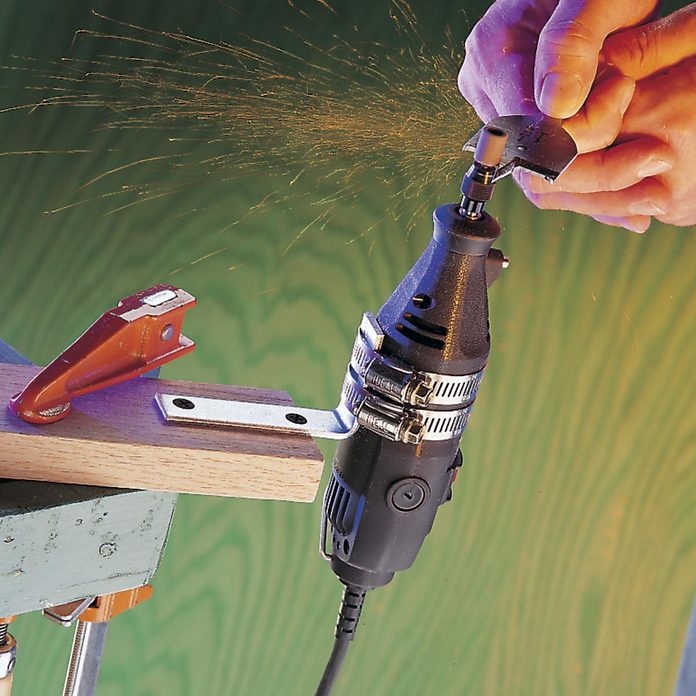
Credit: www.familyhandyman.com
Extending Attachment Lifespan
Rotary tool attachments wear out over time. Cleaning them helps keep them working longer.
Proper care saves money and improves performance. You can avoid damage with simple steps.
Regular Maintenance Routines
Clean attachments after each use. Remove dust, debris, and leftover materials carefully.
Use a soft brush or cloth to avoid damage. Keep attachments dry to prevent rust.
- Brush off dirt with a soft brush
- Wipe with a clean, dry cloth
- Use compressed air to clear tight spots
- Store attachments in a dry place
- Check attachments for wear before use
Signs To Replace Attachments
Attachments show wear after long use. Replace them to keep your work safe and neat.
Look for cracks, bent parts, or worn edges. These signs mean the tool is less effective.
- Cracks or breaks in the attachment
- Worn or rounded edges
- Attachment slips during use
- Excessive vibration or noise
- Rust that cannot be cleaned
Frequently Asked Questions
How Often Should I Clean Rotary Tool Attachments?
Clean your rotary tool attachments after every use to prevent buildup. Regular cleaning extends their lifespan and ensures optimal performance. Use a brush or cloth for debris removal and mild soap for tougher grime. Avoid harsh chemicals to maintain attachment integrity.
What Is The Best Way To Remove Rust From Attachments?
Use fine steel wool or a wire brush to gently scrub rust. Apply a rust remover solution if needed, then rinse and dry thoroughly. Regular maintenance prevents rust from forming and keeps attachments in top condition.
Can I Use Water To Clean Rotary Tool Attachments?
Yes, mild soapy water is safe for most attachments. Avoid soaking attachments with electrical parts. Dry them completely to prevent rust and damage. Always check manufacturer instructions for specific cleaning guidelines.
How Do I Clean Sanding And Grinding Attachments Properly?
Remove dust with a stiff brush or compressed air. For stubborn debris, use a damp cloth but avoid soaking. Let attachments dry fully before storage to prevent rust and deterioration. Proper cleaning maintains their effectiveness and lifespan.
Conclusion
Clean rotary tool attachments last longer and work better. Regular cleaning stops rust and buildup. Use the right brushes and cleaners for each part. Dry tools well before storage to avoid damage. Keep your workspace tidy to find tools easily.
Simple care saves money and time in the long run. Stick to these tips for safe and smooth tool use. Your projects will go faster and look cleaner too. Small steps make a big difference in tool maintenance.