Are you tired of searching for your tools every time you need them? A well-organized mobile tool chest can save you time, reduce frustration, and boost your productivity.
Imagine having all your essential tools within arm’s reach, wherever you go. You’ll discover simple, effective tips to create a mobile tool chest tailored just for you. Keep reading, and you’ll learn how to stay organized, protect your tools, and make your work easier than ever before.

Credit: www.gladiatorgarageworks.com
Choosing The Right Tool Chest
Picking the right tool chest helps you keep your tools organized and easy to find.
Think about how you will move your tools and how much space you need before buying.
Size And Portability
Choose a tool chest that fits your workspace and is easy to carry if needed.
- Small and light chests work well for on-the-go jobs.
- Larger chests hold more tools but are harder to move.
- Look for wheels or handles to improve portability.
Material And Durability
Strong materials keep your tools safe and last longer.
| Material | Durability | Weight |
| Steel | Very strong and long-lasting | Heavy |
| Aluminum | Strong and rust-resistant | Light |
| Plastic | Less durable, good for light use | Very light |
Storage Capacity
Think about how many tools you own and how you want to organize them.
- Drawers help separate small tools and parts.
- Open compartments work for larger tools.
- Extra trays or inserts can increase storage options.

Credit: www.reddit.com
Essential Tools To Include
Creating a mobile tool chest means choosing tools that fit many tasks. You want tools that work well and are easy to carry.
This guide covers the essential tools to include in your chest. Focus on hand tools, power tools, and measuring instruments.
Hand Tools
Hand tools are the basics you use every day. They do not need power but help with many jobs.
- Hammer for driving nails and small demolition
- Screwdrivers in flathead and Phillips styles
- Adjustable wrench for nuts and bolts
- Pliers for gripping and bending wires
- Utility knife for cutting materials
- Tape measure for quick measurements
Power Tools
Power tools save time and reduce effort. Choose compact and versatile models for mobility.
| Tool | Use | Power Source |
| Cordless Drill | Drilling holes, driving screws | Battery |
| Jigsaw | Cutting curves and shapes | Battery or Cord |
| Oscillating Multi-Tool | Sanding, scraping, cutting in tight spots | Battery |
| Impact Driver | Fast screw driving | Battery |
Measuring Instruments
Accurate measuring tools help get the job right the first time. They fit easily into any tool chest.
- Steel tape measure with a lock
- Combination square for angles and depth
- Spirit level to check horizontals and verticals
- Caliper for precise small measurements
Organizing Your Tools
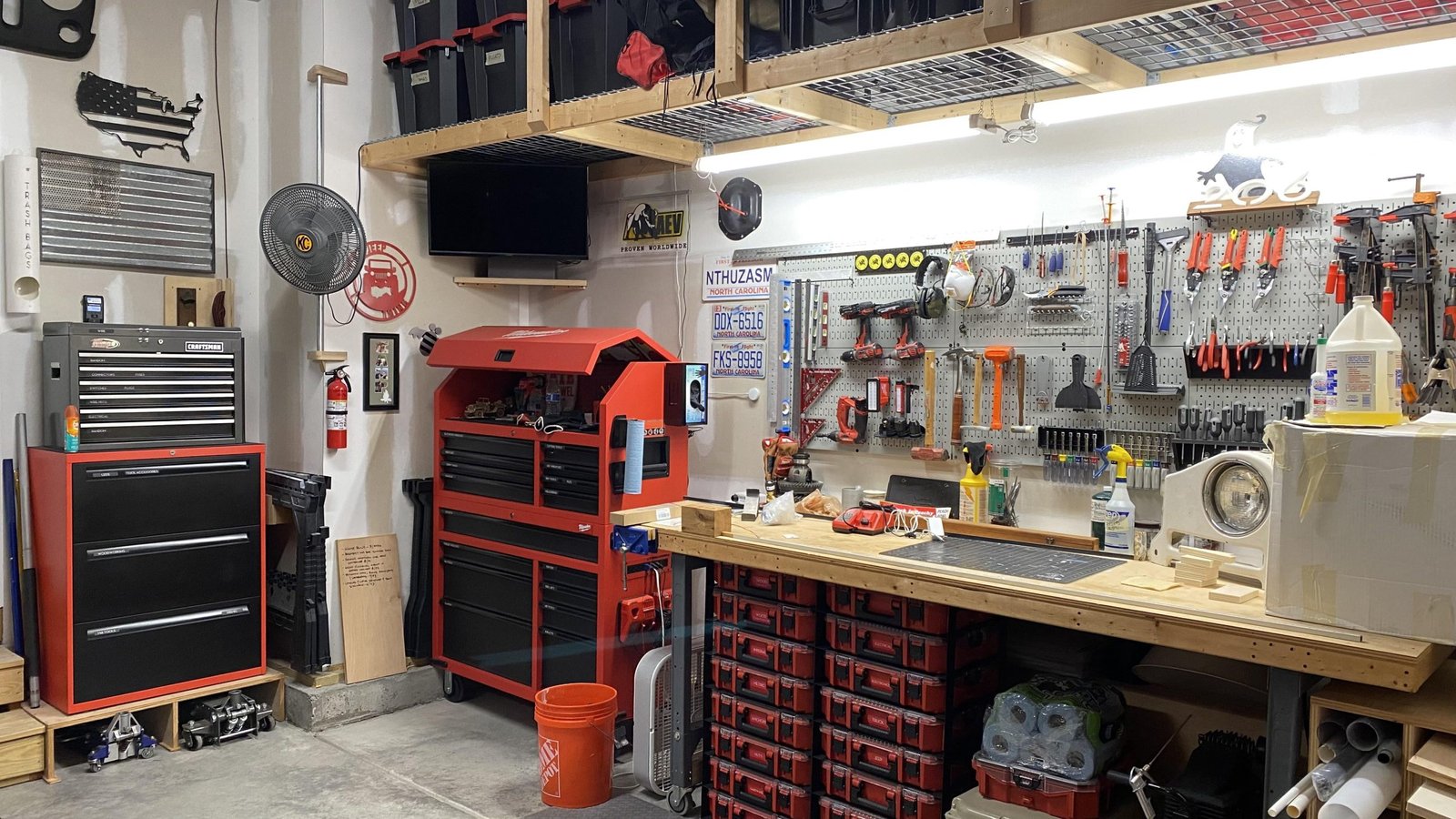
Keeping your tools organized makes your work easier and faster. A neat mobile tool chest helps you find tools quickly.
Good organization saves space and protects your tools from damage. Planning your tool chest layout is important.
Drawer Layout Strategies
Plan each drawer by tool size and use. Put small tools in shallow drawers and large tools in deep drawers.
Keep frequently used tools in the top drawers for easy reach. Group similar tools together for quick access.
- Sort tools by size and type
- Use shallow drawers for small tools
- Place heavy tools in lower drawers
- Keep daily tools near the top
- Group similar items together
Using Tool Organizers
Tool organizers help keep each tool in its place. Use trays, dividers, or foam inserts to separate tools.
Organizers reduce clutter and stop tools from moving around during travel. Choose organizers that fit your drawer sizes.
- Use foam inserts for custom fit
- Try plastic trays for easy cleaning
- Use dividers to separate tool types
- Magnetic strips hold metal tools
- Remove unused organizers to save space
Labeling Techniques
Labels help you find tools without opening every drawer. Use clear, simple labels for each section or tool spot.
Labeling keeps your tool chest organized even if others use it. Use waterproof labels to prevent damage.
- Label drawers by tool type or size
- Use clear, easy-to-read fonts
- Place labels on drawer fronts
- Use color codes for quick ID
- Replace worn labels regularly

Credit: www.gladiatorgarageworks.com
Maximizing Efficiency On The Go
A mobile tool chest helps you carry essential tools wherever you need them. Organizing it well saves time and effort during work.
This guide shares tips to keep your tools ready and easy to reach while you move from place to place.
Quick Access Tips
Keep your most-used tools within easy reach. This reduces the time spent searching for items on the job.
- Use clear labels on drawers and compartments
- Place frequently used tools at the top or front
- Organize tools by type or task to avoid confusion
- Use removable trays for quick tool swaps
- Keep a small pouch for screws and nails nearby
Securing Tools During Transport
Tools must stay safe and stable when you move your chest. Proper securing avoids damage and loss.
| Method | Benefit |
| Lockable latches | Prevent accidental opening |
| Non-slip mats inside | Keep tools from sliding |
| Straps or bungee cords | Hold the chest firmly in place |
| Foam inserts | Protect tools from bumps |
Maintaining Tool Condition
Well-maintained tools last longer and work better. Clean and check them often to stay ready.
Follow these simple tips to keep your tools in top shape:
- Wipe tools clean after each use
- Apply oil to prevent rust on metal parts
- Store sharp tools with protective covers
- Inspect handles and replace if cracked or loose
- Keep tools dry to avoid corrosion
Customizing Your Tool Chest
Making your mobile tool chest fit your needs saves time and effort. You want it to be easy to carry and organized well.
Customizing your tool chest helps keep your tools safe and ready. Here are ways to make it work for you.
Adding Modular Components
Modular parts let you change your tool chest as your needs grow. Add or remove sections to fit your tools.
- Use stackable drawers for small tools and parts.
- Attach removable bins for quick access.
- Choose fold-out trays to save space.
- Add hooks or holders for hanging tools.
Incorporating Charging Stations
Keep your cordless tools charged by adding a charging spot inside your chest. It keeps batteries ready and saves time.
| Feature | Benefit |
| Built-in power strip | Charge multiple tools at once |
| LED indicator lights | Shows battery status quickly |
| Cable management | Keeps cords neat and untangled |
| Ventilation slots | Prevents overheating while charging |
Personalizing For Specific Tasks
Arrange your tools based on the jobs you do most. This saves time finding the right tool fast.
Try these ideas:
- Keep frequently used tools in front or top drawers.
- Label compartments for easy identification.
- Use foam inserts to hold delicate tools safely.
- Include a small clipboard or notebook for job notes.
Maintenance And Upkeep
Keeping your mobile tool chest in good shape helps tools last longer. Regular care prevents damage and keeps tools ready for use.
Simple maintenance steps save you time and money. They also make sure your tools work well when you need them.
Regular Cleaning Routines
Clean your tools and chest regularly to remove dirt and grease. Wipe tools with a dry cloth after each use.
Use mild soap and water to clean stubborn grime. Dry tools completely to stop rust from forming.
- Wipe tool handles and metal parts
- Remove dust inside the chest
- Use compressed air for hard-to-reach spots
- Apply light oil to metal surfaces
Tool Inspection And Replacement
Check tools often for damage like cracks or rust. Replace tools that are broken or unsafe to use.
Inspect moving parts to ensure smooth operation. Tighten loose screws and sharpen blades as needed.
- Look for worn handles and replace them
- Check cutting edges for dullness
- Test power tools before use
- Discard tools that cannot be fixed
Storage Environment Tips
Store your mobile tool chest in a dry place. Moisture causes rust and damages tools over time.
Keep the chest away from extreme heat or cold. Use desiccant packs to control humidity inside the chest.
- Choose shaded or indoor storage spots
- Keep chest off the ground to avoid dampness
- Use liners or mats inside drawers
- Ventilate the storage area if possible
Frequently Asked Questions
What Tools Are Essential For A Mobile Tool Chest?
Essential tools include a hammer, screwdrivers, pliers, tape measure, and adjustable wrench. These cover most basic repair tasks. Adding specialty tools depends on your specific needs and projects.
How To Organize Tools Efficiently In A Mobile Chest?
Use compartments, drawers, and foam inserts to separate tools. Label sections clearly to find items quickly. Keep frequently used tools accessible for convenience.
What Size Should A Mobile Tool Chest Be?
Choose a size that fits your available space and tool collection. It should be compact enough to move easily but large enough to hold all essential tools comfortably.
How To Maintain And Clean A Mobile Tool Chest?
Regularly wipe down surfaces and remove dust. Check for rust and oil tools to prevent corrosion. Organize tools after each use to maintain order and functionality.
Conclusion
Crafting a mobile tool chest is simpler than it seems. Start with a lightweight, durable box. Organize tools by size and type for quick access. Use foam inserts to protect delicate tools. Always keep essential tools within reach. Check for any missing items regularly.
Choose compact, multi-purpose tools to save space. Safety gear should be included. Keep the tool chest clean and rust-free. This ensures tools last longer. Regular maintenance helps in quick fixes on the go. A well-prepared tool chest makes every task efficient.
Happy organizing!