
Are you tired of wasting time searching for tools when you’re on the move? A well-organized mobile tool storage solution might be just what you need.
Imagine reaching into your toolbox and instantly finding exactly what you’re looking for. Sounds satisfying, right? You’ll discover practical tips to create a mobile tool storage solution that not only keeps your tools in order but also boosts your efficiency.
Get ready to transform how you work and save precious time. Stick around, and you’ll soon master the art of organizing your mobile tools like a pro!
Choosing The Right Storage Type
Finding the right tool storage helps keep tools safe and easy to carry. Different jobs need different storage types.
Picking the right storage type saves time and keeps tools organized on the move.
Toolboxes Vs. Tool Bags
Toolboxes are hard cases that protect tools well. They are strong and stack easily.
Tool bags are soft and lighter. They offer more flexibility but less protection.
- Toolboxes keep tools safe from drops and weather
- Tool bags are easier to carry and fit in tight spaces
- Toolboxes usually have more compartments for organization
- Tool bags can fit odd-shaped or larger items
Portable Workstations
Portable workstations combine storage and a work surface. They help you work anywhere.
They often have wheels and handles for easy moving. They keep tools and parts close while working.
- Provide a flat surface for repairs or assembly
- Include drawers and compartments for tool storage
- Can be folded or compacted for transport
- Good for jobs needing workspace on site
Custom Storage Options
Custom storage fits your tools and needs exactly. You can design compartments for each item.
This option works well if you carry special or many tools. It keeps everything neat and easy to find.
- Custom foam inserts hold tools securely
- Adjustable shelves fit different sizes
- Labels help identify tool locations quickly
- Can match your work style and storage space
Prioritizing Durability And Materials
Choosing the right materials is key to making a mobile tool storage solution last long. Durable materials protect your tools and keep the storage safe from damage.
Understanding the types of materials and features helps you pick a storage that fits your needs. This guide covers impact resistance, weatherproofing, and weight considerations.
Impact-resistant Materials
Materials that resist impacts prevent cracks and dents. Hard plastics, metals like aluminum, and reinforced composites work well for protection. These materials keep tools safe during transport and use.
Weatherproof Features
Weatherproof storage protects tools from rain, snow, and dust. Seals, waterproof coatings, and rust-resistant metals extend the life of the storage unit. These features are important if you work outdoors or in damp areas.
- Rubber gaskets to seal out moisture
- Powder-coated metal to resist rust
- UV-resistant plastics to prevent cracking
- Drainage holes to avoid water buildup
Lightweight Vs. Heavy-duty
Choosing between lightweight and heavy-duty materials depends on how you use your storage. Lightweight options are easy to carry but may wear faster. Heavy-duty materials last longer but can be harder to move.
| Material Type | Weight | Durability | Best Use |
| Plastic | Light | Moderate | Easy transport, indoor use |
| Aluminum | Medium | High | Outdoor use, moderate weight |
| Steel | Heavy | Very High | Heavy-duty, rough environments |
Organizing For Efficiency
Creating a mobile tool storage solution helps keep tools easy to find. Good organization saves time and reduces frustration.
Using clear methods to sort and store tools makes work smoother. It also protects tools from damage during transport.
Compartmentalization Techniques
Divide your tool storage into sections for each tool type. This separation helps you grab what you need quickly.
- Use small boxes or dividers inside larger containers
- Group similar tools like screwdrivers or pliers together
- Keep frequently used tools in easy-to-reach compartments
- Store small parts like screws and nails in separate bins
Labeling And Color Coding
Labels and colors make it easy to spot tools fast. They reduce mistakes and save time during projects.
| Color | Tool Type | Label Example |
| Red | Cutting Tools | Knives, Blades |
| Blue | Measuring Tools | Tape Measure, Levels |
| Green | Fasteners | Nails, Screws |
| Yellow | Power Tools | Drills, Sanders |
Modular Inserts
Modular inserts allow flexible storage that fits your tools perfectly. You can rearrange compartments as needed.
Consider these insert types:
- Foam cutouts shaped for specific tools
- Plastic trays with adjustable dividers
- Stackable containers that lock together
Maximizing Portability
Creating a mobile tool storage solution helps you carry your tools easily. Portability saves time and effort on every job. A well-designed storage system keeps tools organized and ready to go.
Focus on features that make carrying and moving your tools simple. Think about handles, wheels, and the size of your storage unit. These details improve your daily work experience.
Ergonomic Handles And Straps
Choose handles that fit your hand well and feel comfortable. Soft grips reduce hand strain. Straps help carry heavy loads on your shoulder or back. Adjustable straps fit different body sizes.
- Use padded handles for comfort
- Include adjustable shoulder straps
- Place handles in balanced positions
- Pick materials that resist slipping
Wheels And Mobility Features
Adding wheels makes moving your tools easier. Look for smooth-rolling wheels that work on different surfaces. Swivel wheels help you change direction quickly. Locking wheels keep your storage in place.
| Wheel Type | Best Surface | Feature |
| Hard Plastic | Smooth floors | Durable but noisy |
| Rubber | Rough and uneven | Quiet and shock-absorbing |
| Swivel | All surfaces | Maneuvers easily |
Compact Design Tips
Compact tool storage fits in tight spaces and weighs less. Use stackable compartments to save room. Keep tools in custom slots to prevent shifting. A smaller size makes carrying easier.
- Choose stackable trays or boxes
- Use lightweight materials
- Arrange tools by size and use
- Keep essential tools accessible
Securing Your Tools
Keeping your tools safe is very important. A good mobile storage solution helps protect them from damage and theft.
Use the right methods to lock and store tools carefully. This keeps your tools ready for work and saves money.
Locking Mechanisms
Choose strong locks for your tool storage. Locks stop others from opening your storage without permission.
Use padlocks, combination locks, or built-in locking systems. Pick locks that fit your storage type and tools.
- Padlocks with hardened steel shackles resist cutting
- Combination locks remove the need for keys
- Built-in locks offer extra security for toolboxes
- Check locks regularly to ensure they work well
Anti-theft Measures
Prevent theft by adding extra protection around your tool storage. Simple steps lower the risk of losing tools.
Use alarms, GPS trackers, and secure locations. These tools make it harder for thieves to steal your tools.
- Install alarms that sound if storage is opened
- Use GPS trackers to find stolen tools quickly
- Keep storage in well-lit, visible areas
- Mark tools with unique ID numbers
Safe Storage Practices
Store your tools in a clean, dry place to avoid damage. Organize tools so you can find them fast.
Keep heavy tools low and sharp tools covered. Use tool racks and trays to keep tools safe and tidy.
- Clean tools before storing to prevent rust
- Use foam inserts to protect fragile tools
- Lock storage after each use
- Check tools often for damage or wear
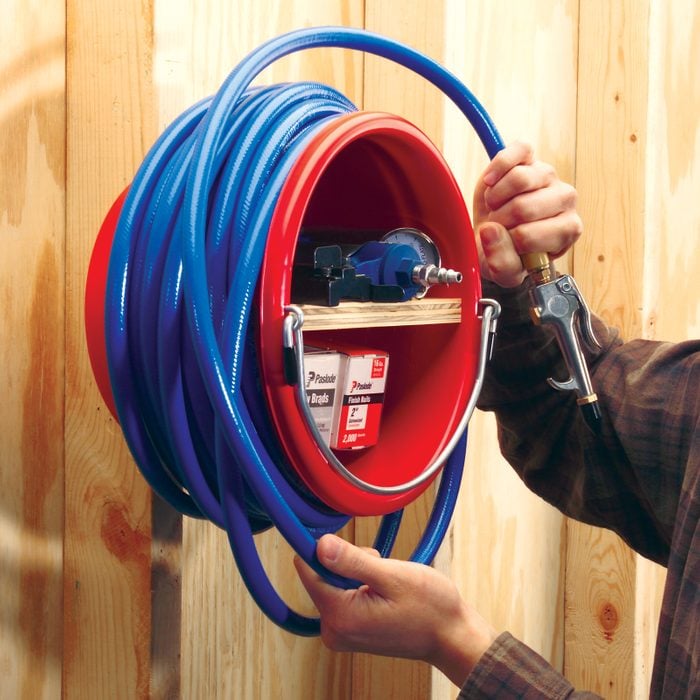
Credit: www.familyhandyman.com
Customizing For Specific Needs
Creating a mobile tool storage solution means making it fit your exact needs. Customizing helps keep tools organized and easy to find.
Each person or job requires different tools. Adjusting storage to match these needs saves time and effort.
Industry-specific Solutions
Different industries use different tools. A storage solution should fit the tools used in your line of work.
For example, electricians need compartments for wires and testers. Carpenters require space for saws and hammers.
- Construction: durable and heavy-duty storage
- Automotive: secure spaces for small parts
- Plumbing: compartments for pipes and fittings
- Electronics: soft padding for delicate devices
Adjustable Compartments
Adjustable compartments let you change the space inside your storage. This flexibility fits different tools as they change.
You can move dividers or add trays to keep tools from moving during transport. This keeps tools safe and easy to access.
- Moveable dividers create custom spaces
- Stackable trays add more layers of storage
- Expandable sections grow with your tool collection
Personalizing Storage
Personalizing your tool storage makes it easier to find your tools fast. Add labels or color codes for quick access.
Adding your name or company logo helps keep your storage unique and prevents mix-ups at work sites.
- Use labels for each compartment
- Color code tools by type or use
- Add name tags or decals for ownership
Maintaining Your Storage Solution
Keeping your mobile tool storage clean and in good shape saves time and money. Regular care helps tools last longer and keeps your workspace tidy.
Follow simple steps to clean, inspect, and repair your storage solution for the best results.
Cleaning And Care
Remove dust and dirt from your storage regularly. Use a soft cloth and mild cleaner to wipe surfaces. Avoid harsh chemicals that can damage finishes.
- Empty drawers before cleaning
- Use a vacuum to remove debris
- Dry surfaces completely to prevent rust
- Apply lubricant to moving parts
Regular Inspections
Check your storage system often for signs of wear or damage. Look for loose screws, broken hinges, or rust spots. Early detection stops small problems from growing.
| Inspection Area | What to Check | Action Needed |
| Drawers | Smooth sliding, no jams | Tighten tracks, clean debris |
| Locks | Function and security | Lubricate, replace if faulty |
| Frame | Rust, dents, or cracks | Clean, touch up paint, repair |
Repair And Upkeep
Fix problems quickly to keep your storage safe and useful. Replace worn parts and tighten loose fittings. Regular upkeep prevents major repairs later.
- Identify broken or damaged parts
- Gather necessary tools and replacements
- Follow instructions to repair or replace parts
- Test storage after repairs
- Schedule regular maintenance checks
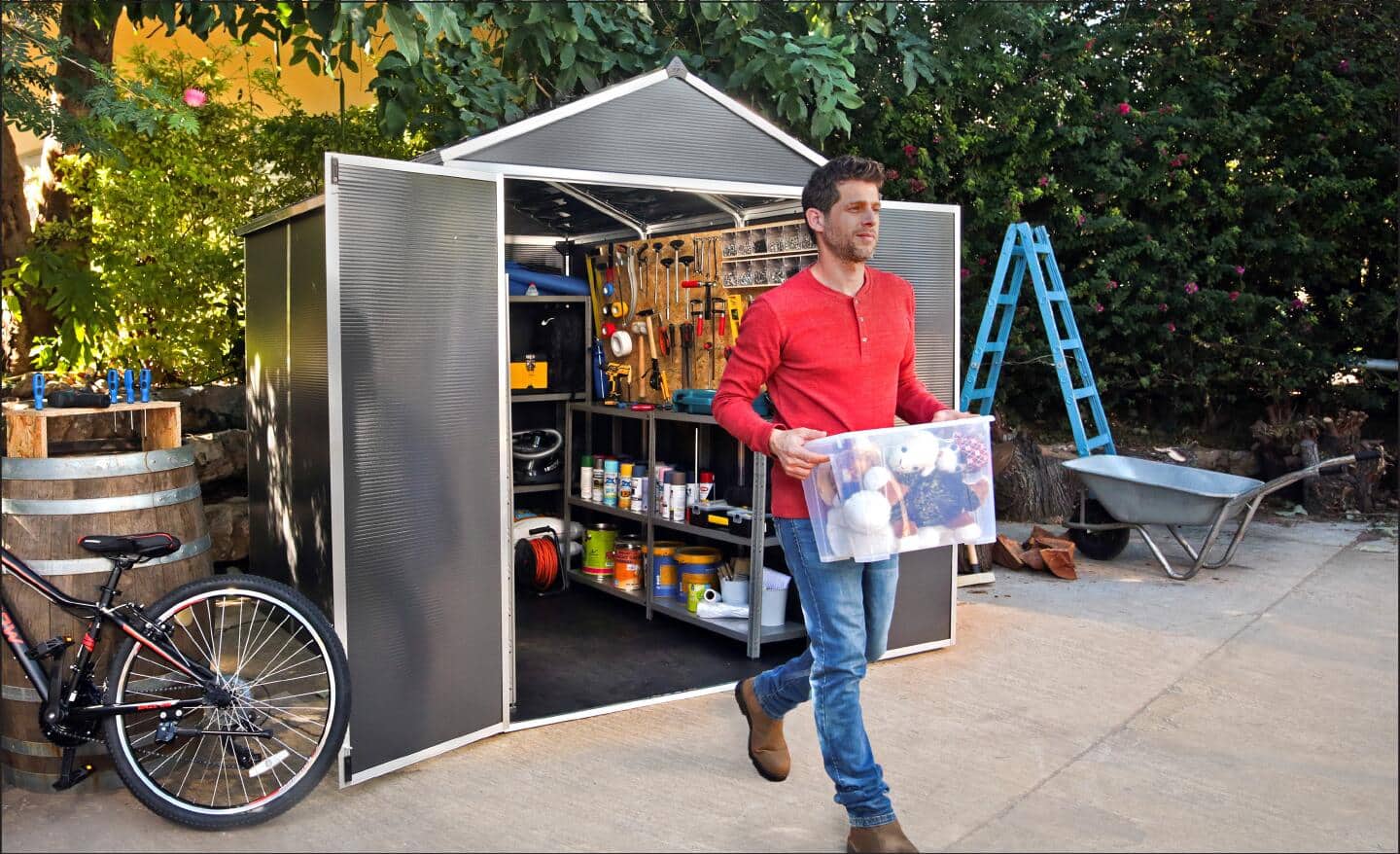
Credit: www.homedepot.com

Credit: storagesmart.com.au
Frequently Asked Questions
What Are The Best Materials For Mobile Tool Storage?
Durable materials like heavy-duty plastic, metal, or reinforced wood work best. They provide strength and protect tools during transport. Lightweight options enhance portability without sacrificing durability. Choose materials resistant to weather and wear for longer-lasting storage solutions.
How Can I Organize Tools Efficiently In Mobile Storage?
Group tools by type and frequency of use for easy access. Use labeled compartments or removable trays to keep items sorted. Magnetic strips and hooks help utilize vertical space. Efficient organization saves time and reduces clutter in your mobile tool storage.
What Size Mobile Storage Is Ideal For Tool Portability?
Choose a compact size that fits your vehicle and workspace. It should hold essential tools without being too bulky. Measure your available transport space and consider tool quantity. Balanced size ensures easy mobility and adequate storage capacity for your needs.
How To Secure Tools In A Mobile Storage Unit?
Use lockable latches or padlocks to prevent theft. Foam inserts and dividers keep tools stable during movement. Ensure compartments close tightly to avoid accidental openings. Proper securing protects your tools and enhances safety while on the go.
Conclusion
Creating a mobile tool storage solution saves time and keeps tools organized. Choose a design that fits your space and needs. Use sturdy materials to ensure it lasts long. Label compartments for quick access to tools. Keep the storage clean and tidy regularly.
Small changes can improve your work efficiency greatly. Start building your mobile tool storage today and enjoy the benefits. Simple steps lead to better organization and less stress.