Are you planning a project that requires cutting metal with a circular saw? If so, you’ve come to the right place.
Whether you’re a seasoned DIY enthusiast or just starting out, knowing how to cut metal safely is crucial. Safety is paramount, and by learning the right techniques, you can ensure your project goes smoothly without any unexpected hiccups. Imagine the satisfaction of making precise cuts without the worry of accidents.
You’ll discover practical tips that will not only keep you safe but also enhance the quality of your work. Stick around to equip yourself with the knowledge you need to tackle your metal-cutting tasks confidently and efficiently. Your safety and success are just a few scrolls away.
Choosing The Right Blade
Cutting metal with a circular saw needs the right blade. Choosing the correct blade helps you cut safely and cleanly.
Using the wrong blade can cause damage or injury. Learn about blade types, materials, and sizes to pick the best one.
Types Of Blades For Metal
Metal cutting blades come in different styles. Each type suits specific metal and cutting tasks.
- Abrasive Blades: Made of bonded grit; good for rough cuts on thick metal.
- Carbide-Tipped Blades: Have hard tips; last longer and give cleaner cuts.
- Diamond Blades: Use diamond particles; best for very hard metals and alloys.
- High-Speed Steel (HSS) Blades: Strong and sharp; used for thin metal sheets.
Blade Material And Coating
Blade material affects cutting speed and durability. Coatings help reduce heat and wear.
- Carbide Tips: Resist heat and stay sharp longer than steel blades.
- High-Speed Steel: Good for light metal work but dulls faster.
- Tungsten Carbide Coating: Adds extra hardness and reduces friction.
- Teflon or Titanium Coating: Helps the blade stay cool and reduces rust.
Blade Size And Teeth Count
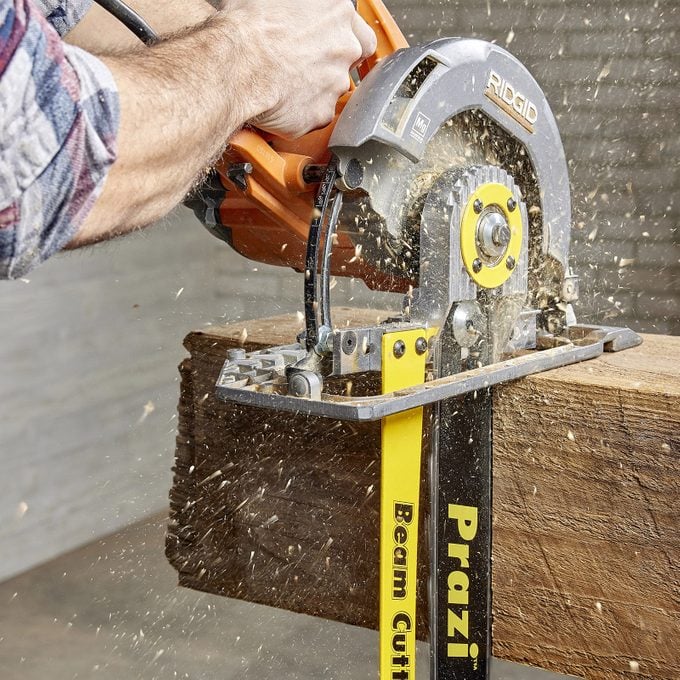
Blade size and number of teeth affect cutting control and speed. Choose based on metal thickness.
| Blade Size | Teeth Count | Best For |
|---|---|---|
| 4 to 6 inches | 24 to 40 | Thin metal sheets and small cuts |
| 7 to 10 inches | 40 to 80 | Medium thickness metal, smoother cuts |
| 10+ inches | 80+ | Thick metal, precise and clean cuts |
Credit: www.familyhandyman.com
Preparing Your Workspace
Cutting metal safely with a circular saw starts with a well-prepared workspace. Setting up the area right helps prevent accidents and makes the work easier.
Focus on clearing the area, securing the metal, and ensuring good lighting. These steps keep you safe and improve cutting accuracy.
Clearing The Area
Remove all clutter from your workspace. This creates a safe zone around your cutting area and stops you from tripping or losing control of the saw.
- Clear tools and materials not in use
- Remove any debris or scrap metal pieces
- Keep the floor dry and free of obstacles
- Make sure power cords are out of the way
Securing The Metal
Hold the metal firmly to avoid movement during cutting. Use clamps or a vise to keep the piece steady and reduce kickback risk.
| Tool | Use | Tip |
| Clamps | Hold metal on workbench | Use strong, adjustable clamps |
| Vise | Secure small metal pieces | Check tightness before cutting |
| Support Stands | Support long metal pieces | Keep level with workbench |
Ensuring Proper Lighting
Bright lighting helps you see the cutting line clearly. Good light reduces mistakes and prevents accidents caused by poor visibility.
- Use overhead lights or portable work lamps
- Position light to avoid shadows on the metal
- Check that all bulbs are working before starting
- Consider natural daylight if possible
Personal Safety Gear
Cutting metal with a circular saw is dangerous without the right safety gear. Protecting your body reduces the risk of injury.
Wear proper equipment before starting. This guide covers essential gear for your eyes, ears, hands, clothes, and lungs.
Eye And Ear Protection
Eye and ear protection guard against flying metal shards and loud noise. Always wear safety glasses and hearing protection.
- Use impact-resistant safety goggles or glasses.
- Wear earplugs or earmuffs to protect hearing.
- Check that all gear fits well and feels comfortable.
Gloves And Clothing
Gloves protect your hands from sharp edges and heat. Choose thick, cut-resistant gloves for metal work.
| Clothing Item | Purpose |
| Long-sleeve shirt | Protect arms from sparks and cuts |
| Durable pants | Shield legs from flying debris |
| Closed-toe shoes | Protect feet from heavy metal pieces |
Respiratory Protection
Metal cutting creates dust and fumes. A mask or respirator keeps harmful particles out of your lungs.
- Wear a dust mask rated for metal particles.
- Use a respirator for better protection against fumes.
- Make sure your mask fits snugly without gaps.
Saw Setup And Inspection
Cutting metal safely with a circular saw starts with proper setup and inspection. Checking your saw carefully helps avoid accidents.
Taking time to adjust the saw and test it before cutting improves safety and results.
Checking The Saw Condition
Inspect the circular saw before use. Look for damage or wear on the blade and body. Make sure the blade is sharp and free of rust.
- Check the blade for cracks or missing teeth.
- Examine the power cord for cuts or frays.
- Test the guard to see if it moves freely.
- Ensure the handle is secure and comfortable.
- Clean dust and debris from vents and blade area.
Adjusting Depth And Speed
Set the blade depth so it cuts through the metal safely. Too deep can cause kickback. Adjust speed if your saw has this feature.
| Setting | Recommended Adjustment |
| Blade Depth | 1/8 inch deeper than metal thickness |
| Speed | Use lower speed for thicker metals |
| Blade Type | Use metal-cutting blades only |
Testing Before Cutting
Before cutting your metal piece, test the saw on a scrap piece. This ensures the settings work and the saw runs smoothly.
- Wear safety gear like goggles and gloves.
- Secure the scrap metal on a stable surface.
- Make a slow test cut to check blade depth and speed.
- Listen for unusual sounds or vibrations.
- Adjust settings if the cut is rough or the saw struggles.
Cutting Techniques
Cutting metal with a circular saw needs care and skill. Using the right technique helps you cut safely and accurately.
Follow simple steps to control the saw and avoid accidents. This guide covers key cutting techniques for safety.
Marking The Cut Line
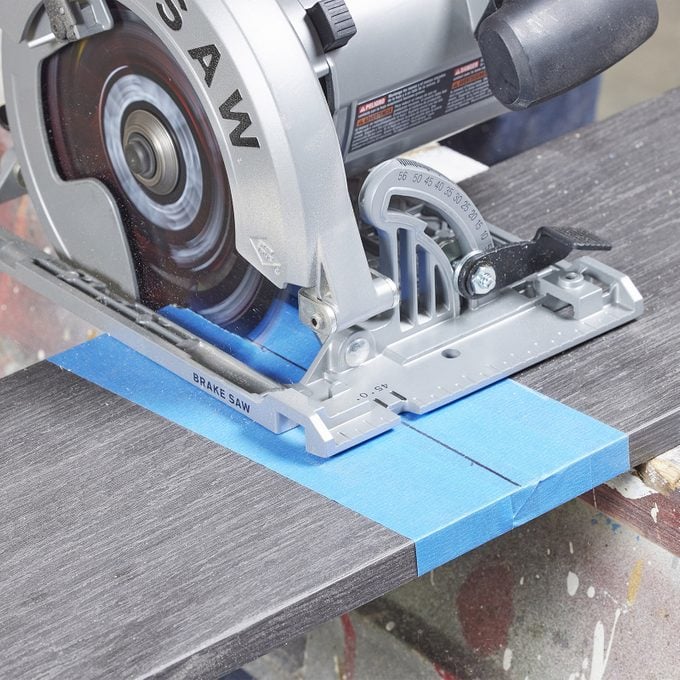
Mark your cut line clearly before you start cutting. Use a metal scribe or a permanent marker to draw the line.
Check the line twice to be sure it is straight and in the right place. This helps you follow the line and cut accurately.
Maintaining Steady Pressure
Keep steady pressure on the saw while cutting metal. Pressing too hard can damage the blade or cause the saw to slip.
Let the saw do the work. Push the saw forward at a steady pace to make a clean cut without forcing it.
Avoiding Kickback
Kickback happens when the saw blade catches and pushes the saw back suddenly. It can cause injury.
To avoid kickback:
- Hold the saw firmly with both hands
- Use a sharp blade designed for metal cutting
- Keep the saw aligned with the cut line
- Do not twist or force the saw during the cut
- Wear safety gear like gloves and eye protection

Credit: www.familyhandyman.com
Post-cutting Safety
After cutting metal with a circular saw, it is important to follow safety steps. These steps help prevent injuries and keep tools in good shape.
Focus on handling hot metal carefully, cleaning the saw blade, and storing your tools properly.
Handling Hot Metal
Metal gets very hot after cutting. Touching it without protection can cause burns. Always use thick gloves or tongs to move metal pieces right after cutting.
Let the metal cool down in a safe place before handling it with bare hands.
Cleaning The Blade
Metal dust and debris can stick to the blade after use. Cleaning the blade keeps it sharp and safe for the next cut.
- Unplug the saw before cleaning.
- Use a brush to remove metal dust and filings.
- Apply a blade cleaner or mild solvent if needed.
- Dry the blade fully to prevent rust.
- Check the blade for damage or wear.
Storing Tools Properly
Proper storage protects your circular saw and keeps your workspace safe. Store tools in a dry, clean area away from children.
| Storage Tip | Reason |
| Keep saw in a case or covered | Protects blade and motor from dust |
| Store blades separately | Prevents damage and injury |
| Place tools on stable shelves | Avoids falls and accidents |
| Keep cords untangled | Reduces risk of trips and damage |
Common Mistakes To Avoid
Cutting metal with a circular saw can be tricky. Many people make errors that cause accidents or poor cuts.
Knowing what mistakes to avoid helps keep you safe and get better results.
Using Wrong Blade Types
Using the wrong blade can damage your saw and metal. It also makes cutting unsafe.
Metal cutting needs a blade designed for hard materials. Wood blades wear out fast and can break.
- Use carbide-tipped blades made for metal
- Avoid blades with too few teeth
- Check blade size matches your saw
Ignoring Safety Gear
Safety gear protects you from sparks and metal shards. Skipping it risks injuries.
Always wear gloves, goggles, and ear protection. A dust mask helps with metal dust.
- Wear safety goggles to protect eyes
- Use heavy gloves to guard hands
- Put on earplugs to reduce noise
- Wear a dust mask to avoid breathing metal dust
Rushing The Cut
Cutting metal too fast causes rough edges and blade damage. It also increases accident risk.
Move the saw slowly and steadily. Let the blade do the work without forcing it.
- Start cutting gently to guide the blade
- Keep a steady speed without pushing hard
- Pause if the saw overheats or binds
Credit: www.familyhandyman.com
Frequently Asked Questions
What Safety Gear Is Essential For Cutting Metal With A Circular Saw?
Always wear safety goggles, gloves, ear protection, and a dust mask. These protect your eyes, hands, ears, and lungs from metal shards and noise. Proper gear reduces injury risk and ensures a safer cutting experience.
How Do I Choose The Right Blade For Metal Cutting?
Select a blade specifically designed for metal cutting, like carbide-tipped or abrasive blades. These blades offer clean cuts and durability. Using the correct blade improves cutting efficiency and prevents damage to the saw and material.
Can I Cut Any Type Of Metal With A Circular Saw?
Most metals like aluminum, steel, and copper can be cut with the right blade. However, very hard metals may require specialized tools. Always check metal thickness and blade suitability before cutting.
How Should I Secure Metal Before Cutting With A Circular Saw?
Clamp the metal firmly to a stable work surface to prevent movement. This ensures precise cuts and avoids kickback. Never hold metal by hand while cutting for safety reasons.
Conclusion
Cutting metal with a circular saw takes care and attention. Always wear safety gear like goggles and gloves. Keep your saw blade sharp and suitable for metal. Measure twice, cut once to avoid mistakes. Work slowly to control the saw and reduce sparks.
Clear your workspace from anything that might catch fire. Following these tips helps you cut metal safely every time. Stay focused, stay safe, and your project will go smoothly. Safety is the best tool in your kit.