
Cutting metal with a circular saw can feel tricky if you’re not sure where to start. But with the right tips, you can make clean, precise cuts safely and confidently.
Whether you’re a beginner or just looking to improve your technique, this guide will help you avoid common mistakes and get the best results. Keep reading to discover simple steps that will save you time, protect your tools, and make your metal cutting tasks easier than ever.
Your next project is about to get a lot smoother!
Choosing The Right Blade
Cutting metal with a circular saw needs the right blade. The blade type, size, and teeth affect the cut quality.
Using the correct blade makes cutting easier and safer. It also helps the blade last longer.
Blade Types For Metal Cutting
Blades for cutting metal differ from wood blades. They must be strong and sharp to cut metal cleanly.
Common types include carbide-tipped, abrasive, and diamond blades. Each works best for different metal types.
- Carbide-tipped blades:Durable and good for thin metal sheets.
- Abrasive blades:Use friction to cut; best for thick metal.
- Diamond blades:Very strong; cut hard metals and alloys.
Blade Size And Teeth Count
Blade size affects cutting depth and control. Choose a blade size that fits your saw and project.
Teeth count impacts the cut smoothness and speed. More teeth give a smoother cut but cut slower.
- Lower teeth count:Faster cuts, rougher edges.
- Higher teeth count:Slower cuts, smoother edges.
- Match blade size and teeth to metal thickness.

Credit: www.youtube.com
Preparing Your Workspace
Cutting metal with a circular saw needs a clean and organized workspace. This helps you work faster and stay safe.
Set up your area so you can easily reach tools and materials. Clear away anything that could cause accidents.
Securing The Metal Piece
Hold the metal firmly before cutting. A loose piece can move and cause bad cuts or injury.
Use clamps or a vise to keep the metal steady. Check that it does not wobble before you start cutting.
- Place clamps on a solid workbench
- Make sure the metal is flat and supported
- Double-check tightness of clamps before cutting
Ensuring Safety Measures
Wear safety glasses and gloves to protect your eyes and hands. Metal cutting can create sparks and sharp edges.
Keep your workspace well-lit and free of clutter. Have a fire extinguisher nearby in case sparks cause a fire.
- Wear a dust mask to avoid breathing metal dust
- Use ear protection to block loud saw noise
- Keep bystanders away from your cutting area
Setting Up The Circular Saw
Cutting metal with a circular saw needs careful setup. Proper setup helps you cut safely and cleanly.
Check your saw and blade before starting. Make sure everything fits well and is ready to use.
Adjusting The Depth Of Cut
Set the blade depth so it is just a little deeper than the metal thickness. Too deep can cause bad cuts.
Shallow cuts reduce wear on the blade and saw. They also help you control the saw better.
- Loosen the depth adjustment lever
- Move the base plate to set blade depth
- Tighten the lever to lock the depth
- Check depth before every cut
Selecting The Proper Speed
Metal needs a slower saw speed than wood. High speed can cause heat and damage the blade.
Choose a speed that matches the metal type and thickness. Use a blade designed for metal cutting.
- Soft metals: medium speed
- Hard metals: slow speed
- Thicker metal: slower speed
- Thin metal: medium speed
Cutting Techniques
Cutting metal with a circular saw needs care and the right methods. Good techniques help you make clean cuts safely.
Learn how to mark, apply pressure, and use guides. These tips improve your cutting results and reduce mistakes.
Marking And Measuring Accurately
Use a fine-tip marker or scribe to draw your cutting line. Measure twice before marking to avoid errors.
- Use a steel ruler or tape measure for precise length
- Mark clearly but lightly to avoid confusion
- Double-check measurements before cutting
- Use a square tool to keep lines straight and even
Maintaining Steady Pressure
Keep a firm, steady hold on the saw during the cut. Avoid pushing too hard to prevent blade damage and rough edges.
| Pressure Level | Effect |
| Too Light | Blade may wander or stall |
| Steady and Firm | Smooth cut and better control |
| Too Hard | Blade wears quickly, uneven cut |
Using A Guide For Straight Cuts
A guide helps keep your saw on track for straight, clean cuts. You can use clamps and straight edges as guides.
Tips for using a guide:
- Clamp a straight piece of wood along your cut line
- Run the saw’s base against the guide edge
- Check that the guide is secure before cutting
- Adjust the guide if the cut is not perfectly straight
Cooling And Lubrication
Cutting metal with a circular saw creates heat. This heat can damage the blade and metal.
Using cooling and lubrication helps keep the blade cool and cuts smooth.
Choosing The Right Lubricant
Pick lubricants made for metal cutting. They reduce friction and heat well.
Water-based coolants work for light cutting jobs. Oil-based lubricants suit heavy cutting.
- Water-based coolants cool quickly but evaporate fast
- Oil-based lubricants stay longer and protect blades
- Dry lubricants reduce mess but may not cool well
When And How To Apply It
Apply lubricant before you start cutting. This lowers heat from the first cut.
Keep applying lubricant during cutting if you cut for a long time. This keeps the blade cool.
- Use a spray bottle to apply coolant evenly
- Apply oil with a brush for heavy cutting jobs
- Do not use too much lubricant to avoid mess
- Wipe excess lubricant off the metal after cutting
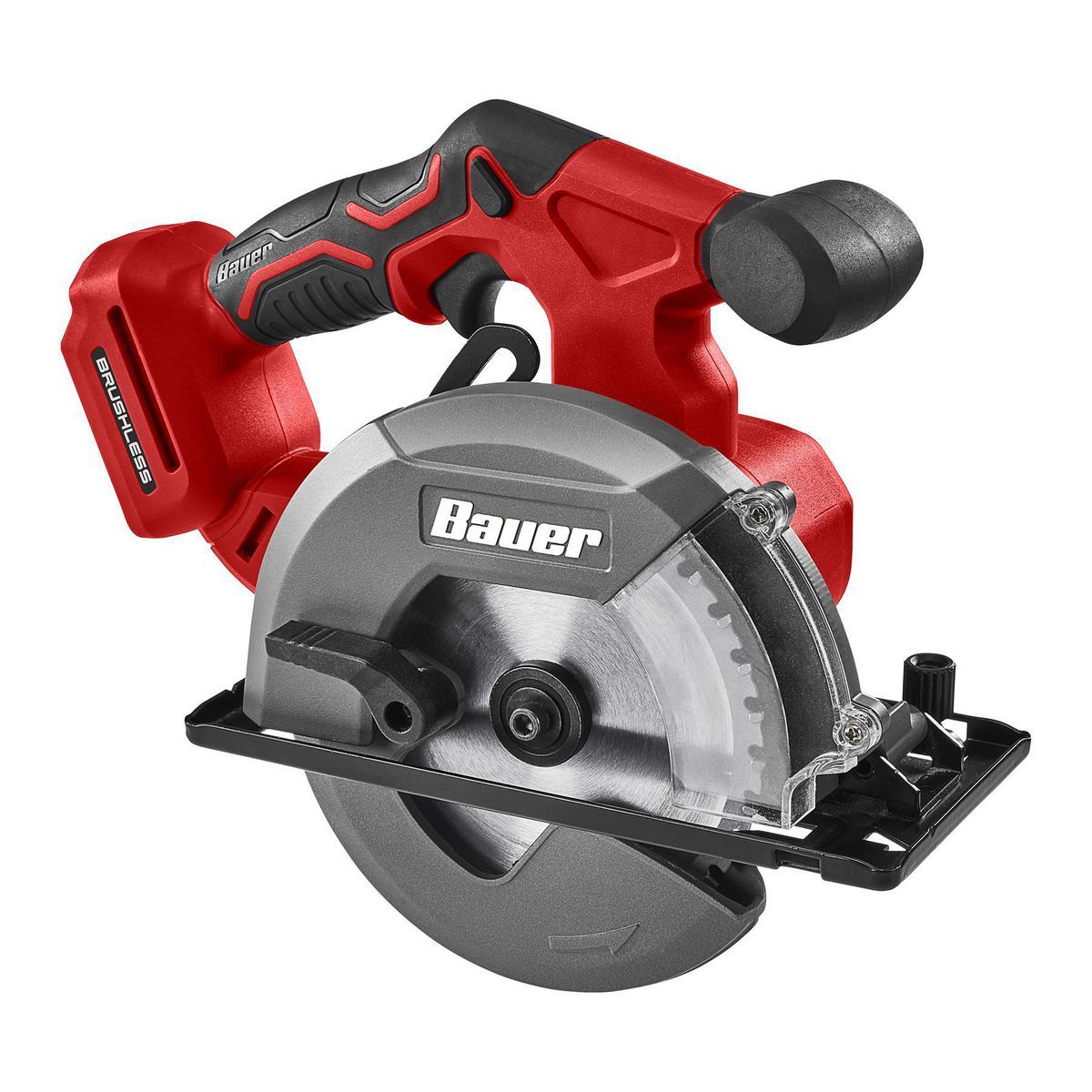
Credit: cordlessandportables.com
Post-cut Finishing
After cutting metal with a circular saw, finishing the edges is important. This step makes the piece safe and ready to use.
Good finishing improves the look and helps prevent injuries from sharp edges.
Deburring Edges
Cut metal often has sharp burrs along the edges. These burrs can cause cuts or damage other parts.
Use a file, sandpaper, or a deburring tool to smooth the edges carefully.
- Hold the metal firmly before starting
- Work slowly to avoid removing too much material
- Check the edge by running your finger gently
- Wear gloves to protect your hands
Inspecting The Cut
Look closely at the cut line to check for accuracy and quality. Make sure the cut is straight and clean.
Check for any cracks or rough spots that need fixing before using the metal piece.
- Use a ruler or square to measure the cut line
- Look for any missing pieces or uneven edges
- Test the fit if the metal part connects to others
- Mark any problem areas for further work
Common Mistakes To Avoid
Cutting metal with a circular saw needs care and attention. Mistakes can cause damage or injury.
Learn about common errors to keep your work safe and smooth.
Overheating The Blade
One big mistake is letting the blade get too hot. Overheating makes the blade dull and weak.
Heat builds up when cutting too fast or pushing hard. This can ruin the blade and metal.
- Cut slowly and steadily
- Do not force the saw through the metal
- Use a blade made for metal cutting
- Pause to let the blade cool if needed
Ignoring Safety Gear
Skipping safety gear puts you at risk. Metal cutting creates sparks and sharp edges.
Always wear proper protection to avoid injuries and accidents.
- Use safety glasses or goggles
- Wear gloves to protect your hands
- Use ear protection against loud noise
- Wear long sleeves and pants to cover skin
- Work in a well-ventilated area

Credit: www.youtube.com
Frequently Asked Questions
What Type Of Blade Is Best For Cutting Metal?
Use a carbide-tipped or abrasive metal-cutting blade. These blades ensure clean cuts and longer durability on metal surfaces.
How Do I Safely Cut Metal With A Circular Saw?
Wear safety gear like gloves and goggles. Secure the metal firmly and cut slowly to avoid kickback and overheating.
Can A Regular Circular Saw Cut Metal Effectively?
Regular saws can cut thin metal with the right blade. However, specialized metal-cutting saws perform better for thicker metals.
What Speed Should I Use When Cutting Metal?
Use a slower speed to prevent blade damage and overheating. Adjust the saw speed according to metal thickness and type.
Conclusion
Cutting metal with a circular saw takes care and focus. Always wear safety gear to protect yourself. Use the right blade for metal to get clean cuts. Take your time and keep the saw steady. Mark your lines clearly before you start cutting.
Practice on scrap metal to build confidence. These simple tips help you work safely and well. Stay patient, and your results will improve each time.