Are you ready to unlock the secrets to cutting metal with hand tools like a pro? Whether you’re a DIY enthusiast or a seasoned craftsman, mastering this skill can save you time, money, and a whole lot of frustration.
Imagine the satisfaction of slicing through metal with precision, using just your hands and a few trusty tools. In this guide, you’ll discover practical tips that make the process not only efficient but also enjoyable. Get ready to boost your confidence and skills with techniques that make even the toughest metal feel like butter.
Keep reading, because these insights are just too good to miss.
Choosing The Right Tools
Cutting metal by hand needs the right tools for safety and accuracy. Picking the correct tool depends on the metal type and the cut you want.
Using poor tools can cause bad cuts or damage. Learn about common hand tools and how to select the best one for your job.
Types Of Hand Tools For Metal Cutting
There are several hand tools to cut metal. Each tool suits different metals and cutting needs.
- Hacksaw:A fine-toothed saw good for thin metal sheets and rods.
- Metal Snips:Scissor-like tools used for cutting thin sheet metal.
- Files:Used to smooth edges after cutting metal.
- Chisels:For cutting or shaping metal by striking with a hammer.
- Bolt Cutters:Designed for cutting thick metal rods and bolts.
Selecting The Best Tool For Your Project
| Project Type | Recommended Tool | Metal Thickness |
| Thin Sheet Metal | Metal Snips | Up to 18 gauge |
| Small Rods or Pipes | Hacksaw | Up to 1 inch diameter |
| Thick Rods or Bolts | Bolt Cutters | Above 1 inch diameter |
| Edge Smoothing | File | Any thickness |
| Shaping or Cutting | Chisel and Hammer | Varies by metal type |
Pick a tool that matches the metal thickness and shape. Use a sharp blade or teeth for smooth cuts. Always wear safety gear.
Preparing The Metal Surface
Cutting metal with hand tools needs a clean, prepared surface. This makes the cut smooth and safe. Before you start, clear dirt, rust, and marks that could cause mistakes.
Also, hold the metal firmly so it does not move. A steady workpiece helps you cut straight and avoid accidents.
Cleaning And Marking The Metal
Start by cleaning the metal surface. Remove dirt, grease, and rust. Use a wire brush or sandpaper for best results. A clean surface helps your tools work better.
- Wipe the metal with a clean cloth
- Use a wire brush for rust spots
- Sand rough areas smooth
- Mark your cutting line with a pencil or marker
- Double-check your measurements before cutting
Securing The Workpiece Safely
Hold the metal steady to cut safely. Use clamps or a vise to keep it from moving. Never hold the metal with your hands while cutting.
| Tool | Use | Safety Tip |
|---|---|---|
| Clamps | Hold metal on workbench | Check tightness before cutting |
| Bench Vise | Secure metal firmly | Protect jaws with soft pads |
| Work Gloves | Protect hands | Wear during all cutting steps |
Hand Saw Techniques
Cutting metal with hand tools needs care and the right methods. Using a hand saw properly makes the job safer and easier.
This guide shares tips on how to hold the saw and keep your cutting steady. Good technique helps you cut cleanly and avoid mistakes.
Proper Saw Grip And Stance
Hold the saw handle firmly but not too tight. Your hand should feel comfortable and in control.
- Place your thumb on one side of the handle and fingers on the other.
- Keep your wrist straight to avoid strain.
- Stand with feet shoulder-width apart for balance.
- Position your body so you can see the cut line clearly.
- Keep your weight evenly distributed on both feet.
Maintaining A Steady Cutting Motion
Move the saw in smooth, even strokes. Avoid pushing too hard or rushing the cut.
| Tip | Reason |
| Start with slow strokes | Helps guide the saw on the cut line |
| Use full arm motion | Prevents uneven cutting and reduces fatigue |
| Keep saw blade straight | Ensures a clean, straight cut |
| Pause if saw binds | Prevents damage to the blade and workpiece |
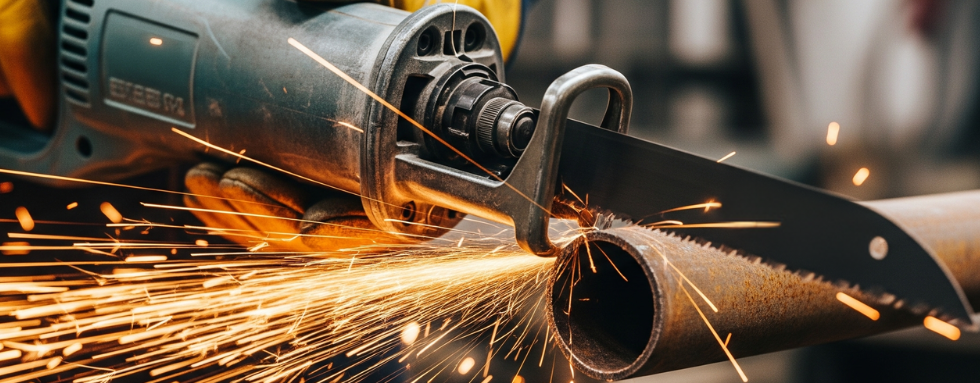
Credit: onevantool.com
Using Tin Snips Effectively
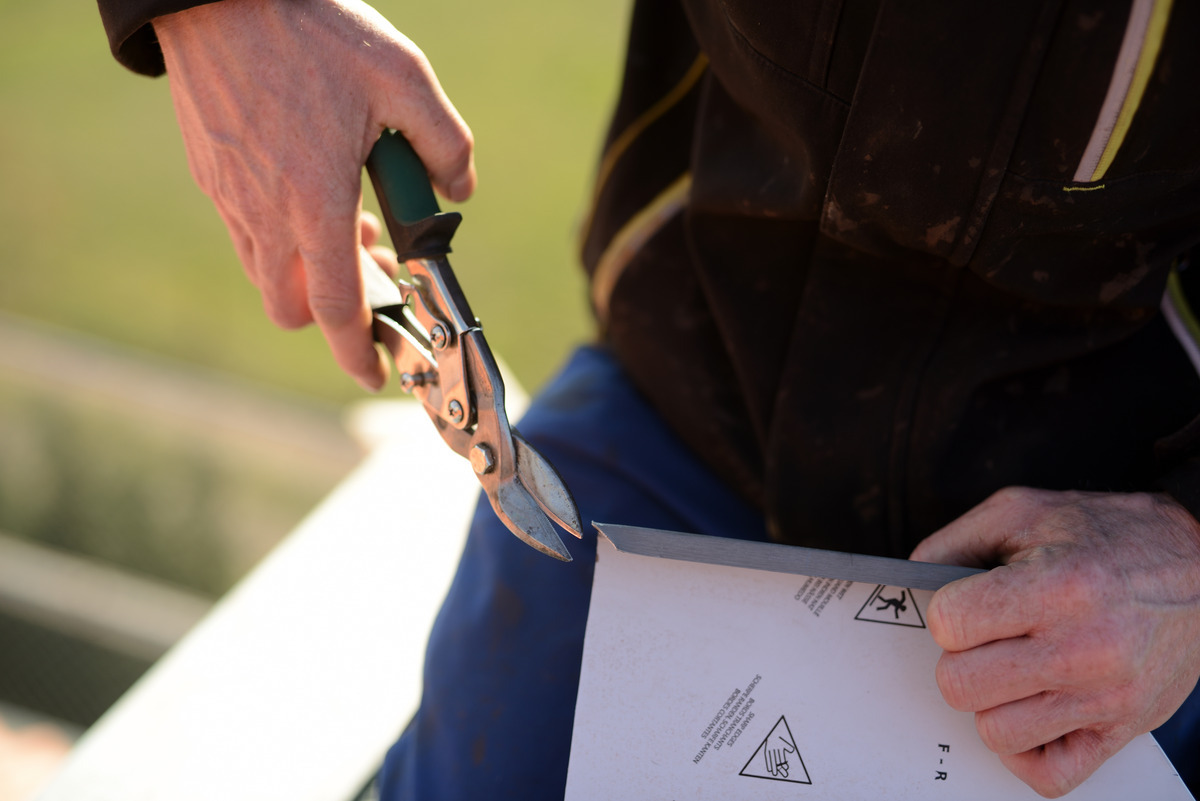
Cutting metal with hand tools needs care and the right methods. Tin snips are simple tools that help you cut metal sheets safely and cleanly.
Learning how to use tin snips well makes your work easier. It also helps you cut metal with less waste and better results.
Types Of Tin Snips And Their Uses
Tin snips come in different types. Each type works best for certain cuts. Knowing the right snip for the job saves time and effort.
- Straight-Cut Snips:Best for cutting straight lines on metal sheets.
- Left-Cut Snips:Designed to cut curves to the left smoothly.
- Right-Cut Snips:Made for cutting curves to the right with ease.
- Compound Snips:Can cut straight and curved lines, good for general use.
Cutting Curves And Straight Lines
Cutting straight lines needs steady hands and the right snips. Keep the snips clean and sharp for smooth cuts.
Curves require slow, careful cutting. Use left or right-cut snips to follow the curve without bending the metal.
| Cut Type | Tip |
| Straight Lines | Use straight-cut snips and guide the metal firmly. |
| Left Curves | Use left-cut snips and cut slowly to avoid rough edges. |
| Right Curves | Use right-cut snips and keep the snips’ nose close to the metal. |
| Complex Shapes | Use compound snips and make small cuts for control. |
Filing And Finishing Edges
Filing and finishing edges are important steps when cutting metal with hand tools. These steps make the metal safe to handle and give it a neat look.
Using the right tools and techniques helps you smooth rough cuts and shape the metal edges properly.
Choosing The Right File
Select a file that matches the metal type and the edge you want to finish. Files come in different shapes and coarseness.
A flat file works well for straight edges. Round files are good for curved surfaces. Use a coarse file for heavy material removal and a fine file for smooth finishing.
- Flat files for flat, straight edges
- Round files for curves and holes
- Coarse files remove metal fast
- Fine files smooth the surface
Smoothing Rough Cuts
After cutting, rough edges can be sharp and uneven. Filing these edges makes them safer and cleaner.
Hold the file at a steady angle and use even strokes. Check the edge often to avoid removing too much metal.
- Clamp the metal securely
- File in one direction, not back and forth
- Use light pressure for finishing
- Wear gloves to protect your hands
Credit: www.amsisupply.com
Safety Measures To Follow
Cutting metal with hand tools can be dangerous without the right safety steps. Using proper safety measures helps avoid injuries and keeps you safe.
Always prepare before starting. Knowing what safety gear to wear and how to prevent common injuries is key to working safely with metal.
Protective Gear Essentials
Wearing the correct protective gear protects your body from sharp edges and flying metal pieces. This gear is your first line of defense.
- Wear safety goggles to protect your eyes from sparks and metal shards.
- Use heavy-duty gloves to avoid cuts and blisters on your hands.
- Put on a long-sleeved shirt and long pants to shield your skin.
- Use ear protection if noise levels are high during cutting.
- Wear sturdy closed-toe shoes to protect your feet from falling metal.
Preventing Common Injuries
Many injuries happen because of careless handling of tools and metal parts. Take simple steps to avoid these common problems.
| Injury Type | Cause | Prevention |
| Cut or Puncture | Sharp metal edges | Wear gloves and handle metal carefully |
| Eye Injury | Flying sparks or debris | Always wear safety goggles |
| Hearing Damage | Loud cutting noise | Use ear protection |
| Muscle Strain | Improper tool use or posture | Use correct technique and take breaks |
| Foot Injury | Dropped metal pieces | Wear sturdy shoes and keep work area clean |
Troubleshooting Common Problems
Cutting metal with hand tools can be tricky. Problems like dull blades and tough metals slow you down.
Knowing how to fix these issues helps you work faster and safer. This guide covers common troubles and solutions.
Dealing With Tool Wear
Hand tools get dull or damaged after use. This affects cutting quality and effort needed.
- Sharpen blades regularly to keep them effective.
- Replace worn-out files or saw blades promptly.
- Clean tools after use to prevent rust and buildup.
- Use the right tool for the metal type and thickness.
- Store tools in a dry place to avoid corrosion.
Handling Difficult Metals
Some metals are harder to cut by hand. These metals need special care to avoid tool damage or poor cuts.
| Metal Type | Challenge | Tip |
| Stainless Steel | Hard and tough | Use high-quality blades and slow cutting |
| Aluminum | Soft and sticky | Keep blades clean to avoid clogging |
| Brass | Soft but brittle | Use gentle pressure and sharp blades |
| Copper | Soft and ductile | Cut slowly and avoid overheating |

Credit: www.eastwood.com
Frequently Asked Questions
What Are The Best Hand Tools For Cutting Metal?
The best hand tools for cutting metal include hacksaws, tin snips, and metal shears. These tools offer precision and control for various metal types and thicknesses. Choosing the right tool depends on your metal’s thickness and shape for efficient cutting.
How To Ensure Safety When Cutting Metal By Hand?
Wear safety goggles, gloves, and long sleeves to protect from metal shards. Secure the metal firmly before cutting. Work in a well-lit area and keep your workspace clean to avoid accidents. Always follow tool manufacturer safety guidelines.
Can I Cut Thick Metal With Hand Tools?
Cutting thick metal by hand is possible but challenging. Use a heavy-duty hacksaw or a bolt cutter for better results. Take your time and apply steady pressure. For very thick metal, consider power tools for efficiency and safety.
How To Maintain Hand Tools For Metal Cutting?
Clean tools after each use to remove metal debris. Lubricate moving parts regularly to prevent rust. Sharpen blades frequently to ensure smooth cuts. Proper maintenance extends tool life and improves cutting performance.
Conclusion
Cutting metal with hand tools takes patience and care. Use the right tool for the job to get clean cuts. Keep your tools sharp and work slowly for safety. Always wear protective gear to avoid injuries. Practice your technique to improve with time.
These simple tips help you cut metal more easily. Trust your skills and stay focused on the task. Small steps lead to better results every time. Keep learning and stay safe while working with metal.