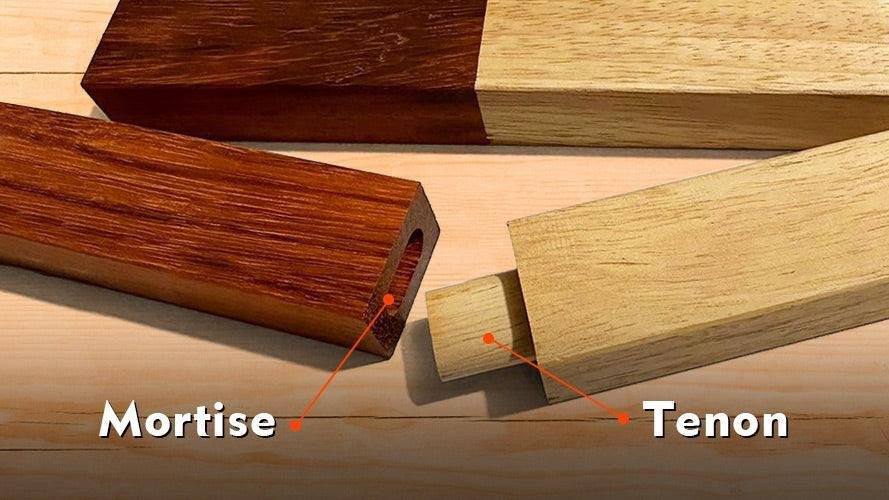
Cutting tenons accurately can make all the difference in your woodworking projects. If your joints don’t fit just right, your work can look sloppy and weak.
But getting that perfect fit isn’t as hard as you might think. With the right tips and a little practice, you’ll be able to cut tenons that fit snugly every time. Keep reading, and you’ll discover simple tricks that will boost your confidence and help your projects look professional.
Ready to take your skills up a notch? Let’s dive in!
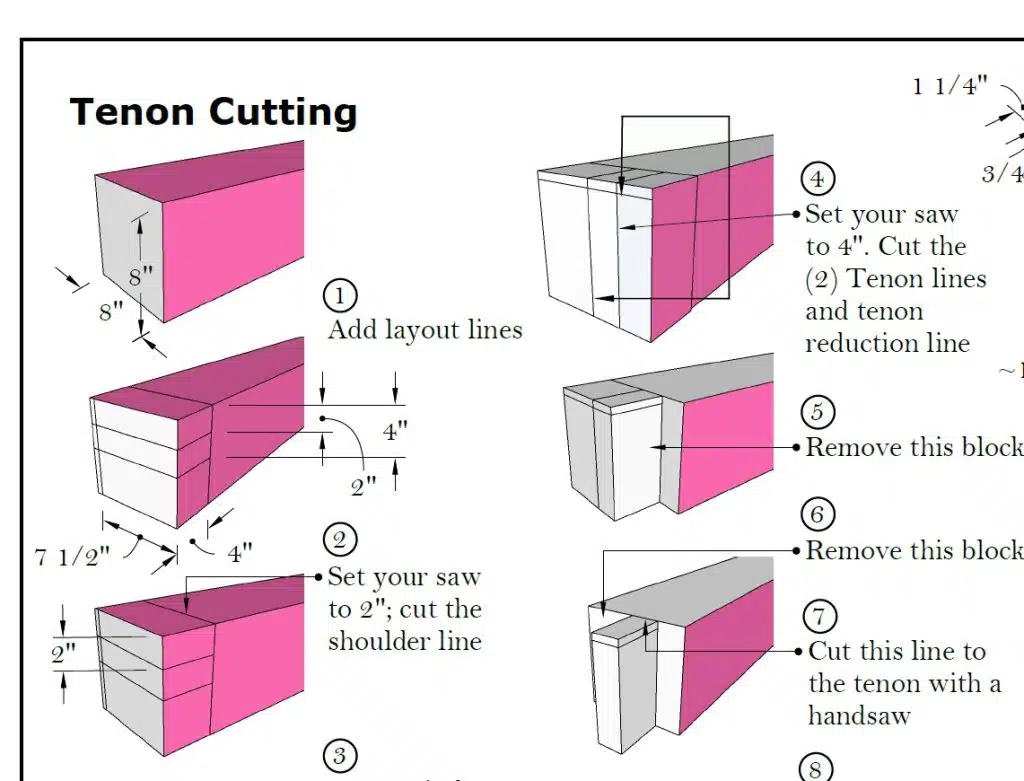
Credit: www.starhilltimberworks.com
Choosing The Right Tools
Cutting tenons accurately depends on using the right tools. The right equipment helps you make clean, precise cuts. It also saves time and reduces mistakes.
Before you start, select tools that fit your skill and the wood type. Using quality tools will improve your results greatly.
Essential Tools For Tenon Cutting
You need a few basic tools for tenon cutting. These include saws, chisels, marking tools, and measuring devices. Each tool plays a key role in making an exact tenon.
- Tenon saw for precise cuts
- Sharp chisels for cleaning corners
- Marking gauge for layout lines
- Combination square for measuring angles
- Mallet to tap chisels carefully
Blade Selection And Maintenance
Choosing the right blade affects cut quality. Blades vary by teeth count and type. A finer tooth blade gives smoother cuts but cuts slower. A coarser blade cuts faster but may roughen edges.
| Blade Type | Best Use | Teeth per Inch (TPI) |
| Crosscut Blade | Clean cuts across wood grain | 12-14 |
| Rip Blade | Cutting with wood grain | 5-7 |
| Combination Blade | General purpose cutting | 10-12 |
Keep blades sharp and clean. Dull blades cause rough cuts and can damage wood. Regularly check blades for chips or wear. Use a blade sharpener or replace dull blades promptly.
Preparing The Workpiece
Cutting tenons accurately starts with good preparation. The workpiece must be ready for precise measuring and cutting. Careful handling of the wood helps avoid mistakes.
This guide covers two key areas to prepare your wood: measuring and marking techniques, and securing the wood for precision.
Measuring And Marking Techniques
Accurate measuring and marking are critical for clean tenon cuts. Use sharp pencils or marking knives for clear lines. Measure twice to avoid errors.
- Use a steel ruler or tape measure for exact lengths.
- Mark the shoulder line clearly across all faces.
- Check the width of the tenon and mark it on the edges.
- Use a marking gauge for consistent depth and thickness.
- Double-check all marks before cutting.
Securing The Wood For Precision
Hold the workpiece firmly in place to prevent movement during cutting. A steady wood helps keep the tenon edges straight and clean.
| Tool | Purpose | Tip |
| Bench Vise | Holds wood firmly | Use padded jaws to avoid marks |
| Clamps | Secure wood on workbench | Apply even pressure on all sides |
| Sawhorses | Support long pieces | Place soft padding where wood rests |
| Holdfast | Quick wood fixing | Tap gently to avoid damage |
Step-by-step Cutting Process
Cutting tenons accurately is key for strong woodworking joints. Follow the right steps for clean, precise results.
This guide shows a clear process to cut tenons with your saw. Each part focuses on accuracy and safety.
Setting Up The Saw
Start by adjusting your saw to fit the size of the tenon. Make sure the blade is sharp and aligned properly.
- Check the saw blade for any damage or dullness.
- Set the blade height to match the tenon thickness.
- Adjust the fence to keep the wood steady during cutting.
- Secure the wood piece firmly before starting.
Making The Shoulder Cuts
The shoulder cuts define the tenon width. Cut slowly and follow the marked lines closely.
Tip:Use a fine-tooth saw for smoother shoulder cuts. Keep your saw at a 90-degree angle to the wood face.
Executing The Cheek Cuts
Cheek cuts remove wood to form the tenon cheeks. Cut carefully to the shoulder line.
| Cheek Cut Tip | Reason |
|---|---|
| Make shallow passes | Prevents tear-out and keeps cuts clean |
| Use a guide fence | Keeps cuts straight and accurate |
| Check alignment frequently | Ensures tenon fits tightly in the mortise |
Techniques For Accurate Cuts
Cutting tenons accurately is key for strong joints. Using the right techniques helps you make clean and precise cuts.
This guide covers important methods to improve your cutting skills. Focus on using guides and controlling your saw properly.
Using Guides And Jigs
Guides and jigs help keep your cuts straight and consistent. They reduce errors and save time during the cutting process.
- Clamp a fence to your workpiece to guide the saw blade.
- Use a tenoning jig to hold the wood steady and at the right angle.
- Mark your cut lines clearly to align the guides.
- Check the jig setup before each cut to avoid mistakes.
- Practice using jigs on scrap wood to build confidence.
Controlling Saw Depth And Speed
Proper saw depth and speed ensure smooth cuts without damaging the wood. Adjust these settings based on the wood type and cut size.
| Factor | Tip |
|---|---|
| Saw Depth | Set blade just deep enough to cut through the wood cleanly. |
| Saw Speed | Use slow, steady strokes for control and accuracy. |
| Pressure | Apply even pressure; avoid forcing the saw. |
| Blade Type | Choose fine-tooth blades for cleaner cuts on hardwoods. |
Common Mistakes To Avoid
Cutting tenons accurately is key for strong wood joints. Many beginners make simple errors that weaken their work. Avoiding these mistakes saves time and materials.
This guide highlights common problems and how to fix them. Focus on precise cuts to get the best results.
Misaligned Cuts
Misaligned cuts cause gaps in joints, reducing strength. This often happens when the saw or chisel moves off the mark. Check your tools before starting and use guides to stay on track.
- Mark tenon shoulders clearly with a pencil or knife.
- Use a square to check angles before cutting.
- Clamp wood firmly to prevent shifting during cuts.
- Cut slowly and follow your markings closely.
Overcutting And Undercutting
Cutting too deep or too shallow affects joint fit. Overcutting creates loose joints, while undercutting makes parts hard to assemble. Measure carefully and test fit often.
| Error | Cause | Effect | Fix |
| Overcutting | Cutting past the marked line | Loose tenon fit | Use sharp tools and measure twice |
| Undercutting | Stopping before the marked line | Tenon too tight or incomplete | Trim carefully and test fit |
Credit: www.lumberjocks.com
Finishing Touches
Cutting tenons accurately is important for strong joints. Finishing touches help ensure the tenon fits perfectly. These steps make your woodworking project look clean and professional.
Two key steps in finishing tenons are cleaning up the tenon and test fitting. Both improve the fit and function of the joint.
Cleaning Up The Tenon
After cutting, the tenon edges may have rough spots or splinters. Cleaning them makes the surface smooth and precise. Use a chisel or sandpaper to remove unwanted material carefully.
- Check all faces of the tenon for rough edges
- Lightly pare away any uneven parts with a sharp chisel
- Smooth the surfaces with fine sandpaper
- Avoid removing too much material that changes the tenon size
- Keep the shoulders sharp and square
Test Fitting And Adjustments
Test fitting helps find any tight or loose spots. Insert the tenon gently into the mortise. It should fit snug but slide in without force.
| Fit Issue | Cause | Adjustment |
| Tight fit | Tenon too large or shoulders uneven | Pare tenon edges slightly or square shoulders |
| Loose fit | Tenon too small or mortise too wide | Add thin shims or re-cut mortise |
| Tenon does not enter fully | Shoulders hitting mortise cheeks | Clean shoulders or chisel mortise cheeks |
:max_bytes(150000):strip_icc()/DP-00967-769812b446af41beb9ffbff2ec9df600.jpg)
Credit: www.woodmagazine.com
Frequently Asked Questions
How Can I Ensure Tenon Cuts Are Perfectly Square?
Use a reliable marking gauge and a sharp saw. Check the shoulder with a try square. Accurate measuring and steady cutting guarantee square tenons.
What Tools Are Best For Cutting Tenons Accurately?
A tenon saw, marking gauge, chisel, and try square are essential. These tools help mark precise lines and clean up cuts accurately.
How Do I Avoid Tear-out When Cutting Tenons?
Score the wood grain before cutting. Use a sharp saw and cut slowly. This prevents splintering and ensures clean tenon edges.
What’s The Ideal Tenon Size For Strong Joints?
Tenon thickness should be about one-third the thickness of the wood. This balance provides strength without weakening the mortise and tenon joint.
Conclusion
Accurate tenon cutting improves woodworking projects. Precision ensures tight and strong joints. Practice is key. Start with basic techniques. Use sharp tools. Sharp tools make clean cuts. Measure twice, cut once. Double-check your measurements. Patience enhances skill. Don’t rush the process.
Slow and steady wins. Mistakes happen. Learn from them and improve. Each project hones your skills. Keep practicing and refining. Soon, you’ll cut tenons like a pro. Enjoy the journey. Woodworking is both art and craft. Embrace the challenges and rewards.
Happy woodworking!