Are your hand tools feeling stiff or hard to use? Keeping them well-lubricated is the secret to smooth, efficient work and longer tool life.
But do you know the right way to lubricate your tools? You’ll discover simple, practical tips that make a big difference. By following these easy steps, you’ll save time, avoid frustration, and get the best performance from your tools every time.
Keep reading to unlock the key to effortless tool maintenance!
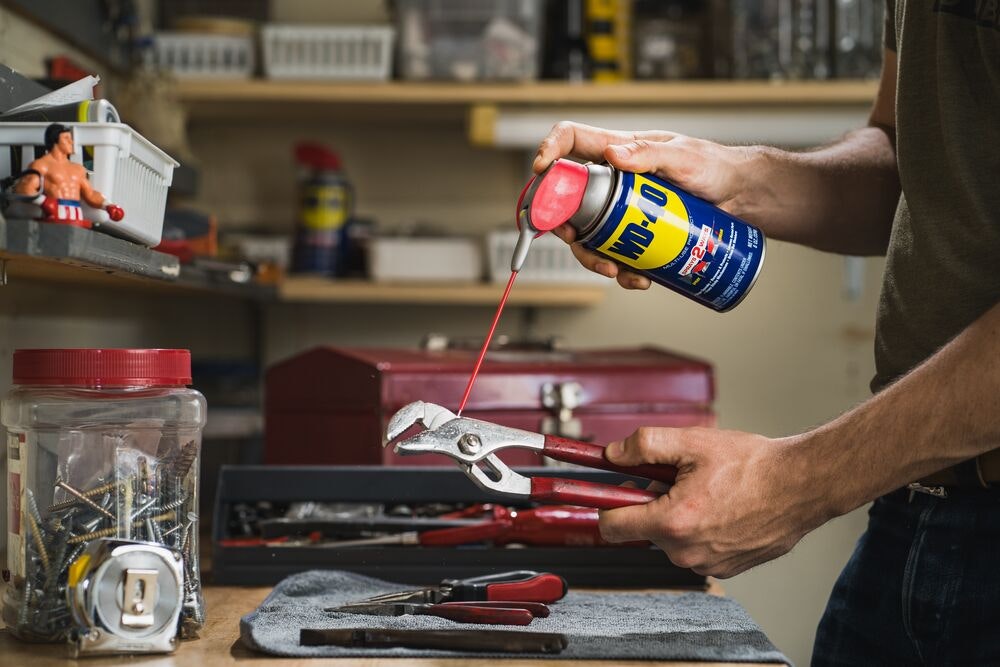
Credit: www.wd40.com
Choosing The Right Lubricant
Lubricating hand tools keeps them working smoothly. Picking the right lubricant helps tools last longer.
Different lubricants work best for different tools and conditions. Learning about types helps you choose well.
Types Of Lubricants
Common lubricants include oils, greases, and dry lubricants. Each has unique features and uses.
- Oils:Light and easy to apply. They reduce friction and prevent rust.
- Greases:Thicker and stickier. They protect parts for longer times.
- Dry Lubricants:Powder or spray types. Good for dusty environments.
When To Use Oil Vs. Grease
| Lubricant | Best Use | Tool Type |
| Oil | For quick lubrication and light parts | Hinges, small joints |
| Grease | For heavy loads and slow-moving parts | Wrenches, pliers, clamps |
Oils flow easily and reach small spaces. Grease stays in place longer to protect surfaces.
Avoiding Harmful Substances
Some lubricants contain harmful chemicals. They can damage tools or your health.
- Avoid lubricants with acids or strong solvents.
- Choose non-toxic, rust-preventive oils or greases.
- Wear gloves and work in ventilated areas.
- Check labels for safe usage instructions.

Credit: jcblhandtools.com
Preparing Tools For Lubrication
Proper preparation of hand tools helps lubrication work well. Clean tools last longer and work smoothly.
Follow simple steps to get your tools ready before applying any lubricant. This makes a big difference.
Cleaning Before Application
Remove dirt, dust, and old grease before lubrication. Clean tools allow the lubricant to reach all parts.
- Use a dry cloth to wipe off loose dirt.
- Apply a mild cleaner or soap with water if needed.
- Dry tools completely before moving on.
- For tight spots, use a small brush or toothpick.
Disassembling For Better Access
Take apart tools if you can. This gives better access to joints and moving parts for lubrication.
| Tool Part | Disassembly Tip |
| Screwdrivers | Remove handles if possible to lubricate shafts |
| Pliers | Open and separate jaws to clean pivot |
| Wrenches | Loosen adjustable parts for easy access |
| Scissors | Unscrew blades carefully for deep cleaning |
Removing Rust And Debris
Rust blocks lubricant and harms tools. Remove it before applying oil or grease.
- Use steel wool or a wire brush to scrub rust spots.
- Apply rust remover solutions for tough areas.
- Rinse and dry tools after rust removal.
- Check for leftover debris and clear it out.
Applying Lubricant Correctly
Lubricating hand tools keeps them working smoothly and lasts longer. Using the right method helps avoid damage and mess.
Follow simple tips to apply lubricant carefully. This makes your tools safer and easier to use.
Proper Amounts To Use
Using too much lubricant can attract dirt and cause build-up. Too little may not protect the tool well.
- Apply a thin, even layer to avoid excess.
- Use a drop or small spray for small tools.
- Wipe off extra lubricant with a clean cloth.
- Check the tool after use and reapply if needed.
Targeting Moving Parts
Focus lubricant on parts that move or rub against each other. This reduces friction and wear.
| Tool Part | Lubrication Tip |
| Hinges | Apply drops directly into the joint |
| Blades | Coat the pivot point only |
| Screws | Use a small brush to spread lubricant |
| Springs | Cover the coil lightly |
Techniques For Hard-to-reach Areas
Some tool parts are small or hidden. Use tools or tricks to reach these spots safely.
Try these methods for tight spaces:
- Use a fine-tipped oil applicator or syringe.
- Apply lubricant with a cotton swab or small brush.
- Use a straw or tube extension on spray cans.
- Move the tool parts after application to spread lubricant.
Maintenance Tips For Lubricated Tools
Keeping your hand tools well lubricated helps them work smoothly. It also makes them last longer by reducing wear and rust.
Simple maintenance steps keep your tools ready for use. Regular care prevents damage and costly repairs.
Regular Inspection
Check your tools often for signs of dryness, rust, or dirt buildup. Look at moving parts to see if they need more lubricant.
- Wipe tools clean before inspecting
- Look for rust or sticky joints
- Test moving parts for smooth motion
- Check for damage or loose screws
Reapplying Lubricant
Apply lubricant regularly to keep tools working well. Use the correct oil or grease for each tool type.
| Tool Type | Recommended Lubricant | Frequency |
| Wrenches | Light machine oil | Monthly |
| Pliers | Multi-purpose oil | Every 2 weeks |
| Hinged tools | Grease or oil spray | Monthly |
| Screwdrivers | Light oil on shafts | Every 3 months |
Storage Practices To Preserve Lubrication
Store tools in a dry place to keep lubricant effective. Avoid damp or dirty areas that cause rust.
- Use toolboxes or storage cabinets
- Keep tools off damp floors
- Cover tools with cloth or plastic wrap
- Store tools separately to avoid scratches
Common Mistakes To Avoid
Lubricating hand tools keeps them working smoothly and lasting longer. Many people make mistakes that harm their tools or cause safety issues.
Knowing what to avoid helps you use the right methods and protect your tools and yourself.
Over-lubrication Issues
Adding too much lubricant can cause dirt and dust to stick to tools. This dirt can wear down moving parts faster than no lubrication at all.
- Excess oil or grease can drip and create slippery work areas.
- Too much lubricant may attract more debris, causing clogs.
- Over-lubrication can lead to wasted product and extra cleaning time.
Using Incompatible Lubricants
Not all lubricants work well with every hand tool. Some can damage tool parts or stop them from working properly.
| Lubricant Type | Common Use | Potential Problem |
| Oil-based | General lubrication | Can attract dirt if overused |
| Grease | Heavy-duty parts | May clog small joints if too thick |
| Silicone spray | Plastic parts | Not good for metal-on-metal contacts |
| WD-40 | Cleaning and light lubrication | Not a long-term lubricant |
Neglecting Safety Precautions
Ignoring safety rules while lubricating tools can cause injuries or accidents. Protect yourself and others by following simple steps.
- Wear gloves to avoid skin contact with chemicals.
- Work in a well-ventilated area to avoid inhaling fumes.
- Keep lubricant containers closed when not in use.
- Clean up spills immediately to prevent slips.
Credit: www.wd40.com
Frequently Asked Questions
How Often Should I Lubricate Hand Tools?
Lubricate hand tools every three to six months, depending on usage. Regular lubrication prevents rust and ensures smooth operation. High-use tools may require more frequent attention. Always clean tools before applying lubricant for best results.
What Lubricant Is Best For Hand Tools?
Use a light machine oil or a silicone-based lubricant for hand tools. These options offer excellent protection against rust and wear. They also ensure smooth operation. Avoid using heavy grease, which can attract dirt and debris.
Can I Use Wd-40 On Hand Tools?
Yes, WD-40 is suitable for lubricating hand tools. It provides rust protection and reduces friction. However, it is not a permanent lubricant. Reapply regularly for continued effectiveness. Always clean tools thoroughly before application.
How Do I Apply Lubricant To Hand Tools?
Clean the tool thoroughly before applying lubricant. Apply a small amount of lubricant to moving parts. Wipe away excess with a clean cloth. Ensure even coverage for optimal protection. Regular maintenance extends tool life and efficiency.
Conclusion
Keeping your hand tools well-lubricated helps them work smoothly. It stops rust and makes tools last longer. Regular oiling saves time and money on repairs. Use the right lubricant and clean tools before applying it. Small steps like these keep your tools ready for any job.
A little care goes a long way. Take a few minutes to oil your tools regularly. Your tools will thank you with better performance every time.