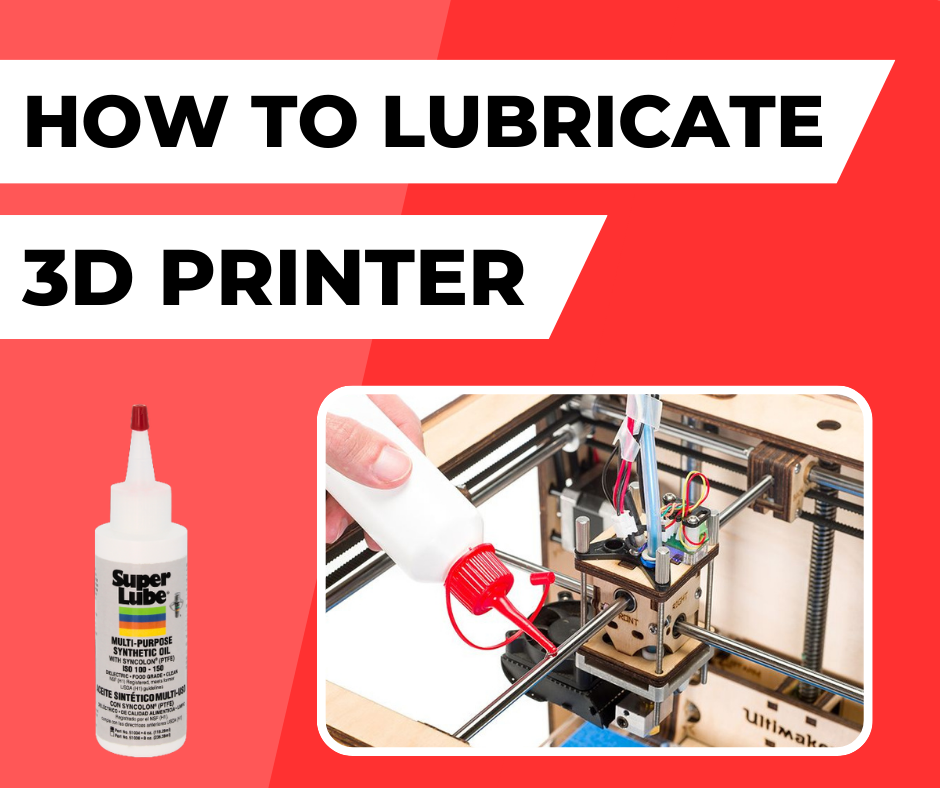
If you want your jigsaw to run smoothly and last longer, knowing how to properly lubricate its gears is key. Without the right care, your tool can wear out faster, make strange noises, or even stop working altogether.
You’ll discover simple, effective tips to keep your jigsaw’s gears well-oiled and in top shape. Whether you’re a beginner or have some experience, these easy steps will save you time, money, and frustration. Keep reading to unlock the secrets of smooth cutting and a longer-lasting jigsaw.
Choosing The Right Lubricant
Lubricating jigsaw gears helps them work smoothly. Picking the right lubricant keeps your tool in good shape.
Different lubricants work best for different needs. Knowing which one to use saves time and money.
Types Of Lubricants For Jigsaws
You can use oils or greases to lubricate jigsaw gears. Each type has its own features and uses.
- Light oils for easy application and quick penetration
- Greases for thicker protection and longer-lasting lubrication
- Dry lubricants for dusty or dirty environments
Oil Vs Grease: Which To Use
Oil spreads easily and reaches small gear parts. It reduces friction but may need reapplication.
Grease stays longer on gears and protects against wear. It works well in high-pressure areas but can attract dirt.
- Use oil for fast, light lubrication
- Use grease for heavy, long-lasting protection
- Choose based on how often you use your jigsaw
Avoiding Harmful Substances
Some lubricants contain chemicals that damage plastic or rubber parts. Avoid these to keep your jigsaw safe.
Check labels for solvents or acids. Use lubricants designed for power tools to prevent harm.
- Stay away from petroleum-based solvents
- Avoid lubricants with strong acids or corrosive agents
- Choose non-toxic, tool-safe lubricants
Credit: tikweld.com
Preparing The Jigsaw For Lubrication
Lubricating the jigsaw gears helps the tool work smoothly. Proper preparation makes lubrication easier and safer.
Start by getting the jigsaw ready. Clean parts and take safety steps before applying oil or grease.
Cleaning The Gears
Clean the gears to remove dirt and old grease. This helps new lubricant work better.
Use a soft brush or cloth to wipe off dust and grime. Avoid using water near electrical parts.
- Remove loose dirt with a dry brush
- Use a cloth to clean sticky grease
- Apply a small amount of solvent if needed
- Let parts dry completely before lubricating
Disassembling The Gear Housing
Take apart the gear housing carefully to reach the gears. Keep screws and parts organized.
Use the right tools to avoid damage. Follow the user manual for specific instructions on your jigsaw model.
- Unplug the jigsaw before disassembly
- Remove screws holding the gear cover
- Gently lift off the housing cover
- Keep parts in order for easy reassembly
Safety Precautions
Safety is important when working on power tools. Protect yourself and the jigsaw.
Wear safety glasses to protect your eyes. Make sure the jigsaw is unplugged to prevent accidents.
- Unplug the jigsaw before starting
- Wear safety glasses and gloves
- Work in a clean, well-lit area
- Keep children and pets away
- Follow the manufacturer’s instructions
Applying Lubricant Correctly
Proper lubrication keeps your jigsaw gears working smoothly. It reduces wear and helps the tool last longer.
Using the right amount and applying it well ensures the best results. Let’s look at how to do this correctly.
Amount To Use
Use a small amount of lubricant. Too much can attract dirt and cause damage.
- Apply a thin layer on the gear teeth
- A drop the size of a pea is usually enough
- Check the manufacturer’s guide for specific amounts
Techniques For Even Coverage
Spread lubricant evenly to protect all gear parts. Uneven coverage can cause some areas to wear out faster.
How to spread lubricant evenly:
- Use a small brush or cloth to apply
- Rotate the gears slowly while applying
- Wipe away any excess lubricant to avoid buildup
Frequency Of Application
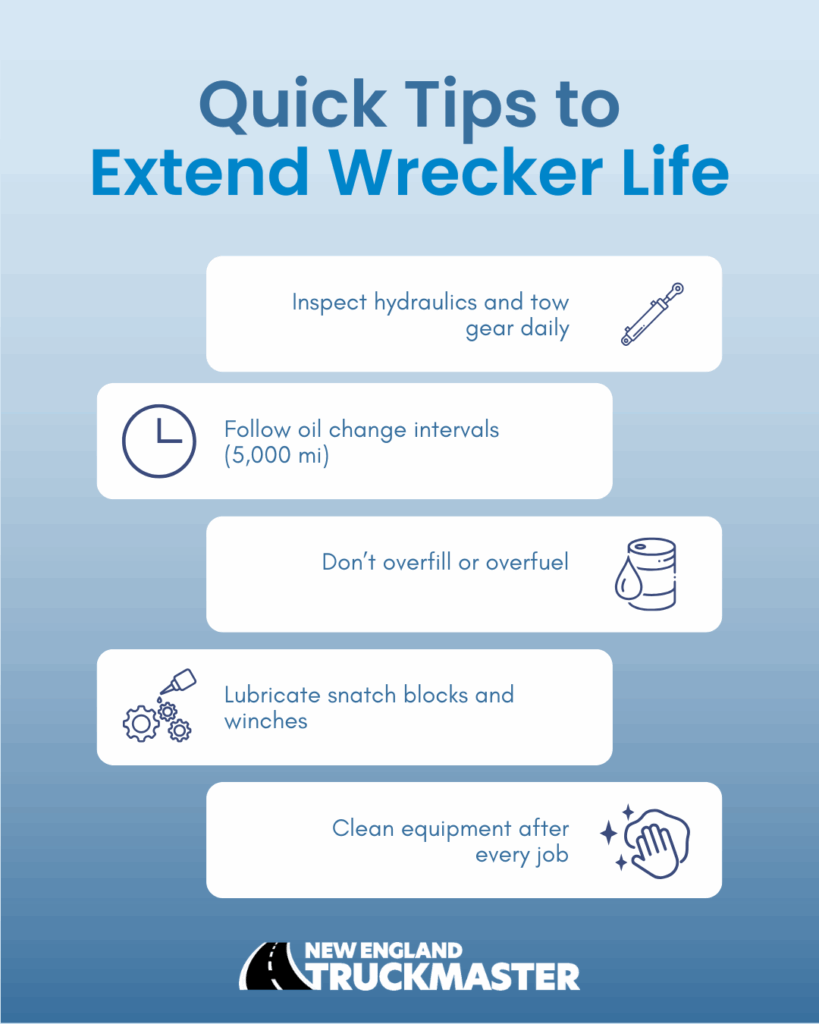
Lubricate your jigsaw gears regularly to keep them in good condition. The schedule depends on use and environment.
| Usage Level | Lubrication Frequency |
| Light (few hours per week) | Every 3 months |
| Moderate (daily use) | Monthly |
| Heavy (constant use or dusty) | Every 2 weeks |
Credit: netruckmaster.com
Maintaining Smooth Gear Operation
Lubricating jigsaw gears is important to keep the tool working well. Smooth gear operation helps the jigsaw cut better and last longer.
Using the right lubricant and checking the gears often can prevent damage. This guide shares tips to keep your jigsaw gears in good shape.
Regular Inspection Tips
Check your jigsaw gears before and after use. Look for dirt, dust, or old grease that can slow down the gears.
Clean the gears gently with a brush or cloth. Avoid using water, which can cause rust.
- Remove dust and debris from the gears
- Check for any unusual noises during operation
- Make sure the gears move smoothly without sticking
Signs Of Gear Wear
Look for worn or damaged teeth on the jigsaw gears. This can cause the tool to work poorly or stop working.
Other signs include grinding sounds, slipping, or a rough cutting motion. These show the gears need attention.
- Missing or broken gear teeth
- Noise when cutting
- Inconsistent blade movement
- Visible rust or corrosion
When To Reapply Lubricant
Apply lubricant after cleaning the gears or if you hear unusual sounds. Lubricant reduces friction and stops wear.
Reapply lubricant every few uses or if the gears look dry. Avoid using too much oil, which can attract dirt.
- After cleaning the gears
- If gears look dry or rusty
- When you hear grinding or squeaking sounds
- Every 10-15 hours of jigsaw use
Troubleshooting Common Issues
Lubricating jigsaw gears is important to keep them running smoothly. Sometimes, problems can happen even after lubrication.
Knowing how to fix common issues can save time and prevent damage to your jigsaw.
Dealing With Excess Lubricant
Using too much lubricant can cause dirt and dust to stick to the gears. This can make the jigsaw work poorly.
Remove the extra lubricant by wiping the gears carefully with a clean cloth. Avoid spraying lubricant directly on the gears.
- Use a small amount of lubricant
- Clean excess with a dry cloth
- Lubricate only moving parts
Fixing Noisy Gears
Noisy gears often mean they need lubrication or cleaning. Dust and old grease can cause squeaks and grinding sounds.
Clean the gears using a soft brush and apply fresh lubricant in small amounts. Check if the noise reduces after this.
- Clean gears before lubricating
- Use the correct lubricant type
- Apply lubricant sparingly
- Run the jigsaw to spread lubricant evenly
Handling Gear Slippage
Gear slippage happens when gears do not grip properly. This can cause the jigsaw blade to stop or move unevenly.
Check if the gears are clean and lubricated. Tighten any loose screws or parts holding the gears in place.
- Inspect gears for wear or damage
- Clean and lubricate gears
- Tighten gear mounts and screws
- Replace worn gears if needed
Credit: leoguarbikes.com
Frequently Asked Questions
How Often Should I Lubricate Jigsaw Gears?
Lubricating jigsaw gears regularly is crucial for optimal performance. Ideally, lubricate them every 20 hours of use. This helps reduce friction, prevent wear, and ensure smooth operation. Always refer to the manufacturer’s guidelines for specific maintenance intervals and recommended lubricant types.
What Lubricant Is Best For Jigsaw Gears?
Use high-quality, lightweight machine oil or silicone-based lubricant for jigsaw gears. These options reduce friction and prevent rust. Ensure the lubricant is designed for power tools. Avoid using heavy grease, as it can attract dust and debris, affecting the tool’s performance.
Can I Use Wd-40 On Jigsaw Gears?
WD-40 is not recommended for jigsaw gears. It’s a water displacement spray, not a lubricant. It may provide temporary lubrication but lacks the lasting protection that proper lubricants offer. Use a dedicated machine oil or silicone-based lubricant for better results and long-term gear protection.
Why Is My Jigsaw Making Noise?
A noisy jigsaw could indicate insufficient lubrication or worn gears. Check and lubricate the gears if needed. If the noise persists, inspect for wear or damage. Regular maintenance, including lubrication, can prevent such issues and extend your jigsaw’s lifespan.
Conclusion
Proper lubrication keeps jigsaw gears running smoothly and lasting longer. Regularly check and apply oil or grease to prevent wear and tear. Clean the gears before lubrication to avoid dirt buildup. Use the right lubricant for your jigsaw model to ensure best results.
Small efforts help avoid costly repairs and improve tool performance. Keep your jigsaw in good shape with simple, consistent care. Your projects will benefit from a well-maintained, efficient tool. Easy steps like these make a big difference over time.