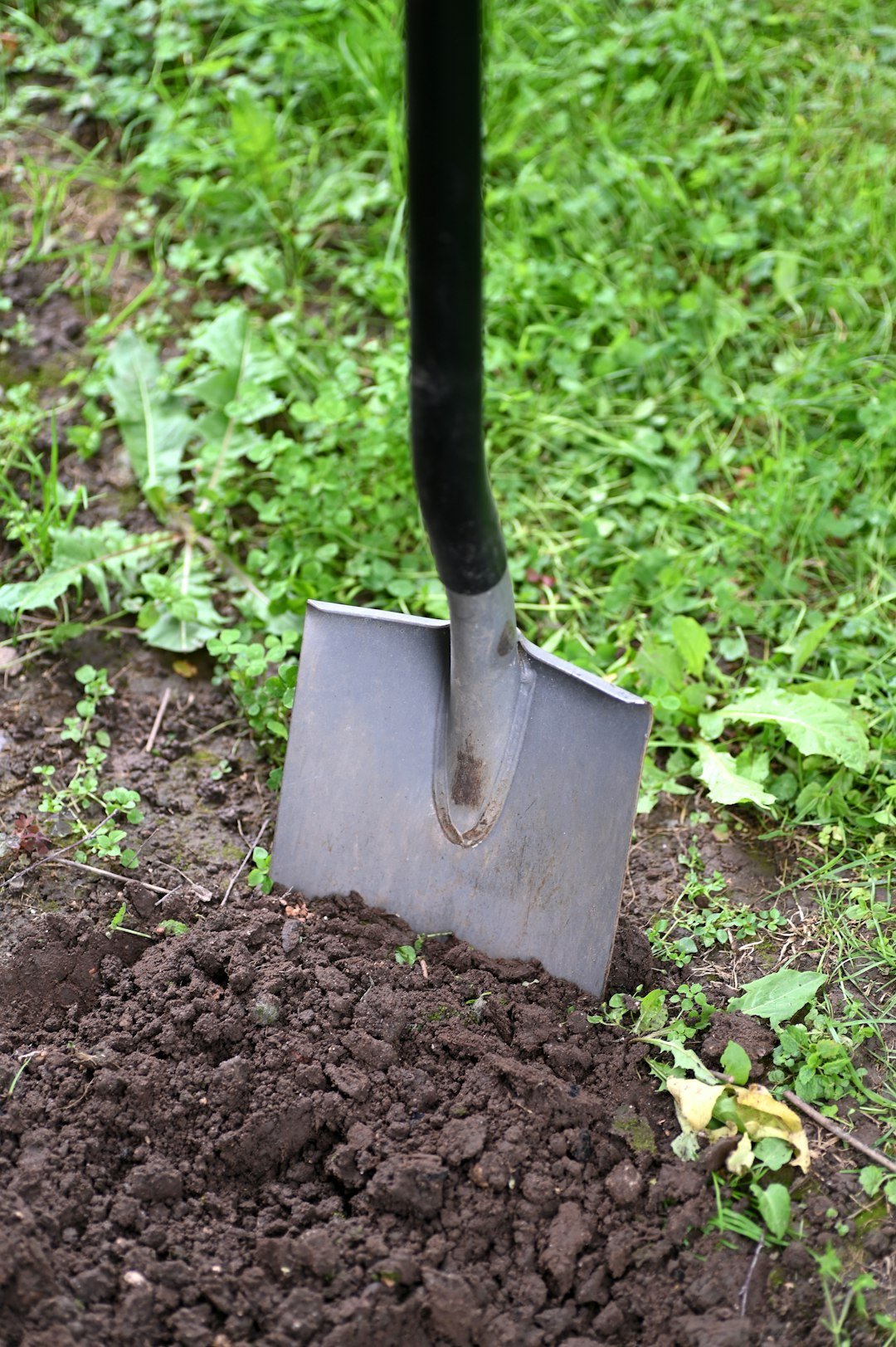
If you want your garden spade to stay sharp, strong, and ready for every digging task, taking good care of it is key. You might not realize it, but a well-maintained spade can save you time, effort, and even money in the long run.
Imagine how much easier your gardening would be with a tool that works smoothly every time you use it. You’ll discover simple, practical tips to keep your garden spade in top shape. Keep reading, and make your gardening experience more enjoyable and efficient.
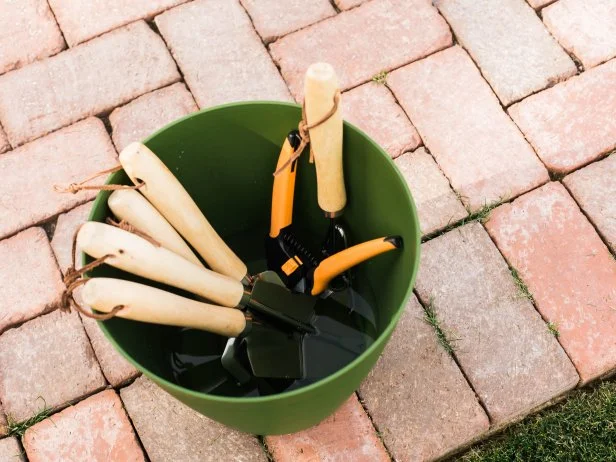
Credit: www.hgtv.com
Choosing The Right Spade
Choosing the right garden spade helps you work better and saves effort. A good spade fits your garden needs and feels comfortable to use.
Look at the spade’s type, material, and design. These factors affect how long the spade lasts and how easy it is to handle.
Types Of Garden Spades
Garden spades come in different shapes and sizes. Each type works best for certain tasks in the garden.
- Digging Spades: Have a flat blade for digging and cutting soil.
- Border Spades: Smaller with a narrow blade for edging and planting.
- Trenching Spades: Long, thin blade for making narrow trenches.
- Drainage Spades: Pointed blade helps with digging in wet soil.
Material Considerations
| Material | Pros | Cons |
| Steel | Strong and durable | Can rust if not cared for |
| Stainless Steel | Rust-resistant and strong | Usually more expensive |
| Aluminum | Lightweight and rust-proof | Less durable than steel |
| Wood (Handle) | Comfortable grip, natural feel | Can splinter or crack over time |
| Fiberglass (Handle) | Strong and weather resistant | Heavier than wood |
Ergonomic Features
Ergonomic design makes a spade easier to use. It reduces strain on your hands and back during work.
- Handle Shape: Look for curved or padded handles for better grip.
- Length: Choose a handle length that suits your height to avoid bending.
- Weight: Pick a spade that feels light but strong enough for your tasks.
- Grip Material: Non-slip grips improve control, especially when wet.
Cleaning Your Spade
Keeping your garden spade clean helps it last longer. Dirt and rust can damage the tool.
Regular cleaning makes your spade easier to use and keeps it sharp.
Removing Soil And Debris
After gardening, soil sticks to the spade blade. Remove soil to stop rust and decay.
Use a stiff brush or a stick to scrape off mud and debris. Avoid using metal tools that can scratch the blade.
- Tap the spade on the ground to loosen dirt
- Brush off soil with a stiff garden brush
- Use water to rinse away stubborn dirt
Using Proper Cleaning Tools
Choose the right tools to clean your spade safely. This keeps the blade sharp and undamaged.
A stiff nylon or wire brush works well. Avoid hard metal scrapers that can harm the metal.
- Stiff nylon brush for dirt removal
- Wire brush for rust spots
- Bucket of water for rinsing
- Soft cloth for wiping dry
Drying Techniques
Dry your spade fully after cleaning. Water left on the metal causes rust.
Wipe the blade and handle with a dry cloth. Let the spade air dry before storing it.
- Use a clean cloth to dry the spade
- Air dry in a warm, dry place
- Store in a dry shed or garage
Sharpening The Blade
A garden spade works best when its blade is sharp. A sharp blade cuts soil easily and saves your effort.
Regular sharpening keeps your spade ready for digging and planting tasks. It also extends the tool’s life.
When To Sharpen
Check your spade blade before and after use. If it feels dull or hard to cut, it needs sharpening.
A blade that chips or shows rust spots also needs sharpening. Sharp blades make work safer and faster.
Tools For Sharpening
You can use different tools to sharpen a spade blade. Choose one based on what you have.
- Metal file: Easy to use and common for garden tools
- Sharpening stone: Good for a smooth, sharp edge
- Angle grinder: Fast but requires care and safety gear
- Sandpaper: Works for light sharpening and smoothing rust
Step-by-step Sharpening Guide
Start by cleaning the blade with water and a brush. Remove dirt and rust before sharpening.
- Secure the spade so it won’t move while you work.
- Hold the file or stone at a 45-degree angle to the blade edge.
- Push the file or stone along the blade edge in one direction.
- Repeat strokes evenly until the edge feels sharp.
- Flip the spade and remove any burrs by lightly filing the opposite side.
- Wipe the blade clean and apply oil to prevent rust.
Wear gloves and work in a safe space. Sharpen slowly for the best results.

Credit: www.anneofalltrades.com
Rust Prevention
Rust can damage your garden spade and shorten its life. It forms when metal meets moisture and air. Protecting your spade helps it stay strong and useful for many years.
Simple steps can keep rust away. Learn what causes rust, how to protect your spade, and the best ways to store it.
Common Causes Of Rust
Rust happens when iron or steel reacts with water and oxygen. Dirt and wet soil left on the spade speed up rusting. Scratches or damage to the metal also make rust easier to form.
- Exposure to rain and humidity
- Wet soil stuck on the blade
- Scratches breaking the metal surface
- Leaving the spade outside after use
Protective Coatings
Applying a protective layer stops moisture from reaching the metal. Oils and waxes create a strong barrier. Paint and rust-resistant sprays also work well.
| Type | Benefits |
| Linseed Oil | Easy to apply, natural protection |
| Wax | Water repellent, smooth finish |
| Rust-Resistant Paint | Strong barrier, long lasting |
| Spray Coatings | Quick application, good for small areas |
Storage Tips To Avoid Rust
Storing your spade properly keeps it dry and clean. Avoid damp places and use hooks or racks to keep it off the ground.
- Clean and dry the spade before storing
- Store in a dry, ventilated area
- Hang the spade on a wall hook or rack
- Use silica gel packs to reduce moisture
- Cover the blade with a cloth or plastic sleeve
Handle Care
A garden spade’s handle needs regular care to last long. Proper care keeps it strong and safe to use.
Wooden handles need special attention. This guide helps you keep your spade handle in good shape.
Inspecting For Damage
Check the handle often for cracks, splinters, or signs of rot. Look near the blade and the grip area.
- Feel the handle for rough spots or sharp edges
- Look for loose or cracked wood
- Check if the handle wobbles or feels weak
- Inspect metal parts attached to the handle for rust or looseness
Sanding And Sealing Wooden Handles
Sanding smooths rough spots and removes splinters. Sealing protects wood from water and dirt.
- Use medium-grit sandpaper to remove rough areas
- Finish with fine-grit sandpaper for a smooth surface
- Wipe off dust with a clean cloth
- Apply a coat of linseed oil or wood sealant
- Let the handle dry completely before use
Replacing Worn Handles
Replace the handle if it is cracked deeply or broken. A new handle restores safety and comfort.
| Signs to Replace | Action |
| Deep cracks or splits | Remove old handle |
| Handle breaks during use | Install new handle |
| Loose fit with blade | Tighten or replace handle |
| Rot or soft wood | Replace handle immediately |
Proper Storage Practices
Keeping your garden spade in good condition starts with how you store it. Proper storage helps prevent rust and damage.
Choosing the right place and method can extend the tool’s life and make it ready for use anytime.
Indoor Vs Outdoor Storage
Storing your garden spade indoors is best. It keeps the tool dry and safe from weather damage.
Outdoor storage can cause rust and wear. If you must store outside, use a covered and dry spot.
Hanging And Racking Options
- Use wall hooks to hang your spade by the handle.
- Install a rack with slots to hold multiple tools upright.
- Keep the blade off the ground to prevent dulling.
- Ensure the storage area is organized for easy access.
Climate Considerations
| Climate | Storage Tip | Additional Care |
|---|---|---|
| Humid | Store indoors in dry place | Wipe dry after each use to avoid rust |
| Dry | Keep in shaded spot to avoid cracking handle | Apply oil to wooden handles monthly |
| Cold | Store inside to prevent frost damage | Check metal for brittleness in winter |
| Hot | Avoid direct sunlight storage | Use protective covers for metal parts |
Regular Maintenance Schedule
Keeping your garden spade in good shape helps it last longer. Regular care stops rust and damage.
This guide shows daily, seasonal, and long-term tips for spade maintenance.
Daily Care Tips
Clean your spade after each use. Remove dirt and moisture to prevent rust and wear.
- Wipe the blade with a dry cloth
- Use a brush to remove stuck soil
- Dry the handle and blade thoroughly
- Store the spade in a dry place
Seasonal Maintenance Tasks
At the start of each season, check the spade for damage and sharpen the blade.
| Task | Details |
| Sharpen Blade | Use a file or sharpening stone for a sharp edge |
| Oil Metal Parts | Apply light oil to prevent rust |
| Inspect Handle | Check for cracks or splinters and sand rough spots |
| Tighten Screws | Secure loose screws or bolts |
Long-term Spade Upkeep
Every year, give your spade a deep clean and repair any serious damage.
- Remove rust with steel wool or rust remover
- Sand and repaint the metal to protect it
- Replace wooden handles if cracked or weak
- Store spade indoors during winter or wet seasons

Credit: www.realtor.com
Frequently Asked Questions
How Often Should I Clean My Garden Spade?
Clean your garden spade after every use to prevent rust and dirt buildup. Use water and a brush, then dry it well. Regular cleaning keeps the spade in good condition and extends its lifespan.
What Is The Best Way To Sharpen A Garden Spade?
Sharpen your garden spade using a metal file or sharpening stone. Always file at a consistent angle. Sharpening improves cutting efficiency and reduces effort while digging or cutting roots.
How Do I Prevent Rust On My Garden Spade?
Prevent rust by cleaning and drying the spade after each use. Apply a light coat of oil to the metal parts. Store the spade in a dry place to avoid moisture exposure.
Can I Use Household Oil For Garden Spade Maintenance?
Yes, household oils like vegetable or motor oil work well to protect your spade. Apply a thin layer on the metal to prevent rust. Reapply oil regularly for best results.
Conclusion
Regular care keeps your garden spade strong and useful. Clean it after each use to stop rust. Sharpen the blade to dig easily. Store it in a dry place to avoid damage. These small steps save time and money later.
A well-kept spade helps your garden grow better. Take a few minutes for maintenance. Your garden and tools will thank you. Simple habits make a big difference over time. Keep your spade ready for any digging task.