
If you own a power planer, you know how handy it is for smoothing and shaping wood quickly. But to keep your tool working like new, you need to take good care of it.
You might be wondering how to avoid common problems or extend the life of your planer. This article gives you simple, effective tips that anyone can follow. By the end, you’ll feel confident maintaining your power planer and getting the best results every time you use it.
Keep reading to make sure your tool stays sharp and ready for your next project!
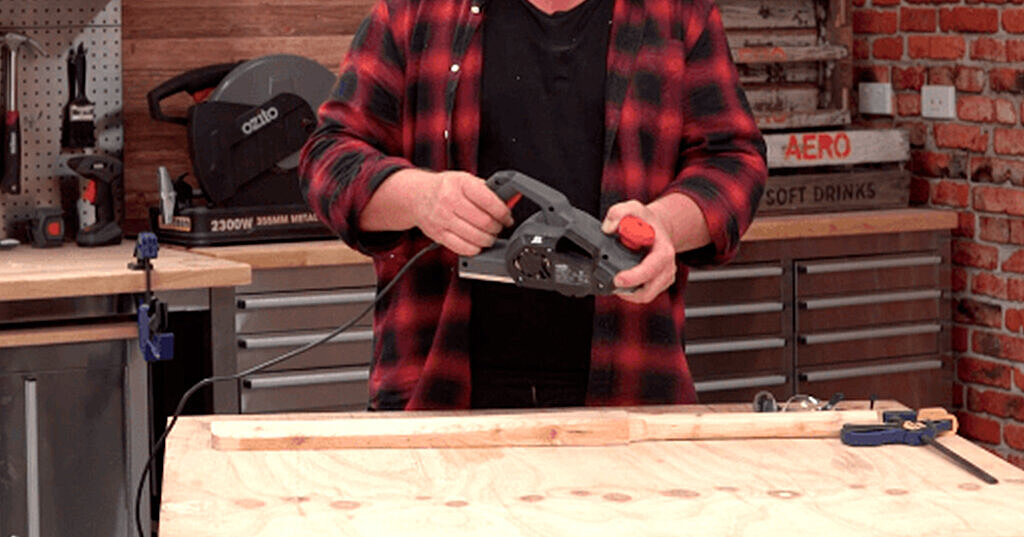
Credit: www.ozito.com.au
Choosing The Right Power Planer
Power planers help smooth wood surfaces quickly. Picking the right one makes your work easier and better.
There are many types and features. Knowing what fits your needs helps you choose well.
Types Of Power Planers
Power planers come in different styles. Each type suits different jobs and skill levels.
- Handheld Planers:Small and easy to carry. Good for light work and small projects.
- Benchtop Planers:Larger and fixed to a workbench. Best for bigger pieces of wood.
- Block Planers:Simple and compact. Often used for small adjustments and edges.
Features To Consider
Look at key features before buying. These affect how well the planer works for you.
- Power:More power means easier cutting of hard wood.
- Blade Size:Larger blades cover more wood in one pass.
- Depth Adjustment:Lets you control how much wood to remove.
- Weight:Lighter planers are easier to handle for long times.
- Dust Collection:Keeps your workspace clean and safe.
Matching Planer To Your Projects
Think about the wood types and project size. Choose a planer that fits your work needs.
- For small crafts and touch-ups, a handheld or block planer works well.
- Large furniture or flooring needs a benchtop planer for fast, even results.
- Soft wood needs less power; hardwood requires a stronger motor.
- Consider the planer’s size to fit your workshop space.
Daily Cleaning Tips
Keeping your power planer clean every day helps it work better. Regular cleaning stops dirt from building up inside.
Simple daily care can make your planer last longer and keep it safe to use.
Removing Dust And Debris
Dust and wood chips can block the planer’s parts. Clean them off after each use to keep it running smoothly.
Use a soft brush or compressed air to remove dust from the surface and inside the vents.
- Turn off and unplug the planer first
- Brush away dust from blades and vents
- Blow compressed air into hard-to-reach areas
- Wipe the planer’s body with a dry cloth
Blade Maintenance
Clean blades after every use to stop buildup. Sharp blades cut better and make your work easier.
Remove the blades carefully and wipe them with a soft cloth. Check for damage or dullness.
- Always unplug the planer before blade cleaning
- Use a cloth to clean blade surfaces
- Inspect blades for chips or dull edges
- Replace or sharpen blades if needed
Cleaning The Motor Housing
The motor housing keeps the power planer’s motor cool. Dust inside can cause overheating.
Wipe the housing with a dry cloth and use compressed air to clear dust from vents.
- Unplug the planer before cleaning
- Use a soft cloth for the motor housing
- Blow air into the vents to remove trapped dust
- Keep vents clear to avoid motor damage
Lubrication And Oil Care
Keeping your power planer well-lubricated helps it run smoothly. Proper oil care reduces wear and tear on the parts.
Good lubrication prevents rust and extends the life of your tool. It also keeps the planer cutting cleanly.
When To Lubricate
Lubricate your power planer before and after each use. Check the manual for specific times to oil moving parts.
If you hear unusual sounds or the tool feels stiff, it may need lubrication. Regular checks keep it in good shape.
Best Lubricants To Use
Use light machine oil for most parts of your power planer. It flows well and protects against rust.
Some parts may require grease or special lubricants. Always follow the manufacturer’s recommendations for the best results.
- Light machine oil for blades and shafts
- Grease for gears and bearings
- Avoid thick oils that can gum up parts
Avoiding Over-lubrication
Too much oil can attract dust and dirt. This causes parts to wear faster and may clog the tool.
Apply only a small amount of lubricant. Wipe off any extra oil after application to keep the planer clean.

Credit: www.familyhandyman.com
Blade Sharpening And Replacement
Keeping your power planer blades sharp is key for smooth and safe operation. Dull blades can damage wood and strain the tool.
This guide helps you spot dull blades, sharpen them properly, and pick the right replacements.
Signs Of Dull Blades
Dull blades reduce cutting quality and increase effort. Watch for these signs:
- Rough or splintered wood surfaces
- Burn marks on the wood
- Increased noise or vibration during use
- Slower cutting speed
- More resistance felt while planing
Sharpening Techniques
Use these steps to sharpen your planer blades safely and effectively.
- Remove the blades from the planer carefully.
- Clean the blades with a soft cloth to remove debris.
- Use a sharpening stone or diamond file at a consistent angle.
- Sharpen each edge evenly to keep balance.
- Check for burrs and remove them with fine sandpaper.
- Reinstall the blades securely before use.
Choosing Replacement Blades
Pick the right blades for your power planer to ensure good performance.
| Blade Type | Material | Best Use |
| High-Speed Steel | Steel alloy | General purpose, durable |
| Carbide-Tipped | Steel with carbide tips | Hard woods, longer life |
| HSS Coated | Coated steel | Resists rust, smoother cuts |
Proper Storage Methods
Keeping your power planer in good shape means storing it the right way. Proper storage helps the tool last longer and work better.
This guide covers three key ways to store your power planer safely and protect it from damage.
Protecting From Moisture
Moisture can cause rust and damage the motor. Always keep your power planer dry to avoid these problems.
- Wipe the planer dry after use
- Store it in a low-humidity area
- Use silica gel packs to absorb moisture
- Check for water leaks in storage spots
Safe Storage Locations
Choosing the right place to keep your power planer is important. It should be safe from knocks and dust.
| Location | Benefits | Drawbacks |
| Toolbox | Protects from dust and damage | Limited space, can trap moisture |
| Wall-mounted rack | Keeps tool off the floor, easy access | Needs cover to avoid dust |
| Closed cabinet | Good protection from dust and moisture | May be hard to reach quickly |
Using Protective Covers
A cover shields your power planer from dust and scratches. Use one whenever you store the tool.
Choose covers made from:
- Water-resistant fabric
- Durable plastic
- Soft cloth to prevent scratches
Keep the cover clean and dry for best results.
Regular Inspection Routines
Keeping your power planer in good shape starts with regular checks. Routine inspections help spot problems early. This keeps the tool safe and working well.
Set a schedule to inspect your planer before and after each use. This habit prevents breakdowns and extends the tool’s life.
Checking Electrical Components
Look over the power cord for cuts or frays. Check the plug for any bent or broken prongs. Make sure the switch works smoothly without sticking.
- Unplug the planer before inspecting electrical parts.
- Replace damaged cords immediately to avoid shocks.
- Test the switch several times to ensure it turns on and off correctly.
- Clean dust from vents to prevent overheating.
Inspecting For Wear And Tear
Check the blades for dullness or chips. Look at the base plate for dents or bends. Inspect the motor housing for cracks or damage.
| Part | Signs of Wear |
| Blades | Dull edges, chips, or cracks |
| Base Plate | Dents, bends, or uneven surface |
| Motor Housing | Cracks, loose parts, or noise |
Tightening Loose Parts
Loose screws or bolts can cause safety hazards. Regularly check all fasteners on the planer. Tighten any parts that feel loose to keep the tool stable.
- Use the correct screwdriver or wrench for each fastener.
- Check blade holder screws carefully after blade replacement.
- Inspect handles and knobs for tightness.
- Recheck tightness after heavy use or vibrations.
Troubleshooting Common Issues
Power planers are great tools for smoothing wood surfaces. Sometimes, they stop working properly. This guide helps you fix common problems.
Knowing what to check can save time and prevent damage. Read the tips below to keep your planer running well.
Planer Not Starting
When your planer does not start, it can be frustrating. Check these common causes first.
- Make sure the power cord is plugged in securely.
- Check the fuse or circuit breaker for any issues.
- Inspect the on/off switch for damage or dirt.
- Look for a locked trigger or safety switch that may block startup.
- Examine the motor brushes; worn brushes can stop the motor.
Uneven Planing Results
Uneven surfaces after planing are often caused by tool or technique problems. Try these checks.
| Cause | How to Fix |
| Dull blades | Sharpen or replace blades regularly |
| Incorrect blade depth | Adjust depth settings carefully |
| Uneven pressure | Apply steady, even force while planing |
| Dirty planer base | Clean the base plate before use |
| Warped wood | Check wood for warps before planing |
Unusual Noises And Vibrations
Strange sounds or shaking can signal a problem. Use the list below to find likely causes.
- Loose screws or bolts can cause vibration; tighten them.
- Check for debris caught in the blades or inside the planer.
- Worn bearings may produce noise; replace if needed.
- Imbalanced blades cause shaking; balance or replace blades.
- Inspect the motor mount for damage or looseness.

Credit: www.findbuytool.com
Safety Tips During Maintenance
Maintaining a power planer is important for its long life and good work. Always follow safety steps to avoid accidents. Proper care helps you work safely and keeps the tool in top shape.
Here are key safety tips to keep in mind during maintenance. These tips focus on power disconnection, protective gear, and safe blade handling.
Disconnecting Power Sources
Always disconnect your power planer from its power source before starting any maintenance work. This prevents accidental starts that can cause injury.
- Unplug the cord from the electrical outlet.
- Remove the battery if it is a cordless planer.
- Double-check that the tool is off before handling it.
Wearing Protective Gear
Wear the right protective gear to protect your body during maintenance. This reduces the risk of cuts, dust inhalation, and eye injuries.
| Protective Gear | Purpose |
| Safety Glasses | Protect eyes from dust and debris |
| Gloves | Prevent cuts and splinters on hands |
| Dust Mask | Stop inhaling dust particles |
| Ear Protection | Protect hearing from loud noises |
Handling Blades Safely
Blades are sharp and can cause serious harm. Handle them with care during cleaning or replacement.
- Wear cut-resistant gloves when touching blades.
- Use tools designed for blade removal to avoid direct contact.
- Keep blades covered or stored safely when not in use.
- Inspect blades for damage before reinstalling.
Frequently Asked Questions
How Often Should I Clean My Power Planer?
Regular cleaning is essential for optimal performance. Clean your power planer after every use. Remove dust and debris with a soft brush or compressed air. This prevents buildup that can affect efficiency and lifespan. Regular maintenance ensures your planer remains in top condition.
What Lubricant Is Best For Power Planers?
Use a high-quality machine oil for your power planer. Apply it to all moving parts to reduce friction. Regular lubrication prevents wear and tear, ensuring smooth operation. Avoid using heavy oils as they can attract dust. Consistent lubrication is key to prolonging your tool’s life.
Can I Sharpen Planer Blades At Home?
Yes, sharpening blades at home is possible. Use a sharpening stone or dedicated sharpening tool. Follow the manufacturer’s instructions for best results. Regular sharpening ensures clean and precise cuts. Dull blades can damage wood and strain the machine. Always prioritize safety by wearing protective gear.
How Do I Store A Power Planer Properly?
Store your power planer in a dry, dust-free environment. Keep it in its original case or a secure toolbox. Ensure the blades are covered to prevent injury. Disconnect the power source before storage. Proper storage prevents damage and extends the life of your tool.
Conclusion
Maintaining your power planer keeps it working well and lasting long. Clean the blades and check them often for sharpness. Keep the tool dry and store it safely after use. Regularly oil moving parts to reduce wear and tear. Simple care steps save money and prevent problems later.
A well-kept planer makes every woodworking job easier. Stay consistent with maintenance for the best results. Your power planer will thank you with smooth, reliable performance.
