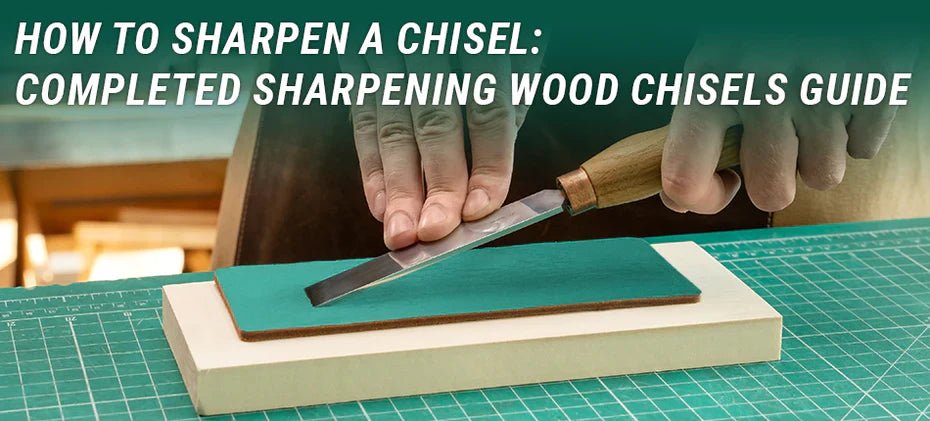
If you want your chisels to work like new every time, you need to take good care of them. Sharp, well-maintained chisels make your projects easier and give you better results.
But how do you keep your chisels in top shape without spending too much time or effort? You’ll discover simple, effective tips that will help you protect your tools, save money, and improve your craftsmanship. Keep reading to unlock the secrets to maintaining your chisels like a pro.

Credit: daitool.com
Choosing Quality Chisels
Good chisels last longer and work better. Picking the right chisel helps you do clean and precise work.
Look for chisels made from strong steel. The handle should feel comfortable in your hand.
Material Of The Blade
High-quality steel holds a sharp edge for a long time. Look for blades made from carbon steel or chrome-vanadium steel. Avoid soft metals that wear out quickly.
Handle Type And Comfort
Choose handles made from hardwood or durable plastic. They should fit your hand well and not slip. A well-built handle helps you control the chisel better.
Sharpness And Edge Retention
- Check if the blade is sharp right out of the box.
- Find out how often you need to sharpen it.
- Good chisels keep their edge longer.
Price Versus Quality
| Price Range | Quality Level |
| Low | Lower durability and sharpness |
| Medium | Good balance of price and quality |
| High | Best materials and edge retention |

Credit: daitool.com
Proper Storage Techniques
Keeping chisels in good shape needs the right storage. Proper storage stops damage and rust.
Good storage helps chisels last longer and work better. It keeps the blades sharp and safe.
Using Protective Covers
Protective covers stop chisels from getting dull or nicked. They also keep dirt off the blades.
Covers made of plastic or leather work well. Always put a cover on after cleaning your chisel.
- Use a cover that fits the blade size
- Check covers for damage often
- Replace worn covers to keep protection strong
Organizing In Toolboxes
Organize chisels neatly in your toolbox. This stops them from banging into each other.
Use slots or dividers to keep each chisel separate. This helps you find the right chisel fast.
- Place chisels with blades facing down
- Keep handles easy to grab
- Label sections for quick access
Avoiding Moisture Exposure
Moisture causes rust, which damages chisels quickly. Store chisels in dry places only.
Use silica gel packs or moisture absorbers in your toolbox. Wipe chisels dry before storing them.
- Keep chisels away from damp areas
- Dry blades after each use
- Check for rust regularly and clean if needed
Regular Cleaning Methods
Keeping your chisels clean helps them last longer and work better. Dirt and rust can damage the blade and make it dull.
Cleaning your chisels often removes buildup and keeps the metal shiny. Use simple tools and safe cleaners for best results.
Removing Residue And Rust
Residue from wood and rust can stick to the chisel blade. Clean these off to keep the blade sharp and safe to use.
Use a wire brush or fine sandpaper to gently remove rust. Wipe away any wood sap or dirt with a cloth.
- Scrape off thick residue carefully with a plastic scraper
- Rub rust spots with steel wool or a wire brush
- Use fine sandpaper for stubborn rust patches
- Wipe blade clean with a dry cloth after cleaning
Using Appropriate Cleaning Agents
Choose cleaning agents that do not harm the metal or handle of your chisel. Mild cleaners work well for regular use.
Avoid strong acids or harsh chemicals. These can cause damage or remove protective coatings on the blade.
- Use warm soapy water for general cleaning
- Try mineral spirits to remove sticky sap or grease
- Apply a light oil to prevent rust after cleaning
- Dry the chisel completely before storing it
Sharpening Strategies
Keeping chisels sharp is key for good woodworking. Sharp chisels cut cleaner and safer.
Sharpening needs the right tools and careful steps. This guide shares tips to help you.
Selecting The Right Sharpening Stones
Choose stones based on your chisel type and how dull it is. Coarse stones fix chips and reshape edges.
Fine stones polish the edge for smooth cuts. Water stones and oil stones work well for chisels.
- Coarse stones: 220-400 grit for rough sharpening
- Medium stones: 800-1000 grit for regular sharpening
- Fine stones: 3000-8000 grit for polishing
- Water stones: fast cutting and easy cleaning
- Oil stones: durable and long-lasting
Maintaining Correct Angles
Keep the bevel angle steady while sharpening. Most chisels need 25 to 30 degrees for good cutting.
Use a guide or hold the chisel firmly. Consistent angles make the edge sharper and last longer.
- Check the original bevel angle before sharpening
- Hold the chisel flat on the stone
- Move the chisel evenly to avoid uneven edges
- Use angle guides for beginners
Honing For Fine Edges
Honing smooths the edge after sharpening. Use a leather strop or fine honing stone to polish the blade.
Honing removes tiny burrs and makes the chisel cut cleaner. Do it often for best results.
- Apply polishing compound to a leather strop
- Draw the chisel away from the edge on the strop
- Use light pressure to avoid changing the angle
- Hone regularly between sharpening sessions
Handling And Usage Tips
Proper handling of chisels helps keep them sharp and safe. Using the right techniques can extend their life.
Following simple usage tips prevents damage and improves your work quality with chisels.
Avoiding Excessive Force
Do not hit the chisel too hard. Excessive force can bend or break the blade.
Use steady, controlled taps to cut wood or other materials. This keeps the edge sharp longer.
Using The Right Hammer
Choose a hammer made for chisels, usually a wooden or rawhide mallet. Metal hammers can damage the handle.
Using the correct hammer helps deliver power safely without hurting the tool.
- Wooden mallets absorb shock well
- Rawhide mallets prevent handle dents
- Metal hammers can cause cracks or splits
Working On Suitable Surfaces
Work on stable and flat surfaces to avoid slips. This keeps the chisel steady and safe to use.
Avoid hard surfaces like concrete that can damage the chisel edge if dropped.
- Use a workbench or sturdy table
- Place a wooden board under your work
- Keep the area clean and free from clutter
Credit: www.anneofalltrades.com
Periodic Inspection And Maintenance
Regular care keeps chisels sharp and safe to use. Checking and maintaining them stops damage and extends their life.
This guide covers key steps to inspect and maintain your chisels properly.
Checking For Nicks And Chips
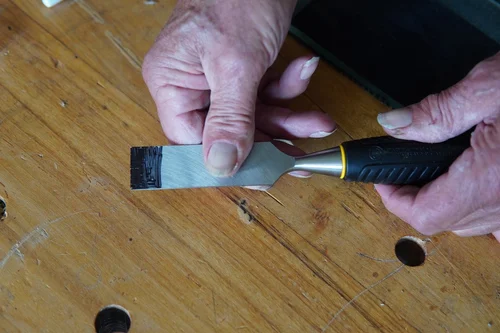
Look closely at the cutting edge for small nicks or chips. These can reduce cutting quality and cause injury.
- Use a magnifier or bright light to see tiny damages.
- Run your finger gently along the edge to feel rough spots.
- Sharpen or repair edges immediately if damage is found.
Reconditioning Handles
Handles must be strong and smooth for safe use. Check for cracks, splits, or loose fittings regularly.
| Problem | Cause | Solution |
| Cracks | Dry wood or impact | Sand and apply wood glue or replace handle |
| Loose handle | Wear or shrinkage | Tighten ferrule or replace wedge |
| Rough surface | Wear or dirt | Sand smooth and apply linseed oil |
Lubricating Metal Parts
Metal parts need lubrication to avoid rust and move smoothly. Use the right oil and follow this routine:
- Clean metal parts with a dry cloth before oiling.
- Apply light machine oil or specialized tool oil.
- Wipe off excess oil to prevent dust buildup.
- Repeat lubrication every few months or after heavy use.
Frequently Asked Questions
How Often Should I Sharpen Chisels?
Sharpen chisels every few uses to maintain their effectiveness. Consistent sharpening ensures clean cuts and prolongs tool life. Use a sharpening stone or honing guide for best results. Regular maintenance prevents damage and enhances performance, saving you time and effort in the long run.
What’s The Best Way To Clean Chisels?
Clean chisels with a soft cloth and mild detergent. Remove any wood residue or rust promptly. Dry thoroughly to prevent moisture damage. Regular cleaning keeps your chisels in top condition, ensuring optimal performance and longevity for your woodworking projects.
How Can I Prevent Chisel Rusting?
Prevent rust by storing chisels in a dry place. Use a rust inhibitor or oil to protect the metal. Regularly inspect your tools for moisture and clean them after use. Proper care ensures your chisels remain rust-free and in excellent working condition.
What Is The Ideal Storage For Chisels?
Store chisels in a tool roll or dedicated chisel rack. This prevents damage and maintains their sharpness. Avoid damp areas and ensure they are dry before storage. Proper storage prolongs the lifespan of your chisels and keeps them ready for use.
Conclusion
Maintaining chisels keeps them sharp and safe to use. Clean blades after each job to stop rust. Store chisels in a dry place with covers. Regularly check handles for cracks or loose parts. Sharpen edges carefully to maintain cutting power.
Small efforts help chisels last much longer. Use these tips to keep your tools ready. Good care saves money and makes work easier. Keep chisels in top shape for every project. Simple habits make a big difference over time.