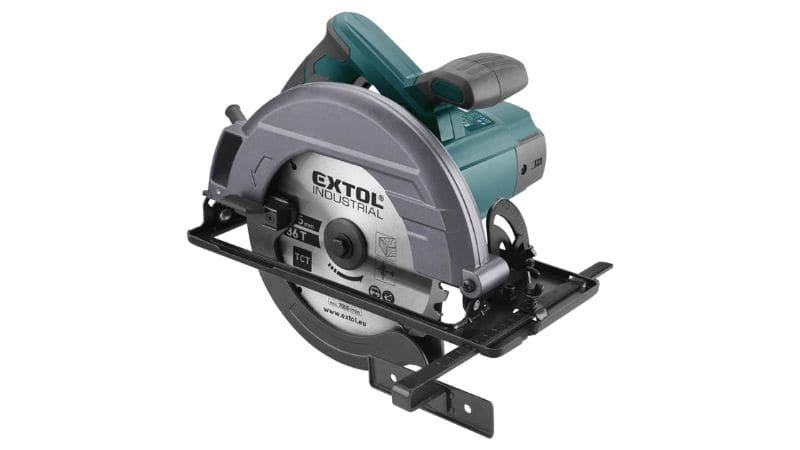
Are you looking to keep your circular saw running smoothly for years to come? Proper maintenance of your circular saw motor is crucial if you want to ensure peak performance and avoid costly repairs.
Imagine the frustration of a saw that won’t start just when you need it most. By investing a little time in maintenance now, you can save yourself from future headaches. We’ll reveal simple yet effective tips to help you care for your circular saw motor.
You’ll discover easy-to-follow steps to extend the life of your tool, making every project a breeze. Ready to unlock the secrets to a long-lasting circular saw? Let’s dive in and keep your projects on track!

Credit: www.youtube.com
Choosing The Right Circular Saw Motor
Choosing the right motor for your circular saw is important for good performance. The motor type affects cutting speed, power, and tool lifespan.
This guide will help you understand different motor types and how to assess the power you need for your tasks.
Comparing Motor Types
Circular saws mainly use two motor types: brushed and brushless. Each has its own benefits and drawbacks.
- Brushed Motors:These have carbon brushes that wear out over time. They are usually cheaper but need more maintenance.
- Brushless Motors:These do not have brushes. They last longer, run cooler, and are more efficient.
Choosing between these depends on your budget and how often you use the saw.
Assessing Power Needs
Power is measured in amps or volts for circular saw motors. The right power depends on the materials you cut and the job size.
| Power Level | Best For |
| 3 to 5 amps | Light wood cutting and small projects |
| 5 to 7 amps | General woodworking and medium tasks |
| 7+ amps | Heavy-duty cutting and tough materials |
Choosing a motor with enough power helps prevent the saw from slowing down or overheating during work.

Credit: www.youtube.com
Routine Cleaning Practices
Keeping your circular saw motor clean helps it run smoothly. Dirt and dust can cause overheating and damage.
Regular cleaning prevents problems and extends the motor’s life. Focus on key areas to keep the motor in good shape.
Removing Dust And Debris
Dust and debris build up inside the motor and reduce its efficiency. Removing these particles keeps the motor cool.
- Unplug the saw before cleaning to ensure safety.
- Use a soft brush to gently remove dust from the motor casing.
- Blow compressed air into the motor vents to clear hidden debris.
- Avoid using water or liquid cleaners inside the motor area.
- Wear safety goggles to protect your eyes from flying dust.
Cleaning Air Vents
Air vents allow heat to escape from the motor. Blocked vents cause the motor to overheat and fail.
| Cleaning Method | Details |
| Compressed Air | Blow air through vents to remove dust and small debris. |
| Soft Brush | Brush vents gently to clear clogged dirt. |
| Vacuum Cleaner | Use a vacuum with a brush attachment to suck out particles. |
| Inspection | Check vents regularly to ensure they are not blocked. |
Lubrication Techniques
Lubrication helps circular saw motors run smoothly and last longer. It reduces wear and prevents overheating.
Using the right method and materials keeps the motor in good shape and avoids damage.
Identifying Lubrication Points
Check the motor for parts that need oil or grease. Bearings and gears often need lubrication.
- Look at the motor shaft bearings.
- Find the gear assembly inside the motor.
- Check any moving joints or pivots.
- Consult the saw’s manual for specific points.
Using Appropriate Lubricants
Use lubricants made for electric motors and power tools. Avoid thick oils that can cause build-up.
| Lubricant Type | Best Use |
| Light machine oil | Bearings and shafts |
| Grease (lithium-based) | Gears and heavy load parts |
| Dry lubricant spray | Areas prone to dust |
| Silicone-based lubricant | Plastic parts and seals |
Inspecting Electrical Components
Regular checks of a circular saw’s electrical parts help keep it safe and working well.
Look closely at wires and moving parts inside the motor to find issues early.
Checking Power Cords
Power cords carry electricity from the outlet to the saw. They can wear out or get damaged.
- Look for cuts, cracks, or frays on the cord’s surface.
- Check if the plug is loose or bent.
- Make sure the cord is not stiff or brittle.
- Avoid using cords with exposed wires or broken insulation.
Examining Brushes And Commutators
Brushes and commutators help move power inside the motor. They wear down over time.
| Component | Signs of Wear | Maintenance Tips |
| Brushes | Short length, cracks, or uneven wear | Replace if worn below the minimum length |
| Commutator | Grooves, discoloration, or rough surface | Clean with fine sandpaper or replace if damaged |
Preventing Overheating
Overheating can damage your circular saw motor. It shortens the motor’s life and reduces performance.
Taking steps to prevent overheating keeps your saw working well. It helps avoid costly repairs.
Monitoring Motor Temperature
Check the motor temperature often during use. Feeling the motor casing can show if it is too hot.
Use a temperature gauge if possible. This tool gives a clear reading of the motor’s heat level.
- Stop working if the motor feels very hot
- Watch for burning smells or smoke
- Keep the motor clean to help heat escape
Allowing Proper Cooling Periods
Give the motor time to cool down after heavy use. Continuous work causes the motor to heat up quickly.
Rest periods lower the risk of overheating. Follow the saw’s recommended duty cycle for breaks.
- Turn off the saw for several minutes after long cuts
- Use shorter work sessions with breaks in between
- Store the saw in a cool, dry place after use
Credit: www.familyhandyman.com
Safe Storage Tips
Keeping your circular saw motor safe is important. Proper storage helps the motor last longer.
Good storage stops damage and keeps the motor ready to use when needed.
Protecting From Moisture
Moisture can harm the motor by causing rust and short circuits. Keep the motor dry to avoid these problems.
Store the motor in a dry place away from rain, spills, and humidity.
- Use a waterproof cover or case
- Store in a room with low humidity
- Keep off the ground to avoid water spills
- Check the motor regularly for moisture signs
Organizing For Longevity
Organize your storage space to protect the motor from damage. Avoid stacking heavy items on top of it.
Keep parts and tools together to prevent loss and damage.
- Store the motor in a padded box or case
- Label boxes for easy identification
- Keep cables coiled neatly to avoid tangles
- Place the motor where it won’t be knocked over
Troubleshooting Common Issues
Maintaining a circular saw motor helps it work well and last longer. Some problems are easy to fix if you know what to look for.
Below are tips to spot issues with motor noise and power changes. These tips help you keep the motor safe.
Identifying Motor Noise
A strange noise from the motor can mean many things. It could be worn bearings, dirt, or loose parts inside the motor.
Listen for grinding, whining, or rattling sounds. These noises show that the motor needs attention soon.
- Grinding noise often means worn bearings.
- Whining can show electrical problems.
- Rattling may mean loose screws or parts.
- Squealing could be a belt or pulley issue.
Addressing Power Fluctuations
Power that goes up and down can stop the saw from running smoothly. This can happen from bad wiring or a weak power source.
Check the power cord and plug for damage. Also, make sure the outlet gives steady power to the saw.
- Inspect the power cord for cuts or frays.
- Test the outlet with another tool to check power.
- Clean motor brushes to improve contact.
- Tighten loose wiring connections inside the saw.
Frequently Asked Questions
How Often Should I Clean My Circular Saw Motor?
Clean your circular saw motor after every few uses. Remove dust and debris to prevent overheating and motor damage. Regular cleaning extends the motor’s lifespan and ensures smooth operation.
What Lubricant Is Best For Circular Saw Motors?
Use a light machine oil or manufacturer-recommended lubricant. Apply sparingly to moving parts to reduce friction and wear. Proper lubrication keeps the motor running efficiently and prevents premature failure.
How Can I Prevent My Circular Saw Motor From Overheating?
Avoid prolonged use without breaks and keep vents clear of dust. Use the saw at recommended speeds and maintain proper blade sharpness. These steps help prevent motor overheating and damage.
When Should I Replace Brushes In A Circular Saw Motor?
Replace brushes when you notice sparking, reduced power, or motor noise. Worn brushes affect motor performance and can cause permanent damage. Regular inspection ensures timely replacement and efficient motor function.
Conclusion
Regular care keeps circular saw motors working well for years. Clean the motor often to stop dust build-up. Check brushes and wires to avoid sudden stops. Use the saw as the manual says for best results. Small fixes now save big problems later.
A well-maintained motor means safer, smoother cuts every time. Keep these tips in mind to protect your tool. Your saw will thank you with longer life and better power. Simple steps make a big difference in performance. Stay safe and enjoy your projects more.
