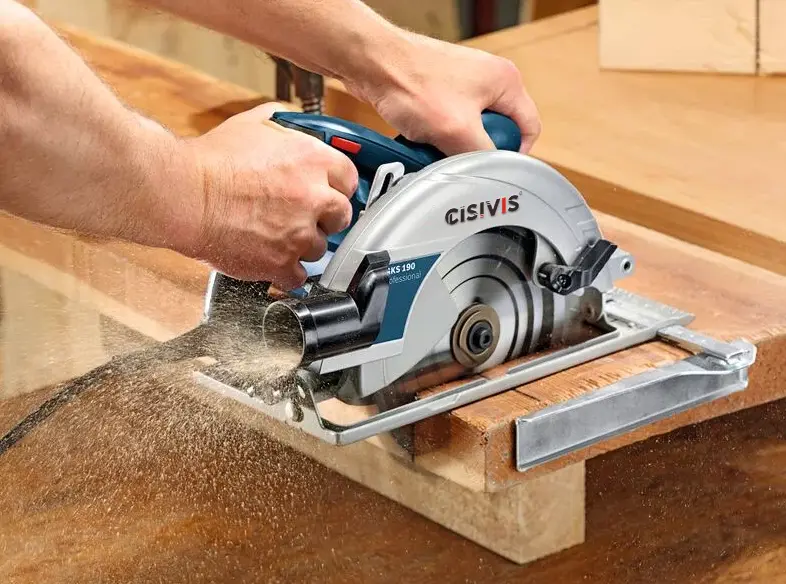
Are you looking to get the most out of your circular saw? Whether you’re a DIY enthusiast or a professional, maintaining your circular saw is crucial for optimal performance and safety.
A well-maintained saw not only delivers cleaner cuts but also lasts longer, saving you money in the long run. Imagine cutting through materials effortlessly, with precision and control, every time you power up your saw. We’ll share simple yet effective tips that you can easily incorporate into your routine.
These tips will help keep your circular saw in top shape, ensuring that each project you undertake is a success. Ready to make your circular saw last and perform like new? Let’s dive in!
Choosing The Right Blade
Choosing the right blade is key to keeping your circular saw working well. The blade affects how smooth and safe your cuts are.
Using the correct blade saves you time and helps your saw last longer. It also prevents damage to the material you cut.
Types Of Blades
There are many blade types made for different jobs. Some blades cut wood, others cut metal or plastic.
- Rip blades cut along the wood grain.
- Crosscut blades cut across the wood grain.
- Combination blades can do both rip and crosscuts.
- Metal cutting blades have special teeth for metal.
- Masonry blades cut stone and concrete.
Blade Material And Coating
Blade material affects how long the blade lasts and how well it cuts. Coatings can reduce heat and friction.
- Steel blades are basic and cheap but dull fast.
- Carbide-tipped blades stay sharp longer and cut better.
- Ceramic blades resist heat well and last longer.
- Teflon coating helps the blade slide through wood smoothly.
- Other coatings reduce rust and wear.
Selecting Blade Size
Blade size must match your circular saw’s specifications. Using the wrong size can be unsafe.
- Check the saw manual for the correct diameter.
- Common sizes are 7-1/4 inch, 8-1/4 inch, and 10 inch.
- Blade thickness affects cut quality and saw power.
- Arbor hole size must fit the saw’s arbor securely.

Credit: www.findbuytool.com
Cleaning The Saw
Keeping your circular saw clean helps it work better and last longer. Dirt and dust can cause problems if not removed regularly.
Regular cleaning protects the saw’s parts and keeps it safe to use. Let’s look at how to clean different parts of the saw.
Removing Dust And Debris
Dust and small wood pieces gather on the saw during use. Removing them stops blockages and overheating.
Use a brush or compressed air to clear dust from all parts. Make sure the saw is unplugged before cleaning.
- Brush dust from the blade guard and base plate
- Blow out dust from vents and crevices
- Wipe surfaces with a dry cloth
Cleaning The Motor Housing
The motor housing collects dust and dirt that can cause overheating. Keep it clean for better performance.
Use a soft brush or compressed air to clean the motor housing vents. Avoid using water or liquids on the motor.
- Unplug the saw before cleaning
- Use gentle air pressure to clear vents
- Check for any loose parts or damage
Blade Cleaning Techniques
A clean blade cuts better and lasts longer. Remove pitch, sap, and resin that stick to the blade edges.
Use a blade cleaner or a mixture of water and mild detergent. Soak the blade briefly and scrub with a soft brush.
- Unplug the saw and remove the blade
- Soak the blade in cleaner for 10 minutes
- Scrub gently with a nylon brush
- Rinse with water and dry completely
- Reinstall the blade securely
Lubricating Moving Parts
Keeping your circular saw in good shape means taking care of its moving parts. Lubrication helps reduce friction and wear.
Regular lubrication keeps the saw running smoothly and extends its life.
Areas To Lubricate
Focus on the parts that move or spin in your circular saw. These need lubrication to work well.
- Blade arbor and shaft
- Gear assemblies inside the saw
- Trigger and safety switch mechanisms
- Adjustment knobs and levers
- Bearings and motor parts
Choosing The Right Lubricant
Select a lubricant made for power tools or machinery. It should resist heat and dust.
A light oil or grease designed for metal parts works best for circular saws.
- Use machine oil for small moving parts
- Apply grease for gears and bearings
- Avoid thick oils that can gum up
- Do not use WD-40 as a long-term lubricant
Frequency Of Lubrication
Lubricate your saw regularly to keep it in good condition. The schedule depends on how much you use it.
Check the owner’s manual for specific advice. As a rule, oil or grease parts every few months or after heavy use.
- Light use: every 3 to 6 months
- Heavy use: monthly or after each job
- Always clean parts before applying lubricant
- Watch for signs of dryness or noise
Checking And Replacing Blades
Maintaining your circular saw is important for safe and accurate cuts. Checking the blade regularly keeps the saw working well. Replacing dull blades helps prevent accidents and damage.
This guide covers signs of a dull blade, how to replace it safely, and tips for aligning the blade correctly.
Signs Of A Dull Blade
A dull blade makes cutting harder and less precise. Watch for these signs to know when to replace the blade.
- The saw burns the wood or leaves dark marks.
- The saw pushes or binds in the cut instead of moving smoothly.
- The cut edges look rough or splintered.
- The saw motor slows down or struggles during cutting.
- You need to apply more force than usual to cut the wood.
Safe Blade Replacement
Replacing the blade safely protects you and the tool. Follow these steps carefully before starting the replacement.
- Unplug the saw or remove the battery to avoid accidental start.
- Use the blade lock button or wrench to hold the blade steady.
- Loosen the arbor nut by turning it counterclockwise.
- Remove the old blade carefully, avoiding contact with sharp teeth.
- Place the new blade on the arbor, making sure the teeth face forward.
- Tighten the arbor nut securely but do not overtighten.
- Check that the blade spins freely without wobbling.
Blade Alignment Tips
Proper blade alignment improves cut quality and tool safety. Use this table to check blade position and adjust if needed.
| Check Point | What to Look For | Adjustment Method |
|---|---|---|
| Blade parallel to base plate | No gaps between blade edge and guide fence | Use wrench to adjust bevel and alignment screws |
| Blade perpendicular to table | Blade stands straight up at 90 degrees | Adjust bevel angle knob or lever |
| Blade tightness | Blade does not wobble or move | Tighten arbor nut securely |
Inspecting Electrical Components
Regular checks keep your circular saw safe and working well. Electrical parts need close attention to avoid accidents.
Look for damage and test parts often. This helps find problems early and keeps your saw running smoothly.
Checking Power Cords
Inspect the power cord for cuts, cracks, or worn spots. A damaged cord can cause shocks or fire.
Make sure the plug is tight and the wires are not exposed. Replace cords that look unsafe or frayed.
- Look for cracks or splits in the cord
- Check the plug for bent or broken prongs
- Ensure no wires show outside the insulation
- Replace any damaged cords immediately
Testing Switch Functionality
Check the saw’s switch to make sure it turns on and off smoothly. A faulty switch can cause accidents.
Press the switch several times and listen for unusual sounds or delays. Fix or replace a switch that sticks or fails.
- Turn the saw on and off repeatedly
- Listen for clicking or buzzing noises
- Feel if the switch moves freely without sticking
- Repair or replace switches that do not work well
Preventing Electrical Issues
Keep electrical parts dry and clean. Moisture and dirt can cause short circuits and damage.
Store the saw properly to avoid cord damage. Regular cleaning helps prevent buildup that can cause problems.
- Keep the saw away from water and wet places
- Store in a dry, safe area to protect the cord
- Clean dust and debris from electrical parts often
- Check electrical components regularly for wear
Storing Circular Saws Properly
Proper storage keeps your circular saw safe and working well. It stops damage and helps the saw last longer.
Storing the saw the right way also protects the blade and other parts. This saves you money and time on repairs.
Safe Storage Locations
Choose a place that is secure and easy to reach for your circular saw. Avoid spots where it can fall or get knocked over.
Keep the saw away from children and pets. Use a shelf, cabinet, or toolbox to store it safely.
- Use a dry, stable shelf or workbench
- Keep out of high-traffic areas
- Store in a locked cabinet if possible
- Use a tool bag or case for extra safety
Protecting Blades During Storage
Blades can get dull or rusty if not stored properly. Always cover the blade with a guard or case before storing.
Remove the blade if you will not use the saw for a long time. Store the blade separately in a safe place.
- Use blade guards to cover sharp edges
- Keep blades in plastic sleeves or boxes
- Clean blades before storing to remove debris
- Oil blades lightly to prevent rust
Maintaining Dry Conditions
Moisture causes rust and damage to your saw and blade. Store your saw in a dry place away from water or dampness.
Use silica gel packs or dehumidifiers in your storage area to keep it dry. Check the saw often for any signs of rust.
- Choose a room with low humidity
- Use moisture absorbers like silica gel packs
- Keep the saw off the ground on shelves
- Wipe the saw dry before storing after use
Regular Maintenance Schedule
Keeping a circular saw in good shape makes it safer and lasts longer. A regular maintenance schedule helps catch small problems early. This guide shows how to care for your saw daily, monthly, and yearly.
Following these tips keeps your saw sharp and working well. Regular checks prevent breakdowns and save money on repairs.
Daily Care Tips
Daily care keeps your circular saw ready for work. Clean the saw after each use to remove dust and debris. Check the blade for any damage or dullness before starting.
- Wipe the saw and blade clean
- Check blade sharpness and damage
- Make sure the safety guard moves freely
- Inspect the power cord for cuts or frays
Monthly Inspection Checklist
Monthly inspections help find hidden problems. Tighten screws and bolts to keep parts secure. Check the blade alignment for accurate cuts. Test the saw’s motor and listen for odd noises.
- Check and tighten all screws and bolts
- Inspect blade alignment and adjust if needed
- Examine the motor for unusual sounds or smells
- Clean air vents to avoid overheating
- Lubricate moving parts lightly
Annual Professional Servicing
Yearly professional service keeps your saw in top condition. Experts can fully inspect electrical parts and replace worn components. This service improves safety and extends saw life.
- Have a technician inspect the motor and wiring
- Replace worn or damaged blades
- Check and repair safety features
- Clean and lubricate internal parts
- Test the saw’s performance thoroughly

Credit: www.safetyandhealthmagazine.com
Safety Precautions During Maintenance
Maintaining a circular saw is important for its performance and lifespan. Safety should be your top priority during any maintenance work.
Follow simple safety steps to avoid accidents. These steps protect you and keep your saw in good condition.
Unplugging The Saw
Always unplug the circular saw before starting maintenance. This prevents the saw from turning on accidentally.
Check that the power cord is disconnected from the outlet. Never rely on the power switch alone.
Using Protective Gear
Wear proper protective gear to keep yourself safe. Safety glasses protect your eyes from dust and debris.
Use gloves to protect your hands from sharp parts. Hearing protection helps when working near loud tools.
- Safety glasses
- Protective gloves
- Hearing protection
Handling Blades Safely
Handle blades with care to avoid cuts. Use a blade guard or cover when removing or installing blades.
Always hold blades by the edges. Store blades in a safe place when not in use.
- Use blade guards during blade changes
- Hold blades by the sharp edges only
- Keep blades in protective storage
Credit: extoltools.com
Frequently Asked Questions
How Often Should I Clean My Circular Saw Blade?
You should clean your circular saw blade after every few uses. Removing resin and debris keeps the blade sharp and efficient. Regular cleaning prevents overheating and extends the blade’s lifespan, ensuring smooth and accurate cuts.
What Is The Best Way To Lubricate A Circular Saw?
Use a light machine oil to lubricate the moving parts of your circular saw. Avoid over-lubricating, as excess oil can attract dust. Proper lubrication reduces friction, prevents rust, and ensures smooth operation.
How Can I Safely Store My Circular Saw?
Store your circular saw in a dry, clean place away from moisture. Use a protective case or cover to prevent dust buildup and accidental damage. Proper storage maintains the saw’s condition and ensures safety.
When Should I Replace The Circular Saw Blade?
Replace the blade when it becomes dull, chipped, or damaged. A worn blade causes poor cuts and strains the motor. Regularly inspect the blade to maintain safety and cutting performance.
Conclusion
Regular care keeps your circular saw working well for years. Clean the blade and check the motor often. Sharpen the blade to cut smoothly and safely. Store the saw in a dry place to avoid rust. Small steps prevent big problems later on.
A well-maintained saw saves time and effort. Take care today to enjoy better work tomorrow. Simple habits make a big difference in tool life. Stay safe and keep your saw ready for every job.