
Are you doing everything you can to protect your lungs? If you rely on a dust mask for work or hobbies, you know how crucial it is to keep it in top shape.
But are you aware of the best ways to maintain it? Dust masks are your first line of defense against harmful particles, but their effectiveness can diminish if they’re not properly cared for. You’ll discover simple yet effective tips that will ensure your dust mask continues to provide the protection you need.
By the end, you’ll not only feel more secure in your health but also more confident in your ability to maintain the tools that protect you. Stay with us to learn how to give your dust mask the care it deserves.
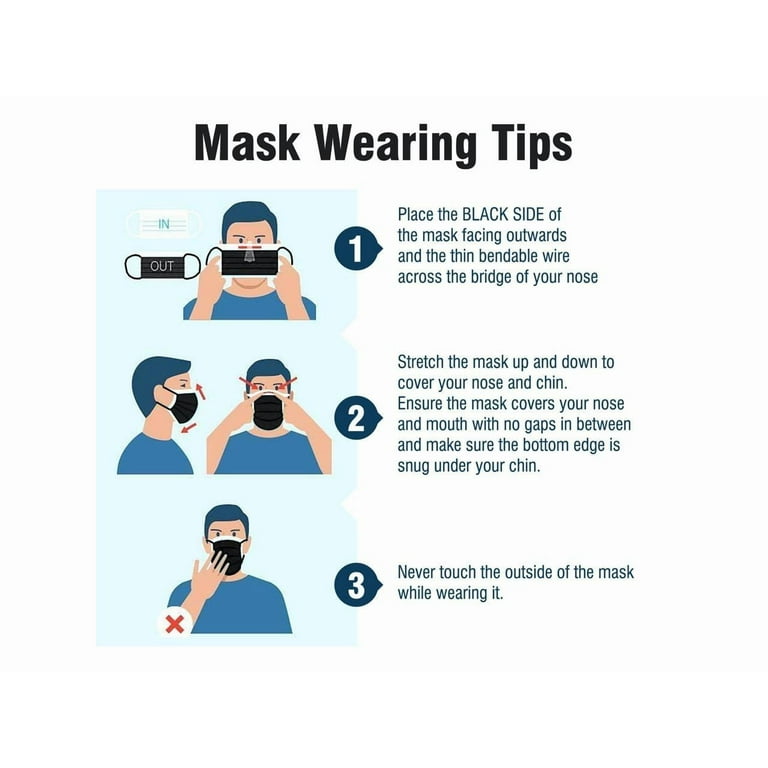
Credit: www.walmart.com
Choosing The Right Dust Mask
Picking the right dust mask helps protect your lungs from harmful dust. It also keeps you comfortable during work.
Choosing a mask depends on the type of dust, how long you wear it, and your comfort needs.
Types Of Dust Masks
There are many dust masks designed for different uses. Some block light dust, while others filter very fine particles.
- Disposable masks: For short use and light dust
- Reusable masks: Have replaceable filters for heavy dust
- Half-face respirators: Cover nose and mouth for strong protection
- Full-face respirators: Protect eyes and face, used in very dusty places
Material Considerations
Mask materials affect breathability and protection level. Choose materials that fit your work needs.
Common materials include non-woven fabric, activated carbon, and silicone. Each works for different dust types.
- Non-woven fabric: Lightweight and breathable
- Activated carbon: Filters odors and gases
- Silicone: Soft, fits well, and lasts long
Fit And Comfort
A mask must fit well to block dust properly. It should not be too tight or too loose.
Look for adjustable straps and soft edges. These features help you wear the mask longer without pain.
- Check for a snug fit around the nose and chin
- Choose masks with adjustable nose clips
- Pick soft materials to avoid skin irritation
- Try masks before use to ensure comfort
Cleaning Techniques
Keeping dust masks clean is important to protect your health. Proper cleaning helps remove dirt and germs.
Use safe and simple methods to clean reusable dust masks regularly. This keeps them effective and safe to wear.
Reusable Mask Washing
Wash reusable masks after each use to remove dust and bacteria. Use warm water and mild soap for cleaning.
Gently scrub the mask with your hands to avoid damage. Avoid harsh detergents that can harm mask fibers.
- Use warm water and mild soap
- Hand wash gently to protect the mask
- Rinse thoroughly to remove soap
- Wash after every use
Disinfecting Methods
Disinfect masks to kill bacteria and viruses. Use safe disinfectants that do not damage the mask.
You can soak masks in a diluted bleach solution or use alcohol wipes on the surface. Do not use strong chemicals.
- Use diluted bleach solution (4 teaspoons bleach per quart water)
- Soak for 5 minutes, then rinse well
- Use alcohol wipes for quick surface cleaning
- Avoid strong chemicals that harm mask material
Drying Tips
Dry masks completely before use. Moisture can reduce mask effectiveness and cause bacteria growth.
Air dry masks in a clean, dry place. Avoid direct sunlight or high heat that can damage the mask.
- Air dry in a clean area
- Do not use a dryer or direct heat
- Ensure mask is fully dry before storing
- Store in a clean, dry container
Storage Solutions
Keeping dust masks in good condition helps them work better. Proper storage stops dirt and damage. It also keeps masks ready to use anytime.
Learn how to store your dust masks safely. Use the right containers and avoid dirty surfaces. Find ways to carry masks when you travel.
Proper Storage Containers
Use clean, dry containers to keep dust masks safe. Containers protect masks from dust, moisture, and damage. Choose sizes that fit masks without squashing them.
- Plastic boxes with lids keep masks dry
- Breathable cloth bags prevent moisture build-up
- Hard cases protect masks from being crushed
- Label containers to avoid confusion
Avoiding Contamination
Keep masks away from dirt and germs. Store them separately from dirty items. Always handle masks with clean hands.
| Do | Don’t |
| Wash hands before touching masks | Place masks on dirty surfaces |
| Store masks in sealed containers | Share masks with others |
| Check mask condition before use | Reuse damaged or soiled masks |
Travel-friendly Storage
Choose storage that fits your travel needs. Keep masks clean and easy to access. Use lightweight and compact options for convenience.
- Use small zippered pouches for quick access
- Carry extra masks in resealable bags
- Keep a clean cloth to wrap masks if needed
- Store masks in a cool, dry part of your bag

Credit: www.safetyandhealthmagazine.com
Inspection And Replacement
Dust masks help protect your lungs from harmful particles. To keep them effective, inspect them regularly. Replace parts when needed to ensure safety.
Proper inspection and timely replacement keep dust masks working well. This guide covers key points to watch for and when to act.
Signs Of Wear And Tear
Check your dust mask for damage before each use. Look for cracks, tears, or broken straps. These signs mean the mask may not protect well.
- Cracks or holes in the mask body
- Worn or stretched straps
- Loose or broken nose clips
- Discoloration or dirt buildup
- Deformed shape that affects fit
When To Replace Filters
Filters trap dust and particles. Replace them to keep breathing safe. Follow these signs to know when to change filters.
| Filter Condition | Action |
| Visible dirt or clogging | Replace filter immediately |
| Difficulty breathing through mask | Replace filter |
| Filter past recommended usage time | Replace filter |
| Wet or damaged filter | Replace filter |
Maintaining Seal Integrity
The mask must seal tightly to your face. Check the seal each time you wear the mask. If air leaks, the mask does not protect well.
- Clean the mask edges regularly to remove dirt
- Make sure straps hold the mask firmly
- Adjust the nose clip to fit snugly
- Replace the mask if the seal breaks or warps
Daily Usage Practices
Using dust masks daily helps protect your lungs from harmful particles. Good habits keep the mask effective and safe.
Learn simple ways to handle, wear, and remove your dust mask properly every day.
Handling With Clean Hands
Always wash your hands before touching your dust mask. Dirty hands can transfer germs and dust to the mask.
- Use soap and water or hand sanitizer
- Dry hands completely before handling
- Hold the mask by the straps or edges
- Do not touch the front part of the mask
Avoiding Mask Touching
Keep your hands away from the mask while wearing it. Touching can reduce its fit and let dust inside.
| Why Avoid Touching | Effect on Mask |
|---|---|
| Hands have dirt or germs | Contaminates mask surface |
| Adjusting mask often | Breaks seal on face |
| Touching front part | Spreads dust to hands |
Safe Removal Techniques
Remove your dust mask carefully to avoid contaminating yourself or others.
- Wash or sanitize your hands before removal
- Grab the mask by the straps or ear loops
- Pull the mask away from your face without touching the front
- Dispose or store the mask safely
- Wash your hands after removal
Extended Mask Lifespan Hacks
Dust masks help protect you from harmful particles. Taking care of them extends their use and saves money.
These tips show how to keep your masks clean and safe for longer use.
Rotating Masks
Using several masks in rotation gives each one time to dry and air out. This keeps masks fresher and safer to wear.
Make a rotation schedule to avoid using the same mask every day.
- Label each mask with a number or date
- Use one mask per day, then store it properly
- Wait at least 24 hours before reusing the same mask
Using Mask Covers
Mask covers add a layer of protection. They catch dirt and sweat, keeping the mask underneath cleaner.
You can use cloth or disposable covers depending on your needs.
- Choose covers made from breathable materials
- Wash cloth covers regularly
- Replace disposable covers after each use
Environmental Storage Tips
Proper storage keeps masks dry and safe from dust. Avoid places with high humidity or direct sunlight.
Use clean, breathable containers or bags to store your masks between uses.
- Store masks in paper bags or cloth pouches
- Keep masks away from damp areas
- Do not seal masks in plastic bags if wet

Credit: www.esafetysupplies.com
Frequently Asked Questions
How Often Should I Clean My Dust Mask?
You should clean your dust mask after every use. Regular cleaning removes dirt and bacteria, ensuring better protection and comfort. Follow the manufacturer’s instructions for washing to avoid damage.
Can I Reuse Disposable Dust Masks Safely?
Disposable dust masks are designed for single use only. Reusing them reduces their effectiveness and increases contamination risk. Always replace disposable masks after one use for optimal safety.
What Is The Best Way To Store Dust Masks?
Store dust masks in a clean, dry place away from sunlight. Use a sealed container or plastic bag to prevent dust and moisture buildup. Proper storage maintains mask shape and filtration quality.
How Do I Know When To Replace A Dust Mask?
Replace your dust mask if it becomes damaged, dirty, or difficult to breathe through. Also, change it after prolonged use or exposure to hazardous dust. Timely replacement ensures maximum protection.
Conclusion
Keeping dust masks clean helps them work better and last longer. Regular checks for damage ensure safety every time you wear them. Store masks in a dry, cool place to avoid dirt buildup. Replace masks when they become hard to breathe through or look worn out.
Simple care steps protect your health and save money. Remember, clean masks mean safer breathing in dusty environments. Taking a little time for maintenance makes a big difference. Stay safe, stay comfortable, and keep your dust masks ready to use.