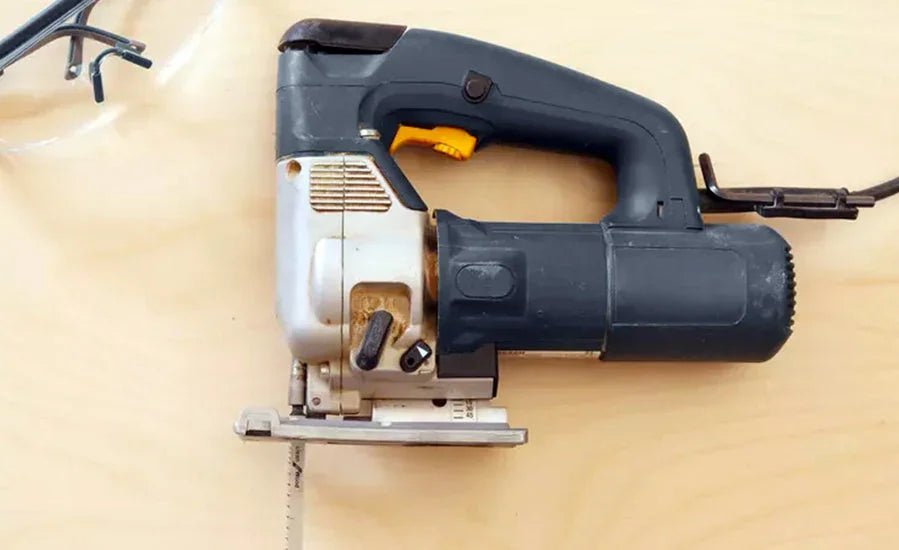
If you’ve ever spent hours puzzling over how to keep your jigsaw motor running smoothly, you’re not alone. Maintaining a jigsaw motor may seem daunting, but it’s easier than you think.
Imagine the frustration of a jigsaw that sputters, stalls, or worse, refuses to start just when you’re about to cut that perfect piece. You don’t have to experience this scenario. Instead, you can enjoy seamless woodworking projects by following a few simple maintenance tips.
Keep reading to uncover how you can extend the life of your jigsaw motor and ensure it performs at its best every time you need it.
Routine Inspection
Regular checks help keep your jigsaw motor working well. Inspections catch small problems early. This saves time and money.
Follow simple steps to inspect your motor. Look for wear, strange sounds, and heat. These signs show if maintenance is needed.
Checking For Wear And Tear
Look closely at moving parts and wires. Worn parts can cause failure. Replace or repair any damaged parts quickly.
- Check belts for cracks or frays
- Inspect bearings for smooth rotation
- Look for loose or corroded connections
- Examine brushes for excessive wear
Identifying Unusual Noises
Listen carefully when the motor runs. Strange sounds may mean a problem inside. Early detection prevents bigger damage.
| Noise Type | Possible Cause | Action |
| Grinding | Worn bearings | Replace bearings |
| Clicking | Loose parts | Tighten screws |
| Buzzing | Electrical issues | Check wiring |
Monitoring Motor Temperature
Heat signals stress on the motor. Too much heat lowers performance and life span. Check temperature often during use.
Use these tips to watch motor temperature:
- Feel the motor casing carefully
- Use a thermometer if possible
- Stop use if it feels too hot
- Let the motor cool before restarting

Credit: www.gz-supplies.com
Cleaning Techniques
Keeping your jigsaw motor clean is key to good performance. Dirt and dust can harm parts over time. Proper cleaning helps the motor last longer.
Use the right tools and methods to avoid damage. Follow simple steps to keep your jigsaw motor free from buildup.
Removing Dust And Debris
Dust and debris can block the motor vents. This causes overheating and wear. Clean the motor area often to keep air flowing well.
- Turn off and unplug the jigsaw before cleaning.
- Use a soft brush to sweep away dust from vents and surfaces.
- Blow air gently with a can of compressed air to remove stubborn dirt.
- Wipe the outside with a dry cloth to clear loose debris.
Using Proper Cleaning Tools
Choosing the right tools prevents damage during cleaning. Avoid hard or sharp objects that can scratch or break parts.
| Tool | Use |
| Soft Brush | Remove dust from vents and crevices |
| Compressed Air | Blow away dirt in hard-to-reach spots |
| Microfiber Cloth | Wipe motor surfaces without scratching |
| Small Vacuum | Extract loose particles safely |
Avoiding Moisture Damage
Moisture can cause rust and electrical faults. Keep the motor dry during and after cleaning. Never use water or liquid cleaners directly on it.
Tips to avoid moisture damage:
- Use only dry tools for cleaning.
- Store the jigsaw in a dry place.
- Allow any cleaning cloth to be fully dry before use.
- Check for dampness and wipe it off immediately.
Lubrication Practices
Proper lubrication keeps Jigsaw Motors running smoothly. It reduces friction and wear on moving parts.
Following good lubrication habits extends the life of your motor. It also improves performance and safety.
Choosing The Right Lubricant
Use lubricants made for Jigsaw Motors. Check the motor manual for recommended types.
Choose lubricants that work well in your climate. Some oils work better in cold weather, others in heat.
- Use motor oil with the right viscosity
- Pick grease for gears and bearings
- Avoid using household oils or WD-40
Lubrication Frequency
Lubricate your motor regularly to keep it in good shape. Check the manual for the schedule.
If you use the motor a lot, lubricate more often. Watch for signs like noise or rough movement.
- Lubricate after every 50 hours of use
- Lubricate before long storage
- Check lubrication points monthly
Applying Lubricants Safely
Clean parts before applying lubricant. Dirt can cause damage if mixed with oil or grease.
Use gloves and tools to avoid skin contact. Follow safety instructions on lubricant labels.
- Apply lubricant in a well-ventilated area
- Use a brush or applicator for even coverage
- Wipe off excess lubricant to prevent dirt buildup

Credit: onevantool.com
Electrical Maintenance
Keeping your Jigsaw motor in good condition requires regular electrical checks. Electrical maintenance helps avoid unexpected failures.
Focus on wiring, motor windings, and insulation to ensure safe and efficient operation.
Inspecting Wiring And Connections
Check all wires for signs of wear, cracks, or corrosion. Loose connections can cause power loss or damage.
- Look for frayed or broken wires
- Tighten any loose screws or terminals
- Clean dirty or corroded contacts
- Replace damaged connectors immediately
Testing Motor Windings
Test the motor windings to find shorts or open circuits. Use a multimeter to check resistance and continuity.
| Test Type | What to Check | Normal Result |
| Resistance Test | Measure winding resistance | Consistent values on all phases |
| Continuity Test | Check for open circuits | Continuity present in all windings |
| Insulation Resistance | Check insulation quality | High resistance value (megaohms) |
Ensuring Proper Insulation
Good insulation prevents short circuits and electric shocks. Inspect insulation on wires and motor parts.
Follow these tips for insulation care:
- Use insulation tape on exposed wires
- Replace worn or brittle insulation parts
- Keep the motor dry and clean
- Avoid sharp bends in wiring
Alignment And Calibration
Maintaining your Jigsaw motor ensures it runs smoothly and lasts longer. Alignment and calibration are key parts of this care.
Proper alignment helps the motor parts work together correctly. Calibration makes sure the motor performs at its best.
Checking Motor Alignment
Check the motor alignment regularly to avoid wear and tear. Misalignment can cause noise and reduce motor life.
Look for signs like vibration or uneven movement. Use a straight edge or alignment tool to inspect the motor parts.
- Turn off the motor before checking
- Inspect the motor shaft and mounts
- Use tools to measure alignment accuracy
- Note any parts that seem out of place
Calibrating For Optimal Performance
Calibration adjusts the motor settings to match desired performance. It helps improve efficiency and power output.
Use the motor’s control panel or software to set parameters. Follow the manufacturer’s guidelines for best results.
- Set speed limits according to your needs
- Adjust torque settings carefully
- Test the motor after each change
- Record settings for future reference
Correcting Misalignments
If you find misalignment, fix it quickly to avoid damage. Loose or worn parts often cause the problem.
Tighten bolts or replace damaged parts. Use shims or spacers to adjust the motor position if needed.
- Turn off power before making corrections
- Loosen mounting bolts slightly
- Shift the motor to the correct position
- Tighten bolts firmly after alignment
- Recheck alignment to confirm fix
Troubleshooting Common Issues
Jigsaw motors need regular care to work well. Sometimes, problems can happen. Knowing how to fix these issues helps keep your motor running smoothly.
This guide covers common motor problems. It shows ways to fix overheating, vibrations, and power changes.
Addressing Motor Overheating
Motors get hot if they run too long or face heavy loads. Overheating can damage parts and reduce motor life. Check if the motor has enough ventilation and clean any dust or dirt.
- Make sure air vents are clear of blockages
- Clean dust from motor housing regularly
- Check oil levels and add lubricant if needed
- Reduce motor load or give it breaks during use
- Inspect cooling fans for damage or wear
Fixing Vibration Problems
Vibrations can cause noise and damage to your motor. They often happen if parts are loose or unbalanced. Tighten screws and bolts. Check if the motor is mounted evenly and on a stable surface.
| Cause | Solution |
| Loose bolts | Tighten all mounting bolts |
| Unbalanced parts | Balance motor blades or parts |
| Worn bearings | Replace bearings promptly |
| Uneven mounting surface | Place motor on a flat, stable base |
Resolving Power Fluctuations
Power changes can cause your motor to stop or run weakly. Check the power supply and connections. Clean or replace worn wires. Use this checklist to find the problem.
- Inspect the power cord for cuts or damage
- Make sure plugs fit tightly in outlets
- Test the voltage supply with a meter
- Look for corrosion on connectors and clean them
- Replace any faulty switches or controls
Storage And Handling
Proper storage and careful handling keep Jigsaw motors working well. These steps help prevent damage and wear.
Following good storage and handling habits extends motor life and saves repair costs.
Proper Storage Conditions
Store motors in a clean, dry place with stable temperature. Avoid places with high humidity or dust.
Keep motors off the floor to prevent moisture damage. Use shelves or pallets for storage.
- Temperature: 10°C to 30°C (50°F to 86°F)
- Humidity: below 60%
- Dust-free environment
- Well-ventilated area
- Avoid direct sunlight
Safe Handling Procedures
Handle motors gently to avoid dropping or bumping them. Use both hands when lifting.
Wear gloves to protect motors from dirt and oils. Clean hands help keep motor parts clean.
- Lift with care and support motor weight evenly
- Use proper tools for mounting and dismounting
- Keep motors away from sharp or heavy objects
- Do not expose motors to water or chemicals
Preparing Motors For Long-term Storage
Clean motors before storing them for a long time. Remove dust and grease from the surface.
Apply a light coat of rust-preventive oil on metal parts. Cover motors with plastic wrap or a cloth.
- Disconnect motors from power sources
- Drain any fluids or lubricants if needed
- Store in original packaging if available
- Check motors periodically during storage

Credit: www.findbuytool.com
Frequently Asked Questions
How Often Should I Service My Jigsaw Motor?
Regular servicing every 6 to 12 months ensures optimal jigsaw motor performance. Frequent use may require more frequent checks to prevent breakdowns.
What Are Common Signs Of Jigsaw Motor Wear?
Unusual noises, reduced power, and overheating indicate motor wear. Prompt inspection helps avoid further damage and prolongs motor life.
How Can I Clean A Jigsaw Motor Safely?
Use compressed air to remove dust and debris gently. Avoid water or solvents to prevent electrical damage during cleaning.
What Lubricants Are Best For Jigsaw Motors?
Use light machine oil or manufacturer-recommended lubricants. Proper lubrication reduces friction and extends motor lifespan effectively.
Conclusion
Regular care keeps your jigsaw motor running smooth and long. Clean it often to stop dust build-up. Check parts for wear and replace when needed. Use the right oil to keep the motor cool. Follow these tips to avoid costly repairs.
Small efforts save time and money. Keep your tool ready for every project. Simple steps make a big difference. Take care today, enjoy better performance tomorrow.