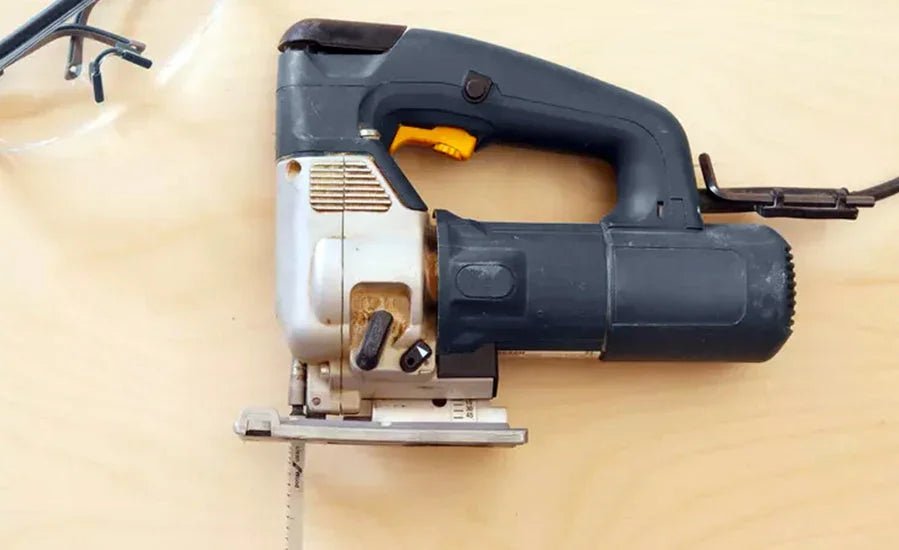
Are you looking to keep your jigsaw motor running smoothly and extend its life? Maintaining your jigsaw motor doesn’t have to be complicated or time-consuming.
With the right tips, you can avoid costly repairs and enjoy precise, powerful cuts every time you use your tool. You’ll discover simple, effective steps to care for your jigsaw motor so it stays reliable and efficient. Keep reading to unlock easy maintenance tricks that save you money and frustration.

Credit: onevantool.com
Choosing The Right Motor
Choosing the right motor for your jigsaw is key to good results. The motor affects speed, power, and control. Picking the right one helps your project go smoothly.
Different motors fit different needs. Knowing the types and matching them to your project is important for safe and clean cuts.
Types Of Jigsaw Motors
Jigsaw motors mainly come in two types: brushed and brushless. Each type has strengths and weaknesses. Knowing these helps you pick the best motor.
- Brushed Motors:These are common and cost less. They have brushes that wear down over time. They are good for light to medium tasks.
- Brushless Motors:These last longer and use less power. They run cooler and need less maintenance. They suit heavy-duty or long projects.
Matching Motor To Project Needs
Match the motor type and power to the material and work you plan. Different projects require different motor strengths and speeds.
| Project Type | Recommended Motor | Reason |
| Light woodworking | Brushed motor | Cost-effective and sufficient power |
| Metal cutting | Brushless motor | Higher torque and longer use |
| Plastic cutting | Brushed or brushless motor | Depends on thickness and duration |
| Long projects | Brushless motor | Runs cooler and lasts longer |
Regular Cleaning Practices
Keeping your Jigsaw Motors clean helps them work well and last longer. Dirt and dust can cause parts to wear out fast.
Regular cleaning stops build-up that may block important parts. It also helps you spot any damage early.
Removing Dust And Debris
Dust and debris can collect on motor surfaces and inside small spaces. This can reduce the motor’s efficiency.
Use a soft brush or a dry cloth to gently remove dust. Avoid using water or liquid cleaners that can damage the motor.
- Turn off and unplug the motor before cleaning
- Use a soft brush to sweep dust off
- Wipe surfaces with a dry, lint-free cloth
- Do not spray water or cleaners directly on the motor
Cleaning Air Vents
Air vents help keep the motor cool by letting air flow through. Dust can block these vents and cause overheating.
Use compressed air or a soft brush to clear dust from the vents. Keep vents clean to improve airflow and motor performance.
- Turn off and unplug the motor before cleaning vents
- Blow compressed air gently into vents to remove dust
- Use a soft brush to clean hard-to-reach spots
- Check vents regularly for dust build-up
Lubrication Tips
Proper lubrication keeps your jigsaw motor running smoothly. It lowers friction and stops parts from wearing out fast.
Using the right lubricant and applying it regularly helps your tool last longer and work better.
Selecting Suitable Lubricants
Choose lubricants made for electric motors or power tools. They protect metal parts and resist heat well.
- Use light machine oil or synthetic oils recommended by the manufacturer.
- Avoid heavy greases that can clog moving parts.
- Check if the lubricant is safe for plastic parts inside the motor.
- Do not mix different types of oils to prevent damage.
Frequency Of Application
Lubricate your jigsaw motor based on use and working conditions. Regular care prevents damage and overheating.
| Usage Level | Recommended Lubrication Frequency |
| Light Use (once a week) | Every 3 months |
| Moderate Use (few times a week) | Every 1 to 2 months |
| Heavy Use (daily) | Every 2 weeks |
| Harsh Conditions (dusty or wet) | More often as needed |
Inspecting Electrical Components
Maintaining your jigsaw motor’s electrical parts keeps it running well. Regular checks help spot problems early.
Look closely at wires, switches, and controls. Make sure each part works and stays safe.
Checking Wires And Connections
Check wires for cracks, breaks, or burns. Loose connections can cause the motor to fail or short circuit.
- Look for frayed or damaged insulation
- Make sure all connectors are tight and clean
- Replace wires that show signs of wear or damage
- Avoid wires touching moving parts
Testing Switches And Controls
Switches and controls manage power flow. Test them to ensure smooth operation and safety.
| Test Type | How to Check | What to Look For |
| Switch Function | Turn on and off | Clicks clearly, no sticking |
| Control Response | Adjust speed or settings | Changes motor speed smoothly |
| Electrical Continuity | Use a multimeter | Shows continuous circuit |
Blade Maintenance
Keeping your jigsaw blades in good shape helps you cut better and safer. Regular care stops damage and extends blade life.
Focus on choosing the right blade and replacing dull ones to maintain top performance.
Choosing The Right Blade
Selecting the correct blade depends on the material you cut and the type of cut you want. Using the wrong blade can cause rough cuts and damage.
- Use fine-toothed blades for metal and plastic.
- Choose coarse-toothed blades for wood and soft materials.
- Pick blades labeled for straight or curved cuts based on your project.
- Check blade length to match your jigsaw model.
Replacing Dull Blades
Dull blades slow down work and increase the risk of accidents. Replace blades as soon as you notice signs of wear.
| Signs of Dull Blades | Why Replace |
| Burn marks on wood | Blade overheats and damages material |
| Blade bends or stalls | Cut quality decreases and motor strain increases |
| Excessive vibration | Blade is worn and unstable |
| Slow cutting speed | Blade is blunt and inefficient |

Credit: www.findbuytool.com
Storage Recommendations
Proper storage helps keep your jigsaw motor safe and working well. Good storage stops damage and extends its life.
Follow simple tips to protect your motor from harm. Organize your tools so you can find them quickly.
Protecting From Moisture
Moisture can cause rust and damage electrical parts in your jigsaw motor. Keep the motor dry to avoid these problems.
- Store the motor in a dry, cool place away from water sources.
- Use silica gel packs to absorb moisture inside storage boxes.
- Cover the motor with a waterproof cloth or plastic cover.
- Check the motor regularly for any signs of rust or dampness.
Organizing For Accessibility
Keeping your jigsaw motor organized saves time and prevents damage from falls or bumps.
| Storage Method | Benefits | Tips |
| Toolbox with compartments | Keeps parts separated and easy to find | Label compartments for quick access |
| Wall-mounted hooks | Saves floor space and avoids clutter | Use padded hooks to avoid scratches |
| Clear plastic containers | See contents without opening | Stack containers safely to prevent tipping |
Troubleshooting Common Issues
Jigsaw motors can face some usual problems. Fixing these quickly helps keep your tool working well.
Below are common issues and how to check or solve them safely.
Motor Overheating
Overheating can damage your jigsaw motor. It may stop working if it gets too hot.
- Check if the ventilation slots are blocked by dust or debris.
- Ensure you are not running the motor for too long without breaks.
- Use the right blade for the material to reduce motor strain.
- Inspect the power source to avoid voltage drops causing overheating.
- Clean the motor regularly to keep it cool and efficient.
Unusual Noises
Strange sounds can mean parts are loose or worn out. Listening carefully helps find the problem fast.
| Noise Type | Possible Cause | What to Do |
| Grinding | Damaged bearings | Stop use and replace bearings |
| Clicking | Loose blade or parts | Tighten blade and screws |
| Whining | Worn motor brushes | Check and replace brushes |
| Rattling | Debris inside motor | Clean inside motor housing |
Power Loss
If your motor loses power, check these common causes to fix it.
- Make sure the power cable is not damaged or loose.
- Test the switch for proper function; replace if faulty.
- Check the motor brushes; worn brushes can reduce power.
- Look for clogged air vents that cause the motor to slow down.
- Use the correct voltage supply as per the tool’s rating.
Credit: www.gz-supplies.com
Frequently Asked Questions
How Often Should I Service My Jigsaw Motor?
Service your jigsaw motor every six months to ensure optimal performance. Regular maintenance helps in identifying potential issues early. This prolongs the lifespan of the motor. Dust and debris accumulation can affect efficiency, so regular cleaning is crucial. Always refer to the manufacturer’s guidelines for specific maintenance instructions.
What Are Common Jigsaw Motor Problems?
Common issues include overheating, unusual noises, and power loss. Overheating can result from prolonged use or dust buildup. Unusual noises may indicate loose components. Power loss might stem from electrical issues or worn-out parts. Regular maintenance and timely repairs can prevent these problems and extend the motor’s life.
How Do I Clean A Jigsaw Motor?
Unplug the jigsaw and use compressed air to remove dust. Gently wipe the exterior with a damp cloth. Check for debris around the motor vents. Ensure all parts are dry before plugging in. Regular cleaning prevents dust buildup, ensuring smooth operation and prolonging the motor’s lifespan.
Why Is My Jigsaw Motor Overheating?
Overheating can be due to prolonged use or poor ventilation. Dust and debris may also block airflow. Regular cleaning and avoiding overuse can prevent overheating. Ensure the motor has adequate ventilation. If overheating persists, consult a professional for a thorough inspection and repair.
Conclusion
Maintaining your jigsaw motor keeps it running smoothly and safely. Regular checks prevent problems and save money. Clean parts and proper lubrication help avoid wear and tear. Tighten screws and inspect wiring often. Simple care extends the motor’s life and improves performance.
Small efforts make big differences in the long run. Keep your tools ready for any project ahead. Stay consistent with maintenance for the best results. Simple habits protect your investment and boost your work quality.