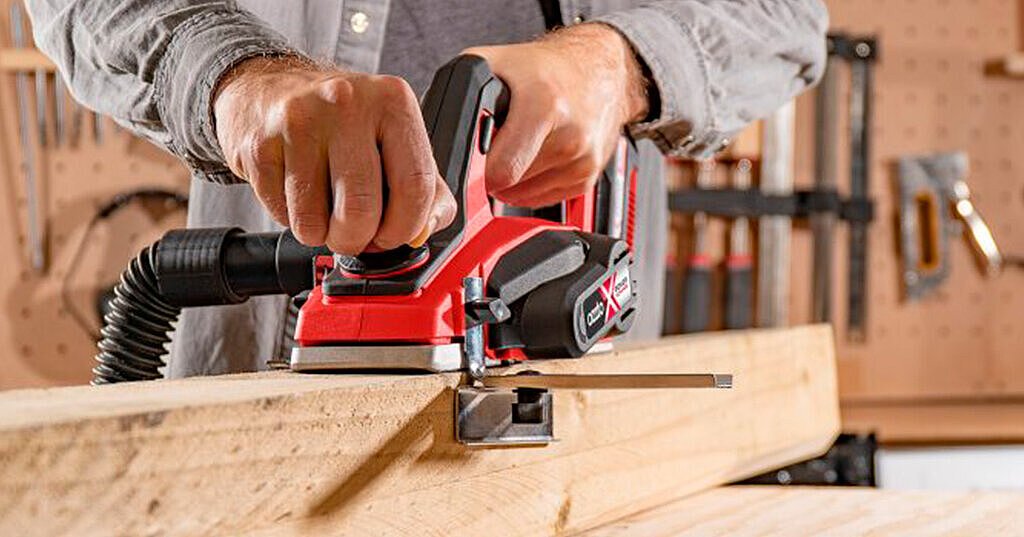
Are you tired of dealing with dull and ineffective power planer blades? Do you wish your woodwork projects could shine with precision and ease?
If you’ve ever found yourself frustrated with the performance of your planer, you’re not alone. The secret to achieving smooth, flawless surfaces lies in the maintenance of your power planer blades. By keeping them in top-notch condition, you can transform your woodworking experience and produce stunning results every time.
We’ll uncover essential tips for maintaining your power planer blades. You’ll learn simple yet effective techniques to keep your blades sharp and ready to tackle any task. Whether you’re a seasoned craftsman or a DIY enthusiast, these insights will help you extend the life of your tools and ensure your projects always meet your high standards. Get ready to discover the key to effortless, high-quality woodwork!

Credit: www.workshop.bunnings.com.au
Choosing The Right Blades
Choosing the right power planer blades is important for good results. The blades affect the smoothness and speed of your work. Knowing which blades fit your needs saves time and effort.
This guide covers three key points: material types, blade sizes and shapes, and when to replace blades. Each section helps you pick the best blade for your project.
Material Types
Blades come in different materials. Each type has strengths and fits certain jobs better. Common materials include high-speed steel (HSS), carbide, and carbon steel.
- High-Speed Steel (HSS):Sharp and easy to sharpen. Good for softwoods and light use.
- Carbide:Very hard and stays sharp longer. Best for hardwoods and heavy work.
- Carbon Steel:Affordable and sharp. Works well for general tasks but dulls faster.
Blade Sizes And Shapes
Blades come in various sizes and shapes to fit different planers and tasks. Choose blades that match your power planer model for safety and performance.
| Blade Size | Common Uses | Notes |
| 82mm | Standard for many handheld planers | Fits most small models |
| 110mm | Used in larger or industrial planers | Handles heavy-duty work |
| Shape Types | Straight, beveled, or curved edges | Choose based on cut style needed |
When To Replace Blades
Replacing blades at the right time keeps your planer working well. Dull blades cause rough cuts and strain the motor. Check blades often for wear and damage.
- Inspect blades before each use for chips or dullness.
- Replace if cuts become uneven or tearing appears.
- Change blades if sharpening does not restore sharpness.
- Follow the power planer’s manual for replacement guidelines.
Regular Cleaning Techniques
Keeping your power planer blades clean is important for good performance. Dirt and resin can build up and slow down your work.
Regular cleaning helps the blades stay sharp and last longer. It also makes your planer safer to use.
Removing Resin Buildup
Resin can stick to the blades after cutting softwoods. It makes the blades dull and less effective.
To remove resin, use a soft cloth with a small amount of mineral spirits or a blade cleaner. Gently wipe the blades until the resin comes off.
- Wear gloves to protect your hands
- Use a soft brush for hard-to-reach areas
- Do not use steel wool, as it may scratch the blades
Safe Cleaning Tools
Choose the right tools to avoid damaging the blades. Use items that clean without scratching or dulling the edges.
- Soft cloths for wiping
- Plastic or nylon brushes for scrubbing
- Small wooden sticks for scraping resin gently
- Blade cleaning solutions or mineral spirits
Avoid metal tools like knives or wire brushes. They can harm the blade’s sharpness and surface.
Cleaning Frequency
Clean your planer blades regularly to keep them working well. The cleaning schedule depends on how often you use the tool.
- Clean blades after every few hours of heavy use
- Wipe blades after each use to prevent buildup
- Inspect blades weekly for resin or dirt
Regular cleaning reduces wear and keeps your power planer cutting smoothly and safely.
Sharpening Methods
Power planer blades need regular sharpening to work well. Sharp blades make smooth cuts and keep your tool safe.
There are several ways to sharpen blades. Each method has tips to help you get the best results.
Hand Sharpening Tips
Hand sharpening is simple and does not need special machines. Use a sharpening stone or file for best results.
- Clean the blade before sharpening
- Hold the blade at the correct angle, usually 25 to 30 degrees
- Use even strokes from heel to tip
- Keep the sharpening tool wet if using a whetstone
- Check the blade edge often to avoid over-sharpening
Using Sharpening Machines
Sharpening machines save time and give consistent edges. Use a bench grinder or a specialized blade sharpener.
| Machine Type | Best Use | Tip |
| Bench Grinder | Quick sharpening | Use light pressure to avoid heat damage |
| Belt Sander | Shaping and sharpening | Keep the blade cool with water |
| Specialized Sharpener | Precision sharpening | Follow the tool’s instructions carefully |
Signs Blades Need Sharpening
Knowing when to sharpen blades helps keep your work clean and safe. Look for these signs:
- The planer struggles to cut smoothly
- Wood surfaces look rough or splintered
- Planer produces more dust than usual
- The blade edge looks chipped or dull
- The tool vibrates more during use

Credit: www.familyhandyman.com
Proper Storage Practices
Keeping power planer blades in good shape starts with how you store them. Proper storage stops damage and keeps blades sharp.
Storing blades the right way saves money and improves work quality. Focus on avoiding moisture and protecting the blade edges.
Avoiding Moisture Damage
Moisture causes rust and dulls power planer blades. Store blades in dry places to keep them sharp and rust-free.
- Use airtight containers to block humidity.
- Keep silica gel packs with blades to absorb moisture.
- Store blades off the ground in a dry cabinet.
- Wipe blades dry before storing if they get wet.
- Check stored blades regularly for any signs of rust.
Blade Protection Options
Protecting the blade edges prevents nicks and dullness. Use covers or holders designed for planer blades.
| Protection Method | Benefits |
| Plastic blade guards | Shield edges from impact and dust |
| Foam-lined cases | Absorb shocks and prevent scratches |
| Magnetic holders | Keep blades secure and organized |
| Custom wooden boxes | Provide sturdy, moisture-resistant storage |
Handling And Installation
Maintaining power planer blades is important for safety and performance. Proper handling and installation keep blades sharp and effective.
Follow simple guidelines to avoid damage and injury. Careful steps help your tool work smoothly and last longer.
Safe Blade Handling
Always handle blades with care to avoid cuts and damage. Use gloves to protect your hands and hold blades by the edges only.
- Keep blades in a safe container when not in use
- Avoid dropping blades to prevent chipping
- Clean blades after use to remove debris
- Inspect blades for damage before handling
Correct Installation Steps
Installing blades correctly ensures the planer works well. Follow these steps to fix blades safely and tightly.
- Disconnect power before starting installation
- Remove the old blade carefully
- Align the new blade with the holder
- Secure the blade tightly with screws
- Check that the blade is firmly fixed
Ensuring Proper Alignment
Proper blade alignment avoids uneven cuts and damage. Use a measuring tool to check blade position after installation.
| Check Point | How to Verify |
|---|---|
| Blade Height | Measure from blade tip to planer base |
| Blade Angle | Use a square or angle gauge |
| Blade Tightness | Ensure screws are fully tightened |
| Blade Clearance | Spin cutter to check for blade contact |
Safety Precautions
Maintaining power planer blades requires care and attention to safety. Proper precautions reduce the risk of injury during blade handling and maintenance.
Always follow safety rules and use the right tools to keep your blades sharp and secure. This helps your power planer work efficiently and safely.
Protective Gear Recommendations
Wear protective gear to shield yourself from sharp blades and flying debris. The right equipment keeps you safe during blade maintenance and operation.
- Use safety goggles to protect your eyes from dust and chips.
- Wear cut-resistant gloves to prevent cuts while handling blades.
- Put on a dust mask to avoid inhaling fine particles.
- Wear ear protection if you operate the planer for long periods.
- Use sturdy footwear to protect your feet in the workspace.
Safe Operating Procedures
Follow safe steps when using and maintaining your power planer blades. These rules protect you and keep your tools in good shape.
| Action | Safety Tip |
| Turn off power | Always unplug the planer before changing or cleaning blades. |
| Check blade condition | Inspect blades for damage before use to avoid accidents. |
| Secure workpiece | Clamp wood firmly to prevent movement during planing. |
| Use correct speed | Operate the planer at recommended speeds to avoid blade damage. |
| Handle blades carefully | Store blades safely to avoid injury and maintain sharpness. |

Credit: manuals.plus
Frequently Asked Questions
How Often Should I Sharpen Power Planer Blades?
Sharpen power planer blades after every 5 to 10 hours of use. Frequent sharpening maintains cutting efficiency and ensures smooth finishes. Regular checks prevent damage and extend blade life.
What Tools Are Best For Sharpening Planer Blades?
Use a sharpening stone, diamond file, or honing guide. These tools provide precise edge maintenance. Avoid grinding wheels to prevent overheating and blade damage.
How Do I Clean Power Planer Blades Safely?
Remove debris with a soft brush or cloth. Use mild solvent for sticky resin buildup. Always wear gloves to avoid cuts during cleaning.
When Should I Replace Power Planer Blades?
Replace blades if they show nicks, cracks, or excessive dullness. Sharp blades improve performance and safety. Regular inspection helps determine the right time for replacement.
Conclusion
Keeping power planer blades sharp and clean helps them work well. Check blades often for damage or wear. Use the right tools to sharpen or replace blades safely. Store your planer in a dry place to stop rust. Regular care saves money and makes your work easier.
Small steps lead to long blade life. Stay safe and enjoy smooth, clean cuts every time.