
Are you tired of your power tools dying in the middle of a crucial project? Imagine this: you’re in the groove, making progress, and then suddenly, your tool sputters to a stop.
Frustrating, right? Power tool batteries are the lifeblood of your equipment, and keeping them in top shape is essential for your projects to run smoothly. By following a few simple tips, you can extend the life of your batteries, save money, and avoid those annoying interruptions.
Dive into this article and discover how you can keep your power tools charged and ready to tackle any task!

Credit: powuse.com
Choosing The Right Battery
Picking the right battery for your power tools is important. It affects how well your tool works and how long the battery lasts.
Learn about different battery types, their power, and which ones fit your tools best.
Types Of Power Tool Batteries
Power tool batteries come in three main types. Each has its own strengths and limits.
- Nickel-Cadmium (NiCd):Durable and works well in cold weather but can lose capacity if not fully charged.
- Nickel-Metal Hydride (NiMH):Holds more charge than NiCd but can be sensitive to heat.
- Lithium-Ion (Li-ion):Light, charges fast, and lasts long. Most common today.
Battery Capacity And Voltage
Capacity tells how long a battery can run a tool. Voltage shows how much power it gives.
| Term | Meaning |
| Capacity (Ah) | Amount of charge stored. Higher means longer use time. |
| Voltage (V) | Power level. Higher voltage means stronger tool performance. |
Choose a battery with the right capacity and voltage for your work needs.
Compatibility With Tools
Not all batteries fit every tool. Check the brand and model for the right match.
- Use batteries designed for your tool brand.
- Check the voltage matches the tool’s requirements.
- Look for the correct battery shape and connector type.
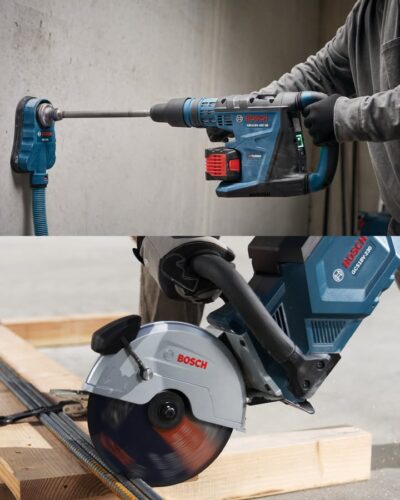
Credit: takechargeofyourbattery.com
Proper Charging Techniques
Maintaining power tool batteries helps extend their life and performance. Proper charging is key to keeping batteries healthy.
Following the right methods prevents damage and ensures your tools work when needed.
Using The Correct Charger
Always use the charger made for your battery type. Using the wrong charger can harm the battery or cause poor charging.
- Check the battery label for charger compatibility
- Use chargers from the tool or battery manufacturer
- Avoid cheap or unbranded chargers
- Do not force a charger that does not fit your battery
Avoiding Overcharging
Leaving batteries on the charger too long can reduce their capacity. Overcharging causes heat and battery wear.
| Overcharging Effect | Impact on Battery |
| Heat Build-Up | Reduces battery life span |
| Swelling | Damages battery cells |
| Capacity Loss | Shorter run time per charge |
Unplug the charger once the battery reaches full charge. Use smart chargers with auto shut-off features if possible.
Charging Temperature Tips
Charge batteries in a cool, dry place. Charging in extreme temperatures can harm battery performance.
- Avoid charging below 40°F (4°C) or above 104°F (40°C)
- Do not charge in direct sunlight or near heaters
- Store batteries at room temperature before charging
- Let batteries cool down after heavy use before charging
Storage Best Practices
Keeping power tool batteries in good shape needs careful storage. Proper storage helps batteries last longer.
Bad storage can cause damage and reduce battery life. Follow simple tips to store batteries right.
Ideal Storage Conditions
Store batteries in a cool, dry place away from moisture. Humidity can cause rust and damage battery parts.
Keep batteries in a place with good air flow. Avoid storing them near dust or dirt.
- Temperature around 50°F to 77°F (10°C to 25°C)
- Low humidity, less than 50%
- Clean and dry environment
- Avoid direct sunlight
Storing For Long Periods
If you do not use batteries for a long time, remove them from the tool. This stops slow battery drain.
Charge batteries to about 40% to 60% before storage. Full or empty batteries can lose capacity over time.
- Charge battery to mid-level before storage
- Remove battery from the tool
- Check battery charge every few months
- Recharge if charge drops below 20%
Avoiding Extreme Temperatures
Do not store batteries in very hot or very cold places. Extreme heat or cold harms battery cells.
Heat speeds up battery wear. Cold can reduce battery power and cause damage when charging.
- Do not store batteries in direct sunlight or near heaters
- Avoid freezing temperatures below 32°F (0°C)
- Keep batteries indoors during winter
- Store away from car dashboards or garages with temperature swings
Usage Habits To Protect Batteries
Power tool batteries need care to last longer. Using them right keeps them healthy.
Simple habits help avoid damage and keep your tools ready to use.
Avoiding Complete Drainage
Letting batteries drain fully can shorten their life. Stop using the tool when power is low.
- Charge batteries before they are empty
- Keep spare batteries charged and ready
- Store batteries with some charge, not fully empty
Regular Use Benefits
Using your power tools often helps batteries stay active. Long breaks can harm battery health.
| Use Frequency | Battery Health Effect |
| Daily to Weekly | Good, keeps battery active |
| Monthly or less | Risk of battery losing charge |
| Long storage | May cause battery damage |
Balancing Load And Rest
Giving batteries rest after heavy use stops overheating. This keeps them working longer.
- Use the tool in short bursts, not long continuous runs
- Let the battery cool down before charging
- Avoid using the battery in very hot or cold places
Cleaning And Maintenance
Power tool batteries need care to last longer. Cleaning and maintenance keep them working well.
Regular checks help avoid problems and keep your tools ready for use.
Cleaning Battery Contacts
Dirty battery contacts can stop power flow. Clean them gently with a soft cloth or a cotton swab.
If needed, use a small amount of rubbing alcohol. Let contacts dry before using the battery again.
Inspecting For Damage
Look for cracks, swelling, or leaks on the battery case. Damage can cause poor performance or safety risks.
- Check the battery shell for cracks or dents.
- Look for any signs of leaking fluid.
- Ensure the battery fits properly in the tool.
- Test the battery charge level regularly.
Preventing Corrosion
| Corrosion Sign | Cause | Prevention |
|---|---|---|
| White or green powder | Battery acid leak | Clean contacts and store dry |
| Rusty metal parts | Moisture exposure | Keep batteries in a dry place |
| Loose connections | Dirt buildup | Regular cleaning of contacts |
Keep batteries dry and clean. Store them in a cool, dry spot to stop corrosion.
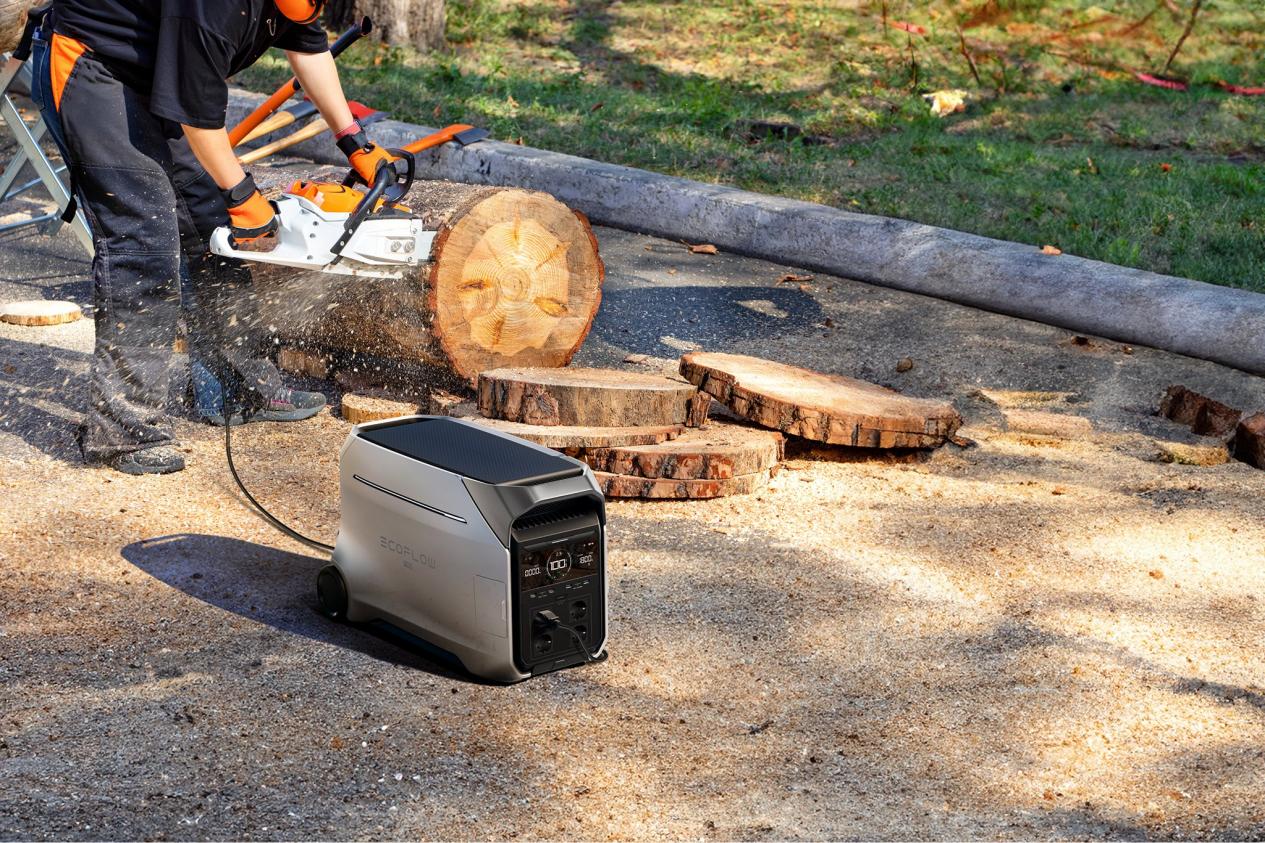
Credit: www.ecoflow.com
Signs Of Battery Wear
Power tool batteries lose strength over time. You can spot signs of battery wear early. This helps avoid work interruptions and tool damage.
Watch for changes in how your battery performs. These signs tell you when it needs care or replacement.
Reduced Runtime
A worn battery holds less charge. It powers your tool for a shorter time than before. This is one of the first signs of battery wear.
- Battery drains quickly during use
- Tool stops working sooner than usual
- Battery indicator drops fast
- Frequent need to recharge
Unusual Heating
Batteries get warm during use and charging. But if they feel very hot, this may mean damage inside. Overheating can reduce battery life or cause failure.
| Temperature Level | Meaning |
| Normal (Warm) | Battery working correctly |
| High Heat | Possible damage or wear |
| Very Hot | Risk of failure or safety hazard |
Charging Issues
Batteries showing wear may not charge well. They can take too long or stop charging early. This means the battery cannot reach full power.
Signs of charging problems include:
- Charger light blinks or changes color
- Battery disconnects during charging
- Battery feels hot or swollen after charging
- Charger shows error messages
When To Replace Batteries
Power tool batteries wear out over time. Knowing when to replace them saves you time and money.
Old batteries hold less charge and may cause your tools to stop working suddenly.
Evaluating Battery Performance
Check if the battery runs out quickly. This is a sign it might need replacing.
If the tool works slower or stops often, the battery could be weak or damaged.
- Notice shorter run times than usual
- Look for swelling or leaks on the battery
- Test with a charger to see if it holds power
- Check for unusual heat during use or charging
Safe Disposal Methods
Do not throw old batteries in the trash. They contain harmful chemicals.
Recycle batteries at a special collection center to protect the environment.
- Find local battery recycling points
- Store old batteries in a cool, dry place before recycling
- Do not burn or break batteries
- Follow local rules for battery disposal
Frequently Asked Questions
How Often Should I Charge Power Tool Batteries?
Charge power tool batteries after every use or when power is low. Avoid letting them fully discharge to extend battery life and maintain performance.
What Is The Best Way To Store Power Tool Batteries?
Store batteries in a cool, dry place away from direct sunlight. Keep them partially charged, around 40-60%, for optimal long-term storage.
Can I Use Any Charger For My Power Tool Battery?
Always use the charger designed for your specific battery type. Using the wrong charger can damage the battery and reduce its lifespan.
How Do Temperature Extremes Affect Battery Life?
Extreme heat or cold can damage batteries and reduce their capacity. Keep batteries within recommended temperature ranges to ensure peak performance and longevity.
Conclusion
Taking care of your power tool batteries saves time and money. Charge them fully before storing. Keep batteries in a cool, dry place. Avoid letting them drain completely. Clean battery contacts regularly for better connection. Use the right charger for each battery type.
Small steps make a big difference in battery life. Your tools will stay ready for every job. Simple habits keep batteries working longer and stronger. Start these tips today to protect your investment.