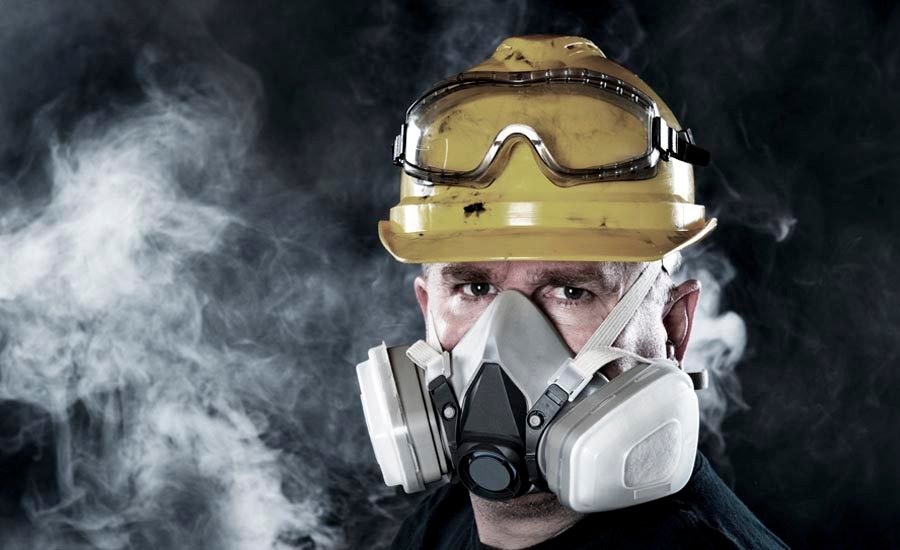
You rely on your respirator to keep you safe in tough environments. But are you sure you’re taking the right steps to maintain it?
A poorly cared-for respirator can fail when you need it most. You’ll discover simple yet powerful tips that make your respirator last longer and work better every time. Keep reading to protect yourself and get the most out of your safety gear.

Credit: www.esafetysupplies.com
Choosing The Right Respirator
Choosing the right respirator is important for safety. It protects you from harmful dust, chemicals, and gases.
Pick a respirator that fits your needs well. The right choice keeps you safe and comfortable.
Types Of Respirators
There are many types of respirators. Each type protects against different dangers.
- Disposable respirators: Light and used once
- Half-mask respirators: Cover nose and mouth
- Full-face respirators: Cover whole face
- Powered air-purifying respirators: Use a fan to pull air
- Supplied-air respirators: Provide clean air from a tank
Choose the type that fits your work and environment.
Fit And Comfort Considerations
A good fit is key for protection. A respirator that leaks can let harmful particles in.
Comfort is important for long use. An uncomfortable respirator may cause you to adjust it often.
- Check for a tight seal around your nose and mouth
- Make sure straps are adjustable and not too tight
- Try different sizes to find the best fit
- Look for lightweight materials
- Ensure the respirator does not block your vision

Credit: www.safetyandhealthmagazine.com
Daily Cleaning Practices
Maintaining respirators is essential for safety and comfort. Daily cleaning keeps them working well and free from dirt.
Cleaning your respirator every day helps protect your health. Follow simple steps to keep it clean and safe.
Disassembling Components
Before cleaning, take apart all removable parts of the respirator. Remove filters, valves, and straps carefully.
Disassembling helps clean all areas properly. Check your respirator manual for parts that can be taken off.
Proper Cleaning Solutions
Use mild soap and warm water to clean the respirator parts. Avoid harsh chemicals that may damage materials.
- Mix a small amount of mild detergent with warm water.
- Use a soft cloth or brush to scrub parts gently.
- Rinse thoroughly with clean water to remove soap.
- Do not soak filters or replaceable cartridges.
- Check for any damage during cleaning and replace parts if needed.
Drying Techniques
Dry all parts completely before reassembling. Moisture can affect performance and cause mold growth.
| Drying Method | Details |
|---|---|
| Air Dry | Place parts on a clean, dry towel in a well-ventilated area. |
| Do Not Use Heat | Avoid direct sunlight and heat sources like dryers or heaters. |
| Check Before Use | Ensure all parts are dry and intact before putting the respirator back together. |
Storage Tips
Proper storage keeps respirators safe and ready to use. It prevents damage and contamination.
Follow simple rules to store your respirator correctly. This helps extend its life and ensures safety.
Avoiding Contamination
Keep respirators away from dust, dirt, and chemicals. These can damage filters and reduce protection.
- Store respirators in clean, dry places
- Use sealed bags or containers to protect from dust
- Do not share respirators to avoid cross-contamination
- Keep respirators separate from shoes and dirty clothing
- Clean respirators before storage to remove germs
Ideal Storage Conditions
Store respirators where temperature and humidity are controlled. Extreme heat or moisture can damage parts.
| Condition | Ideal Range | Reason |
|---|---|---|
| Temperature | 15°C to 25°C (59°F to 77°F) | Prevents material degradation |
| Humidity | 30% to 50% | Avoids mold and corrosion |
| Light Exposure | Low to none | Protects from UV damage |
| Storage Space | Clean, dry, ventilated | Keeps respirator free from dust and moisture |

Credit: bulletproofzone.com
Inspection And Maintenance
Respirators protect you from harmful particles. Regular checks keep them working well.
Proper maintenance extends the life of your respirator. It ensures your safety every time.
Checking For Wear And Tear
Look closely at all parts of the respirator. Check for cracks, tears, or loose parts.
- Inspect the facepiece for damage or dirt.
- Check straps for stretching or breaks.
- Examine valves to ensure they open and close properly.
- Look for cracks or holes in the filter housing.
- Make sure the nose clip bends and stays in place.
Replacing Filters And Parts
Replace filters and parts when worn or after a set time. Use only parts made for your model.
| Part | When to Replace | Tip |
| Filters | After exposure or every 30 days | Follow manufacturer guidelines |
| Straps | If stretched or broken | Keep spare straps handy |
| Valves | If cracked or sticky | Clean regularly to extend life |
| Facepiece | When damaged | Check seal before each use |
Usage Best Practices
Using respirators correctly keeps you safe from harmful particles. It is important to follow simple steps each time you wear one.
Proper use also extends the life of the respirator and ensures it works well. Below are some key tips to help you maintain good habits.
Ensuring Proper Fit Each Time
Check the fit of your respirator every time before use. A secure fit stops air leaks and protects your lungs.
- Place the respirator on your face and adjust the straps.
- Cover your nose, mouth, and chin fully.
- Perform a seal check by breathing in and out sharply.
- If air leaks, tighten or reposition the respirator.
- Do not wear facial hair that breaks the seal.
Avoiding Common Mistakes
Many users make errors that reduce respirator effectiveness. Avoid these common mistakes to stay safe.
| Mistake | How to Avoid |
| Wearing respirator too loose | Always adjust straps for a snug fit |
| Using damaged or dirty respirators | Inspect and clean before each use |
| Reusing disposable respirators | Follow manufacturer guidelines for reuse |
| Not performing seal checks | Check seal every time before entering hazardous area |
| Touching respirator surface | Avoid touching front to prevent contamination |
Record Keeping And Compliance
Maintaining respirators is important for safety and health. Keeping good records helps track work and meet rules.
Compliance with safety laws protects workers and avoids fines. Proper records show that respirators are cared for well.
Tracking Maintenance Schedules
Track when each respirator needs cleaning and inspection. Use logs to note dates and actions taken.
Set reminders for regular checks. This helps prevent broken or unsafe equipment from being used.
- Record the date of last cleaning
- Note any repairs or part replacements
- Schedule next inspection date
- Keep logs easy to read and store
Meeting Safety Standards
Follow rules set by safety organizations. These standards ensure respirators work properly to protect users.
Keep documents showing compliance. This includes maintenance records and training certificates.
- Check respirators meet required certifications
- Maintain records of inspections and repairs
- Train users on proper respirator use
- Review compliance regularly to stay updated
Frequently Asked Questions
How Often Should Respirators Be Cleaned?
Respirators should be cleaned after each use to ensure hygiene and effectiveness. Regular cleaning prevents contamination and extends the lifespan of the device. Use mild soap and warm water, then air dry completely before storing.
What Is The Best Way To Store Respirators?
Store respirators in a clean, dry, and sealed container. Avoid exposure to sunlight and extreme temperatures. Proper storage helps maintain the respirator’s shape and filter efficiency, ensuring optimal protection when reused.
How Can I Check If My Respirator Is Working Properly?
Inspect the respirator for cracks, tears, or worn parts before each use. Perform a fit check by sealing the mask and inhaling to ensure no air leaks. Replace filters as recommended by the manufacturer.
Why Is Regular Filter Replacement Important?
Filters trap harmful particles and lose effectiveness over time. Regular replacement ensures maximum protection against contaminants. Follow manufacturer guidelines on filter life based on usage and environmental conditions.
Conclusion
Maintaining your respirator keeps it working well and safe. Clean it after each use and check parts often. Replace filters as needed to protect your lungs. Store it in a dry, clean place to avoid damage. Regular care helps your respirator last longer and work better.
Stay safe by following these simple steps every day. Good habits make a big difference in your health. Keep your respirator ready for any job ahead.