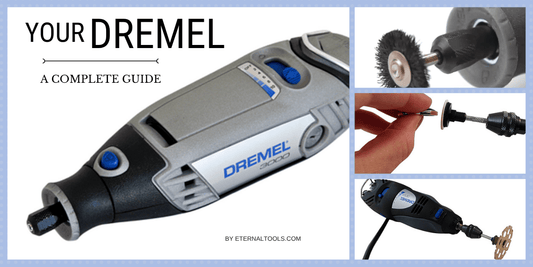
If you’re a DIY enthusiast or a professional craftsman, your rotary tool is likely one of your prized possessions. It’s versatile, efficient, and can handle a myriad of tasks.
But to keep it running smoothly, maintaining your rotary tool attachments is crucial. You know that a well-maintained tool can make all the difference in your projects, ensuring precision and saving you from unnecessary headaches. Imagine the satisfaction of completing your project flawlessly, without the frustration of dull or malfunctioning attachments.
Intrigued? Let’s dive into some essential tips to keep your rotary tool attachments in top-notch condition, ensuring every project you undertake is a success. Your future self will thank you for it!
Choosing The Right Attachments
Choosing the correct attachments for your rotary tool helps you work safely and effectively. Different attachments suit different tasks and materials.
Knowing which attachment to use saves time and protects your tool and workpiece from damage.
Material Compatibility
Attachments work best on certain materials. Using the wrong one can cause wear or breakage.
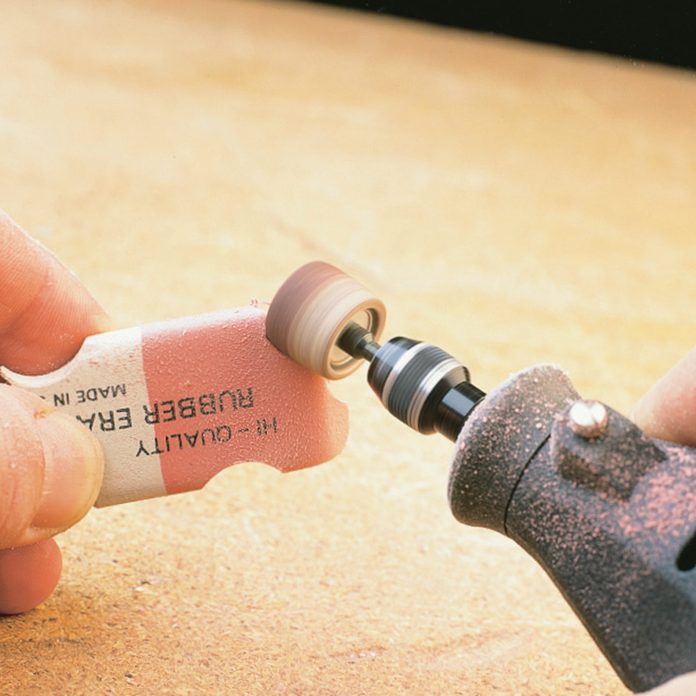
- Use sanding drums on wood and soft plastics only.
- Diamond bits are ideal for glass and hard stones.
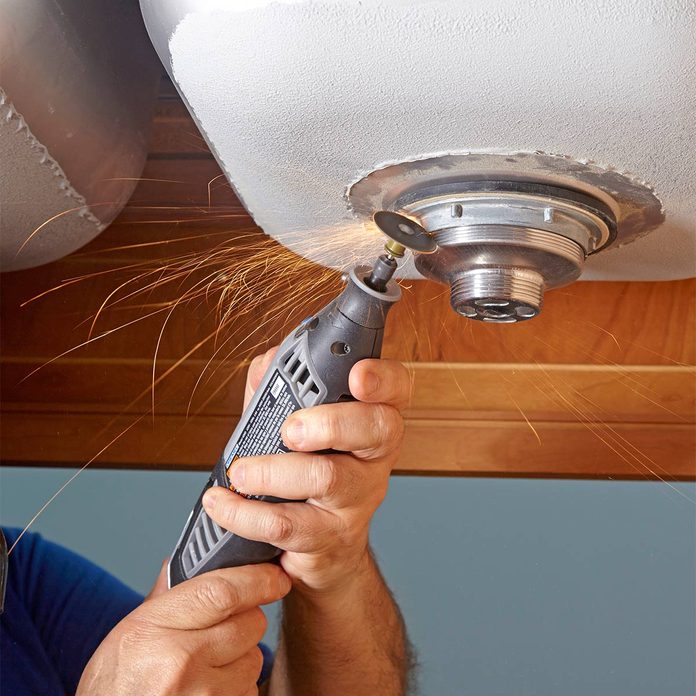
- Grinding wheels suit metal surfaces well.
- Polishing pads work best on metals and plastics.
- Cut-off wheels fit thin metal and plastic cutting tasks.
Attachment Types And Uses
Different attachment types serve specific jobs. Pick the right one for your project.
| Attachment Type | Use |
|---|---|
| Sanding Drum | Smoothing wood and plastic surfaces |
| Grinding Wheel | Sharpening and shaping metal |
| Cut-off Wheel | Cutting thin metal and plastic parts |
| Diamond Bit | Engraving and drilling glass or stone |
| Polishing Pad | Buffing metal and plastic to a shine |
Credit: www.familyhandyman.com
Cleaning Your Attachments
Keeping your rotary tool attachments clean helps them last longer. Dirt and residue can make them work poorly.
Regular cleaning keeps attachments safe to use and ready for your next project.
Removing Debris And Residue
After use, small pieces of material can stick to your attachments. Removing these bits prevents damage and keeps tools sharp.
- Use a soft brush to clear dust and particles
- Tap attachments gently to loosen stuck debris
- Use compressed air to blow away fine dust
- Check for hardened residue and scrape carefully
Safe Cleaning Solutions
Choosing the right cleaning liquids protects your attachments from corrosion and wear.
| Cleaning Solution | Use For | Notes |
| Warm Soapy Water | General cleaning | Rinse and dry well after |
| Isopropyl Alcohol | Grease and oil removal | Use in small amounts |
| WD-40 or Light Oil | Prevent rust | Wipe off excess oil |
| Vinegar Solution | Remove mineral deposits | Use diluted, rinse thoroughly |
Proper Storage Techniques
Keeping rotary tool attachments in good shape starts with proper storage. Good storage helps you find tools fast and keeps them safe.
Storing attachments the right way saves time and extends their life. You need a system that is neat and protects each piece.
Organizing For Accessibility
Organize your attachments so you can reach them easily. Group similar attachments together by type or size.
Use clear containers or labeled compartments to see what you have at a glance. This avoids searching and mixing parts.
- Sort bits by size or function
- Use small boxes or trays with labels
- Keep often-used attachments within reach
- Store less used parts in separate boxes
Protecting From Damage
Protect your attachments from damage by storing them safely. Avoid tossing them in drawers or tool bags where they can break.
Use padded cases or foam inserts to keep parts from bumping into each other. Keep attachments dry to stop rust and corrosion.
- Use cases with foam or dividers
- Keep attachments dry and away from moisture
- Avoid stacking heavy items on top
- Clean attachments before storing
Regular Inspection And Maintenance
Keeping your rotary tool attachments in good shape helps them work better. Regular checks stop problems before they start.
Simple care steps extend the life of your tools and keep your projects safe and smooth.
Checking For Wear And Tear
Look closely at attachments for cracks, chips, or loose parts. Check if any part spins unevenly or makes noise. These signs show wear and tear.
- Examine cutting edges for dullness or damage
- Check sanding drums for worn or torn surfaces
- Feel for wobbling or looseness in the attachment
- Inspect connecting shafts for bending or rust
- Listen for unusual sounds during operation
Replacing Worn Parts
Replace parts that show damage or heavy wear. Using worn parts can cause poor results or damage your rotary tool.
| Part | Signs to Replace | Replacement Tips |
| Cutting wheels | Cracks, chips, or uneven edges | Use the correct size and type for your tool |
| Sanding drums | Torn or smooth surfaces | Choose the right grit for your project |
| Collets and shafts | Bent, rusted, or loose fit | Match exact sizes for safe operation |
| Brushes | Worn bristles or poor contact | Replace with manufacturer recommended parts |
Lubrication And Care
Rotary tool attachments need regular care to work well. Proper lubrication helps them last longer.
Good maintenance prevents damage and keeps your tools running smoothly.
When To Lubricate
Lubricate attachments before use if they feel dry or stiff. After long use, check for heat or noise.
- Before first use on new attachments
- After every few hours of heavy use
- If attachments make unusual sounds
- When you notice increased friction
Choosing The Right Lubricant
Select lubricants made for small power tools. Avoid heavy oils that attract dust.
| Lubricant Type | Use | Notes |
| Light Machine Oil | General lubrication | Easy to apply, good for most parts |
| Grease | High friction parts | Lasts longer, but can attract dirt |
| Silicone Spray | Plastic parts | Safe for non-metal surfaces |
| Graphite Powder | Dry lubrication | Good for dusty environments |
Safe Usage Practices
Using rotary tool attachments safely helps them last longer. It also protects you from accidents. Follow simple rules to keep your tools working well.
Pay attention to how you handle the attachments. Proper care stops damage and overheating. This guide covers key tips for safe use.
Avoiding Overheating
Overheating can damage both the attachment and your rotary tool. Avoid pressing too hard or running the tool too long in one spot.
- Use light pressure to reduce heat buildup.
- Take breaks to let attachments cool down.
- Keep attachments clean from dust and debris.
- Choose the right attachment for the task.
- Check for signs of wear or damage before use.
Proper Speed Settings
Matching the speed to the attachment and material is important. Too fast or too slow can cause problems.
| Material | Recommended Speed (RPM) |
| Softwood | 10,000 – 15,000 |
| Metal | 20,000 – 25,000 |
| Plastic | 8,000 – 12,000 |
| Glass | 5,000 – 8,000 |
Troubleshooting Common Issues
Rotary tool attachments can face problems during use. Fixing these issues helps keep your tool working well.
This guide covers common problems and easy ways to solve them for better tool performance.
Attachment Slippage
Attachments may slip if they are not tight enough. This can reduce accuracy and slow work.
Check if the attachment is clean and dry before use. Dirt or oil can cause slipping.
- Tighten the collet or chuck firmly to hold attachments in place
- Clean the collet and attachment shafts regularly
- Replace worn or damaged collets to ensure a secure fit
- Use the correct size attachment for the collet
Unusual Noise Or Vibration
Noise or vibration can mean the attachment is not balanced or the tool has a problem.
Turn off the tool before checking the attachment. Look for cracks or damage that cause shaking.
- Make sure the attachment is installed straight and tight
- Clean the tool’s spindle and attachment areas
- Inspect attachments for wear or cracks and replace if needed
- Use attachments designed for your specific rotary tool model
Credit: www.familyhandyman.com
Credit: www.familyhandyman.com
Frequently Asked Questions
How Often Should I Clean Rotary Tool Attachments?
Clean attachments after every use to remove dust and debris. This prevents build-up that can reduce efficiency and lifespan. Use a soft brush or compressed air for best results. Regular cleaning ensures optimal performance and safer operation of your rotary tool.
What Is The Best Way To Store Rotary Tool Attachments?
Store attachments in a dry, organized case to avoid damage and rust. Keep them separated to prevent wear and tear. Proper storage extends the life of your attachments and makes it easier to find the right tool when needed.
How Do I Prevent Attachments From Overheating?
Avoid applying excessive pressure during use, which causes overheating. Take breaks to let attachments cool down, especially during prolonged tasks. Overheating can damage the attachment and reduce cutting or grinding efficiency.
When Should I Replace Rotary Tool Attachments?
Replace attachments when they become dull, cracked, or show signs of wear. Using worn attachments can damage your workpiece and the tool itself. Regular inspection helps maintain safety and ensures quality results.
Conclusion
Keeping rotary tool attachments clean and well-maintained saves time and money. Regular checks help spot wear and tear early. Use proper storage to avoid damage and rust. Always follow safety steps to protect yourself and your tools. Small efforts lead to longer tool life and better work results.
Simple habits make a big difference in performance and safety. Take care of your tools, and they will take care of your projects.
