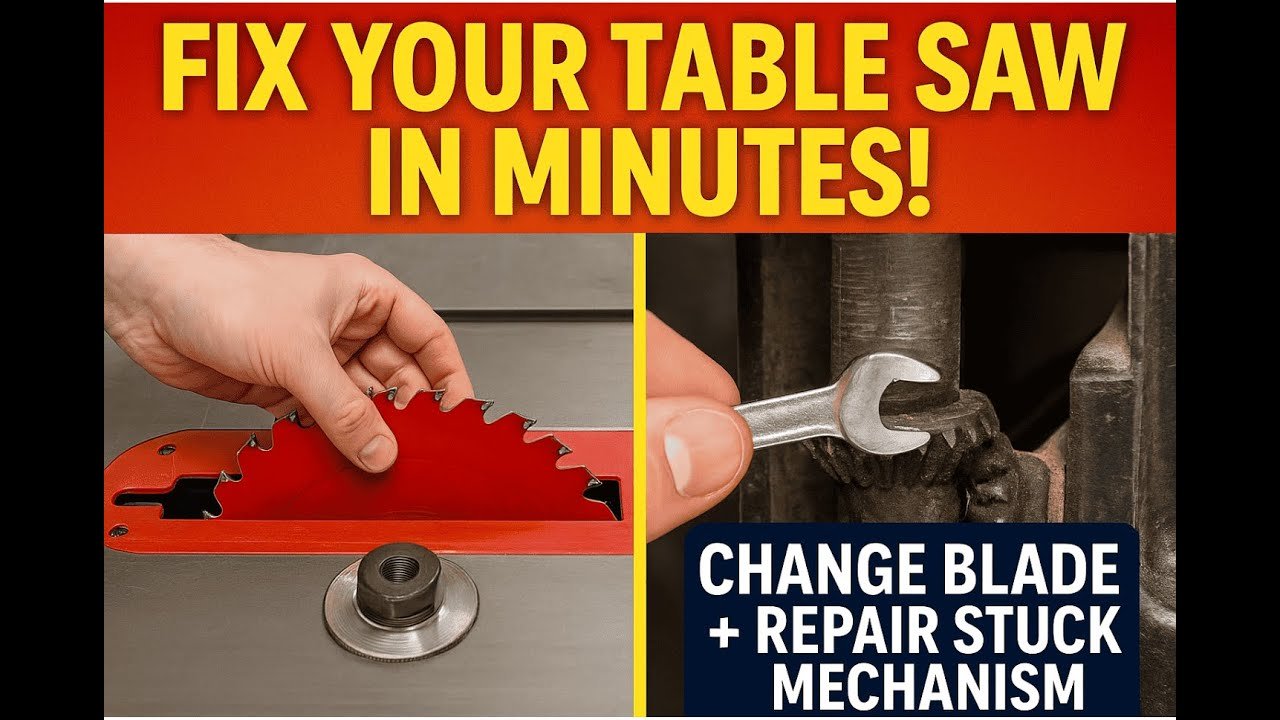
Are you tired of your table saw not cutting as smoothly as it used to? It’s frustrating when your projects don’t turn out as perfect as you envisioned.
The secret to maintaining that precision lies in how well you care for your table saw blades. Proper maintenance not only extends the life of your blades but also ensures your cuts are clean and accurate every time. Imagine the satisfaction of effortlessly slicing through wood, knowing your tools are in peak condition.
You’ll discover simple yet effective tips to keep your table saw blades in top shape. By the end, you’ll feel confident in your ability to maintain your tools and achieve the flawless results you’ve always wanted. Don’t let dull blades slow you down—read on to unlock the secrets of expert blade care!

Credit: www.youtube.com
Choosing The Right Blade
Selecting the right blade is key to keeping your table saw safe and efficient. The blade you pick affects the cut quality and blade life.
Knowing different blade types and materials helps you maintain the blade and get the best results for each job.
Blade Types And Uses
Different blades suit different materials and cuts. Using the right type helps avoid damage and keeps the blade sharp longer.
- Rip Blades:Have fewer teeth and cut along the wood grain.
- Crosscut Blades:Have many teeth to cut across the wood grain smoothly.
- Combination Blades:Work for both ripping and crosscutting, a good all-round choice.
- Specialty Blades:Designed for cutting materials like plywood, laminate, or metal.
Material And Tooth Count
Blade material and tooth count affect cutting speed and smoothness. Choose based on the material and finish you want.
| Blade Material | Tooth Count | Best For |
|---|---|---|
| High-Speed Steel (HSS) | 24–40 | General wood cutting; budget-friendly |
| Carbide-Tipped | 40–80 | Smoother cuts; longer blade life |
| Diamond-Tipped | 80+ | Cutting hard materials like tile or metal |

Credit: www.findbuytool.com
Regular Cleaning Techniques
Keeping your table saw blades clean helps them cut smoothly and last longer. Dirt and buildup can make blades dull and unsafe.
Regular cleaning removes sticky substances and prevents damage. This makes your work easier and your cuts more accurate.
Removing Resin And Pitch
Resin and pitch build up on blades during cutting. They stick to the metal and slow down the blade.
Use a soft brush and warm water with mild soap to scrub the blade. Avoid hard scrubbing to protect the teeth.
- Soak the blade in warm soapy water for 10 minutes
- Use a soft brush or cloth to remove resin and pitch
- Rinse with clean water and dry completely
Safe Cleaning Products
Choose cleaning products that do not damage the blade or your health. Avoid harsh chemicals that can cause rust.
Look for non-toxic, biodegradable cleaners made for saw blades or metals. Always follow the instructions on the label.
- Use mild dish soap or specialized blade cleaners
- Avoid bleach, ammonia, or acidic cleaners
- Wear gloves to protect your skin
- Work in a well-ventilated area
Proper Storage Methods
Keeping your table saw blades in good shape starts with proper storage. This helps prevent damage and keeps blades sharp longer.
Storing blades correctly protects them from rust and dulling caused by moisture and dust. Use simple methods to keep blades safe.
Avoiding Moisture And Rust
Moisture causes rust, which weakens blades and reduces cutting quality. Store blades in dry places away from dampness.
- Use silica gel packs to absorb moisture inside storage boxes.
- Keep blades in sealed plastic bags or containers.
- Store blades in a climate-controlled room if possible.
- Wipe blades with a light coat of oil before storing.
Blade Protection Options
Protect blades from damage by using covers or holders. These keep teeth safe and prevent accidents.
| Protection Type | Benefits | Notes |
|---|---|---|
| Plastic Blade Guards | Protect teeth from impact | Easy to remove and clean |
| Blade Cases | Full protection and organized storage | Good for long-term storage |
| Magnetic Holders | Keeps blades off surfaces | Prevents scratches and dulling |
| Foam Inserts | Cushions blades inside boxes | Prevents movement and knocks |
Credit: www.searspartsdirect.com
Sharpening Tips
Keeping your table saw blades sharp helps you cut wood smoothly and safely. Dull blades make your saw work harder and can cause accidents.
Sharpening your blades regularly saves money and improves your work. Here are some tips on when and how to sharpen your blades.
When To Sharpen
You should sharpen your table saw blades when you notice changes in cutting performance. If cuts are rough or the saw struggles, the blade is dull.
Other signs include burning wood, slower cutting, or increased noise. Regular checks help keep the blade in good shape.
- Rough or splintered cuts
- Burn marks on wood
- More effort needed to push wood
- Loud or unusual sounds from the saw
- Blade teeth look worn or chipped
Diy Vs Professional Sharpening
Sharpening blades yourself saves time and money. Use a blade sharpening kit or a diamond file for small touch-ups.
Professional sharpening is better for very dull or damaged blades. Experts use machines that give a precise and even edge.
- DIY Sharpening:Good for minor dullness and quick fixes.
- Professional Sharpening:Best for major sharpening or chipped teeth.
- DIY needs careful handling to avoid damage.
- Professional service may take a few days but lasts longer.
Inspecting For Damage
Table saw blades need regular checks to keep them safe and sharp. Damage can reduce cutting quality and cause accidents.
Look carefully at your blade before using the saw. Spotting problems early helps you fix or replace blades on time.
Identifying Blade Wear
Blade wear shows up as dull or chipped teeth. A worn blade cuts slower and leaves rough edges on wood.
Check the teeth for missing or uneven tips. Look for dark marks or burn spots on the blade surface.
- Dull teeth make cutting harder and uneven
- Chipped teeth cause rough cuts and tear-out
- Burn marks mean the blade is overheating
- Uneven teeth can cause vibrations
Handling Bent Or Chipped Blades
Bent blades wobble and create unsafe cuts. They need to be straightened or replaced quickly.
Chipped blades lose cutting power and can damage wood. Replace blades with large chips or many small chips.
- Never use a blade that wobbles during spinning
- Small chips may be sharpened out by a professional
- Replace blades with severe damage
- Handle blades carefully to avoid bending
Safe Blade Installation
Installing a table saw blade safely helps prevent accidents and ensures smooth cuts. You must handle the blade carefully and follow proper steps.
Focus on correct alignment, tightening, and safety checks. These steps keep the blade secure and working well.
Correct Alignment
Align the blade so it sits straight on the arbor. A misaligned blade can cause kickback or rough cuts.
- Turn off and unplug the saw before starting.
- Remove the blade guard to access the blade.
- Place the blade on the arbor carefully, making sure it fits flush.
- Check that the blade teeth face the right cutting direction.
- Use a square tool to verify the blade is parallel to the fence.
Tightening And Safety Checks
Tighten the arbor nut firmly to hold the blade in place. Loose blades can wobble or come off during use.
| Check | Action |
| Arbor nut tightness | Tighten with a wrench without overdoing it |
| Blade guard | Ensure it moves freely and covers the blade |
| Blade wobble | Spin the blade by hand to feel for looseness |
| Power off | Confirm saw is unplugged before finishing installation |
Optimizing Blade Performance
Keeping your table saw blades sharp and clean helps them cut better. Good blade care saves time and improves safety.
Using the right techniques and settings makes your blade last longer and work more efficiently.
Proper Cutting Techniques
Use smooth, steady pressure when cutting wood. Avoid forcing the blade into the material. Let the blade do the work.
- Keep your hands away from the blade path.
- Feed the wood straight and steady for clean cuts.
- Use a sharp blade to reduce tear-out and burning.
- Cut at the right speed to avoid blade overheating.
Adjusting Saw Settings
Setting your saw correctly helps the blade cut smoothly. Adjust the blade height and angle for each cut.
| Setting | Tip |
| Blade Height | Set blade height 1/8 inch above wood thickness |
| Blade Angle | Adjust angle for beveled cuts as needed |
| Fence Alignment | Keep fence parallel to blade for straight cuts |
| Speed Control | Use slower speed for hard or thick materials |
Frequently Asked Questions
How Often Should I Clean My Table Saw Blades?
Clean your table saw blades after every few uses or when you notice pitch buildup. Regular cleaning ensures smooth cuts and extends blade life. Use a soft brush and mild solvent to remove resin and debris safely.
What Is The Best Way To Sharpen Table Saw Blades?
Use a professional sharpening service or a diamond blade sharpener for best results. Proper sharpening maintains blade sharpness, improves cutting performance, and prevents damage to the teeth.
How Do I Prevent Rust On Table Saw Blades?
Keep blades dry and store them in a protective case or sleeve. Apply a thin coat of rust inhibitor or light oil before storing to prevent corrosion and extend blade lifespan.
When Should I Replace My Table Saw Blades?
Replace blades when you notice dullness, chipping, or burning marks on wood. A worn blade reduces cutting quality and increases safety risks during operation.
Conclusion
Keeping your table saw blades clean and sharp saves time and money. Regular checks help spot dull or damaged blades early. Using the right cleaning tools keeps blades cutting smoothly. Proper storage prevents rust and warping. Sharpen blades as needed to maintain performance.
Safe handling protects you and your tools. Small efforts extend blade life and improve cutting quality. Stick to these tips for safer and better woodworking results. Simple care makes a big difference.