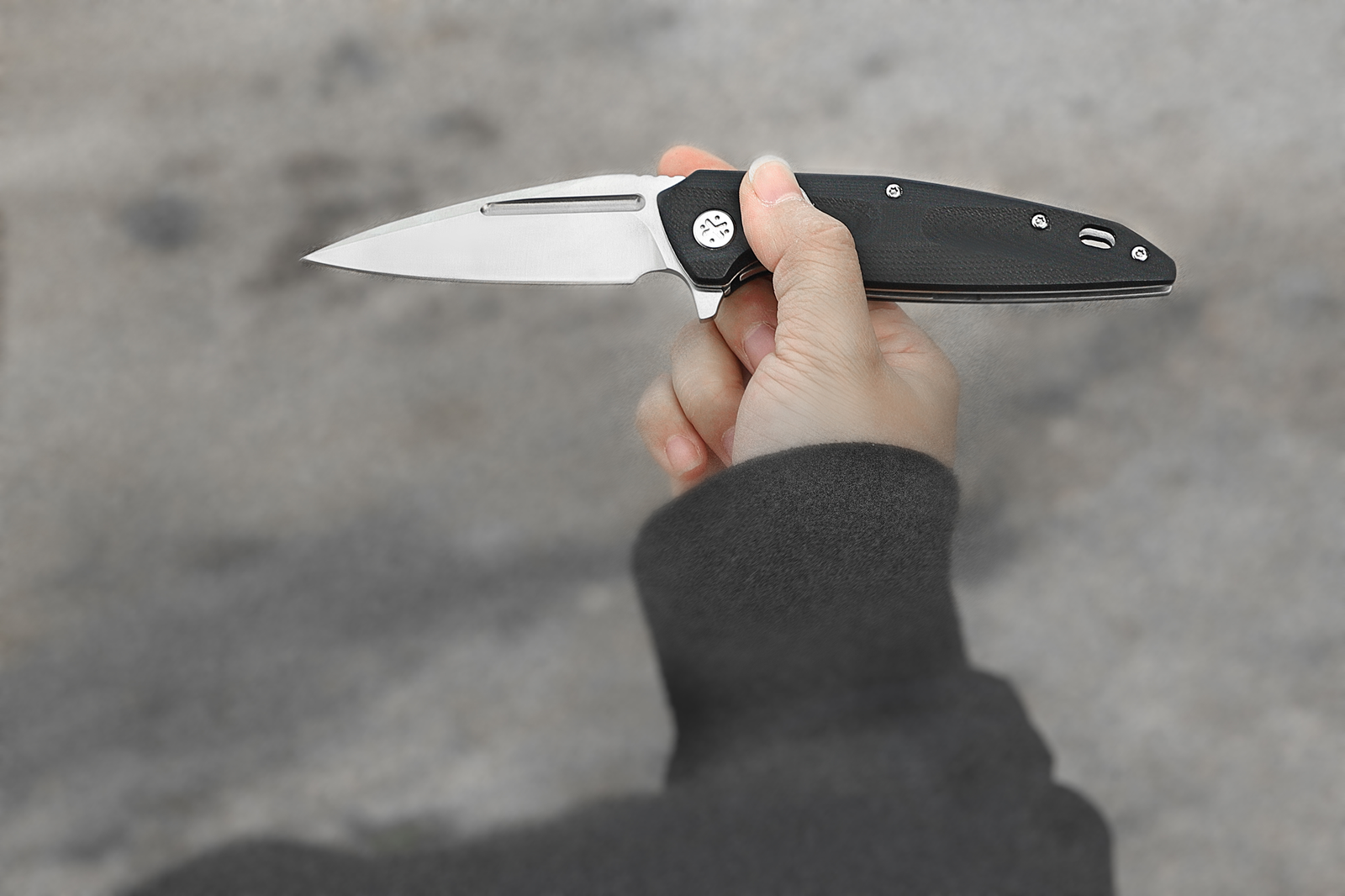
Utility knives are tools you rely on every day. Whether you use them for cutting boxes, crafting, or simple repairs, keeping your knife in top shape is key.
If your blade gets dull or your handle feels loose, your work slows down—and accidents can happen. But don’t worry. With a few simple tips, you can make your utility knife last longer, stay sharper, and work better every time you reach for it.
Ready to learn how to take care of your knife like a pro? Keep reading—your hands and projects will thank you.
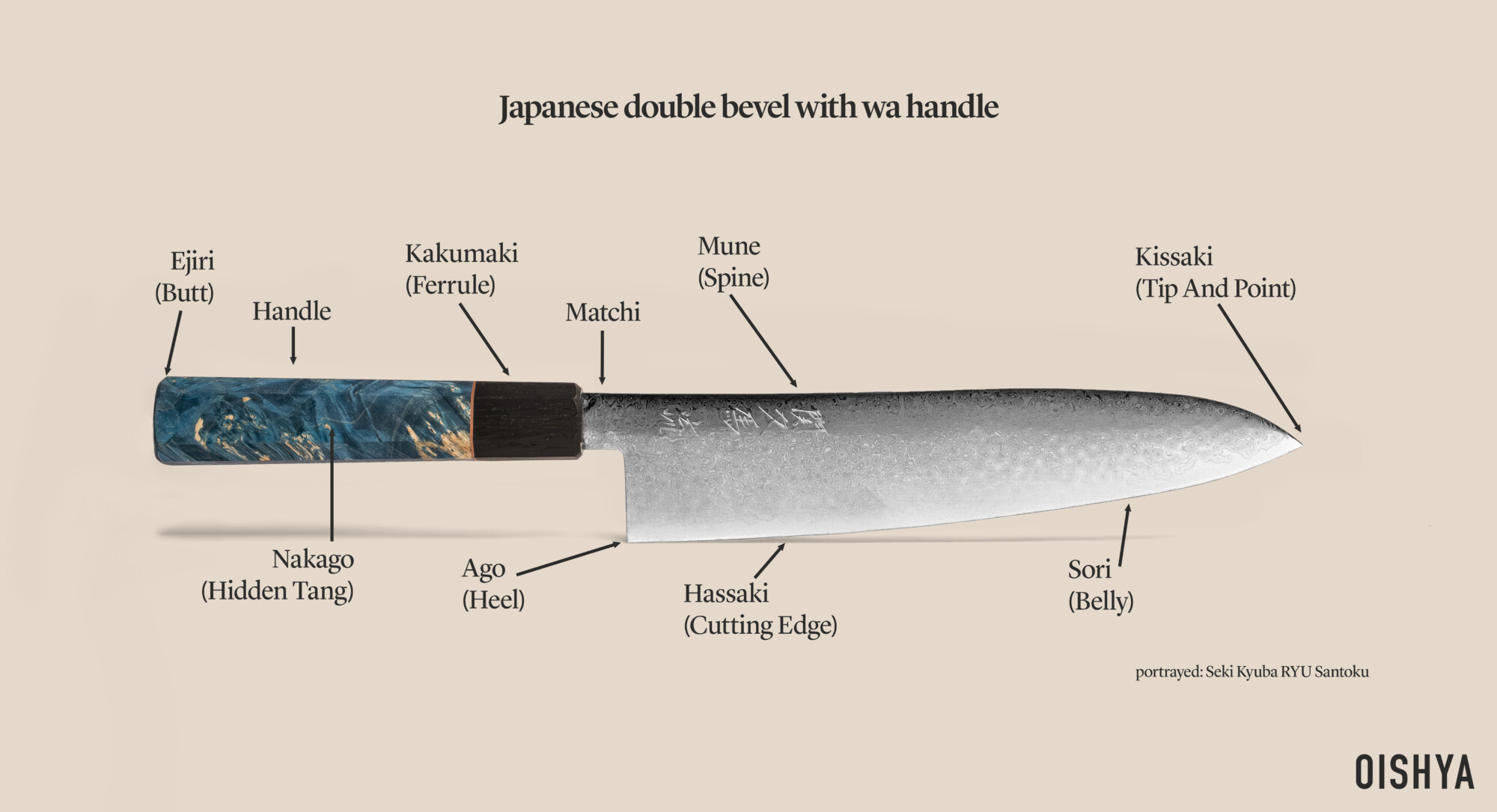
Credit: oishya.com
Choosing The Right Utility Knife
Utility knives are useful tools for many tasks around the home or workplace. Picking the right one helps you work safely and efficiently.
Knowing the types of utility knives and the quality of their blades makes choosing easier. This guide will explain these points clearly.
Types Of Utility Knives
Utility knives come in different styles. Each type suits certain jobs better than others.
- Retractable Utility Knives:The blade slides in and out for safety.
- Fixed Blade Utility Knives:The blade is always exposed for quick use.
- Folding Utility Knives:The blade folds into the handle for easy carrying.
- Snap-Off Blade Knives:The blade has segments that break off to reveal a fresh edge.
Blade Materials And Quality
The blade material affects sharpness, durability, and rust resistance. Choose a blade that fits your needs.
| Material | Benefits | Drawbacks |
| Stainless Steel | Rust resistant, low maintenance | Can dull faster |
| High Carbon Steel | Very sharp, holds edge longer | Prone to rust without care |
| Titanium Coated | Extra durability, rust resistant | Usually more expensive |
| Ceramic | Extremely sharp, no rust | Brittle and can chip easily |

Credit: insights.made-in-china.com
Cleaning And Drying Techniques
Keeping your utility knives clean and dry helps them last longer. Dirt and moisture can damage the blade and handle.
Proper cleaning and drying stop problems like rust and dull edges. This guide shows easy ways to care for your knives.
Safe Cleaning Methods
Use mild soap and warm water to clean your utility knife. Avoid harsh chemicals that can harm the blade.
- Disassemble the knife if possible to clean all parts.
- Use a soft cloth or sponge to wipe the blade and handle.
- Rinse thoroughly to remove soap residue.
- Never soak the knife in water for a long time.
- Dry the knife immediately after washing.
Preventing Rust And Corrosion
Rust weakens utility knives and makes them unsafe. Keep your knife dry and apply oil to protect the metal.
| Action | Why It Helps |
| Wipe blade dry after washing | Stops water from causing rust |
| Store knife in a dry place | Prevents moisture buildup |
| Apply light machine oil | Forms a barrier against corrosion |
| Check blade regularly | Find rust spots early for cleaning |
Sharpening And Honing Blades
Keeping utility knives sharp is important for safety and efficiency. Dull blades can slip and cause accidents.
Sharpening and honing help maintain the blade’s edge. Sharpening fixes dull edges, while honing smooths them.
Tools For Sharpening
Several tools can sharpen utility knives. Each tool works well in different situations and skill levels.
- Sharpening stones: Use water or oil stones for a sharp edge.
- Pull-through sharpeners: Easy to use, good for quick sharpening.
- Electric sharpeners: Fast and consistent, but more expensive.
- Honing rods: Not for sharpening, but good for blade maintenance.
When To Sharpen Your Knife
Sharpen your utility knife when it feels dull or cuts poorly. A sharp knife cuts cleanly and needs less force.
Check the blade edge often. Sharpen before the blade gets very dull to keep it safe and effective.
Proper Storage Solutions
Keeping utility knives stored properly helps keep them sharp and safe. Good storage stops damage and accidents.
Use the right storage tools and organize knives carefully. This makes them easy to find and protects the blades.
Protective Sheaths And Cases
Protective sheaths cover the blade to avoid cuts and damage. They keep knives safe when not in use.
Hard cases offer extra protection and keep knives clean. They are good for storing many knives together.
- Use sheaths made of durable plastic or leather
- Choose hard cases with secure locks or snaps
- Keep sheaths and cases dry to avoid rust
- Replace damaged sheaths to protect blades well
Organizing Utility Knives Safely
Store knives in a dedicated drawer or toolbox to keep them organized. Avoid piling knives together.
Label storage spots to find knives quickly. Place knives with blades facing down or covered.
- Use drawer dividers to separate knives
- Store knives upright in a rack with blade guards
- Keep knives out of reach of children
- Regularly check stored knives for rust or damage
Regular Inspection And Maintenance
Utility knives need regular care to work well and last longer. Checking and fixing small issues stops bigger problems.
Simple maintenance keeps the knife safe and sharp. It also helps you finish tasks faster and easier.
Checking For Damage
Look at your utility knife often to find any damage. Check the blade, handle, and locking mechanism carefully.
Damaged parts can cause accidents or make the knife hard to use. Find cracks, rust, or loose parts early.
- Examine blade edges for chips or bends
- Inspect handle for cracks or breaks
- Test the blade lock to ensure it holds tight
- Look for rust or dirt on metal parts
Replacing Blades Safely
Change blades carefully to avoid cuts. Always use the knife’s built-in blade release if it has one.
Wear gloves and follow instructions to remove the old blade. Insert the new blade fully and lock it in place.
- Wear cut-resistant gloves before handling blades
- Use blade release tools if available
- Dispose of old blades in a safe container
- Check blade is secure before use
Handling And Usage Tips
Utility knives are useful tools for many tasks. Proper handling keeps you safe and extends the knife’s life.
Using a utility knife the right way helps you cut cleanly and avoid injuries. Follow these tips for best results.
Safe Cutting Practices
Always cut away from your body to prevent accidents. Keep your fingers clear of the blade path.
Use a stable surface for cutting. This helps keep the material steady and reduces slips.
- Hold the knife firmly but not too tight
- Use slow, steady motions
- Replace dull blades quickly
- Wear cut-resistant gloves if needed
Avoiding Common Mistakes
Do not use the knife for prying or twisting. This can break the blade or cause injury.
Avoid cutting on hard surfaces like metal or stone. These surfaces dull the blade faster.
- Never leave the blade exposed when not in use
- Do not apply too much pressure
- Keep the knife clean and dry
- Store the knife safely out of reach of children

Credit: insights.made-in-china.com
Frequently Asked Questions
How Often Should I Sharpen My Utility Knife?
Sharpen your utility knife every few weeks for optimal performance. Regular sharpening ensures clean cuts and extends the blade’s lifespan. Depending on usage, adjust the frequency to match your specific needs. Always use a proper sharpening tool for best results.
What Is The Best Way To Clean Utility Knives?
Clean your utility knife with warm, soapy water after each use. Dry it thoroughly to prevent rust. Avoid using abrasive materials that can scratch the blade. Regular cleaning keeps the knife in top condition and ensures safety during use.
Can I Use Oil On My Utility Knife?
Yes, applying a light coat of oil prevents rust and enhances performance. Use food-grade mineral oil for best results. Oil the knife after cleaning and drying it thoroughly. Regular maintenance with oil keeps the blade smooth and extends its lifespan.
How Do I Safely Store Utility Knives?
Store utility knives in a sheath or a dedicated knife block. This prevents accidental cuts and protects the blade. Avoid storing knives loose in a drawer, as this can dull the blade and pose a safety risk. Proper storage extends the knife’s lifespan.
Conclusion
Maintaining your utility knives keeps them sharp and safe. Clean blades after each use to avoid rust. Store knives properly to protect edges and hands. Regularly check and tighten screws for steady handling. Sharpen blades carefully to keep cutting smooth.
Simple care extends your knife’s life greatly. Small steps make a big difference over time. Keep these tips in mind for best results. Your knives will work well and last longer. Easy habits lead to safe and effective cutting tools.