Are you diving into a project that involves marking metal sheets? Whether you’re a seasoned professional or a curious DIY enthusiast, mastering the art of marking metal is crucial for success.
Imagine the satisfaction of precise cuts and flawless finishes, all starting with the perfect mark. But how do you ensure accuracy and avoid costly mistakes? In this blog post, you’ll discover essential tips that will transform your approach to marking metal sheets.
These insights are designed to simplify your process, boost your confidence, and elevate your craftsmanship. Ready to unlock the secrets of precision marking? Let’s get started!

Credit: www.amazon.com
Choosing The Right Tools
Marking metal sheets clearly is important for accurate work. Using the right tools helps you make clean and precise marks.
Different tools suit different metals and tasks. Picking the correct tool saves time and improves results.
Types Of Marking Instruments
There are many tools for marking metal sheets. Choose tools based on how clear and permanent the mark should be.
- Permanent markers: Good for quick, visible marks on most metals.
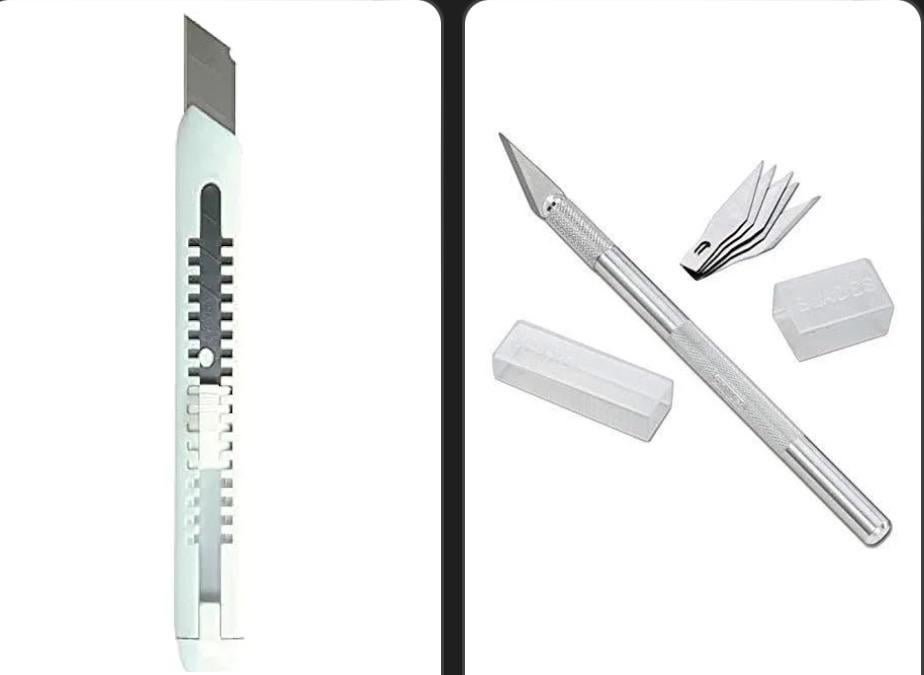
- Scribing tools: Use a sharp point to scratch fine lines on metal.
- Chalk or wax pencils: Temporary marks that are easy to remove.
- Metal stamps: Create deep, permanent impressions for identification.
- Engraving pens: For detailed and precise markings.
Selecting Based On Metal Type
Different metals need different marking tools. Choose tools that match the metal’s hardness and surface.
| Metal Type | Best Marking Tools | Notes |
|---|---|---|
| Steel | Scribing tools, metal stamps | Hard surface needs sharp or strong tools |
| Aluminum | Permanent markers, scribing tools | Softer metal, easy to mark with pens |
| Copper | Wax pencils, permanent markers | Smooth surface, marks may fade if not permanent |
| Stainless Steel | Metal stamps, engraving pens | Very hard surface, needs strong tools |
| Brass | Scribing tools, permanent markers | Medium hardness, versatile marking options |

Credit: www.amazon.com
Preparing The Metal Surface
Preparing the metal surface is important for clear and accurate marking. A clean and smooth surface helps marks last longer and stay visible.
Taking time to prepare the metal improves the quality of your work. It also makes the marking process easier and more precise.
Cleaning And Smoothing
Start by removing dirt, oil, and rust from the metal sheet. Use a clean cloth and a suitable cleaner for this step.
After cleaning, smooth the surface with fine sandpaper. This helps remove small bumps that can affect marking accuracy.
- Wipe metal with a degreaser or soap and water
- Dry the surface completely
- Sand lightly with 220-400 grit sandpaper
- Remove sanding dust using a clean cloth
Applying Contrast For Visibility
Adding contrast makes your marks easier to see on metal sheets. This step is useful especially on shiny or reflective surfaces.
Use a marker or paint that stands out against the metal color. This helps keep your lines clear during cutting or shaping.
- Use a permanent marker with dark ink
- Apply layout fluid or special marking paint
- Allow paint or ink to dry before marking
- Check visibility under good lighting
Marking Techniques For Accuracy
Marking metal sheets accurately is vital for clean cuts and proper fit. Using the right tools and methods helps avoid mistakes.
Different techniques suit various projects. Choose the best way to mark your metal for clear, precise lines.
Using Scribes And Punches
Scribes create fine, visible lines on metal surfaces. Punches mark exact points for drilling or cutting.
- Hold the scribe at a low angle to avoid deep scratches.
- Use a center punch to make small dents where holes are needed.
- Tap the punch lightly with a hammer for clean marks.
- Always wear safety glasses to protect your eyes.
Employing Templates And Stencils
Templates and stencils help repeat shapes and patterns with precision. They reduce errors and save time.
| Tool | Use | Benefit |
| Metal Template | Trace outlines | Consistent shapes |
| Plastic Stencil | Mark holes or patterns | Quick and easy marking |
| Paper Template | Check dimensions | Adjust before cutting |

Credit: www.amazon.com
Measuring And Layout Tips
Marking metal sheets accurately needs good measuring and planning. Clear marks help make clean cuts and precise bends.
Use the right tools and methods to keep your measurements exact. This saves time and avoids mistakes.
Using Calipers And Rulers
Calipers give very exact measurements. They measure thickness, width, and depth with small errors.
Rulers help mark straight lines on metal sheets. Use a metal ruler for durability and accuracy.
- Clean the tools before use to avoid wrong readings
- Hold the caliper firmly for stable measuring
- Align the ruler’s edge with the sheet edge for straight lines
- Double-check measurements before marking
Ensuring Consistent Measurements
Keep your measuring method the same for all marks. This avoids confusion and errors.
Mark reference points on the sheet to check your layout. Use a center punch for clear, small marks.
- Measure twice before marking once
- Use a square tool to keep angles correct
- Write down key measurements to avoid forgetting
- Check marks under good light to see clearly
Avoiding Common Mistakes
Marking metal sheets needs care to avoid errors. Small mistakes can waste material and time.
Follow simple tips to keep your markings clear and accurate. This helps in cutting and shaping metal correctly.
Preventing Slips And Smudges
Slips and smudges blur markings and cause mistakes. Hold your marking tools steady and use a firm grip.
- Clean the metal surface before marking.
- Use a fine-tip marker or scribe for precise lines.
- Mark slowly and avoid quick movements.
- Wear gloves to prevent skin oils from smudging marks.
- Keep your workspace well-lit to see clearly.
Maintaining Tool Sharpness
Dull tools make uneven marks and can slip easily. Keep your marking tools sharp and in good condition.
| Tool Type | Maintenance Tip |
| Scriber | Sharpen with fine file regularly |
| Marker | Replace ink when fading |
| Chalk | Use fresh pieces for clear lines |
Advanced Marking Methods
Marking metal sheets requires precision and durability. Advanced methods improve the quality of the marks. These methods help in various industrial applications.
Choosing the right marking method depends on the metal type and the required mark durability. Below are two effective methods used in metal sheet marking.
Laser Marking Options
Laser marking uses focused light to create permanent marks. It works well on many metals like steel, aluminum, and copper. This method is fast and clean, with no contact on the metal surface.
- Fiber lasers are ideal for fine, detailed marks.
- CO2 lasers work best on coated metals.
- Ultraviolet lasers produce high-contrast marks on thin sheets.
- Laser marking can include text, codes, and graphics.
Engraving For Durable Marks
Engraving cuts into the metal surface for very durable marks. It is useful for parts that face wear or harsh conditions. This method works with manual or CNC machines.
| Engraving Type | Mark Depth | Best For |
| Mechanical Engraving | 0.1–0.3 mm | Steel and aluminum sheets |
| Diamond Drag Engraving | Shallow, precise marks | Thin metal sheets |
| CNC Milling | Deep and wide cuts | Thick metal sheets |
Frequently Asked Questions
What Tools Are Best For Marking Metal Sheets?
Common tools include scribing tools, markers, and layout dyes. Scribing tools create precise, fine lines. Markers offer quick, visible marks. Layout dyes improve contrast for accuracy. Choose based on metal type and project detail.
How To Ensure Accurate Measurements On Metal Sheets?
Use a reliable measuring tape or ruler. Double-check measurements before marking. Mark lightly to avoid mistakes. Employ layout squares for right angles. Accuracy prevents material waste and improves project quality.
Can I Mark Metal Sheets Without Damaging The Surface?
Yes, use non-permanent markers or layout dyes. Avoid deep scribing if surface finish matters. Test on scrap metal first. Proper marking protects metal integrity and simplifies later processes.
Why Is Surface Cleaning Important Before Marking Metal?
Cleaning removes dirt, oil, and rust. A clean surface ensures clear, lasting marks. Use solvents or degreasers for effective cleaning. This step enhances mark visibility and precision.
Conclusion
Marking metal sheets needs care and the right tools. Clear marks help you cut and shape with ease. Choose methods that fit your project and metal type. Practice your skills to avoid mistakes and save materials. Always check your marks before cutting to stay precise.
Good marking leads to better results and less waste. Keep your workspace clean and organized for smooth work. These tips make metal marking simpler and more effective.