Are you looking to give your young plants the best start in life? Mulching might just be your secret weapon.
Imagine creating a cozy, nutrient-rich blanket that not only protects your plants but also boosts their growth. Sounds appealing, right? By using the right mulching techniques, you can transform your garden into a thriving paradise. Whether you’re a seasoned gardener or just starting out, these practical tips will guide you in nurturing your plants with care.
Dive into this article and discover how you can make the most of mulching to ensure your young plants flourish.
Credit: florasense.com
Choosing The Right Mulch
Mulching helps young plants grow strong by protecting soil and keeping moisture. Choosing the right mulch is important for plant health.
Different mulches work best in different situations. Learn about types of mulch before adding it around your plants.
Organic Vs Inorganic Mulch
Organic mulch comes from natural materials like leaves and wood. It breaks down and adds nutrients to the soil.
Inorganic mulch uses materials like plastic or stones. It does not break down and lasts longer but does not improve soil.
- Organic mulch improves soil health
- Inorganic mulch controls weeds for a long time
- Organic mulch needs to be replaced more often
- Inorganic mulch can heat the soil in summer
Best Mulch Types For Young Plants
Young plants need gentle mulch that protects roots and keeps soil moist. Some mulches work better than others.
Choose mulch that does not pack tightly or block water. Avoid mulch with chemicals or sharp edges.
- Shredded bark: lets water pass and protects soil
- Compost: adds nutrients and keeps soil soft
- Straw: light and easy to remove
- Wood chips: good for moisture but use small pieces
- Landscape fabric: blocks weeds but needs holes for water
Sourcing Quality Mulch
Good mulch comes from clean, natural sources. Avoid mulch with weeds, chemicals, or trash inside.
Buy mulch from local garden centers or farms. Check if mulch is fresh and free of pests.
- Look for mulch labeled as organic or natural
- Ask about the source and processing of the mulch
- Check color and smell for signs of freshness
- Avoid mulch with mold or bad odor

Credit: stantonins.com
Preparing The Area
Mulching around young plants helps keep soil healthy and moist. Preparing the area correctly makes mulching more effective.
Start by clearing the space around your plants. Then check the soil moisture and add any needed amendments.
Clearing Weeds And Debris
Remove all weeds and debris from around the young plants. Weeds compete for nutrients and water, which can harm your plants.
- Pull out weeds by hand or use a hoe
- Clear fallen leaves and sticks
- Dispose of plant debris far from the planting area
- Check for weed roots to avoid regrowth
Soil Moisture Check
Test the soil moisture before mulching. Mulch works best if the soil is damp but not soaked.
| Soil Condition | Action Needed |
| Dry | Water the soil lightly before mulching |
| Moist | Proceed with mulching |
| Wet | Wait for soil to dry slightly to avoid rot |
Soil Amendment Tips
Add organic matter to improve soil health before mulching. This gives young plants nutrients and better drainage.
- Mix compost or well-rotted manure into the top 2-3 inches of soil
- Use natural fertilizers like bone meal or fish emulsion
- Avoid adding too much nitrogen which can burn young roots
- Test soil pH if unsure, and adjust with lime or sulfur
Applying Mulch Correctly
Mulching helps young plants grow strong and healthy. It keeps soil moist and stops weeds.
Applying mulch the right way protects plants and improves the garden’s look. Follow these tips for best results.
Ideal Mulch Depth
Use mulch at the right thickness to keep soil moist and stop weeds. Too little mulch won’t protect roots well. Too much mulch can block air and water.
- Apply mulch 2 to 4 inches deep around young plants.
- Use thinner layers for fine mulch like shredded leaves.
- Use thicker layers for coarse mulch like wood chips.
Spacing Around Plant Stems
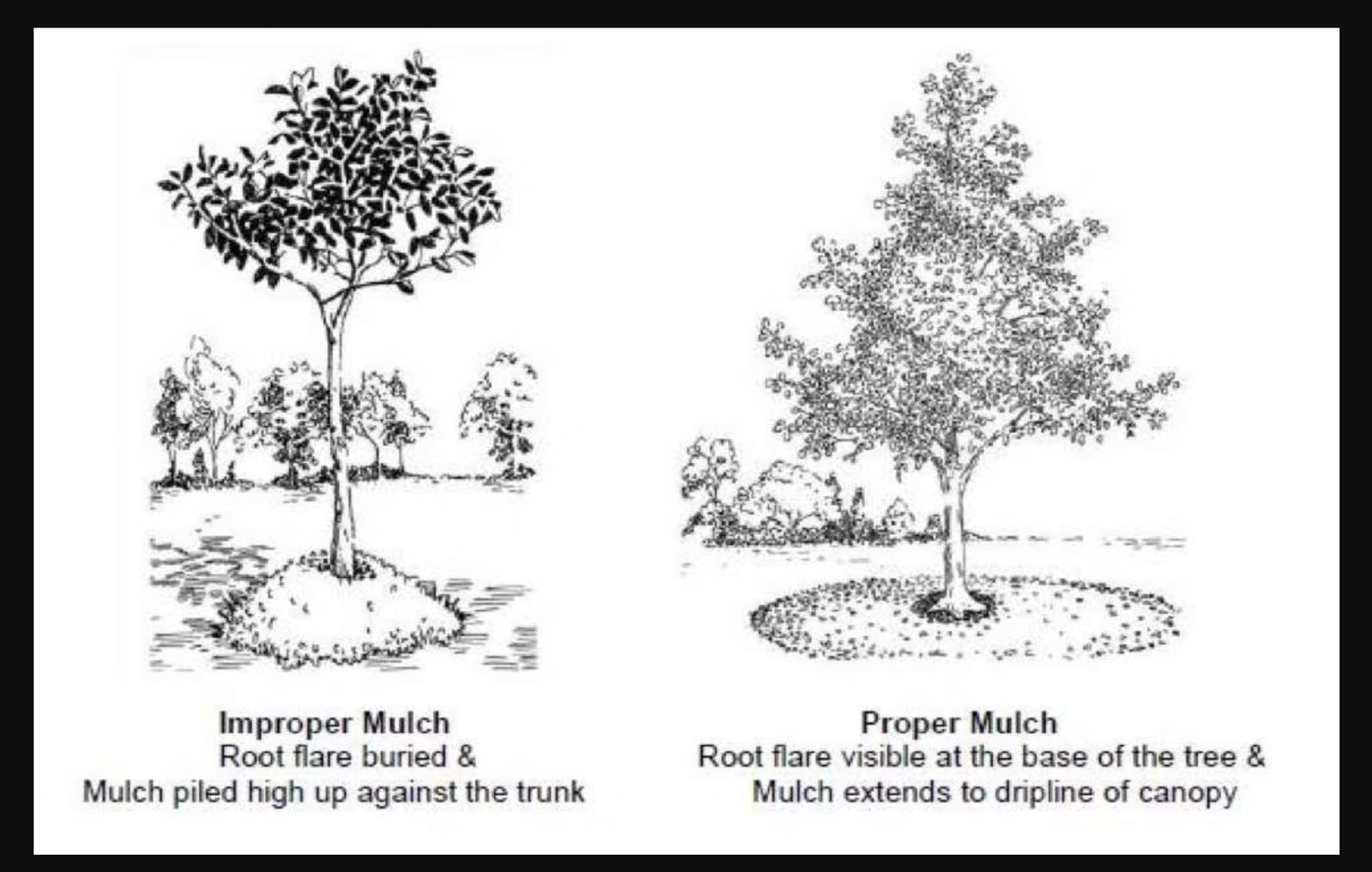
Keep mulch away from the plant stem. Mulch touching stems can cause rot and pest problems.
- Leave a 2 to 3 inch gap around each stem.
- Check mulch regularly and pull it back if it covers the stem.
- Replace mulch carefully after watering or heavy rain.
Creating A Mulch Ring
Make a mulch ring to protect roots and keep moisture. This ring helps mulch stay in place and lets air reach the soil.
| Mulch Ring Feature | Details |
|---|---|
| Shape | Circle or oval around the plant base |
| Diameter | 12 to 18 inches wide |
| Depth | 2 to 4 inches thick |
| Gap from Stem | 2 to 3 inches clear space |
Maintaining Mulch Around Young Plants
Mulching helps protect young plants by keeping soil moist and cool. It also stops weeds from growing.
To keep mulch effective, you must watch it closely and care for it regularly.
Regular Moisture Monitoring
Check the soil moisture under the mulch every few days. Mulch keeps water in, but the soil can still dry out.
Use your finger or a small tool to see if the soil feels damp. Water the plants if the soil is dry.
Replenishing Mulch Layers
Mulch breaks down over time and thins out. Add fresh mulch to keep a 2 to 3 inch thick layer.
- Remove old mulch if it is moldy or compacted.
- Spread new mulch evenly around the plant base.
- Keep mulch a few inches away from the plant stem to prevent rot.
- Check mulch depth monthly and top it up as needed.
Signs Of Mulch Problems
| Problem | Cause | How to Fix |
| Mulch matting | Too thick or wet mulch | Loosen mulch and add dry material |
| Fungal growth | Poor air flow, excess moisture | Remove affected mulch, improve drainage |
| Insect pests | Decaying organic matter | Replace mulch, monitor plants closely |
| Mulch pulled away | Wind or animals | Reapply mulch and secure it |
Common Mistakes To Avoid
Mulching around young plants helps them grow well. It keeps moisture in and stops weeds. Many gardeners make mistakes while mulching. These errors can harm the plants.
Read about common mistakes so you can protect your young plants. Avoid these errors for better plant health.
Over-mulching Risks
Putting too much mulch around plants causes problems. Thick layers stop water and air from reaching roots. This can make roots weak or rot.
Over-mulching also attracts pests and fungi. These may harm young plants and slow growth.
- Use 2 to 3 inches of mulch only
- Too thick mulch blocks air and water
- Remove old mulch before adding new
Mulch Piled Against Stems
Mulch touching the plant stem traps moisture. This causes stem rot and disease. It also stops the plant from growing well.
Keep mulch a few inches away from the stem base. This allows air flow and prevents damage.
- Leave 2 to 3 inches gap from stem to mulch
- Check mulch regularly to avoid piling
- Pull mulch back if it covers the stem
Using Poor Quality Mulch
Low-quality mulch may contain weed seeds or chemicals. These harm young plants and soil health. Avoid mulch with visible mold or trash.
Choose natural, clean mulch. Good mulch breaks down slowly and feeds the soil.
- Avoid mulch with weed seeds or dirt
- Do not use fresh wood chips near plants
- Pick mulch labeled safe for gardens
Credit: florasense.com
Seasonal Mulching Tips
Mulching around young plants helps keep soil moist and protects roots. It also controls weeds and improves soil health.
Using mulch correctly changes with the seasons. This guide gives simple tips for each season to help your plants grow strong.
Mulching In Spring And Summer
In spring, add a fresh layer of mulch to keep soil warm and moist. This helps young plants start growing well.
During summer, mulch keeps the soil cool and stops water from evaporating. It also reduces weeds that compete for water.
- Apply 2-3 inches of mulch around plants
- Keep mulch a few inches away from plant stems
- Check mulch regularly and add more if it gets thin
Preparing Mulch For Winter
Before winter, add a thick layer of mulch to protect roots from cold. Mulch also stops soil from freezing and thawing.
Use coarse mulch like straw or shredded bark. Avoid fine mulch that can mat and hold too much moisture.
- Apply 3-4 inches of mulch after soil cools
- Cover the root zone fully but not the plant base
- Remove mulch in early spring to avoid mold
Adjusting Mulch For Rainy Seasons
In rainy seasons, mulch can get too wet and cause root problems. Use mulch that drains well to avoid waterlogging.
Check mulch often and pull it away from plant stems to stop rot. Thin the mulch layer if water stays on the surface.
- Choose coarse mulch like wood chips for better drainage
- Keep mulch 2 inches thick to allow air flow
- Remove wet or compacted mulch and replace if needed
Frequently Asked Questions
What Is The Best Mulch For Young Plants?
Organic mulches like straw, shredded leaves, and bark are ideal. They retain moisture, regulate soil temperature, and improve soil health. Avoid heavy or synthetic mulches that can suffocate young roots and hinder growth.
How Thick Should Mulch Be Around Young Plants?
Apply mulch in a 2-3 inch layer around young plants. Too thick mulch can cause moisture buildup and root rot. Keep mulch a few inches away from the plant stem to prevent stem decay.
When Is The Best Time To Mulch Young Plants?
Mulch young plants after planting and soil warms up in spring. This timing helps retain moisture and suppress weeds effectively. Avoid mulching frozen or overly wet soil to prevent fungal problems.
How Does Mulching Benefit Young Plants?
Mulching conserves soil moisture, reduces weed competition, and moderates soil temperature. It also adds organic matter, improving soil structure and nutrient availability for young plants’ healthy growth.
Conclusion
Mulching helps young plants grow strong and healthy. It keeps soil moist and stops weeds from growing. Spread mulch evenly, but keep it away from plant stems. Check mulch often to avoid mold or pests. Choose natural materials like straw or wood chips.
These tips protect plants and save you time watering. Healthy plants mean a beautiful garden. Try mulching today for better plant growth. Simple steps, big rewards.