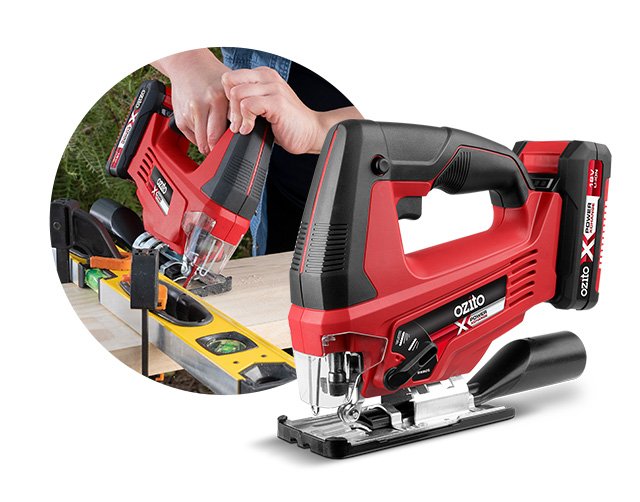
Are you ready to master the art of using a jigsaw? Whether you’re a DIY enthusiast or just starting out, learning how to operate a jigsaw effectively can elevate your woodworking projects to new heights.
Imagine cutting intricate patterns with ease and precision, transforming raw materials into stunning creations. But before you dive in, wouldn’t it be great to have a few insider tips to make the process smoother and more enjoyable? In this guide, you’ll discover practical, straightforward tips that will help you not only understand your jigsaw better but also use it like a pro.
Let’s ensure your next project is a masterpiece, without the frustration. Keep reading to unlock the secrets to jigsaw success!
Choosing The Right Jigsaw
Choosing the right jigsaw is important for your cutting tasks. The right tool makes your work easier and safer.
Jigsaws come in many styles and features. Understanding these helps you pick one that fits your needs.
Types Of Jigsaws
There are corded and cordless jigsaws. Corded models give constant power. Cordless jigsaws offer more freedom to move.
Some jigsaws have orbital action. This means the blade moves in a small circle for faster cuts. Others have straight up-and-down blade movement for clean cuts.
- Corded jigsaws: strong power, no battery worries
- Cordless jigsaws: portable, good for small jobs
- Orbital jigsaws: faster cutting, rougher finish
- Non-orbital jigsaws: slower cutting, smoother finish
Blade Selection Tips
Use the right blade for your material. Wood, metal, and plastic need different blades. Blade size also affects cutting quality.
Finer blades give smooth cuts. Coarse blades cut faster but rougher. Change blades if they get dull or bent.
- Wood blades: large teeth, fast cutting
- Metal blades: small teeth, slow cutting
- Plastic blades: medium teeth, avoid melting
- Fine-tooth blades: smooth edges
- Coarse-tooth blades: fast but rough cuts
Power And Speed Considerations
Jigsaws have different power levels. Higher power cuts thicker materials easily. Lower power is fine for thin wood or plastic.
Speed settings help control cutting quality. Slow speed works well for metal or curves. High speed is good for straight cuts in wood.
- Higher power: best for thick or hard materials
- Lower power: good for light or thin materials
- Variable speed: adjust for material and cut type
- Slow speed: better control and smooth cuts
- High speed: faster cuts but less control
Preparing Your Work Area
Setting up your work area is important before using a jigsaw. A clean and organized space helps you work safely and accurately.
Take time to prepare your tools and materials. This reduces distractions and mistakes during cutting.
Securing The Material
Hold the material firmly to keep it from moving while cutting. Moving wood or other materials can cause uneven cuts or accidents.
Use clamps or a vise to fasten the workpiece to your table or workbench. This keeps your hands free and safe.
- Choose clamps that fit your material size
- Make sure clamps are tight but not damaging
- Check stability before starting the jigsaw
Ensuring Proper Lighting
Good lighting helps you see the cutting line clearly. Poor light increases the chance of mistakes and accidents.
Use bright, focused lights aimed at your work area. Natural light or LED lamps work well for this task.
- Position lights to avoid shadows on the material
- Use adjustable lamps for better control
- Check lighting before starting your cut
Safety Gear Essentials
Wear safety gear to protect yourself from dust and sharp edges. Safety gear reduces the risk of injury.
Always use safety glasses, ear protection, and gloves when operating a jigsaw.
- Safety glasses protect your eyes from flying debris
- Ear plugs or earmuffs reduce noise damage
- Gloves protect your hands from cuts and splinters
Setting Up The Jigsaw
Setting up your jigsaw correctly helps you cut safely and precisely. It also makes your work easier and faster.
Before starting, check the parts and adjust the settings to fit your project. This guide covers the main setup steps.
Adjusting The Shoe Plate
The shoe plate guides the jigsaw and keeps it stable on the material. Adjust it to match the angle and thickness of your cut.
Loosen the shoe plate screws to tilt it. Set the angle for straight or angled cuts. Then tighten the screws firmly.
- Check the shoe plate is flat on the surface
- Adjust angle for bevel cuts if needed
- Tighten screws to avoid movement
Installing The Blade
Use the right blade type for your material, like wood or metal. Installing the blade correctly ensures clean cuts and safety.
Turn off and unplug the jigsaw first. Open the blade holder, insert the blade with teeth facing forward, and lock it securely.
- Choose blade size and type for your material
- Insert blade teeth facing the front
- Secure blade tightly in the holder
- Double-check blade is firmly fixed
Configuring Speed Settings
Adjust the speed control to match the material and blade. Slower speeds work better for metal, while faster speeds suit wood.
Use the speed dial or trigger to set the speed before cutting. Test on a scrap piece to find the best speed.
- Low speed for hard or thin materials
- High speed for soft or thick materials
- Adjust speed gradually if needed
- Keep speed steady during cutting
Cutting Techniques
Using a jigsaw correctly helps you make clean and accurate cuts. Different techniques work best for different shapes and angles. Learning these methods improves your project results.
Focus on steady control and the right blade for each cut. This guide covers straight, curved, and bevel cuts with tips to help you handle each one.
Straight Cuts
Straight cuts need a firm hand and a guide to keep the line even. Use a straight edge or clamp a ruler to the wood to follow. Keep the jigsaw steady and move slowly along the line.
- Select a fine-toothed blade for cleaner cuts
- Keep the base plate flat on the surface
- Do not force the saw; let the blade cut at its own speed
- Use clamps to hold the workpiece firmly
Curved Cuts
Curved cuts require a blade that can bend easily and sharp turns. A narrow blade works best for tight curves. Slow your speed to maintain control and avoid splintering.
| Blade Type | Recommended Use |
| Narrow blade | Tight curves and detailed shapes |
| Medium-width blade | Smoother, wider curves |
| Fine-toothed blade | Prevent splintering on softwood |
Bevel Cuts
Bevel cuts angle the edge of the material. Adjust the jigsaw base plate to the desired angle before cutting. Keep the saw steady and let the blade do the work.
- Set the base plate angle carefully for accuracy
- Use a blade designed for clean edge cuts
- Make a test cut on scrap wood first
- Support the workpiece well to prevent movement
Maintaining Control
Using a jigsaw can be tricky without proper control. Keeping steady hands helps make clean cuts and avoids accidents.
Focus on how you hold and guide the tool. This improves safety and cutting accuracy.
Proper Grip And Posture
Hold the jigsaw firmly but not too tight. A relaxed grip reduces hand fatigue and improves control.
Stand with your feet shoulder-width apart. Keep your body balanced to avoid slips or sudden movements.
- Grip the handle with your dominant hand
- Use your other hand to steady the base
- Keep your back straight and bend your knees slightly
- Stand close enough to the workpiece for better control
Guiding The Jigsaw Smoothly
Guide the jigsaw slowly and steadily along the cut line. Rushing causes rough edges and mistakes.
Let the blade do the work. Do not force the saw or push too hard on the material.
- Start the saw before touching the material
- Follow the cutting line with a steady hand
- Keep the base flat on the surface
- Pause if the saw feels stuck or slows down
Avoiding Common Mistakes
Avoid moving your hands too much during cutting. This causes uneven lines and loss of control.
Do not use the wrong blade for your material. This can damage the jigsaw and the workpiece.
- Do not force the saw through hard spots
- Avoid cutting with dull or damaged blades
- Keep your eyes on the cutting line
- Turn off the saw before adjusting your grip

Credit: allflavorworkshop.com
Blade Care And Replacement
Keeping your jigsaw blades in good shape helps you cut smoothly and safely.
Knowing when to change, clean, and store blades extends their life and improves work quality.
When To Change Blades
Change blades if they become dull, bent, or broken. Using worn blades can damage your work and machine.
- Blade cuts slower than usual.
- Edges of the blade are chipped or cracked.
- Blade bends during cutting.
- Cut quality decreases, showing rough or uneven lines.
Cleaning Blades
Clean blades after use to remove pitch, resin, and sawdust. This keeps blades sharp and prevents rust.
- Use a soft brush to remove dust.
- Wipe blades with a cloth soaked in mineral spirits.
- Dry blades completely to avoid rust.
- Do not use harsh chemicals that damage the blade.
Storing Blades Safely
Proper storage protects blades from damage and keeps them ready for use.
| Storage Method | Benefit |
| Use a blade case or holder | Prevents bending and dulling |
| Keep blades dry | Stops rust and corrosion |
| Store blades separately by type | Makes finding the right blade easy |
| Label blades with purchase or last use date | Helps track blade age |
Troubleshooting Common Issues
Using a jigsaw can be easy if you know how to fix common problems. Small issues can stop your work or cause bad cuts.
Here are tips to solve three frequent problems. Follow them to keep your jigsaw working well and safe.
Blade Binding
Blade binding happens when the blade gets stuck in the wood. This can stop the blade from moving and cause damage.
Binding often occurs if you push the jigsaw too hard or use the wrong blade for the material.
- Use a blade made for the material you cut
- Do not force the jigsaw; let the blade cut naturally
- Keep the blade sharp and clean
- Make sure the blade is installed correctly and tight
Uneven Cuts
Uneven cuts happen when the blade moves side to side or when the base plate is not steady. This makes your work look bad.
It can also happen if you move the jigsaw too fast or do not follow the cutting line closely.
- Check that the base plate is flat and tight
- Hold the jigsaw steady and do not wobble
- Cut slowly and follow the marked line carefully
- Use a guide or fence if needed for straight cuts
Overheating Problems
Your jigsaw can get hot if you use it for a long time without breaks. Overheating can harm the motor and reduce tool life.
Dust and debris can also cause the jigsaw to overheat by blocking air vents.
- Turn off the jigsaw and let it cool after long use
- Keep air vents clean and clear of dust
- Use the correct blade to reduce motor strain
- Do not force the tool to cut too fast
Credit: onevantool.com
Advanced Tips
Using a jigsaw can be simple, but some advanced tips help you get better results. These tips focus on precision and control for tricky cuts.
Learn how to use the jigsaw for special cuts and adjust settings for different materials. This will make your work easier and neater.
Using Jigsaw For Dovetail Cuts
Dovetail cuts need careful control and slow cutting. Use a fine blade to make clean, tight cuts. Mark your lines clearly before cutting.
- Choose a narrow blade for tight curves
- Cut slowly to avoid splintering
- Use a sharp blade to ensure smooth edges
- Clamp your workpiece firmly to avoid movement
Incorporating Guide Rails
Guide rails help you cut straight and accurate lines. Attach your jigsaw to a guide rail for better control on long cuts.
| Guide Rail Type | Best Use | Tip |
| Aluminum Track | Long straight cuts | Use clamps to fix firmly |
| Wooden Guide | Custom curves | Sand edges smooth |
| Magnetic Guide | Metal sheets | Ensure clean surface for grip |
Customizing Speed For Different Materials
Adjust jigsaw speed depending on the material. Faster speeds work for soft wood, while slower speeds are best for metal and hard wood.
- Soft wood: use high speed for quick cuts
- Hard wood: medium speed for control
- Metal: low speed to avoid blade damage
- Plastic: slow speed to prevent melting

Credit: www.yahoo.com
Frequently Asked Questions
What Safety Gear Is Essential When Using A Jigsaw?
Always wear safety goggles and ear protection when operating a jigsaw. Gloves protect your hands from splinters. Use a dust mask to avoid inhaling sawdust. Proper footwear prevents slips. Safety gear reduces injury risks and ensures a safer working environment.
How To Choose The Right Blade For A Jigsaw?
Select blades based on material type and thickness. Use fine-toothed blades for metal and coarse blades for wood. Ensure blade length matches the cutting depth. High-quality blades improve cutting precision and reduce wear. Always check blade compatibility with your jigsaw model.
What Is The Best Technique For Straight Cuts With A Jigsaw?
Secure the workpiece firmly before cutting. Use a guide or straight edge for accuracy. Start the cut slowly and increase speed gradually. Keep the blade perpendicular to the surface. Maintain steady pressure to avoid blade bending or wandering.
How To Maintain A Jigsaw For Optimal Performance?
Regularly clean the jigsaw after use to remove dust and debris. Lubricate moving parts to prevent rust and wear. Check and replace worn blades promptly. Store the tool in a dry, safe place. Proper maintenance extends the tool’s lifespan.
Conclusion
Operating a jigsaw safely and effectively takes practice and care. Always wear safety gear and keep your hands clear of the blade. Choose the right blade for the material you cut. Take your time and follow the cut lines closely.
Clean the tool after use to keep it working well. With these tips, your projects will go smoothly and safely. Enjoy creating with your jigsaw!