
Grabbing a jigsaw for the first time or even the hundredth time can be a bit intimidating, but it doesn’t have to be. Imagine creating beautiful, precise cuts with confidence, knowing you’re in complete control of your tool.
Whether you’re a seasoned DIY enthusiast or a beginner eager to dive into woodworking projects, safety should always be your top priority. You wouldn’t want a simple task to turn into a mishap, right? By following a few straightforward safety tips, you can ensure that your jigsaw adventures are both enjoyable and injury-free.
Are you ready to transform your woodworking experience and make every cut count? Let’s dive into the essential tips for operating a jigsaw safely. Your projects—and your fingers—will thank you!
Choosing The Right Jigsaw
Using the right jigsaw helps you work safely and get good results. Picking the best jigsaw depends on your needs and the type of work.
Look for features that match your projects. This way, you can cut smoothly and avoid accidents.
Types Of Jigsaws
There are different jigsaws for different tasks. Some are light and good for small jobs. Others are strong and made for heavy work.
Choose between corded or cordless models. Corded jigsaws have steady power. Cordless ones give you more freedom to move.
- Orbital jigsaws cut faster and rougher.
- Non-orbital jigsaws cut slower but cleaner.
- Variable speed jigsaws help adjust cutting speed for different materials.
- Compact jigsaws fit in tight spaces.
Blade Selection Tips
Choosing the right blade is key for safety and good cuts. Blades come in different shapes and sizes for various materials.
Match the blade teeth to the material. Use fine teeth for wood and metal. Use coarse teeth for thick wood or plastic.
- Use T-shank blades for easy blade changes.
- Pick blades with high teeth per inch (TPI) for smooth cuts.
- Choose low TPI blades for fast, rough cuts.
- Use blades designed for the material you cut most often.
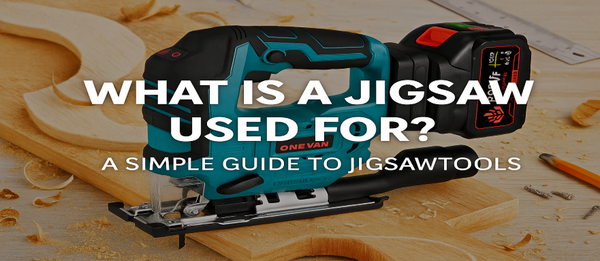
Credit: onevantool.com
Preparing Your Workspace
Setting up your workspace is important for safe jigsaw use. A tidy and well-lit area helps you work better.
Taking time to prepare reduces accidents and keeps you focused on your task.
Clearing The Area
Remove all clutter from your workspace. This gives you enough room to move the jigsaw freely.
Keep tools and materials organized and away from the cutting path. This prevents tripping or knocking things over.
- Clear off your workbench and floor space
- Store extra tools in a toolbox or shelf
- Keep cords and cables out of the way
- Make sure the wood or material is stable
Ensuring Proper Lighting
Good lighting helps you see the cut line and avoid mistakes. Use bright, even light in your workspace.
Avoid shadows or glare on your work surface. Position lights so they shine directly on your material.
- Use overhead lights or desk lamps
- Consider daylight bulbs for clear visibility
- Adjust lights to reduce shadows
- Check lighting before starting your cut
Personal Safety Gear
Using a jigsaw can be dangerous without the right safety gear. Protecting yourself helps avoid injuries.
Wearing proper equipment keeps you safe from flying debris and sharp blades. Always prepare before cutting.
Essential Protective Equipment
Wear safety goggles to protect your eyes from dust and small wood pieces. Use ear protection to reduce noise.
Gloves help protect your hands from cuts but make sure they fit well. A dust mask keeps you from breathing harmful particles.
- Safety goggles or glasses
- Ear plugs or earmuffs
- Fitted work gloves
- Dust mask or respirator
- Non-slip safety shoes
Clothing And Accessories To Avoid
Loose clothing can get caught in the jigsaw blade. Avoid wearing scarves, ties, or baggy sleeves.
Do not wear jewelry like rings or bracelets. Long hair must be tied back to stop it from getting caught.
- Loose or baggy clothes
- Dangling jewelry
- Open-toed shoes
- Untied long hair
- Gloves that are too loose
Setting Up The Jigsaw
Setting up a jigsaw correctly helps you cut safely and accurately. Take time to prepare your tool before use.
Focus on adjusting speed and installing blades. These steps protect both you and your workpiece.
Adjusting Speed Settings
Use the right speed for your material. Hard materials need slower speeds. Soft materials cut well at higher speeds.
- Check your jigsaw’s speed control dial.
- Set a low speed for metal or hardwood.
- Choose a medium speed for softwood.
- Use high speed for plastic or thin materials.
- Test on scrap material before cutting your project.
Installing Blades Correctly
Blade installation affects safety and cut quality. Use the right blade for your task.
| Blade Type | Material | Tooth Direction |
|---|---|---|
| Fine-toothed | Metal | Teeth point down |
| Coarse-toothed | Wood | Teeth point down |
| Specialty blades | Plastic or laminates | Check manufacturer instructions |
Secure the blade tightly in the clamp. Make sure teeth face forward and down. Double-check before turning on the tool.
Safe Cutting Techniques
Using a jigsaw safely is important to avoid accidents. Proper cutting techniques help you work smoothly and stay in control.
Always focus on steady movements and correct handling. This keeps the cut accurate and reduces the risk of injury.
Maintaining A Firm Grip
Hold the jigsaw with both hands for better control. Keep your grip firm but not too tight to avoid fatigue.
A steady hold prevents the tool from slipping. This helps you make straight and clean cuts safely.
- Use the main handle and the front grip if available
- Keep your hands dry and free of grease
- Wear gloves that fit well for extra safety
Guiding The Jigsaw Smoothly
Move the jigsaw slowly along the cutting line. Let the blade do the work without forcing it through the material.
Keep the base plate flat on the surface. This helps guide the saw and keeps your cut straight and even.
- Follow the marked line carefully
- Avoid sudden turns or jerks
- Keep a steady speed for smooth cuts
Handling Common Challenges
Operating a jigsaw can be tricky without the right approach. Some challenges often come up, but you can handle them safely and easily.
This guide covers two common issues: preventing blade binding and working with thick materials. Follow these tips to stay safe and work well.
Preventing Blade Binding
Blade binding happens when the blade gets stuck in the material. This can cause the jigsaw to jerk or stop suddenly. It may also damage the blade or the material.
- Use a sharp blade made for your material type.
- Keep the cutting speed steady; don’t rush.
- Support the material well to avoid bending or vibration.
- Make relief cuts for tight curves to reduce pressure.
- Keep the blade clean from resin or sawdust build-up.
Dealing With Thick Materials
Thick materials need extra care to cut smoothly. The jigsaw blade can wear out faster or bend if not used properly.
| Tip | Details |
| Choose the right blade | Use blades made for thick or hard materials. |
| Use a slower speed | Reduce speed to avoid overheating the blade. |
| Make multiple passes | Cut a little deeper each time instead of cutting all at once. |
| Clamp the material | Hold the workpiece firmly to stop movement. |
Maintenance And Storage
Proper care of your jigsaw keeps it working safely and well. Regular cleaning and correct storage protect the tool.
Taking time to maintain your jigsaw helps you avoid accidents and extends its life. Follow simple tips for cleaning and storing.
Cleaning After Use
Remove dust and debris from the jigsaw after each use. This prevents buildup that can harm the motor and blades.
- Unplug the jigsaw before cleaning.
- Use a soft brush to clear sawdust from vents and blade areas.
- Wipe the exterior with a dry or slightly damp cloth.
- Check the blade for damage and replace if needed.
- Lubricate moving parts as stated in the user manual.
Proper Storage Practices
Store the jigsaw in a dry, cool place. Avoid areas with high humidity or dust that can damage the tool.
| Storage Tip | Reason |
| Keep in a case or toolbox | Protects from dust and accidental damage |
| Store blade separately if removable | Prevents dulling or injury |
| Place away from direct sunlight | Prevents heat damage to plastic parts |
| Ensure the jigsaw is unplugged | Prevents accidental start-up |
| Check storage area regularly | Detects moisture or pests early |

Credit: www.klium.com

Credit: www.yahoo.com
Frequently Asked Questions
How Do I Choose The Right Blade For A Jigsaw?
Select a blade based on the material you’re cutting. Use fine-toothed blades for metal and coarse blades for wood. The blade’s thickness and tooth design affect cutting speed and smoothness. Always match the blade type to your specific project for best results.
What Safety Gear Should I Wear When Using A Jigsaw?
Wear safety glasses to protect your eyes from debris. Use ear protection to reduce noise exposure. Gloves help prevent cuts but ensure they don’t interfere with grip. A dust mask is useful when cutting materials that produce fine particles.
How Can I Ensure Accurate Cuts With A Jigsaw?
Secure the material firmly to prevent movement. Mark your cutting line clearly before starting. Use the correct blade and adjust the speed for the material. Guide the jigsaw steadily along the line without forcing it.
What Are Common Jigsaw Safety Mistakes To Avoid?
Avoid wearing loose clothing or jewelry near the blade. Never remove safety guards or disable safety features. Don’t force the tool through the material. Always disconnect power before changing blades or making adjustments.
Conclusion
Safe jigsaw use depends on careful attention and good habits. Always wear protective gear and keep your hands clear of the blade. Take your time and follow the tool’s instructions closely. Regularly check the blade for damage before starting work.
These small steps help prevent accidents and make your cutting smoother. Stay focused and respect the power of the jigsaw. Safety is simple but must never be ignored. Your careful work keeps both you and others safe.